
















Fort Smith, Canada Sparks a Rare November Adventure Beneath Northern Lights
-
Travel, Food, Culture, Weather
-
-
4 mins
-
Travel and Tour World
-
Pamela Das
-

Fort Smith, Canada gives solo women a quiet November escape with Slave River views, Wood Buffalo wilderness and Northern Lights possibilities
Fort Smith in Canada’s Northwest Territories offers a very different November holiday. It is quiet, wild and full of northern beauty. The small town sits beside the Slave River and close to Wood Buffalo National Park. Solo travellers and women travellers can find nature, history, winter activities and the chance to see the Northern Lights. A November visit needs care and planning. But for travellers who enjoy a real adventure, Fort Smith can be a special place to discover.
A Quiet Northern Town with a Strong Story
Fort Smith is known as Thebacha, which means “beside the rapids”. The name fits the town well. The Slave River runs close by. Its rapids, forests and wide skies shape the feeling of the place.
The town is one of the main gateways to Wood Buffalo National Park. This is Canada’s largest national park. It is home to wood bison, moose, black bears, wolves, foxes and many birds. The park is much bigger than a normal city park. It is a huge wilderness area. This makes Fort Smith feel peaceful and far away from crowded tourist places.
November brings the start of winter. The town becomes colder and quieter. Snow may cover the ground. The days become shorter. This gives Fort Smith a calm and magical mood. It is a place for travellers who want to slow down and enjoy nature.
Arrival Needs Smart Planning
Fort Smith is remote. Visitors should plan their journey before they travel. Air services connect Fort Smith with Yellowknife on weekdays. Flights from Edmonton operate on selected days. It is best to book flights, accommodation and airport transport together.
Travellers should not expect the same transport options found in big cities. Taxis and late-night services may be limited. It is safer to arrange an airport pick-up before arriving. Solo visitors should try to land in daylight where possible. This makes the first day easier and gives them time to understand the town.
After checking in, visitors can buy food, water and warm supplies. It is also useful to ask accommodation staff about the weather, road conditions and local activities. Local advice matters greatly in northern Canada, especially in November.
November Weather Brings a Real Winter Experience
November is winter in Fort Smith. Temperatures can fall well below freezing. Snow, ice and strong cold winds are possible. Visitors need a warm down jacket, thermal base layers, insulated boots, thick socks, gloves, a scarf and a warm hat.
Warm clothing is not only about comfort. It is also about safety. Cold weather can affect phones, cameras and power banks. Batteries lose power more quickly in low temperatures. Travellers should carry a power bank close to their body and bring spare batteries for cameras.
November daylight is shorter than in summer. Outdoor plans should start after sunrise and finish before dark. This is especially important for people travelling alone. A simple day plan can include a morning walk, an afternoon museum visit and an early evening meal in town.
Discover the Slave River and Local Heritage
Fort Smith’s riverside trails are one of its strongest attractions. The Thebacha Trail and Slave River lookout provide a chance to see the river and forest. The Rapids of the Drowned area is close to town and gives visitors a view of the powerful water that shaped the region.
In November, visitors should stay on safe and maintained paths. They should avoid river edges, unstable ground and thin ice. The Slave River is beautiful, but its rapids are dangerous. A winter landscape can also hide uneven paths and icy surfaces.
The Northern Life Museum and Cultural Centre adds another important part to the journey. The museum helps visitors understand the Thebacha region. It explores local history, nature and culture. It is a good place to visit during the afternoon, especially if the weather turns cold.
Fort Smith is not only about outdoor adventure. Its history and culture help travellers understand why the town matters to the Northwest Territories.
Wood Buffalo National Park Offers Big Wilderness Views
Wood Buffalo National Park is open all year. However, November visitors must remember that summer visitor services have ended. The Fort Smith Visitor Centre closes for the winter. Travellers should check all park information before leaving town.
The Salt River Day Use Area is one of the more practical places to visit. It is around 24 kilometres south of Fort Smith. The area has scenic river views, picnic tables, toilets, a community fire pit and a shelter with a wood stove.
It can also be a good place for stargazing and Northern Lights viewing. However, travellers should never go there alone after dark without a safe plan. It is better to join a local outing or arrange transport with a trusted guide.
Several park trails remain closed because of hazards left after the 2023 wildfires. These closures include parts of the Karstland Trail, Salt Pan Lake Trail, Benchmark Creek Trail and other routes. Visitors must obey all signs and closures. They should not enter blocked areas, even if a trail looks clear.
Wildlife Makes Every Journey Exciting
Wood Buffalo National Park is home to many animals. Visitors may see wood bison, moose, foxes, wolves, lynx and birds. Wildlife may appear beside roads or close to day-use areas.
Travellers should keep a safe distance from every animal. They should never feed wildlife or leave their vehicle to get a closer photo. Wood bison are large and powerful. Bears can also remain active in early winter conditions.
A slow drive through the park can be more rewarding than a long hike. Bring binoculars and a camera. Keep warm inside the vehicle. Stop only in safe places. Wildlife viewing should always be calm and respectful.
Northern Lights Create a Memorable November Night
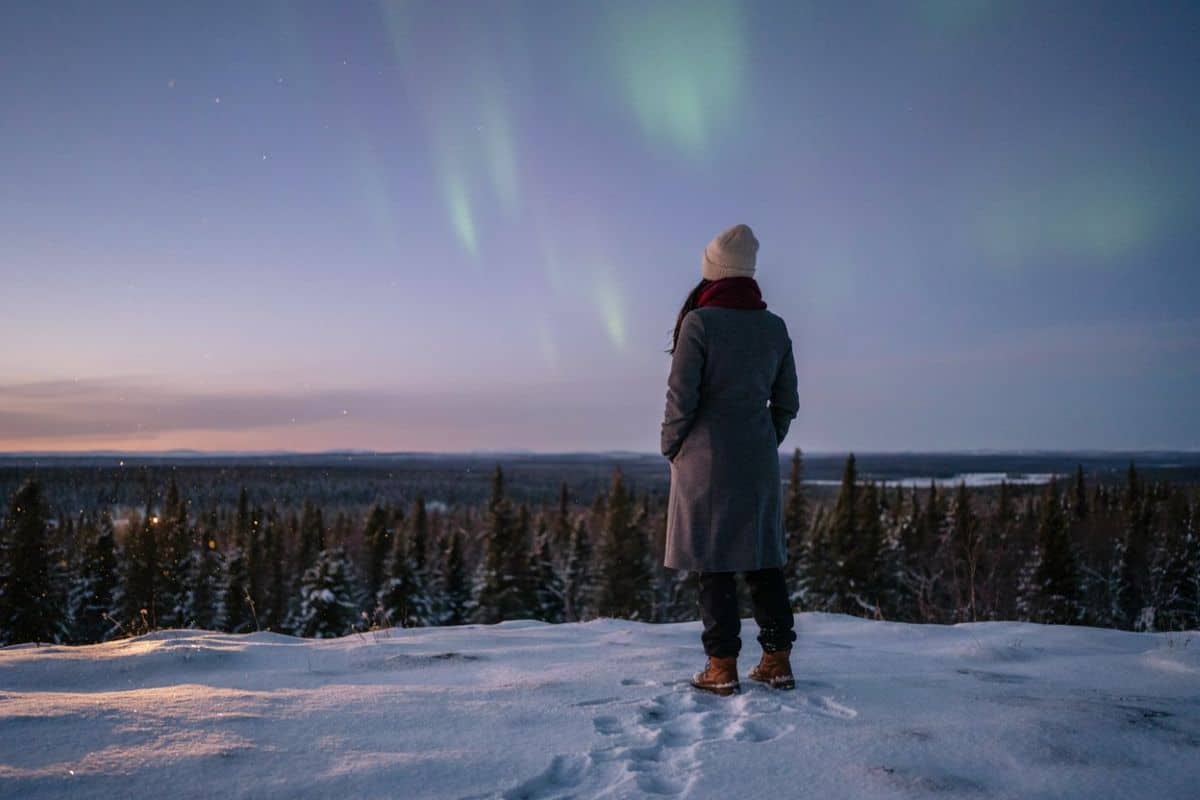
November marks the return of the Northern Lights season in the Northwest Territories. Clear skies are needed, and sightings are never guaranteed. Yet Fort Smith’s dark surroundings can give visitors a good chance to look up and enjoy the northern sky.
For solo travellers and women travelling alone, an organised aurora experience is the best option. A local guide can choose a safer viewing location and manage transport. Visitors should bring a headlamp, hot drink, extra gloves and warm layers.
Standing under a dark sky in the northern wilderness can be one of the most memorable parts of a Fort Smith trip. It is quiet, simple and deeply moving.
Solo and Female Travellers Can Explore with Confidence
Fort Smith can work well for independent travellers who plan carefully. The town is small, but the wilderness around it is vast. The main safety concern is not city life. It is the cold, the wildlife, limited mobile signal and remote roads.
Visitors should tell their accommodation where they plan to go. They should share their daily route with a friend or family member. They should carry food, water, a charged phone and warm emergency clothing.
Mobile coverage can be unreliable in Wood Buffalo National Park. A satellite messenger or personal locator device is a wise choice for any remote outing. Travellers should not hike alone in remote areas, particularly after dark.
Canada’s Fort Smith is not a quick city break. It is a powerful November escape for travellers seeking winter landscapes, cultural discovery and a closer connection with the wild North.
The post Fort Smith, Canada Sparks a Rare November Adventure Beneath Northern Lights appeared first on Travel and Tour World




































































