










Nepal Creates A New Cultural Tourism Attraction As Bhaktapur’s Sa Paru Festival Draws Curious Travellers
-
Travel, Culture, Religion
-
-
4 mins
-
Travel and Tour World
-
Sanjana Dubey
-

Nepal’s Bhaktapur draws global travelers as the ancient Sa Paru festival transforms remembrance into a cultural celebration with music, dance and traditions.
Bhaktapur draws in tourists for Sa Paru, In the city of Bhaktapur which is located in Nepal, the festival Sa: Paru, brings parades and other public celebrations to commemorate family members who have passed. In other regions, it is commonly seen to express one’s grief through a quiet disposition, however, the people of the Kathmandu Valley, particularly, the Newar community, showcases their grief through public displays of musical and theatrical performances. For a tourist, it showcases a different side of Nepal, where grief is expressed through culture and public displays. Further, for a tourist, it shows Bhaktapur’s culture and what live museums look like.
Bhaktapur Turns Remembrance Into A Festival Of Hope And Spiritual Journey
Death is often connected with silence, sadness and separation in many parts of the world. However, Sa: Paru presents a completely different vision of remembrance. The festival, also known as Gai Jatra, honours people who have died during the previous year and celebrates their journey towards spiritual peace and salvation.
Across the Kathmandu Valley, the Newar community gathers to create an atmosphere filled with music, traditional dances, colourful decorations and public celebrations. Families do not remember their loved ones only through sorrow. Instead, they come together to recognise life’s natural cycle and provide a meaningful farewell.
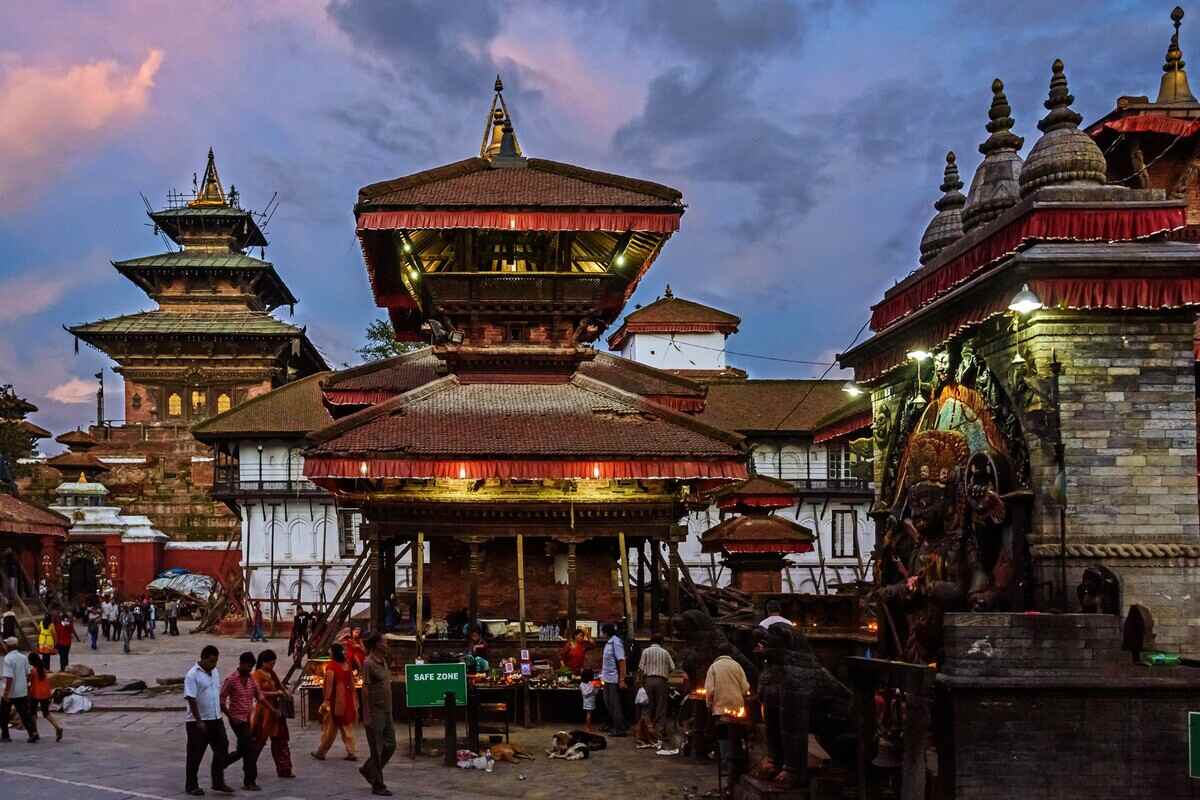
Bhaktapur offers one of the most distinctive versions of this ancient tradition. The city’s narrow streets, historic buildings and traditional courtyards become the centre of a large cultural gathering where locals and visitors experience Nepal’s unique approach to honouring ancestors.
Ancient Taha Sa Structures Bring Families And Communities Together
A major feature of the Sa: Paru festival is the creation of traditional bamboo structures known as taha: sa. These structures represent the deceased person and become an important part of the public procession.
Before the main festival day, neighbours and community members work together to prepare these symbolic creations. The process requires teamwork, craftsmanship and collective effort. Traditionally, cows were used in the procession, but bamboo structures have now become a central element of the celebration.
The structures are carefully decorated with colourful cloth, portraits of the departed, religious symbols and protective umbrellas. The decorations represent respect, remembrance and the belief that every person follows the same journey of life and death.
The preparation itself reflects one of the strongest messages of the festival. Sa: Paru is not only about individual families. It is about the entire community supporting each other during moments of loss.
Music Dance And Colour Fill The Streets Of Historic Bhaktapur
On the main festival day, Bhaktapur changes completely. The quiet heritage city becomes filled with traditional sounds, including drums, bells and rhythmic performances.
Processions move through the historic streets carrying decorated taha: sa structures. Participants take part in the famous Ghintang Ghisi dance, where performers move together while creating sounds with wooden sticks. The energetic performance adds movement and excitement to the celebration.
The streets become a meeting place for people of all ages. Some participants wear traditional Newar clothing, while others join wearing modern clothes. The festival welcomes everyone, creating an inclusive atmosphere where locals and visitors can experience Nepalese culture directly.
Unlike traditional mourning ceremonies that focus on separation, Sa: Paru creates a feeling of connection. It reminds communities that memories continue even after someone has passed away.
Bhaktapur Preserves A Cultural Tradition Dating Back Centuries
The exact beginning of Sa: Paru is uncertain, but historians believe the tradition may have developed several centuries ago, possibly during the medieval period of Nepal.
Over time, the festival evolved beyond a religious ceremony and became an important cultural event. Satirical performances, masks and creative expressions became part of the celebration, allowing communities to combine remembrance with social commentary.
Today, the festival remains one of Nepal’s most recognised cultural events. While celebrations take place in different areas of the Kathmandu Valley, Bhaktapur has developed its own unique identity through longer celebrations and traditional performances.
The festival demonstrates how Nepal continues to protect ancient customs while allowing them to adapt to modern society.
Bhaktapur Offers Travellers More Than A Short Heritage Visit
Many travellers visiting Nepal include Bhaktapur as a short stop while exploring the Kathmandu Valley. The city is famous for Bhaktapur Durbar Square, ancient temples and historic architecture. However, the destination offers much more than a quick sightseeing experience.
Bhaktapur is a living heritage city where traditional lifestyles continue every day. Early mornings reveal a different side of the destination, with residents visiting temples, shopping in local markets and following daily rituals.
Travellers can explore pottery workshops where traditional crafts are still created by hand. Pottery Square provides an opportunity to watch artisans shaping and drying clay products under the Nepalese sun.
The city is also known for traditional paper-making techniques, local handicrafts and authentic Newar cuisine. Spending more time in Bhaktapur allows visitors to understand the connection between heritage, community and everyday life.
Responsible Tourism Helps Protect Nepal’s Living Heritage
Bhaktapur’s cultural identity depends heavily on local communities who continue to preserve traditional practices. Tourism plays an important role in supporting these efforts by encouraging longer stays and deeper cultural experiences.
Boutique accommodations and local experiences are helping visitors connect with the city beyond standard sightseeing. Activities such as heritage walks, artisan meetings and local dining experiences allow travellers to understand Bhaktapur from a community perspective.
Festivals like Sa: Paru show why Nepal remains one of the world’s most fascinating cultural destinations. The country offers travellers experiences that go beyond monuments and landscapes by connecting them with traditions that have survived for generations.
Nepal Tourism Continues Despite Natural Challenges And Travel Concerns
Nepal has experienced serious natural challenges in recent times, including devastating floods and landslides in some areas. These events affected communities and created concerns among potential visitors.
However, major tourist destinations such as the Kathmandu Valley, Bhaktapur and popular trekking regions continue welcoming travellers. Tourism remains an important source of support for local communities, especially those working in hospitality, crafts and cultural preservation.
For visitors seeking meaningful travel experiences, Bhaktapur provides a rare opportunity to witness a festival where remembrance, spirituality and community come together.
Sa: Paru is more than an annual celebration. It is a powerful reflection of Nepal’s belief that life should be honoured, memories should be protected and communities should stand together through every stage of human existence.
The post Nepal Creates A New Cultural Tourism Attraction As Bhaktapur’s Sa Paru Festival Draws Curious Travellers appeared first on Travel and Tour World