
















Zimbabwe Community Tourism Travel Gains Powerful Momentum as Hwange Safaris Support Local Families
-
Travel, Health
-
-
5 mins
-
Travel and Tour World
-
Sneha Banerjee
-

Zimbabwe community tourism connects Hwange wildlife safaris with local jobs, schools and conservation benefits.
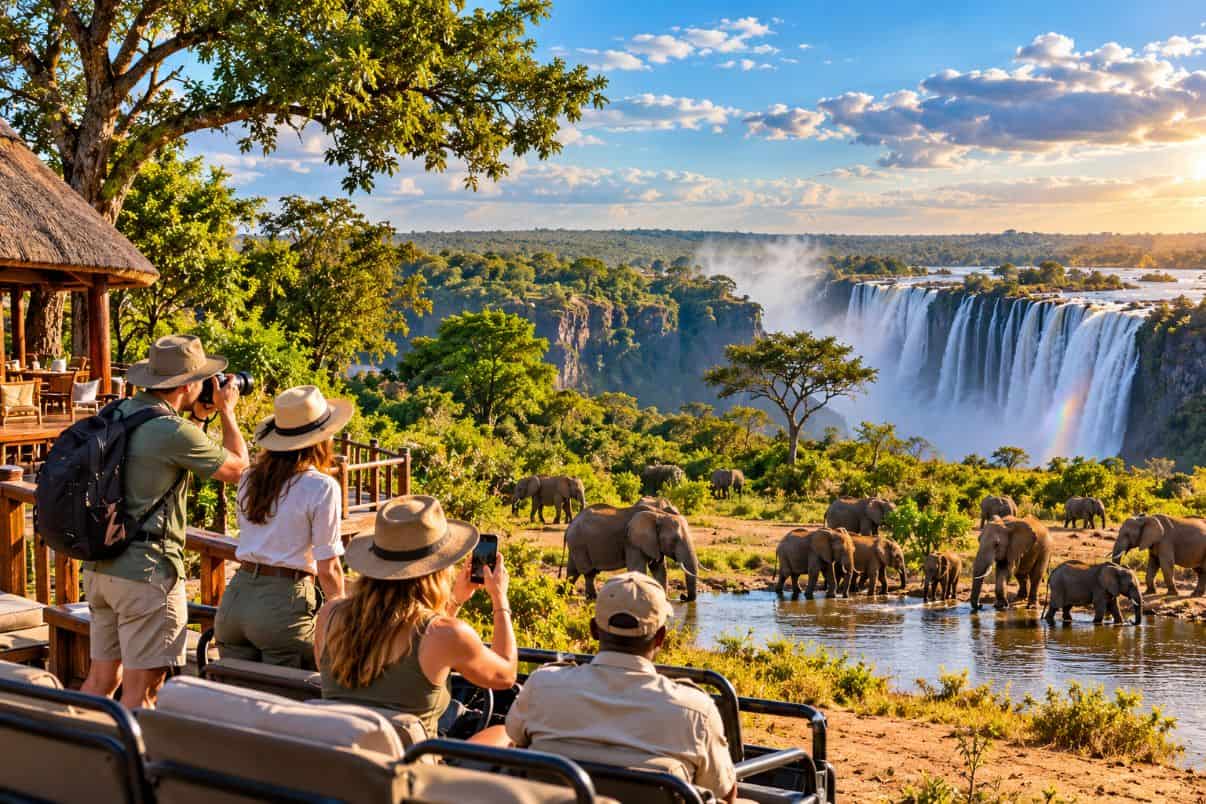
Zimbabwe’s Hwange National Park region is attracting attention for a community-focused safari model that connects wildlife tourism with local education, employment and conservation. A recent Adventure Life feature examines how Imvelo Safari Lodges and Camelthorn Lodge work alongside neighbouring communities to support schools, water infrastructure and professional opportunities. The approach reflects growing interest in travel experiences that benefit residents rather than concentrating revenue solely within tourism businesses. Zimbabwe’s established CAMPFIRE conservation framework provides wider context for community participation in wildlife management. For visitors, the story highlights how safari holidays can combine memorable animal encounters with a deeper understanding of rural livelihoods.
Zimbabwe’s Hwange Safari Tourism Highlights a Transformative Community Development Model
Zimbabwe’s community-based tourism initiatives are drawing attention for connecting safari experiences with development projects in rural areas.
Adventure Life’s feature examines tourism operations near Hwange National Park, where neighbouring communities participate in selected hospitality and conservation activities.
The report identifies Imvelo Safari Lodges as an operator supporting employment, education and infrastructure initiatives.
These activities reportedly include school feeding, classroom development, water access and healthcare support.
The model aims to create economic opportunities beyond conventional wildlife viewing.
However, the reported projects represent examples associated with particular tourism operators rather than a nationwide programme covering every safari destination.
The financial scale and distribution of individual benefits have not been independently audited in the available reporting.
Camelthorn Lodge Demonstrates How Local Communities Can Shape Safari Development
Camelthorn Lodge, situated on communal land near Hwange National Park, provides an example of community involvement in tourism infrastructure.
According to Adventure Life, local representatives influenced the property’s design by favouring permanent brick-and-thatch accommodation over temporary canvas structures.
The decision illustrates how communities can participate in development choices affecting their land.
The lodge also reportedly provides employment opportunities for residents, including positions in guiding and management.
Such involvement can help create professional opportunities beyond entry-level hospitality work.
For visitors, the arrangement offers an opportunity to understand relationships between safari businesses and neighbouring settlements.
However, meaningful community participation requires continuing consultation, transparent agreements and fair distribution of economic benefits.
Zimbabwe Community Tourism Supports Education, Healthcare and Rural Livelihoods
Education and community infrastructure are prominent elements of the Hwange tourism model described by Adventure Life.
The operator reports supporting school meals, classroom development and other educational initiatives.
Its account describes local residents preparing meals for pupils during the school day.
The projects also include support for a developing secondary school, where additional facilities are reportedly being established.
Water infrastructure and healthcare assistance form part of the wider community-development approach.
These initiatives could help address challenges faced by remote settlements, including limited access to essential services.
However, the original feature does not provide independently audited expenditure figures.
The long-term effectiveness of these programmes depends on consistent funding and meaningful community oversight.
Zimbabwe’s CAMPFIRE Conservation Programme Connects Wildlife Protection with Local Benefits
Zimbabwe has an established history of community-based wildlife management through the Communal Areas Management Programme for Indigenous Resources, known as CAMPFIRE.
Introduced in 1989, the programme seeks to connect conservation with economic opportunities for communities living alongside wildlife.
The CAMPFIRE Association reports activities across 58 districts and estimates that approximately 2.4 million people are affected directly or indirectly.
These figures represent the association’s programme estimates rather than verified counts of tourism beneficiaries.
Zimbabwe Parks and Wildlife Management Authority also recognises community conservancies as an approach to supporting livelihoods and natural resource management.
The framework demonstrates the potential of community conservation while highlighting the importance of accountability, effective governance and transparent benefit-sharing arrangements.
Hwange National Park Offers Extraordinary Wildlife Experiences for International Travellers
Hwange National Park remains one of Zimbabwe’s most recognised safari destinations.
Its wildlife includes elephants, lions, other predators, antelope and numerous bird species.
Visitors can explore the protected area through authorised game drives, guided excursions and accommodation-based safari experiences.
The drier months, generally from May to October, are particularly attractive for wildlife observation because animals often gather around available water sources.
The wetter season brings greener landscapes and opportunities for birdwatching, although road conditions and animal visibility can vary.
Wildlife encounters are never guaranteed.
Travellers should follow park regulations, maintain safe distances from animals and use qualified guides when undertaking activities requiring professional supervision.
Victoria Falls Provides an Important Gateway to Zimbabwe’s Safari Destinations
Victoria Falls is an established international gateway for travellers exploring western Zimbabwe.
Victoria Falls International Airport offers regional and international aviation connections, subject to airline schedules.
Visitors can combine a trip to the famous waterfall with organised safari excursions to Hwange National Park.
However, transfer arrangements vary considerably depending on the location of the selected lodge or camp.
Some properties require longer road journeys or specialised transport.
Travellers should confirm transfer times, park entry arrangements and accommodation services before departure.
Zimbabwe’s visa requirements also depend on nationality.
Official immigration information should be checked before booking, particularly when combining Zimbabwe with neighbouring destinations.
Responsible Wildlife Tourism Requires Respect for Local Communities and Cultural Traditions
Community tourism should provide residents with meaningful participation rather than presenting everyday life as a visitor attraction.
Adventure Life’s account emphasises the value of observing genuine community activities without staging performances for tourists.
Visitors should obtain permission before photographing residents, particularly children.
Schools, healthcare facilities and private homes should not be treated as unrestricted sightseeing locations.
Responsible operators should explain how community visits are arranged and whether residents have agreed to participate.
Travellers can also ask how payments are distributed and whether local businesses receive direct benefits.
These practices can help protect dignity, privacy and community decision-making while supporting more respectful tourism experiences.
Human–Wildlife Conflict Remains a Critical Challenge for Zimbabwe’s Conservation Future
Wildlife conservation can create serious challenges for communities living near protected areas.
Elephants may damage crops and infrastructure, while encounters with large animals can threaten residents’ safety.
A scientific study published in 2025 examined human–wildlife conflict in Zimbabwe between 2016 and 2022.
It found that crocodiles and elephants accounted for more than 80 per cent of recorded fatalities involving the six large animal species examined.
The research identified concerns in districts including Hwange, Kariba and Binga.
These findings demonstrate why successful conservation must address community safety and livelihoods alongside wildlife protection.
Tourism revenue alone cannot resolve every conflict without effective management and local participation.
Zimbabwe Safari Travel Planning Requires Reliable Operators and Clear Conservation Standards
Travellers interested in responsible safari holidays should examine how operators support communities and protect wildlife.
Accommodation providers describing themselves as community-focused should be able to explain their employment practices, partnerships and conservation activities.
Visitors should also confirm park fees, transport arrangements, guiding services and accommodation conditions.
Health preparation is important, particularly when visiting areas where malaria prevention may be recommended.
Travellers should seek professional medical advice about vaccinations and other precautions before departure.
Zimbabwe Parks and Wildlife Management Authority provides information about protected areas and conservation requirements.
The official Zimbabwe e-Visa service can help eligible visitors review entry procedures.
Conclusion: Zimbabwe’s Community Tourism Offers a More Meaningful Future for African Safaris
Zimbabwe’s Hwange region demonstrates how wildlife tourism can extend beyond remarkable safari encounters to support communities living alongside protected landscapes. The initiatives described by Adventure Life connect accommodation, guiding and conservation with education, employment and essential infrastructure. Zimbabwe’s wider CAMPFIRE framework reinforces the importance of local participation in natural resource management. However, successful community tourism requires transparent finances, effective governance and continuing respect for residents. For travellers, choosing responsible safari operators can support a more thoughtful approach to exploring Africa’s wildlife destinations. The greatest opportunity lies in protecting natural heritage while ensuring neighbouring communities share fairly in tourism’s benefits.
The post Zimbabwe Community Tourism Travel Gains Powerful Momentum as Hwange Safaris Support Local Families appeared first on Travel and Tour World




































































