










Why homemade prime rib can be 'even better' than at a steakhouse, experts say
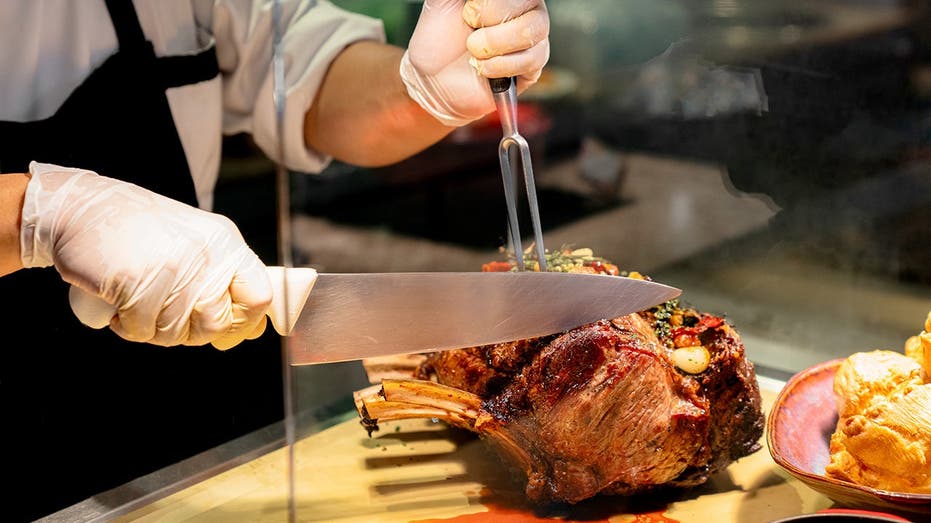

Experts say home cooks can master prime rib with the right meat quality, seasoning techniques, and cooking methods to rival restaurant results.
As more Americans look to increase their protein intake, picking up a prime rib roast at the grocery store may seem like an appealing option.
The varying sizes of this cut of meat make it notoriously tricky to cook, however. Some experts, though, say home chefs can master the process and produce great prime rib.
"There is absolutely no reason prime rib cooked at home can't be as good, even better, than anything you can get at a restaurant," Chicago-based chef "Meathead" Goldwyn, author of "Meathead: The Science of Great Barbecue and Grilling" and a member of the Barbecue Hall of Fame, told Fox News Digital.
MEAT-ONLY DIET FOLLOWERS CLAIM DISEASE REVERSAL AS EXPERT SAYS AMERICANS ARE 'THE SICKEST'
Professionally prepared prime rib tastes better than homemade for many reasons, according to Tasting Table.
Restaurants typically have more access to higher-end equipment and higher-quality meat, Tasting Table reported.
But Jess Pryles, the Texas-based creator of the Hardcore Carnivore line of meat seasonings and tools and a judge on Food Network's forthcoming series, "Pitmasters," told Fox News Digital that USDA Prime cuts are "readily accessible to the public."
A 2025 Beef Magazine article reported that the availability of higher-grade meats has increased. USDA Prime, the top grade of beef, which shows "an abundance of marbling — the amount of fat interspersed in the lean meat," is up from 3 to 4% in the early 2000s to 10 to 12% in recent years.
CLICK HERE TO SIGN UP FOR OUR LIFESTYLE NEWSLETTER
"It all starts with the quality of the meat," Goldwyn said, adding that top-quality beef can be found at the grocery store.
"Most [grocers] don't stock top-quality prime rib because it is expensive, and it doesn't sell rapidly," he added. "But most [grocery stores] can special order anything you want and have it in for you in a few days. You can also order top-quality [beef] online from many suppliers."
Restaurants also often cook a whole roast and serve it in slices, whereas a home cook is more likely to opt for buying less-expensive individual steaks, which are technically rib-eyes, not prime rib, Tasting Table reported.
Restaurants also usually use more seasonings, dry-aging and prep time than the average home cook, Tasting Table reported.
"If you submerge your beef in a wet brine, you're making corned beef," Pryles countered. "And your meat is going to turn pale and unappealing in shade."
CLICK HERE FOR MORE LIFESTYLE STORIES
Once someone chooses a superior cut of meat, everything that comes after is "a matter of technique," Goldwyn said.
"We are specialists in barbecue and grilling, but the methods we recommend work perfectly in indoor ovens," Goldwyn said. "Grills are just outdoor ovens with lousy thermostats."
Pryles' advice for nailing prime rib at home includes buying the best quality meat you can afford and seasoning it well in advance.
"Season it well in advance, ideally the day before, and let it sit uncovered in the fridge so the surface dries out," she said. "That helps you get better browning."
TEST YOURSELF WITH OUR LATEST LIFESTYLE QUIZ
She also recommends cooking the roast on a rack, "so the airflow can surround the entire piece."
"Start things at a lower temp for more even doneness edge to edge, then [finish with] a hot blast at the end if you want to build a crust," she said.
"And, most importantly, pull it before it hits your final temperature, because carryover cooking is real, especially on a large roast. A thermometer is your best friend."
The post Why homemade prime rib can be 'even better' than at a steakhouse, experts say appeared first on FOX News Media