










Mexico, Aligns Guatemala and Peru Face Rising Measles Risk as World Cup Travel Raises Cross-Border Concerns
-
Travel, Health
-
-
3 mins
-
Travel and Tour World
-
Hrittik Shaw
-


Measles cases surge across the Americas as low vaccination rates and World Cup travel increase cross-border transmission risks for travelers.
For travelers heading to Mexico, Guatemala or Peru, the health landscape across the Americas has become more important to watch after measles cases reached their highest level in more than two decades. The Pan American Health Organization (PAHO) reported 52,676 confirmed measles cases across 17 countries and territories through September 5, 2026, a 3.8-fold increase from the same period last year.
Measles Cases Reach a 22-Year High
The latest PAHO figures show how quickly the outbreak has expanded across the region. Guatemala recorded 33,334 confirmed cases, followed by Mexico with 12,848, the United States with 3,134, Peru with 1,997 and Canada with 1,119.
Together, these five destinations represented 99.5% of confirmed measles cases reported in the Americas through early September. PAHO also recorded 61 deaths, including 41 in Guatemala and 19 in Mexico.
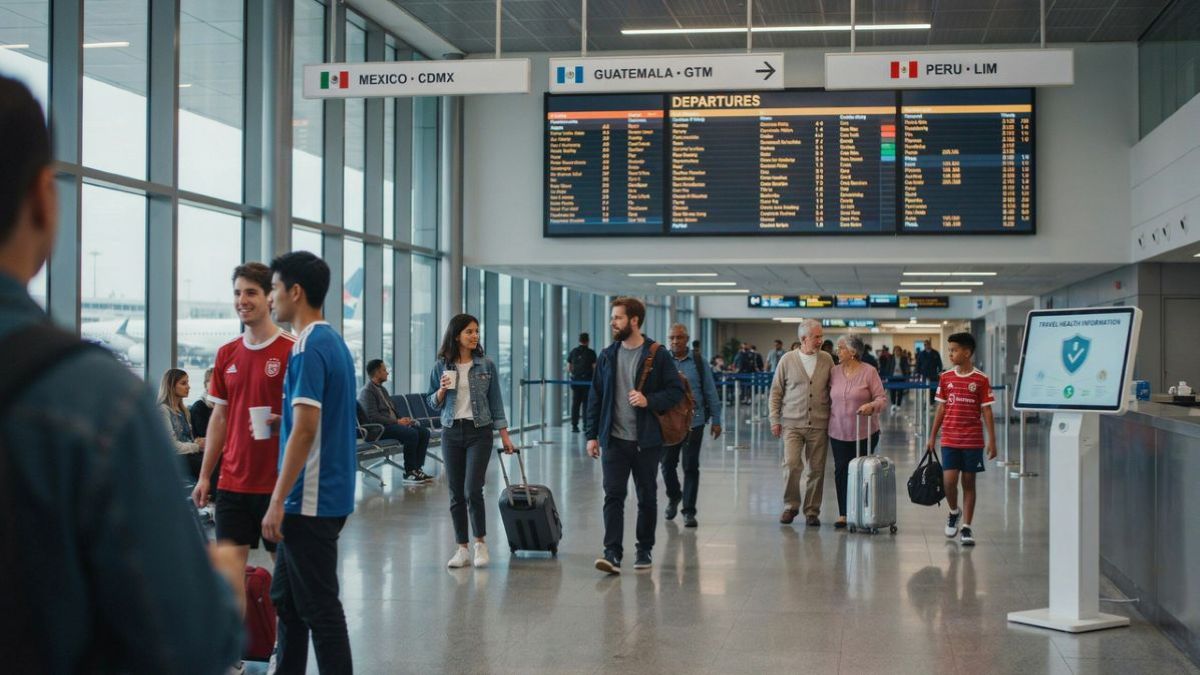
The numbers are particularly significant for tourism because several of the countries experiencing substantial transmission are major international travel destinations with extensive air connections and large visitor flows.
World Cup Travel Added Another Layer of Mobility
The 2026 FIFA World Cup brought an exceptional amount of international movement across Canada, Mexico and the United States. Before the tournament began, PAHO warned that the combination of ongoing measles transmission and increased international travel could create favorable conditions for the virus to spread during the event.
The health organization specifically called for stronger surveillance around mass gatherings and urged authorities to provide vaccination services and health information to travelers.
The connection does not mean the World Cup caused the outbreak. Measles transmission was already widespread before the tournament. Instead, the tournament created an enormous network of movement between countries, cities and crowded public spaces at a time when immunity gaps were already allowing the virus to circulate.
Crowded Travel Spaces Raise Exposure Opportunities
For tourists, the concern extends well beyond football stadiums.
Airports, aircraft, hotels, public transportation, fan zones, restaurants and other crowded venues can bring large numbers of people from different countries into close contact. PAHO’s World Cup travel guidance specifically highlighted the importance of vaccination because of the increased exposure potential in crowded settings.
The highly contagious nature of measles makes these environments particularly relevant. The US Centers for Disease Control and Prevention (CDC) says that up to nine out of 10 people who are not protected can become infected after close contact with someone who has measles.
That means an international traveler can potentially become infected during a journey and carry the virus onward to another destination.
Low Vaccination Coverage Remains the Bigger Concern
While international travel can help move measles between communities, PAHO identifies inadequate vaccination coverage and accumulated immunity gaps as major drivers of the current situation.
PAHO has emphasized that countries need to maintain at least 95% coverage with two doses of a measles-containing vaccine to interrupt transmission and protect populations. The organization continues to classify the regional public-health risk from measles as very high.
The latest outbreak figures therefore highlight a broader issue for the travel industry: increased mobility becomes more difficult to manage when travelers are moving between populations with different levels of immunity.
What Travelers Should Check Before a Trip
Health authorities are encouraging travelers to check their vaccination status before international journeys.
PAHO recommended that travelers aged six months and older who cannot provide evidence of vaccination or immunity receive a measles-rubella vaccine dose, preferably at least two weeks before traveling to areas where transmission has been documented.
The CDC similarly recommends that international travelers who are not fully vaccinated receive the MMR vaccine before departure. Two doses provide about 97% protection against measles, according to the agency.
Travelers should also be aware of symptoms such as fever, cough, runny nose, red or watery eyes and a developing rash.
Travelers Should Monitor Their Health After Returning
The precautions do not necessarily end when a holiday does.
The CDC advises international travelers to monitor their health for three weeks after returning home. Anyone developing fever and a rash should contact a healthcare provider and explain where they recently traveled.
PAHO has also advised travelers who develop symptoms consistent with measles to seek medical attention, avoid close contact with others and inform healthcare professionals about their recent travel history.
A Travel Health Issue, Not a Blanket Tourism Warning
The current situation does not translate into a blanket warning against visiting the Americas. Instead, it places greater emphasis on preparation.
For travelers planning holidays, business trips or future visits to destinations across Latin America, the message from regional and US health authorities is straightforward: check vaccination protection, understand the health situation at the destination and take symptoms seriously.
As people continue crossing borders for tourism and other reasons, the measles resurgence shows how quickly a health issue in one destination can become relevant to travelers far beyond the original outbreak. For visitors, a vaccination check before departure may be one of the simplest steps toward making an international trip safer for themselves and the communities they visit.
The post Mexico, Aligns Guatemala and Peru Face Rising Measles Risk as World Cup Travel Raises Cross-Border Concerns appeared first on Travel and Tour World