
















Munich and More Gets Costlier as Germany’s Travel Inflation Reshapes Holiday Budgets
-
Travel, Food, Weather
-
-
9 mins
-
Travel and Tour World
-
Shreya Saha
-

As Germany travel inflation reaches 3.3%, surging hotel, transit, and dining costs squeeze visitor budgets.
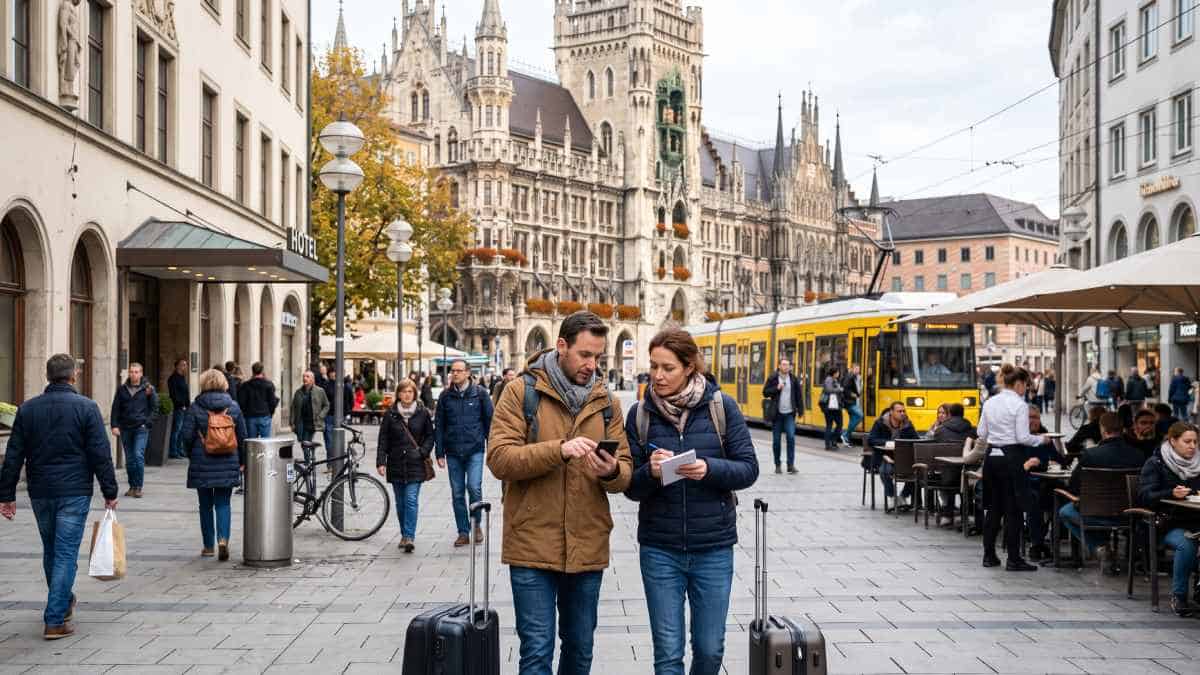
Alarm has been raised in the tourist industry of Europe because of new government data which shows that there has been an unanticipated surge in the headline consumer prices due to a significant increase in tourism inflation in Germany. Increased energy prices for businesses, increased restaurant prices, and increased costs of transport in the region have been a problem both for tourists and business travelers. Budget plans need to be revised immediately, whether in high-priced hotels in Bavaria or in railway fares throughout the country. With approaching winter expenses, financial implications need to be analyzed by the tourists visiting Germany.
The Macroeconomic Context: Destatis Confirms Accelerating Price Pressures
It was reported by the Federal Statistical Office (Destatis) that a marked upward shift had been recorded in the national consumer price index for September, accelerating from earlier summer levels. The steepest monthly expansion of the calendar year was observed in month-on-month consumer figures. Concurrently, an identical inflation rate alongside a monthly advance was confirmed by the Harmonised Index of Consumer Prices (HICP), which is calculated specifically to ensure comparability across European Union member states. The highest headline inflation print in the Federal Republic since late 2023 was marked by this release, arresting the gradual disinflationary trend observed throughout earlier quarters and introducing new fiscal challenges for the hospitality sector.
Energy Commodities and Operational Pressures
It was revealed through a detailed examination of the underlying indices that the September surge was primarily driven by energy commodities. While core inflation remained comparatively anchored, considerable escalation was recorded in the consolidated energy basket compared to the previous year. The sharpest upward momentum in energy commodity costs recorded in Germany since early 2023 was documented. Substantial annual surges were registered in light heating oil and motor fuels, with noteworthy monthly advances recorded in automotive fuel prices, standard diesel, and supergrade petrol.
The broader service economy was permeated by these shifting energy dynamics. Marked expansions were noted in the transport division as well as in restaurant and accommodation services. Although subdued headline numbers were registered for overall food, double-digit annual increases were documented in specific culinary staples essential to commercial catering, such as eggs and fresh vegetables. Consequently, cumulative operational pressures have been absorbed by the service sector, prompting commercial suppliers to adjust final consumer tariffs across prominent tourist hubs.
Ground Transport Pressures: Rail Fare Hikes and Motorway Fuel Premiums
Immediate friction is encountered by visitors seeking affordable domestic mobility across Germany. Historically, nationwide flat-rate transit schemes were relied upon by international travellers and long-stay visitors to traverse regional federal states. However, following structural deficit renegotiations between the federal government and state transport ministers, an upward revision was applied to the Deutschlandticket monthly subscription rate.
Public Transit Tariffs and Motorway Fuel Disparities
The tariff revision was justified by state transport ministries by citing widening operating deficits across regional public transport associations (ÖPNV). Compounding labour outlays following collective wage agreements, alongside elevated electricity traction and fleet maintenance overheads, were confronted by these entities. It was confirmed by transport authorities that the revised benchmark acts as a prelude to an automated indexation formula tied to sector wage trends and energy expenditures.
Demonstrable value is retained by the pass for inbound visitors staying for multiple weeks when contrasted with point-to-point regional tickets. Nevertheless, the economic break-even point has been shifted for short-term stays. The upfront commitment must be carefully weighed against regional day passes (Ländertickets) or municipal transit day tickets by travellers planning shorter stays.
Elevated refuelling costs are concurrently encountered on the national motorway network (Autobahn). Persistent pricing disparities between motorway service concessions and municipal fuel stations were illustrated in comprehensive data released by the Federal Cartel Office (Bundeskartellamt) and its Fuel Market Transparency Unit. Surcharges are routinely applied by motorway service concessions (Autobahn-Raststätten) relative to off-highway facilities situated beyond motorway junctions. Statutory energy taxes, standard value-added tax, and national emission pricing corridors remain embedded in final retail pump rates.
The Hospitality Squeeze: Accommodation Surcharges and Gastronomy Realities
Narrowing operational margins continue to be grappled with by the national accommodation sector despite steady visitor flows. It was indicated in surveys conducted by the German Hotel and Restaurant Association (DEHOGA) that elevated payroll outlays have been registered alongside statutory wage shifts. Concurrently, substantial year-on-year expansions in commercial utility expenditures—including heating, power, and linen processing—have been absorbed across lodging properties.
Dynamic pricing strategies and structural surcharge models have been introduced by hoteliers in response. While rates are calibrated using software by international hotel chains, published base tariffs are elevated or indirect facility fees are itemised by independent and family-owned properties. Amenities that were previously included—such as wellness centre admissions, luggage handling, or linen laundering—are now frequently itemised on visitor folios.
Dining costs have also been altered in the gastronomy sector following the reinstatement of the standard value-added tax rate on food consumed on-premises, combined with elevated wholesale logistics and preparation expenses. Substantial spending is required for standard casual lunches in urban centres, two-course evening meals at urban bistros or traditional Gasthäuser, and mid-range dinners accompanied by wine. Operators navigating rising commercial overheads have found menu price reductions to be unviable.
Geographic Cost Disparities: High-Inflation Metropolises Versus Resilient Value Centres
Substantial variation is exhibited across individual federal states and metropolitan areas regarding travel expenditures. Notable price rigidity is displayed by major economic engines, exhibition hubs, and premier tourism centres. Conversely, considerable cost resilience is maintained across secondary cities and mid-sized regional centres located in central and eastern Germany.
| Destination City | Federal State | Typical Daily Budget (Single) | Average Mid-Tier Hotel (Night) | Prevailing Cost Drivers and Inflation Characteristics |
| Munich | Bavaria | Elevated | Premium | Lodging rates elevated; culinary markups applied; state museum admission revisions. |
| Frankfurt am Main | Hesse | Elevated | Premium | Corporate lodging pass-through; high commercial utilities; private transit markups. |
| Berlin | Berlin | Moderate to Elevated | Moderate to Elevated | Mandatory municipal accommodation tax levied; dining and nightlife tariffs adjusted. |
| Chemnitz | Saxony | Accessible | Accessible | High fiscal resilience; minimal real estate premiums; affordable dining maintained. |
| Leipzig | Saxony | Accessible | Accessible | Accessible dining; integrated transit network; competitive boutique hotel pricing. |
| Magdeburg / Erfurt | Saxony-Anhalt / Thuringia | Accessible | Accessible | Stable operating overheads; modest municipal taxation; traditional dining value preserved. |
High-Inflation Pressure Zones: Munich, Frankfurt, and Berlin
The most demanding expenditure environment for leisure and business travellers is presented by Munich. Central room tariffs are elevated, with further escalations recorded during major trade fairs and autumn festivals. Steep commercial real estate leases and high municipal service tariffs are faced by local operators, which are transferred directly onto guests. Daily budgets are further expanded by restaurant tariffs and revised state museum admission prices.
An expenditure climate heavily driven by corporate business demand, banking institutions, and trade conventions is presented by Frankfurt am Main. Elevated room rates during business windows, higher operating outlays, breakfast surcharges, and premium transit charges are routinely documented.
Travel costs have steadily adjusted upward in Berlin as well. A mandatory accommodation tax (Übernachtungssteuer) is levied by municipal authorities on net room rates across overnight stays. Upward revisions have also been applied by independent bistros and cultural venues due to operating overheads and wage shifts.
Budget-Resilient Alternatives: Chemnitz, Leipzig, Magdeburg, and Erfurt
Significant relief is provided by eastern and central German destinations for budget-conscious travellers. Highly competitive lodging and regional dining costs are maintained in Chemnitz, allowing cultural exploration without metropolitan markups.
Leipzig has been established as an appealing value alternative to Berlin. Competitive boutique lodging, accessible dining, and dense tram networks allow historic music trails, art centres, and architectural landmarks to be navigated without burdensome surcharges.
Stable daily expenditure levels are similarly maintained in Magdeburg and Erfurt. Moderate commercial leases have allowed family-run guesthouses and restaurants to preserve traditional regional pricing. Accessible base locations are provided by these destinations for exploring gothic cathedral architecture and medieval town centres.
On-the-Ground Tourism Dynamics: Visitor Adjustments and Hidden Micro-Fees
Visible modifications in visitor spending behaviour have been observed. Changes in daily expense management were compiled in recent visitor monitoring by the German National Tourist Board (DZT).
| Operational Budget Category | Conventional Visitor Behaviour | Contemporary Inflation-Adjusted Practice | Direct Household Financial Impact |
| Breakfast & Lunch Sourcing | Hotel buffet breakfasts and sit-down midday dining selected. | Bakery counters and supermarket grab-and-go retail utilised. | Daily dining outlays substantially curtailed. |
| Itinerary Geography | Multi-destination routes traversing multiple federal states booked. | Consolidated regional hub-and-spoke itineraries selected. | Rail expenditure and fuel consumption significantly lessened. |
| Ancillary Trip Logistics | Spontaneous ticketing and on-demand luggage storage utilised. | Advance digital combination passes obtained; locker usage minimised. | Incidental micro-fee exposure mitigated. |
| Lodging Selection | Downtown full-service city hotels reserved. | Self-catering apartments and suburban transit nodes booked. | Nightly accommodation expenses moderated. |
Gastronomy Substitution and Hub-and-Spoke Regional Basing
Daily dining patterns are being adapted by travellers seeking to manage trip costs. Rather than paying for comprehensive hotel breakfast buffets, bakery counters (Bäckereien) offering morning beverages and filled bread rolls are regularly chosen. Midday sit-down dining is similarly substituted with retail offerings from supermarket chains.
Compressed travel itineraries are also being adopted in response to transport costs. Multi-city tours traversing several states are streamlined into focused stays centred around a single destination. Long-distance train travel is minimised, and day excursions are carried out using regional transit passes. Frequent luggage transfers and motorway fuel outlays are thereby avoided, while multi-night lodging advantages are secured.
The Micro-Fee Trap
Compounding secondary micro-fees are increasingly encountered across municipal tourism and transit networks. Local budget shortfalls are addressed through municipal levies, such as cultural promotion taxes (Kulturförderabgabe), accommodation taxes (Übernachtungssteuer), and bed taxes (Bettensteuer), which are enforced across several urban destinations and historic resort communities.
Higher fees have also been instituted at railway transit hubs for automated luggage lockers. Supplementary charges have likewise been updated across cultural institutions for multimedia device rentals and special exhibitions, generating unbudgeted outlays when left unmonitored.
Winter Hospitality Horizon: Heating Costs and Capacity Adjustments
Renewed seasonal operating pressures are confronted by Germany’s tourism sector as autumn transitions to winter. Heating outlays must be managed by independent boutique properties, country inns, and alpine resort hotels across southern districts, severely limiting the feasibility of off-season promotional discounts.
Certain operational measures have been implemented by hoteliers to preserve margins without impacting overall occupancy. Weekend minimum-stay policies have been introduced by select alpine establishments, while wellness schedules have been consolidated by restricting heated pool and sauna hours during off-peak periods. Published room rates are firmly maintained in anticipation of high-demand intervals, such as traditional Christmas markets.
Itineraries are simultaneously adjusted by wholesale inbound tour operators. Accommodation block allocations are actively redirected by travel planners toward central and eastern regional centres, where group lodging rates and attraction tariffs remain stable. Sector resilience continues to be supported at the federal level by the Federal Ministry for Economic Affairs and Climate Action (BMWK) through the National Tourism Strategy, whereby regional destination marketing is promoted abroad to achieve balanced visitor spending nationwide.
Strategic Framework for Industry Stakeholders and Travellers
Coordinated action is demanded across destination management organisations, commercial tour operators, and independent travellers to mitigate rising operating costs while safeguarding visitor satisfaction.
| Stakeholder Category | Core Strategic Objective | Practical Action Plan | Projected Operational Outcome |
| Destination Management Organisations (DMOs) | Dispersal of inbound tourism flows. | Secondary destinations and regional transit options promoted. | Regional revenues balanced; high-cost perceptions counteracted. |
| Tour Operators & Travel Planners | Margin protection and price stability. | Group routes redirected eastward; wholesale entrance bookings secured early. | Contracted pricing locked in; tour package margins safeguarded. |
| Independent International Travellers | Out-of-pocket expenditure control. | Regional transit passes, self-catering options, and pre-booked city cards combined. | Overall daily expenditures curtailed relative to walk-up rates. |
Promotion should be focused by destination management organisations on secondary and tertiary locations, such as Leipzig, Chemnitz, Erfurt, and adjacent nature preserves. Awareness of public transport passes should be expanded through overseas digital booking platforms, and bundled regional visitor passes should be introduced in collaboration with local providers.
Group lodging and dining contracts should be finalised early by commercial tour planners to hedge against prospective wage and utility adjustments. Contingency buffers should be incorporated into client expenditure plans, and portfolios should be diversified by featuring central and eastern cultural itineraries.
Transportation requirements should be evaluated by independent travellers before departure to determine whether nationwide subscriptions or regional rail passes provide superior value. Refuelling directly along motorway routes should be avoided by drivers in favour of municipal stations situated near highway exits. Advance reservations for city cards and museum admissions should be secured online, and local accommodation levies should be audited beforehand.
Conclusion
Travel operations within Germany have structurally transformed on account of travel inflation. Although cities require quite an investment, the best value still prevails in strong eastern cities. It is possible to control costs and preserve the richness of your holiday through proper preparation and geographical distribution.
The post Munich and More Gets Costlier as Germany’s Travel Inflation Reshapes Holiday Budgets appeared first on Travel and Tour World














































































