
















Arizona Aligns with California and More US States See Tourists Vanish from National Parks Because of Additional One Hundred USD Visitor Fees, While South Dakota, Hawaii and Others are Not
-
Travel, Food, Weather, Religion
-
-
17 mins
-
Travel and Tour World
-
Tuhin Sarkar
-


Arizona aligns with California and more US states as national park tourism faces pressure from additional one hundred USD visitor fees. Businesses report fewer international tourists, while destinations in South Dakota, Hawaii and other states remain exempt from the surcharge, raising concerns about travel costs and destination competitiveness.
Arizona aligns with California and more US states as national park tourism faces pressure from additional one hundred USD visitor fees. Businesses report fewer international tourists, while destinations in South Dakota, Hawaii and other states remain exempt from the surcharge, raising concerns about travel costs and destination competitiveness.
The United States tourism industry is facing growing concerns as a $100 entrance surcharge for international visitors affects some of the country’s most famous national parks. From Arizona’s Grand Canyon and California’s Yosemite to Wyoming’s Yellowstone and Florida’s Everglades, the higher charges are increasing holiday expenses and raising questions about their potential impact on international tourism, local businesses and travel spending.
Introduced on 1 January 2026, the policy applies to 11 designated National Park Service fee locations, covering 12 individual national parks across the United States. Non-US residents aged 16 and above must pay an additional $100 entrance charge unless they are covered by a qualifying annual pass.
The surcharge is separate from standard park admission fees, which can reach $35 for a private vehicle. For international couples and families, this creates a considerable additional expense, particularly when visiting several national parks during one holiday.
While the federal government maintains that the higher charges will support conservation, maintenance and visitor facilities, tourism operators have warned that the policy could discourage overseas travellers and affect businesses that depend on international visitors.
| State | National park | Standard private vehicle entrance fee | Additional foreign visitor fee |
|---|---|---|---|
| Arizona | Grand Canyon | $35 | $100 per adult |
| California | Yosemite | $35 | $100 per adult |
| California | Sequoia and Kings Canyon | $35 | $100 per adult |
| Utah | Zion | $35 | $100 per adult |
| Utah | Bryce Canyon | $35 | $100 per adult |
| Wyoming | Yellowstone | $35 | $100 per adult |
| Wyoming | Grand Teton | $35 | $100 per adult |
| Montana | Glacier | $35 | $100 per adult |
| Colorado | Rocky Mountain | $35 | $100 per adult |
| Florida | Everglades | $35 | $100 per adult |
| Maine | Acadia | $35 | $100 per adult |
Grand Canyon Tourism Faces Growing Pressure as $100 Foreign Visitor Fee
The Grand Canyon tourism industry is facing growing concerns as local tour operators report fewer international visitors following the introduction of a $100 entrance surcharge for foreign tourists in January 2026. Businesses across Arizona say the additional cost is discouraging overseas travellers, affecting guided tours and placing further pressure on the wider United States tourism sector.
Grand Canyon Businesses Report Declining International Tourism
Tourism businesses operating around Grand Canyon National Park are raising concerns about the impact of higher entrance charges on international visitors. Several operators say demand from overseas markets has weakened considerably since the United States introduced an additional $100 fee for non-resident visitors at some of its most popular national parks.
The policy, which took effect in January 2026, applies to 11 major national parks, including the Grand Canyon. It requires foreign visitors without a qualifying annual pass to pay an additional charge on top of standard admission fees.
Local operators believe the higher costs are making American national parks less attractive to international holidaymakers, particularly families, couples and organised tour groups.
Chris Kelly, co-owner of Grand Canyon Journeys, has reported a substantial reduction in bookings from German-speaking travellers.
His company would normally arrange approximately ten tours annually for this market. However, by October 2026, it had received only one such group booking, with no further reservations scheduled for the remainder of the year.
Kelly believes the additional entrance charge has contributed to the decline, particularly because two international visitors may face a combined surcharge of $200 before paying the standard park admission fee.
New National Park Entrance Fees Increase Travel Costs
The foreign visitor surcharge was introduced following an executive order issued by President Donald Trump in July 2025.
The order directed the United States Department of the Interior to establish higher national park entrance fees and annual pass prices for non-US residents.
The National Park Service subsequently announced the $100 surcharge in November 2025, with implementation beginning in January 2026.
The additional charge applies to these 11 national parks:
- Grand Canyon National Park
- Yellowstone National Park
- Yosemite National Park
- Zion National Park
- Bryce Canyon National Park
- Rocky Mountain National Park
- Grand Teton National Park
- Glacier National Park
- Acadia National Park
- Everglades National Park
- Sequoia and Kings Canyon National Parks
At the Grand Canyon, standard entrance fees range from $20 for an individual pedestrian to $35 for a private vehicle carrying up to 15 passengers. Standard entrance passes remain valid for seven days.
International visitors can alternatively purchase a $250 annual national parks pass, compared with $80 for US residents. The annual pass covers the passholder and other occupants of an eligible private vehicle.
The administration maintains that higher charges for overseas visitors will generate additional funding for national park maintenance and visitor facilities.
Arizona Tour Operators Challenge the Fee in Federal Court
The new pricing policy has also triggered legal opposition from tourism businesses.
Across Arizona Tours, a company offering guided excursions to the Grand Canyon and other attractions, has filed a federal lawsuit challenging the surcharge.
The company argues that federal agencies exceeded their legal authority by introducing the additional fee without specific congressional approval.
Jacob Haas, an attorney with the Pacific Legal Foundation representing the tour operator, has questioned whether the Department of the Interior possesses the authority to impose such charges independently.
The legal challenge also highlights the potential consequences for small tourism businesses that depend heavily on international customers.
Tour operators argue that higher entrance costs can influence destination choices, particularly when visitors compare American national parks with competing natural attractions worldwide.
The outcome of the lawsuit could have implications for the future administration of national park entrance charges.
National Park Fee Revenue Falls Below Government Expectations
Financial figures have raised further questions about the effectiveness of the surcharge.
In June 2025, the Department of the Interior estimated that the additional foreign visitor charges would generate more than $90 million annually.
However, figures subsequently provided by the department indicated that the policy raised approximately $22.5 million during the first six months of 2026.
Although these figures do not establish the final annual revenue outcome, they suggest collections were running below the level implied by the original projection.
Tourism representatives argue that weaker-than-expected receipts could reflect reduced international demand, although other factors may also influence revenue.
The National Park Service does not separately track international visitor numbers, making it difficult to establish precisely how much of any change in attendance is attributable to the surcharge.
Comprehensive annual park visitation figures are generally released the following March.
International Tourists Reduce Spending on Hotels and Restaurants
The financial impact of higher entrance fees may extend beyond national park ticket sales.
Tour operators report that some international visitors are adjusting their holiday budgets to accommodate the additional expense.
Leon Zhang, who operates Travel with Leon and provides Chinese-language guided tours across Arizona, California and Nevada, says his customers have not cancelled their holidays because of the surcharge.
However, he has observed that travellers sometimes compensate for the extra cost by reducing spending elsewhere.
This can affect restaurants, accommodation providers and other businesses that depend on tourism expenditure.
For destinations surrounding the Grand Canyon, visitor spending supports employment across hospitality, transport, food services and guided tourism.
Industry representatives therefore warn that entrance fee increases could have wider economic consequences if travellers shorten their visits or reduce discretionary spending.
Other major American tourism destinations without this specific $100 surcharge
These well-known destinations are not included in the National Park Service’s list of 11 affected fee units.
| State | Tourism destination | $100 non-resident surcharge |
|---|---|---|
| Arizona | Saguaro National Park | No |
| Utah | Arches National Park | No |
| Utah | Canyonlands National Park | No |
| California | Death Valley National Park | No |
| California | Joshua Tree National Park | No |
| Washington | Mount Rainier National Park | No |
| Washington | Olympic National Park | No |
| Oregon | Crater Lake National Park | No |
| South Dakota | Badlands National Park | No |
| South Dakota | Mount Rushmore National Memorial | No |
| New Mexico | White Sands National Park | No |
| Hawaii | Hawaiʻi Volcanoes National Park | No |
| Tennessee/North Carolina | Great Smoky Mountains National Park | No |
| Alaska | Denali National Park | No |
United States Overseas Arrivals Decline During 2026
The concerns surrounding national park tourism come amid a broader slowdown in international arrivals to the United States.
According to Tourism Economics, overseas arrivals excluding Canada and Mexico declined by 5.8% between January and August 2026 compared with the corresponding period in 2025.
In its September 18 report, the tourism forecasting organisation projected that weaker international travel demand could continue amid concerns surrounding United States policies.
However, the decline in overseas arrivals cannot be attributed solely to national park entrance fees.
International travel decisions are influenced by several factors, including holiday costs, exchange rates, political perceptions and destination competitiveness.
Nevertheless, tourism businesses believe the additional park charges could make an already challenging environment more difficult.
Lisa Simon, chief executive of the International Inbound Travel Association, has highlighted the importance of America’s national parks in attracting international visitors.
She has also criticised the scale and timing of the surcharge, explaining that many international holiday packages for 2026 had already been sold before the policy was implemented.
As a result, some tour operators reportedly had to absorb the unexpected additional expense rather than pass it directly to customers.
Higher Foreign Visitor Charges Reflect Global Tourism Practices
The United States administration has defended the policy by pointing to other international destinations that charge overseas visitors higher admission fees.
Ecuador’s Galápagos National Park charges foreign tourists $200, compared with $30 for Ecuadorian residents.
India’s Taj Mahal also operates different admission rates for domestic and international visitors, while South Africa’s Kruger National Park applies higher conservation fees to overseas tourists.
Such pricing arrangements are commonly designed to balance tourism revenue with domestic access and conservation funding.
However, American tourism businesses argue that the size of the Grand Canyon surcharge, particularly when added to existing entrance charges, creates a significant financial burden for international visitors.
Grand Canyon Tourism Industry Faces Uncertain Outlook
The debate over national park pricing comes at an important time for the United States tourism industry.
International visitors contribute to local economies through accommodation bookings, transport services, restaurants, attractions and organised excursions.
Marco Jahn, chief executive of California-based New World Travel, has suggested that changing perceptions of the United States are encouraging some overseas holidaymakers to consider alternative destinations.
For Grand Canyon businesses, the immediate concern is whether international bookings will recover as the industry prepares for future travel seasons.
The federal legal challenge, government revenue figures and forthcoming park visitation statistics could provide greater clarity about the surcharge’s economic effects.
For now, the $100 foreign visitor fee remains a contentious issue, highlighting the challenge of raising conservation revenue while maintaining the international appeal of America’s national parks.
Arizona – Grand Canyon Tourism Businesses Report Falling International Demand
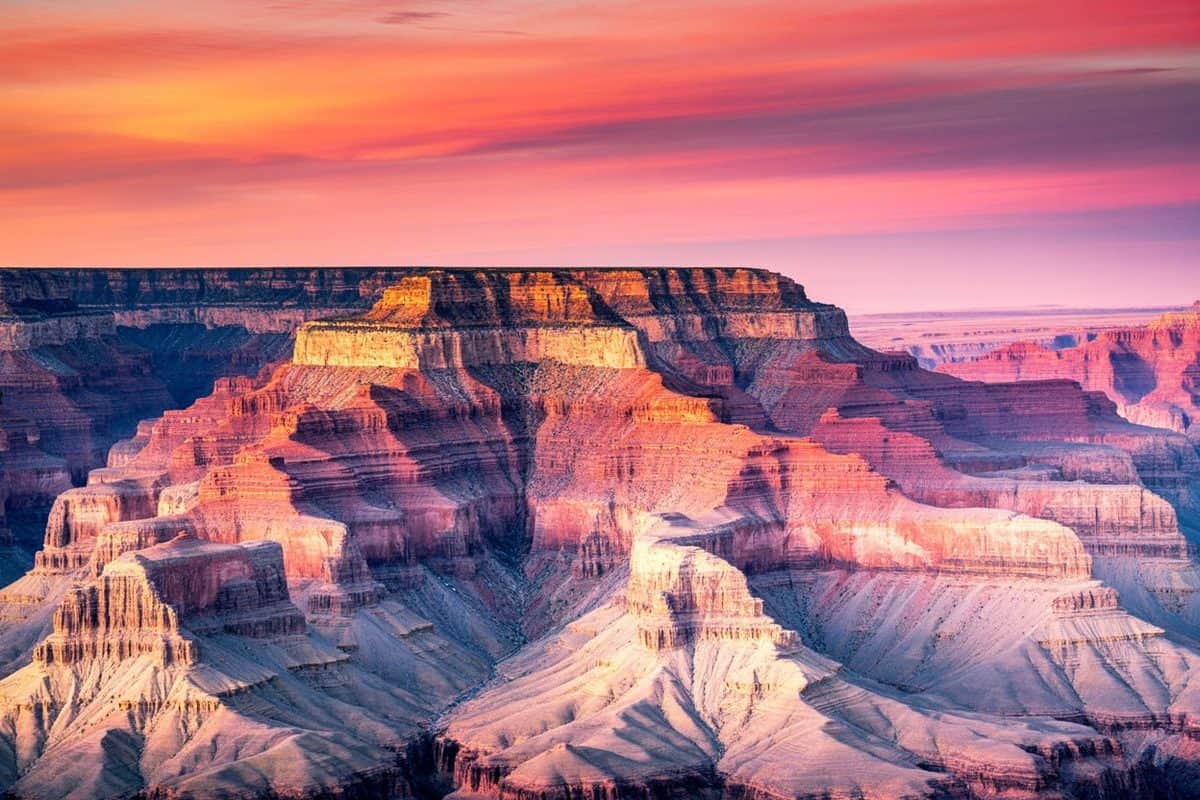
Arizona has emerged as a major centre of concern over the new foreign visitor charges. Grand Canyon National Park, one of America’s most internationally recognised natural attractions, is among the destinations affected.
The park attracts visitors for its spectacular canyon landscapes, scenic drives, hiking trails and guided excursions. Popular attractions include the South Rim, Mather Point, Desert View and Bright Angel Trail.
However, local businesses have reported a decline in international tour bookings.
According to an October 20, 2026, report by Cronkite News, Chris Kelly, co-owner of Grand Canyon Journeys, said his company had received only one German-speaking group booking through October. The business would normally arrange approximately ten such tours annually.
Kelly believes the additional entrance charges have contributed to the reduction in demand.
For two international adults entering the Grand Canyon in a private vehicle, the total admission cost can reach $235, including the standard $35 vehicle fee and two $100 surcharges.
The potential economic consequences extend beyond the park itself. Tourism supports accommodation providers, restaurants, transport companies and guided tour operators across northern Arizona.
Across Arizona Tours has also filed a federal lawsuit challenging the legality of the surcharge, arguing that government agencies lacked congressional authority to introduce it.
Although local operators have reported weaker demand, comprehensive visitor statistics have not yet established how much of the decline is directly attributable to the new charges.
California – Yosemite, Sequoia and Kings Canyon Face Higher International Tourism Costs
California has three national parks affected by the surcharge: Yosemite, Sequoia and Kings Canyon.
Yosemite National Park is particularly important to international tourism because it forms part of popular travel itineraries connecting San Francisco, Los Angeles and the Sierra Nevada.
The park attracts visitors to Yosemite Valley, El Capitan, Half Dome, Yosemite Falls and Glacier Point. Its mountain landscapes, waterfalls and hiking routes appeal to photographers, outdoor enthusiasts and international holidaymakers.
Under the revised fee structure, two non-resident adults entering Yosemite in a private vehicle without a qualifying pass may pay $235.
Further south, Sequoia and Kings Canyon National Parks offer giant sequoia forests, mountain scenery and wilderness experiences.
Popular attractions include the General Sherman Tree, Giant Forest, Moro Rock and Grant Grove.
Although Sequoia and Kings Canyon are separate national parks, they operate under a shared entrance fee arrangement.
For California’s tourism industry, the higher charges create additional considerations for international tour operators, car hire companies, accommodation providers and travel agencies.
Visitors combining several national parks may need to increase their holiday budgets or consider alternative itineraries.
However, there is currently insufficient evidence to conclude that the surcharge has caused a measurable decline in international visitation across California’s affected parks.
Utah – Zion and Bryce Canyon Add New Expenses to Southwest Road Trips
Utah has two national parks included in the foreign visitor surcharge: Zion National Park and Bryce Canyon National Park.
Both destinations are important attractions on American Southwest road trips, particularly itineraries connecting Las Vegas, the Grand Canyon and Utah’s desert landscapes.
Zion National Park is famous for its sandstone cliffs, narrow canyons and hiking routes. Angels Landing, The Narrows, Emerald Pools and Zion Canyon are among its best-known attractions.
Bryce Canyon National Park offers a contrasting landscape of colourful sandstone formations known as hoodoos.
Visitors frequently explore Sunrise Point, Sunset Point, Inspiration Point and the Bryce Amphitheatre.
International travellers visiting both parks without a qualifying annual pass face separate non-resident charges.
For two adults travelling by private vehicle, the combined surcharge can reach $400 before standard entrance fees.
This increase may be particularly relevant to organised coach tours, adventure travel packages and self-drive holidays.
Utah’s tourism economy benefits from accommodation bookings, restaurants, guided activities, transport services and outdoor recreation.
Higher park admission costs could influence how international visitors allocate their holiday spending.
Nevertheless, any direct relationship between the surcharge and changes in Utah’s international tourism performance requires further evidence.
Wyoming – Yellowstone and Grand Teton Tourism Faces New Pricing Challenges
Wyoming is another important state affected by the revised entrance fee structure.
Yellowstone National Park and Grand Teton National Park are both included in the policy.
Yellowstone extends into Montana and Idaho, although most of the park lies within Wyoming.
It is internationally recognised for geothermal attractions, wildlife habitats and extensive wilderness landscapes.
Old Faithful, Grand Prismatic Spring, Mammoth Hot Springs and the Grand Canyon of the Yellowstone attract travellers from around the world.
Grand Teton National Park, located further south, is known for its alpine scenery, mountain lakes and outdoor recreation.
Jenny Lake, Jackson Lake, Mormon Row and the Teton Range are among its principal attractions.
The two parks are frequently combined into one holiday itinerary, especially by international visitors exploring the American West.
Without a qualifying annual pass, travellers may face separate $100 surcharges at each park.
For Wyoming’s tourism economy, the potential implications extend to accommodation providers, wildlife guides, restaurants, transport operators and businesses serving gateway communities such as Jackson.
International travel companies may also need to adjust package prices to reflect the additional admission costs.
However, verified data are still needed to determine whether the surcharge has directly reduced international visitor numbers in Wyoming.
Montana – Glacier National Park Faces Higher Costs for International Nature Tourism
Montana’s Glacier National Park is another major destination affected by the $100 non-resident entrance charge.
The park is internationally recognised for its mountain landscapes, glacial valleys, alpine lakes and extensive hiking opportunities.
Going-to-the-Sun Road, Lake McDonald, Logan Pass and Many Glacier are among its leading attractions.
Glacier attracts visitors interested in wildlife observation, photography, scenic driving and wilderness experiences.
The park also supports tourism businesses in surrounding communities, including West Glacier, Whitefish and Columbia Falls.
Hotels, restaurants, transport operators and outdoor recreation companies depend on visitors exploring the region.
The additional entrance fee increases the overall cost of visiting Glacier for eligible international travellers.
It may also influence travellers planning combined holidays involving Yellowstone and other destinations in the northern Rocky Mountains.
Seasonal weather, accommodation availability and transport costs already play an important role in travel planning.
The surcharge introduces another expense, although its specific impact on international bookings and local tourism revenue has not yet been established.
Colorado – Rocky Mountain National Park Adds to International Holiday Expenses
Colorado’s Rocky Mountain National Park is also included in the higher foreign visitor fee structure.
Located within reach of Denver, the park is a major destination for hiking, wildlife watching, scenic driving and mountain tourism.
Popular attractions include Bear Lake, Trail Ridge Road, Emerald Lake, Moraine Park and Longs Peak.
The park attracts international travellers exploring Colorado’s mountain landscapes, as well as domestic visitors.
Under the revised fee system, two non-resident adults entering in a private vehicle without an eligible pass may pay $235 in total admission charges.
For visitors planning short excursions from Denver or nearby communities, the additional expense could represent a substantial increase in the cost of a day trip.
The surrounding tourism economy includes accommodation providers in Estes Park and Grand Lake, restaurants, guided tour companies and outdoor recreation businesses.
International travellers may reconsider optional activities or adjust their budgets to accommodate the higher admission charges.
However, changes in Colorado’s visitor economy cannot be attributed directly to the surcharge without supporting statistical evidence.
Florida – Everglades National Park Faces Additional Costs for Overseas Visitors
Florida’s Everglades National Park is the only national park in the state covered by the additional $100 non-resident entrance charge.
The park is internationally recognised for its wetlands, mangrove ecosystems, wildlife and subtropical landscapes.
Popular visitor areas include Shark Valley, Flamingo, the Anhinga Trail and the park’s waterways.
The Everglades is frequently included in South Florida holiday itineraries connecting Miami, the Florida Keys and other regional destinations.
International travellers visiting the national park must now consider the additional surcharge alongside standard admission costs.
This may increase the overall expense of nature-focused excursions, particularly when visitors also book guided activities and transport.
Tourism businesses offering accommodation, wildlife experiences and visitor services could face greater pressure to provide competitively priced packages.
However, not every commercial Everglades attraction is located inside the national park. Privately operated attractions outside its boundaries have separate admission arrangements.
The surcharge’s impact on Florida’s wider international tourism economy remains uncertain.
Maine – Acadia National Park Adds New Costs to New England Tourism
Maine’s Acadia National Park is the northeastern destination affected by the higher international visitor charges.
Located along the Atlantic coast, the park attracts tourists seeking coastal landscapes, mountain views, hiking experiences and autumn scenery.
Cadillac Mountain, Jordan Pond, Sand Beach, Thunder Hole and Park Loop Road are among its principal attractions.
Acadia is particularly relevant to international travellers exploring New England through self-drive holidays and regional touring programmes.
The additional $100 fee increases admission costs for non-resident adults without qualifying passes.
The park supports tourism businesses in Bar Harbor and surrounding communities, including accommodation providers, restaurants, transport companies and sightseeing operators.
International visitors facing higher admission expenses may reconsider their spending on other activities.
However, Acadia’s tourism performance is influenced by several factors, including seasonal demand, accommodation prices, transport accessibility and weather conditions.
There is currently insufficient evidence to establish whether the surcharge has directly reduced international visitor numbers in Maine.
United States National Park Fee Revenue Falls Short of Early Projections
Beyond individual states, the surcharge has raised questions about its overall financial performance.
The Department of the Interior previously projected that higher foreign visitor charges would generate more than $90 million annually.
However, figures reported during 2026 indicated that approximately $22.5 million had been collected during the first six months of the year.
Although the figures represent only part of the year, they have prompted questions about whether the policy will achieve its original revenue expectations.
The National Park Service does not separately track foreign visitor numbers across its parks, making it difficult to establish the precise effect of the surcharge on international attendance.
Meanwhile, Tourism Economics reported that overseas arrivals to the United States, excluding Canada and Mexico, declined by 5.8% between January and August 2026 compared with the corresponding period in 2025.
The broader decline cannot be attributed exclusively to national park entrance fees.
International travel decisions are also influenced by exchange rates, holiday costs, government policies, economic conditions and perceptions of destinations.
Nevertheless, tourism businesses argue that additional admission charges could make American holidays less competitive.
What International Travellers Should Know About the New National Park Fees
The National Park Service confirms that the additional $100 entrance charge applies to non-US residents aged 16 and above at the designated national parks.
Visitors can avoid paying separate surcharges at participating parks by purchasing a qualifying America the Beautiful Non-Resident Annual Pass.
The pass costs $250, compared with $80 for US citizens and residents.
For private vehicles carrying up to 15 passengers, the annual pass generally covers the passholder and accompanying occupants under the applicable admission rules.
Different coverage arrangements apply at locations charging entrance fees per person.
For international travellers planning to visit several national parks, the annual pass may offer substantial savings.
Visitors should also check official reservation requirements, park operating conditions and entrance regulations before finalising their travel plans.
“America’s national parks are among the world’s most extraordinary tourism assets, attracting international travellers through their natural beauty, wildlife, cultural heritage and unforgettable experiences. The introduction of additional visitor fees presents an important opportunity to examine how conservation funding and tourism accessibility can work together.
While Arizona, California, Utah and other affected states face new challenges, destinations in South Dakota, Hawaii and elsewhere demonstrate the diversity of experiences available across the United States. The tourism industry must focus on maintaining international confidence, strengthening visitor experiences and supporting local businesses that depend on travel spending. Sustainable tourism requires a balanced approach that protects natural resources while keeping destinations welcoming and accessible.
With thoughtful policies, transparent communication and stronger collaboration between government agencies and tourism stakeholders, the United States can continue attracting global visitors, supporting regional economies and preserving its remarkable national parks for future generations.”- Anup Kumar Keshan, Founder and Editor-in-Chief, Travel And Tour World.
Conclusion – Higher National Park Fees Create New Challenges for American Tourism
The $100 foreign visitor surcharge has introduced a significant change to the cost of exploring some of America’s most famous natural destinations.
Arizona, California, Utah, Wyoming, Montana, Colorado, Florida and Maine all have tourism economies connected to the affected national parks. Yellowstone also extends into Idaho, although the state does not have a separately designated fee location under the policy.
For tour operators, hotels, restaurants and local communities, the main concern is whether higher entrance charges will discourage international travel or reduce visitor spending.
The federal government maintains that the policy supports national park maintenance and visitor experiences. Tourism businesses, meanwhile, are questioning whether the additional revenue justifies the potential consequences for international demand.
As further visitor statistics and financial results become available, the industry will be better positioned to assess the policy’s economic impact.
For now, the surcharge remains an important consideration for overseas travellers and a significant policy debate for the United States tourism industry.
The additional $100 visitor surcharge presents challenges for American national park tourism, particularly in states dependent on international travellers. While affected destinations face higher admission costs, South Dakota, Hawaii and several others remain outside the policy. Its long-term impact on visitor numbers, local businesses and tourism revenue remains uncertain.
The post Arizona Aligns with California and More US States See Tourists Vanish from National Parks Because of Additional One Hundred USD Visitor Fees, While South Dakota, Hawaii and Others are Not appeared first on Travel and Tour World




































































