










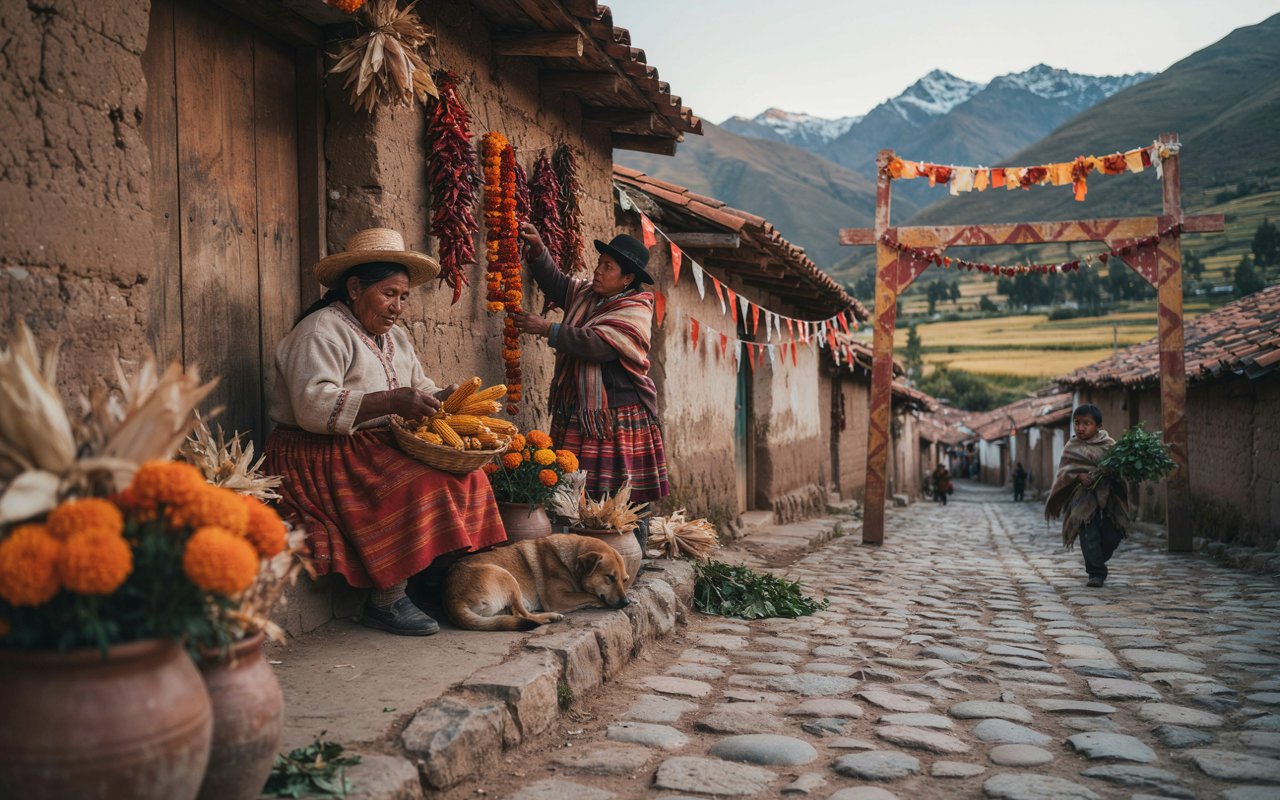
Bolivia Is In Festive Mood as Sampaya and Several Other Villages Have Plans for Fall Campaigns
-
Travel, Health, Food, Culture, Weather
-
-
9 mins
-
Travel and Tour World
-
Anamika Talukder
-

Explore autumn 2026 tourism plans as Sampaya and cultural villages promote unique travel experiences, indigenous heritage, and community tourism in Bolivia.
Bolivia is unstoppable in creating an unforgettable experience among tourists as Sampaya, San Miguel del Bala, and other cultural villages prepare unique autumn 2026 travel experiences as communities across the country showcase heritage, nature, and authentic local lifestyles for global visitors. The growing interest comes as travelers increasingly seek meaningful journeys beyond crowded attractions. Indigenous traditions, scenic landscapes, and community-led activities are creating fresh opportunities for rural destinations. From Lake Titicaca villages to Amazon communities, Bolivia is highlighting immersive experiences that connect visitors with local culture. Autumn 2026 is expected to bring stronger attention to these hidden destinations through carefully planned tourism campaigns and sustainable travel initiatives.
Bolivian Villages Preparing for Tourism Campaigns in Fall 2026: Community, Culture and Nature Experiences
| Village / Community | Region | Tourism Focus for Fall 2026 | Key Experiences for Visitors | Infrastructure & Tourism Readiness | Why It Fits Fall Travel |
|---|---|---|---|---|---|
| Sampaya | La Paz Department, Lake Titicaca region | Aymara heritage village tourism | Traditional stone houses, Aymara culture, walking trails, Lake Titicaca views, local crafts | Community visitor centre, small lodge, restaurant and artisan facilities | Dry season conditions generally provide clearer lake views and comfortable trekking temperatures |
| San Miguel del Bala | Near Rurrenabaque, Beni | Amazon community ecotourism | Jungle walks, birdwatching, wildlife observation, Tacana cultural experiences | Community eco-lodge with cabins, guides, food services and interpretation centre | Fall offers opportunities for Amazon exploration before heavier seasonal rainfall periods |
| Sampaya and Lake Titicaca communities | Copacabana peninsula | Indigenous cultural tourism | Village visits, traditional architecture, Andean landscapes and community interaction | Growing community tourism network | Suitable for cultural travellers seeking authentic Andean experiences |
| Yampupata | Lake Titicaca, La Paz | Lakeside village tourism | Scenic walks, viewpoints, boat connections towards Isla del Sol, local life | Basic visitor services linked with Copacabana routes | Autumn provides favourable conditions for hiking and lake exploration |
| Kusijata | Near Copacabana | Archaeological and cultural tourism | Archaeological museum, Inca heritage sites, traditional landscapes | Connected to Copacabana tourism circuit | Ideal as part of extended Lake Titicaca itineraries |
| Asunción del Quiquibey | Pilón Lajas Biosphere Reserve | Indigenous Amazon tourism | Wildlife, rainforest trails, cultural exchange, river landscapes | Community tourism lodge Mapajo offers accommodation, transport, guiding and meals | Suitable for eco-tourism campaigns focusing on conservation and indigenous culture |
| Santa Ana de Mosetenes | Alto Beni region | Agro-ecotourism | Cocoa production, river journeys, traditional farming experiences | Part of specialised eco-tourism routes | Fall allows visitors to combine nature, agriculture and community activities |
| Muchane | Alto Beni region | River and indigenous tourism | Canoe experiences, rainforest scenery, local community visits | Linked with the Alto Beni–Rurrenabaque tourism route | Appeals to adventure travellers seeking lesser-known destinations |
| Chushuara | Alto Beni region | Community river tourism | Indigenous riverside life, ecological landscapes | Developing community tourism services | Offers remote experiences away from crowded destinations |
| Tupiza | Potosí Department | Adventure and heritage tourism | Red rock valleys, horseback riding, historical routes linked with Butch Cassidy legends | Established tourism operators and accommodation | Spring and fall are among the most comfortable periods for outdoor activities |
| Torotoro villages | Potosí Department | Geological and cultural tourism | Dinosaur footprints, caves, canyon landscapes, local communities | Protected-area tourism services and guides | Cooler autumn temperatures improve hiking conditions |
| Charazani | La Paz Department, Apolobamba region | Kallawaya cultural tourism | Traditional medicine heritage, indigenous knowledge, mountain landscapes | Part of Bolivia’s cultural tourism routes | Fall offers trekking opportunities in the high Andes |
| San José de Chiquitos | Santa Cruz Department | Heritage and Jesuit mission tourism | Historic missions, Chiquitano culture, regional traditions | Visitor services and cultural attractions | Dry season supports road access and outdoor exploration |
| Concepción | Santa Cruz Department | Jesuit mission heritage tourism | Churches, music traditions, Chiquitano heritage and crafts | Established cultural tourism destination | Fall weather supports heritage tours and rural travel |
| San Ignacio de Velasco | Santa Cruz Department | Cultural and nature tourism | Jesuit missions, local traditions, nearby natural areas | Growing tourism infrastructure | Suitable for travellers combining history and regional culture |
| Rurrenabaque communities | Beni / La Paz border | Amazon gateway tourism | Madidi National Park, Pampas wetlands, indigenous territories | Strong tourism network with lodges, guides and operators | One of Bolivia’s strongest nature tourism destinations |
Why are Bolivian villages becoming a focus for fall 2026 tourism campaigns?
Bolivian villages are increasingly becoming central to tourism promotion because they represent a different style of travel built around culture, nature, and community participation. Instead of focusing only on famous attractions, tourism campaigns are highlighting smaller destinations where visitors can experience traditional lifestyles, indigenous heritage, local cuisine, and environmentally responsible activities.
The rise of community tourism is closely connected with global demand for authentic experiences. Many travelers are moving away from crowded attractions and looking for destinations where they can interact directly with local residents. Bolivia’s diverse geography creates strong opportunities for this approach, with villages located across the Andes, Amazon rainforest, valleys, and historic mission regions.
According to Bolivia’s tourism authorities, community-based tourism encourages local participation while helping preserve cultural identity and natural resources. The country’s official tourism platforms highlight rural experiences where visitors can discover indigenous traditions, regional landscapes, and local economic activities through responsible travel models.
Fall 2026 is expected to be an important period for these destinations because September through November generally provides favorable conditions for many regions. Highland areas often experience clearer skies and comfortable daytime temperatures, while Amazon destinations remain attractive for wildlife and nature-based exploration.
Villages such as Sampaya near Lake Titicaca, San Miguel del Bala near Rurrenabaque, and communities around Pilón Lajas Biosphere Reserve represent the type of destinations increasingly featured in Bolivia’s rural tourism development. These locations combine cultural heritage with activities such as hiking, wildlife observation, traditional agriculture, and artisan experiences.
The expansion of village tourism also supports local communities by creating income opportunities through accommodation, guiding services, handicrafts, transportation, and food production. This model allows tourism revenue to reach smaller communities rather than remaining concentrated only in major cities.
Which Bolivian villages are expected to attract travelers during fall 2026?
Several Bolivian villages and rural communities are expected to gain attention among international visitors during the fall 2026 travel season because of their unique cultural and natural attractions.
Sampaya, located near Lake Titicaca in the La Paz region, remains one of the strongest examples of cultural village tourism. The traditional Aymara settlement is known for stone architecture, scenic landscapes, and community-led experiences. Visitors can explore ancient construction styles, learn about local traditions, and enjoy views of one of South America’s most iconic lakes. Information about community experiences around Lake Titicaca is promoted through tourism platforms such as Late Bolivia.
San Miguel del Bala, located near Rurrenabaque, offers a completely different environment. Surrounded by Amazon ecosystems, the community provides visitors with rainforest experiences, wildlife observation opportunities, and cultural activities connected with the Tacana indigenous community. Travelers can stay in community-operated facilities and explore nearby forests with local guides.
The Pilón Lajas Biosphere Reserve area is another important destination for community tourism. Indigenous communities such as Asunción del Quiquibey have developed tourism activities focused on conservation, rainforest education, and cultural exchange. The region offers visitors opportunities to experience biodiversity while learning about indigenous relationships with the environment.
Torotoro communities in Potosí are also gaining attention because of their connection with geological landscapes, caves, dinosaur footprints, and traditional Andean culture. The surrounding national park has become a major adventure destination, and nearby communities provide services that support visitors exploring the region.
Charazani in the Apolobamba area represents another important cultural destination. Known for Kallawaya traditions and ancestral knowledge systems, the village provides opportunities for travelers interested in indigenous medicine, mountain landscapes, and Andean heritage.
In eastern Bolivia, Chiquitano villages including Concepción and San Ignacio de Velasco attract visitors through historic missions, cultural traditions, music, and craftsmanship. These destinations provide a connection between colonial history and indigenous heritage.
Together, these villages demonstrate Bolivia’s ability to offer diverse travel experiences, ranging from high-altitude landscapes to tropical forests.
How are indigenous communities preparing for tourism growth in fall 2026?
Indigenous communities across Bolivia are preparing for tourism growth by developing locally managed experiences that combine cultural preservation with visitor services. Rather than creating mass tourism infrastructure, many communities are focusing on smaller-scale tourism that protects traditions while providing economic benefits.
In Amazon regions, community tourism projects often involve local guides, eco-lodges, wildlife activities, and educational programs. San Miguel del Bala is an example of how communities can manage tourism operations while protecting surrounding ecosystems.
Around Lake Titicaca, communities are preserving traditional architecture, farming practices, crafts, and cultural ceremonies. These experiences allow visitors to understand local lifestyles while supporting residents who maintain these traditions.
Many villages are also improving basic tourism facilities. These improvements include better visitor information, locally operated accommodation, improved guiding services, transportation coordination, and food services featuring regional products.
The focus is not only on attracting more visitors but also on ensuring tourism benefits remain within communities. Local operators are increasingly becoming involved in tourism planning, allowing residents to control how their cultural heritage is presented.
Sustainable tourism is also becoming a major factor. Protected areas such as Pilón Lajas demonstrate how tourism can support conservation efforts. Visitors contribute to local economies while gaining awareness about biodiversity protection and indigenous environmental knowledge.
For fall 2026, these community-driven initiatives could appeal strongly to travelers seeking meaningful experiences rather than traditional sightseeing. The combination of cultural interaction, nature exploration, and responsible tourism makes Bolivia’s villages increasingly relevant in the global travel market.
What experiences can travelers expect from Bolivia’s rural destinations?
Travelers visiting Bolivia’s villages during fall 2026 can expect a wide range of experiences centered around culture, nature, adventure, and local traditions.
In Andean communities, visitors can participate in cultural walks, explore traditional settlements, discover indigenous crafts, and experience mountain landscapes. Villages near Lake Titicaca provide opportunities for photography, hiking, boat journeys, and cultural learning.
Amazon communities offer a completely different type of adventure. Visitors can explore rainforest trails, observe wildlife, travel along rivers, and learn about indigenous knowledge systems. Guided experiences provide insight into the relationship between local communities and tropical ecosystems.
Food tourism is also becoming an important part of village travel. Many rural destinations allow visitors to experience traditional cooking methods and locally produced ingredients. These activities provide another way to understand regional identity.
Craft tourism remains significant across Bolivia. Handmade textiles, traditional artwork, pottery, and locally produced goods represent important cultural expressions while providing income opportunities for artisans.
Adventure activities are another attraction. Torotoro offers hiking, cave exploration, and geological discoveries, while Apolobamba communities provide access to mountain landscapes and trekking routes.
Heritage tourism is particularly important in eastern Bolivia, where mission towns showcase historic churches, music traditions, and cultural festivals. These destinations provide a different perspective on Bolivia’s diverse history.
The appeal of these experiences comes from their connection to local communities. Travelers are not simply observing destinations; they are participating in stories, traditions, and landscapes that have shaped these regions for generations.
What challenges could affect village tourism development in Bolivia during 2026?
Although Bolivia’s village tourism sector has strong potential, several challenges could influence growth during 2026. Remote locations, transportation limitations, seasonal weather conditions, and limited accommodation capacity remain important considerations.
Many rural destinations are located far from major airports and urban centers. Reaching some communities requires long road journeys, river transportation, or local connections. While this creates an authentic travel experience, it can also limit accessibility for some visitors.
Infrastructure development remains another challenge. Some villages have small-scale accommodation and services designed for limited visitor numbers. Expanding tourism requires careful planning to avoid damaging cultural and environmental resources.
Weather conditions may also affect travel plans. Amazon regions can experience changing rainfall patterns, while high-altitude destinations may have colder conditions during certain periods.
However, these challenges also contribute to the uniqueness of village tourism. Many travelers specifically seek destinations that are less developed and more connected to local communities.
Tourism authorities and local organizations continue working to improve visitor services while maintaining cultural and environmental protection. The goal is to create sustainable tourism models rather than rapid expansion.
Can Bolivia’s villages become major destinations for international travelers in fall 2026?
Bolivia’s villages have strong potential to become increasingly important destinations for international travelers during fall 2026 because they offer experiences that align with changing travel preferences.
Modern travelers are showing greater interest in authentic cultural connections, sustainable tourism, and destinations away from overcrowded locations. Bolivia’s rural communities naturally provide these elements through indigenous traditions, biodiversity, historic landscapes, and community participation.
From the Aymara villages surrounding Lake Titicaca to Amazon communities near Rurrenabaque and heritage towns in Santa Cruz, Bolivia offers a wide variety of experiences within one country.
The future growth of these destinations will depend on maintaining balance between tourism development and cultural preservation. Communities must continue playing a central role in decision-making while improving services for visitors.
As fall 2026 approaches, Bolivia’s village tourism landscape is expected to attract travelers searching for deeper connections with places and people. These communities represent a growing movement toward responsible travel where visitors discover not only destinations but also the stories, traditions, and environments that make them unique.
Bolivia’s village tourism growth is driven by rising demand for authentic experiences, cultural discovery, and responsible travel. Sampaya and other communities are preparing to welcome visitors by promoting traditions, nature, and locally managed tourism activities. The answer to this growing trend lies in offering travelers deeper connections with destinations while supporting local economies. With improved awareness, community participation, and unique seasonal experiences, Bolivia’s rural villages could become important highlights during autumn 2026. These tourism campaigns provide a reason for visitors to explore beyond famous landmarks and discover the country’s rich cultural identity through memorable village journeys.
The post Bolivia Is In Festive Mood as Sampaya and Several Other Villages Have Plans for Fall Campaigns appeared first on Travel and Tour World