










Coastal Andhra Pradesh, Rayalaseema, Odisha and More Indian Regions with Regional Rainfall Alerts: Check Your Travel Plan
-
Travel, Food, Weather, Religion
-
-
8 mins
-
Travel and Tour World
-
Tuhin Sarkar
-

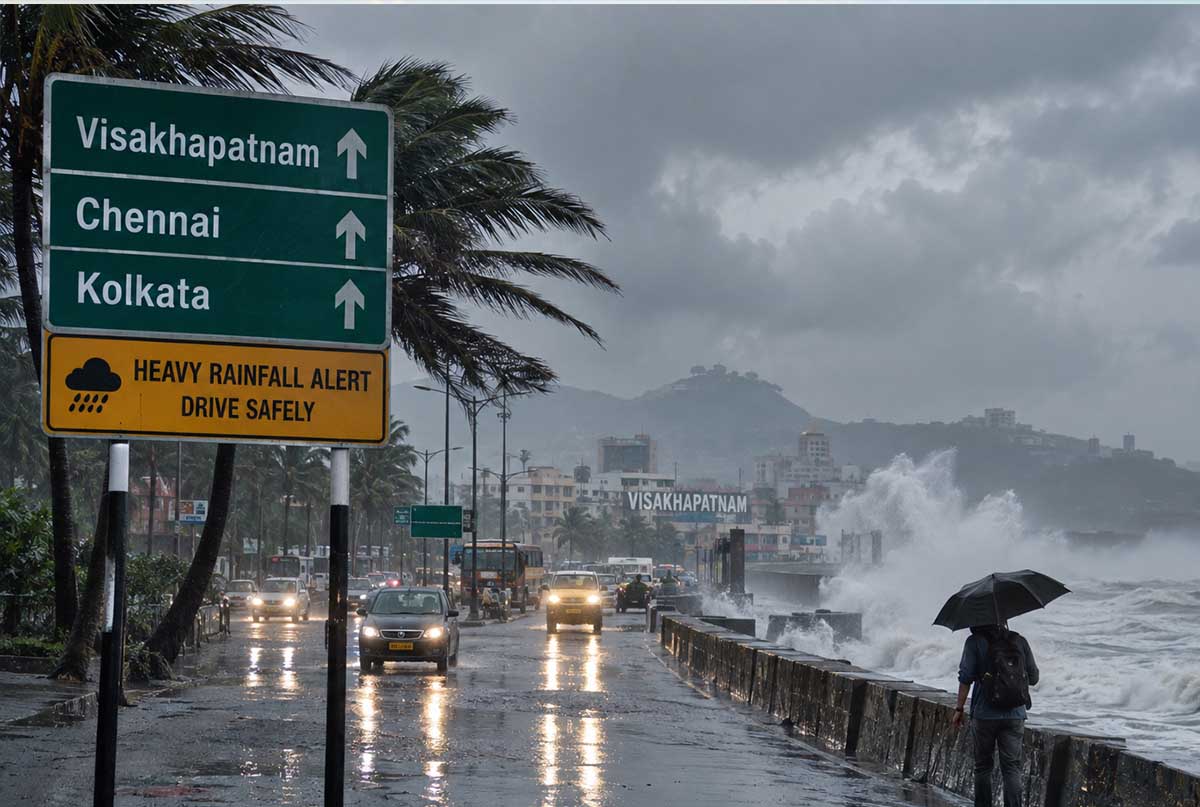
Coastal Andhra Pradesh, Rayalaseema, Odisha and more Indian regions face regional rainfall alerts, while heavy rain and storms could disrupt travel. Check your travel plan before you leave.
Coastal Andhra Pradesh, Rayalaseema, Odisha and more Indian regions face regional rainfall alerts, while heavy rain and storms could disrupt travel. Check your travel plan before you leave.
Coastal Andhra Pradesh and Rayalaseema face fresh regional rainfall alerts, while Odisha and more Indian regions prepare for unsettled weather.
Meanwhile, heavy rain, thunderstorms and strong winds could disrupt travel plans across affected areas. Therefore, travellers should check forecasts before leaving, especially when visiting coastal, mountain or flood-prone destinations. In addition, transport schedules may change as weather conditions intensify.
Airports, railways and roads could face temporary disruption, while beaches and outdoor attractions may become unsafe. However, conditions will vary between regions. Consequently, travellers should follow official warnings and keep itineraries flexible. Check your travel plan carefully before beginning any journey.
India Weather Warning: Regional Rainfall Alerts Put Coastal, Southern and Eastern Travel Plans Under Watch
India is entering a period of heightened weather activity, with a developing Bay of Bengal system expected to influence rainfall across several parts of the country. The latest regional outlook points to heavy and, in some locations, extremely heavy rain, alongside thunderstorms, strong winds and rough seas.
For the travel industry, the implications extend beyond rainfall totals. Airports, highways, railway routes, beach destinations, mountain tourism, ferry services and outdoor attractions can all be affected when intense weather develops. Travellers therefore need to distinguish between broad regional forecasts and local district-level warnings before making or changing plans.
The principal areas requiring attention include Coastal Andhra Pradesh, Rayalaseema, Odisha, South and Sub-Himalayan West Bengal, Coastal Karnataka, Interior Karnataka and Maharashtra. Conditions can change quickly, making official updates particularly important for travellers and tourism businesses.
What Is Driving India’s Latest Weather Activity?
The current weather pattern is associated with a developing low-pressure system over the Bay of Bengal, with the system expected to move towards the Odisha–north Andhra Pradesh coast. As it strengthens and interacts with the surrounding monsoon circulation, rainfall intensity can increase across parts of eastern and southern India.
The resulting weather is not uniform. Some regions are expected to receive heavy rain, while others face thunderstorms, strong surface winds or rough marine conditions. This distinction matters for tourism because a rainfall warning in a coastal district can have very different consequences from one affecting an inland metropolitan area.
Coastal Andhra Pradesh Faces Heavy To Extremely Heavy Rain
Coastal Andhra Pradesh is among the regions requiring the closest monitoring as the Bay of Bengal system approaches the eastern coastline. The forecast period of 22–25 September includes the potential for heavy rainfall that could strengthen into extremely heavy rain, accompanied by thunderstorms and strong winds.
For travellers, the implications could include waterlogging, reduced road visibility and disruption to coastal activities. Beach tourism and marine excursions may be particularly sensitive to worsening sea conditions. Visitors travelling through Visakhapatnam, Kakinada, Vijayawada and other coastal or nearby destinations should monitor local advisories before departure.
Hotels and tour operators may also need to adjust outdoor programmes if thunderstorms become widespread. Strong winds can create additional hazards around exposed coastal areas, while intense rain can affect road connections between airports, hotels and tourist attractions.
Rayalaseema Could See Thunderstorms And Strong Winds
While Coastal Andhra Pradesh faces the possibility of very heavy rainfall, Rayalaseema has a somewhat different risk profile. The regional outlook highlights thunderstorms and strong surface winds during 22–25 September, creating potential disruption even where rainfall totals are lower than along the coast.
Thunderstorms can develop rapidly and create short periods of intense rain, lightning and gusty winds. For visitors, outdoor sightseeing, road travel and open-air events can become temporarily unsafe during the strongest activity.
Travellers crossing Rayalaseema by road should therefore avoid assuming that dry conditions at departure will continue throughout the journey. Weather can change significantly over a few hours, particularly when thunderstorms develop. Tourism businesses should maintain flexible schedules and provide visitors with updated information when storms approach.
Odisha Faces One Of The Most Significant Rainfall Threats
Odisha is among the most closely watched regions in the current forecast, with extremely heavy rainfall expected during 23–24 September in areas affected by the developing weather system. A red warning has been associated with several districts, underlining the potential severity of the rainfall.
The situation is particularly relevant to tourism because Odisha combines coastal destinations, heritage attractions, religious tourism and nature-based travel. Puri, Ganjam, Gajapati and neighbouring areas could experience disruption if rainfall becomes exceptionally intense.
Coastal conditions are another concern. Strong winds and rough seas can affect fishing activity, beach access and marine tourism. Travellers should avoid entering restricted coastal areas and follow instructions from local authorities. Road journeys should also be planned cautiously because flooding and waterlogging can develop rapidly during exceptionally heavy rainfall.
South West Bengal Could See Increasing Rainfall
South Bengal is expected to experience increasing rainfall activity as the weather system influences eastern India. The forecast period extends from 22–27 September, with thunderstorms followed by periods of heavy to very heavy rain in affected areas.
For Kolkata and surrounding districts, the most immediate travel concern is likely to be the impact of intense rainfall on urban mobility. Waterlogging can slow traffic and increase journey times, particularly during peak periods. Airport transfers, railway connections and road journeys could therefore require additional planning.
Tourists visiting Kolkata should keep itineraries flexible when severe rain is forecast. Outdoor attractions may become less practical during intense showers, while indoor museums, galleries, cultural venues and food experiences can provide alternatives.
Sub-Himalayan West Bengal Requires Additional Mountain Caution
The Sub-Himalayan West Bengal region faces a different set of travel considerations from the state’s southern plains. Heavy rainfall can create additional risks in mountainous areas, where saturated slopes may become unstable.
Destinations such as Darjeeling and Kalimpong depend heavily on road connectivity, meaning landslides or falling debris can cause disproportionate disruption even when rainfall is concentrated over relatively short periods. Visibility can also deteriorate quickly on mountain roads.
Travellers should check road conditions before beginning journeys and avoid unnecessary travel during severe rainfall. Visitors should also remain away from unstable slopes, swollen streams and exposed locations during thunderstorms. Tour operators can reduce disruption by maintaining flexible schedules and alternative arrangements for affected visitors.
Coastal Karnataka Could Receive Very Heavy Rain
Coastal Karnataka is another major focus of the current weather outlook. Heavy rainfall is expected during 22–25 September, with the possibility of very heavy and extremely heavy rain during the peak period.
The region includes major tourism destinations such as Mangaluru, Udupi and the wider coastal belt, where beaches, temples, cuisine and marine experiences attract visitors throughout the year. Persistent rainfall can affect beach access, outdoor excursions and road travel.
The Western Ghats also create additional geographical sensitivity because intense rain can increase the risk of landslides and rapid rises in streams. Travellers heading inland from the coast should therefore check route conditions before travelling. Waterfalls and rivers should be approached with particular caution after heavy rain.
Interior Karnataka Faces Heavy Rain And Thunderstorms
Interior Karnataka is expected to experience heavy to very heavy rainfall and thunderstorms during 22–25 September. The impacts may vary considerably between districts, meaning state-wide conditions should not be used as a substitute for local forecasts.
Bengaluru and other major urban centres can experience sudden intense showers that produce traffic congestion and temporary waterlogging. Meanwhile, rural and nature-based tourism routes may face different challenges, including slippery roads and rapidly rising streams.
Travellers should allow additional time for road journeys and airport transfers. Outdoor attractions should be avoided temporarily when thunderstorms become active, particularly where visitors would be exposed to lightning or strong winds.
Maharashtra Remains Under Heavy Rain And Thunderstorm Watch
Maharashtra is expected to experience heavy rainfall and thunderstorms across several subdivisions during 22–26 September. The large geographical size of the state means impacts will vary between Mumbai, the Konkan coast, the Western Ghats and interior districts.
For Mumbai, intense rain can quickly affect traffic and local transport, while coastal and hill destinations face additional risks. The Western Ghats can experience heavy precipitation capable of affecting roads and increasing hazards around waterfalls and steep terrain.
Travellers visiting Lonavala, Mahabaleshwar and other hill destinations should exercise particular caution when rainfall becomes intense. Coastal visitors should also check marine conditions before arranging boat trips or water-based activities.
What Does The Weather Mean For Indian Tourism?
The latest regional outlook demonstrates why weather has become an increasingly important operational consideration for India’s travel industry. Heavy rainfall can affect several parts of the visitor journey simultaneously, from airport transfers and railway connections to hotel check-ins, sightseeing and outdoor excursions.
The impact is also highly localised. A city may experience manageable rainfall while a nearby mountain district faces a road closure, or a coastal destination may remain accessible while marine activities are suspended because of rough seas.
Travel companies therefore need to communicate conditions accurately rather than relying on broad statements about an entire state or region. Visitors should receive practical information about transport, attraction closures, road accessibility and alternative activities.
What Should Travellers Do During Severe Weather?
Travellers should check the India Meteorological Department’s latest forecast and warning information before starting a journey, particularly when travelling towards coastal, mountainous or flood-prone areas. Weather information should also be checked immediately before road trips, trekking excursions, boat journeys and outdoor activities.
During thunderstorms, visitors should move indoors and avoid exposed locations, isolated trees, water bodies and open beaches. During exceptionally heavy rain, travellers should avoid driving through flooded roads because water depth and road conditions can be difficult to judge.
Passengers with flights or railway journeys should also check directly with operators for operational updates rather than assuming that services are running normally.
India Weather Outlook: What Comes Next?
The current weather situation is particularly significant for Coastal Andhra Pradesh, Odisha, South and Sub-Himalayan West Bengal, Coastal Karnataka, Interior Karnataka, Rayalaseema and Maharashtra. The combination of heavy rainfall, thunderstorms, strong winds and rough seas could create temporary challenges for tourism and transport across these regions.
The key issue for travellers is not simply whether rain is forecast, but where, how intense it could become and how local authorities respond. Conditions can evolve quickly as the Bay of Bengal system develops and moves inland.
For the travel industry, accurate communication remains essential. Hotels, airlines, tour operators, transport providers and destination managers should continue monitoring official updates and adjust operations where necessary. Travellers should similarly maintain flexible itineraries, avoid hazardous areas and verify conditions locally before beginning journeys.
Weather warnings are dynamic and should be checked against the latest IMD bulletin before publication or travel. A regional warning does not necessarily mean every destination within that region will experience the same conditions. District-level forecasts and official local instructions remain the most useful guide for immediate travel decisions.
The cause of the latest regional rainfall alerts is linked to active monsoon conditions and a developing weather system over the Bay of Bengal. As the system changes, Coastal Andhra Pradesh, Rayalaseema, Odisha and more Indian regions can experience heavier rain, thunderstorms and strong winds. The answer for travellers is simple: check official forecasts before departure and monitor updates during the journey. The reason is that weather impacts can develop quickly, causing waterlogging, flooding, poor visibility, rough seas, road disruption and delays. Therefore, visitors should reconsider exposed outdoor activities when warnings intensify and allow extra time for road, rail and airport transfers.
Coastal Andhra Pradesh, Rayalaseema, Odisha and more Indian regions remain under attention as regional rainfall alerts highlight changing weather conditions. Heavy rain could affect travel plans, while thunderstorms and strong winds may create additional disruption. Meanwhile, coastal destinations could face rough seas, and mountain areas may encounter difficult road conditions.
Therefore, travellers should check their travel plan before departure and continue monitoring official updates throughout their journey. Importantly, a regional rainfall alert does not mean every destination will experience identical conditions. Instead, rainfall intensity can vary significantly between districts and cities. As a result, visitors should rely on location-specific information before travelling. Airlines, railway operators, hotels and tour companies may also issue operational updates when conditions deteriorate. Ultimately, careful planning remains essential. By checking forecasts, allowing additional journey time and avoiding hazardous outdoor locations, travellers can reduce weather-related disruption while exploring India’s affected regions.
The post Coastal Andhra Pradesh, Rayalaseema, Odisha and More Indian Regions with Regional Rainfall Alerts: Check Your Travel Plan appeared first on Travel and Tour World