
















Zimbabwe Outranks Tanzania, South Africa And More In Powering Zambia Tourism With 6% Growth In Cross-Border Arrivals
-
Travel, Health
-
-
5 mins
-
Travel and Tour World
-
Srishty Mishra
-


Zimbabwe is growing faster than the rest of the region, which is helping Zambia through an increase of 6% in tourists crossing the border.
Zimbabwe is growing faster than the rest of the region, which is helping Zambia through an increase of 6% in tourists crossing the border. The tourism and travel industry of Southern Africa is currently undergoing an overhaul, with intra-African tourism emerging as the new focus of the region’s economic growth. In light of a complicated global economy, Zambia’s tourism industry has found stability right next door.
Newly released trade figures reveal that Zimbabwe has emerged as Zambia’s leading source market for international visitors, outpacing traditional powerhouses such as Tanzania, South Africa, and the Democratic Republic of Congo. Driven by a solid 6% growth in cross-border arrivals, Zimbabwe’s surge underscores a broader shift: seamless regional mobility, shared border infrastructure, and joint safari corridors are reshaping the dynamics of Southern African travel.
As Zambia actively pursues its national target under the Grow Zambia Agenda to reach five million annual tourist arrivals by 2031, the role of neighboring African nations has transformed from a supplementary traffic stream into the primary engine powering sector resilience and foreign revenue.
The Strategic Importance of Intra-African Travel in 2026
While long-haul travel from North America and Europe remains susceptible to global economic pressures, inflation, and shifting travel advisories, cross-border mobility within the Southern African Development Community (SADC) has demonstrated remarkable stability.
Intra-continental travel now accounts for over 80% of Zambia’s total international visitor arrivals. This high-volume movement provides vital liquidity to local hospitality operators, transport providers, and small-to-medium enterprises across Zambia’s border towns and urban centers. Rather than relying solely on traditional dry-season safari bookings from overseas markets, Zambia’s tourism economy is increasingly cushioned by year-round business, trade, and leisure traffic originating directly from its neighboring states.
Comparative Breakdown: Regional Source Markets Powering Zambia Tourism
To understand how individual African nations contribute to Zambia’s visitor ecosystem, the table below highlights the market position, arrival share, entry points, and primary growth drivers for key source countries:
| Country | Arrival Market Share | Growth / Trajectory | Primary Modality & Entry Points | Core Visitor Profile |
| Zimbabwe | 28.4% (Leading Market) | +6.0% YoY Growth | Road / Rail (Victoria Falls, Chirundu, Kariba) | Day tours, adventure travel, cross-border trade, KAZA circuits |
| Democratic Republic of Congo (DRC) | 22.1% | Stable Trade Volume | Road (Kasumbalesa, Mokambo) | Commercial traders, corporate business, health & urban leisure |
| Tanzania | 16.5% | Moderate Growth | Road / TAZARA Rail (Nakonde) | Logistics operators, cross-border transit, Northern Circuit travelers |
| South Africa | 12.8% | High-Value Aviation Growth | Air (Lusaka KKIA, Livingstone) / Road | High-yield safari travelers, corporate investors, MICE delegates |
| Botswana & Namibia | 5.2% | Overland Safari Growth | Road (Kazungula Bridge) | Self-drive tourists, multi-country eco-safari itineraries |
Country-by-Country Analysis: How African Nations Are Driving Zambia’s Tourism Surge
┌────────────────────────────────────────────────────────────────────────┐│ Zambia's Regional Feeder Hubs │├────────────────────────────────┬───────────────────────────────────────┤│ ZIMBABWE (+6% Growth) │ Shared Vic Falls & KAZA Univisa ││ DEMOCRATIC REPUBLIC OF CONGO │ Kasumbalesa Commerce & Business ││ TANZANIA │ Nakonde Trade & Northern Circuit ││ SOUTH AFRICA │ Aviation Corridor & High-Yield Safari││ BOTSWANA & NAMIBIA │ Kazungula Overland Transfrontier │└────────────────────────────────┴───────────────────────────────────────┘Zimbabwe: The Undisputed Engine of Zambia’s Tourism (+6% Growth)
Zimbabwe’s performance in outranking all other regional markets stems from a deeply integrated cross-border tourism model focused around the Victoria Falls tourism cluster.
◆ The Victoria Falls Hub Effect: The shared natural wonder of Mosi-oa-Tunya / Victoria Falls allows seamless dual-destination movement. Travelers staying on either side routinely cross the border to view the falls from complementary perspectives, engage in high-adrenaline water sports, or attend multi-day cultural events.
◆ KAZA Univisa Synergy: The joint visa system enables international and regional tourists to cross back and forth between Zambia and Zimbabwe under a single, cost-effective permit. This framework has directly stimulated the 6% surge in cross-border arrivals.
◆ High-Frequency Day-Trippers & Adventure Travelers: Beyond long-haul visitors, Zimbabwean residents and regional travel operators frequently cross through Livingstone, Kariba, and Chirundu for weekend getaways, conferences, and river cruises along the Zambezi.
2. Democratic Republic of Congo (DRC): The Unstoppable Commercial Corridor
The DRC stands as Zambia’s second-largest African market, injecting consistent economic activity through urban center commercial travel and cross-border trade.
◆ Kasumbalesa Border Movement: The heavily trafficked Kasumbalesa border post sees thousands of commercial travelers crossing weekly between Katanga Province and Zambia’s Copperbelt (Ndola, Kitwe) as well as Lusaka.
◆ Urban Hospitality & Healthcare Travel: Congolese visitors form a major percentage of occupancy in central Zambian hotels and guesthouses. Their travel is heavily driven by wholesale commerce, professional business services, specialized healthcare visits, and extended leisure stays.
3. Tanzania: Strategic Gateway to the Northern Circuit
Tanzania plays a critical dual role as both a supplier of cross-border commerce and an entry gate for East African tourism circuits into northern Zambia.
◆ The Nakonde Corridor & TAZARA Rail: Through the Nakonde border post and the historic TAZARA railway network, Tanzanian transit operators, business delegates, and overland travelers connect directly to Zambia’s interior.
◆ Unlocking the Northern Circuit: Tanzanian tour operators are increasingly packaging joint itineraries that combine East African safari routes with northern Zambia’s eco-tourism attractions, including Lake Tanganyika, Kalambo Falls, and Kasaba Bay.
4. South Africa: High-Yield Aviation & Corporate Investment Powerhouse
While Zimbabwe drives the highest volume of road-based entries, South Africa remains Zambia’s most valuable market for air arrivals, corporate travel, and high-spending safari itineraries.
◆ Expanded Air Connectivity: Direct air links operated by Proflight Zambia, South African Airways, and regional carriers connect Johannesburg and Cape Town directly to Lusaka, Ndola, and Livingstone. This keeps air travel smooth for business travelers and luxury tourists alike.
◆ High-End Eco-Tourism & MICE: South African travel management companies are major booking agents for luxury walking safaris in South Luangwa National Park and Lower Zambezi, while corporate South Africa fuels Meetings, Incentives, Conferences, and Exhibitions (MICE) in Lusaka.
5. Botswana & Namibia: Eco-Safari Transfrontier Synergy
The southern border region where Zambia meets Botswana, Namibia, and Zimbabwe represents one of the world’s most dynamic eco-tourism corridors.
◆ The Kazungula Bridge Game-Changer: The Kazungula Bridge over the Zambezi River has transformed self-drive and overland tour logistics. Tour operators can now transfer safari groups effortlessly between Botswana’s Chobe National Park, Namibia’s Caprivi Strip, and Zambia’s Livingstone hub.
◆ Kavango-Zambezi (KAZA) Transfrontier Conservation Area: Collaborative wildlife management across these borders has created a unified safari destination, where animals and tourists move freely across national boundaries, driving overland tourist traffic straight into Zambia.
National Strategies: How Zambia Is Elevating Sector Capacity in 2026
To sustain this growth from regional neighbors while aggressively pursuing its five million annual arrivals target by 2031, the Zambian Ministry of Tourism and the Zambia Tourism Agency (ZTA) are executing several key strategic interventions under the Grow Zambia Agenda:
- Significant Budget Expansion: The national budget allocation for tourism development was raised to K1.53 billion (over $55 million), directly funding infrastructure upgrades near national parks, digital licensing systems, and international marketing.
- Global and Regional Brand Campaigns: Under the unified motto “Zambia Moves You,” marketing campaigns are actively promoting cultural festivals—such as the Nc’wala and Kuomboka ceremonies—to attract regional visitors seeking authentic cultural experiences.
- Accommodation Quality Drive: ZTA has scaled up statutory inspections to star-grade over 100 accommodation facilities across the country, ensuring guesthouses, safari lodges, and hotels meet standardized international hospitality benchmarks.
- Regional Visa & Border Streamlining: Zambia continues to advocate for expanded e-visa systems, digitized border posts, and wider implementation of SADC-wide uni-visas to eliminate administrative friction for regional road travelers.
The Road Ahead: Rebuilding Visitor Confidence and Target Realization
While a 6% growth in Zimbabwean arrivals demonstrates the vital strength of regional markets, Zambia’s broader tourism trajectory relies on balancing high-volume regional travel with high-yield long-haul tourism. Addressing infrastructure bottlenecks along park feeder roads, maintaining stable political messaging during election cycles, and lowering regional aviation costs will be essential steps to maintaining momentum.
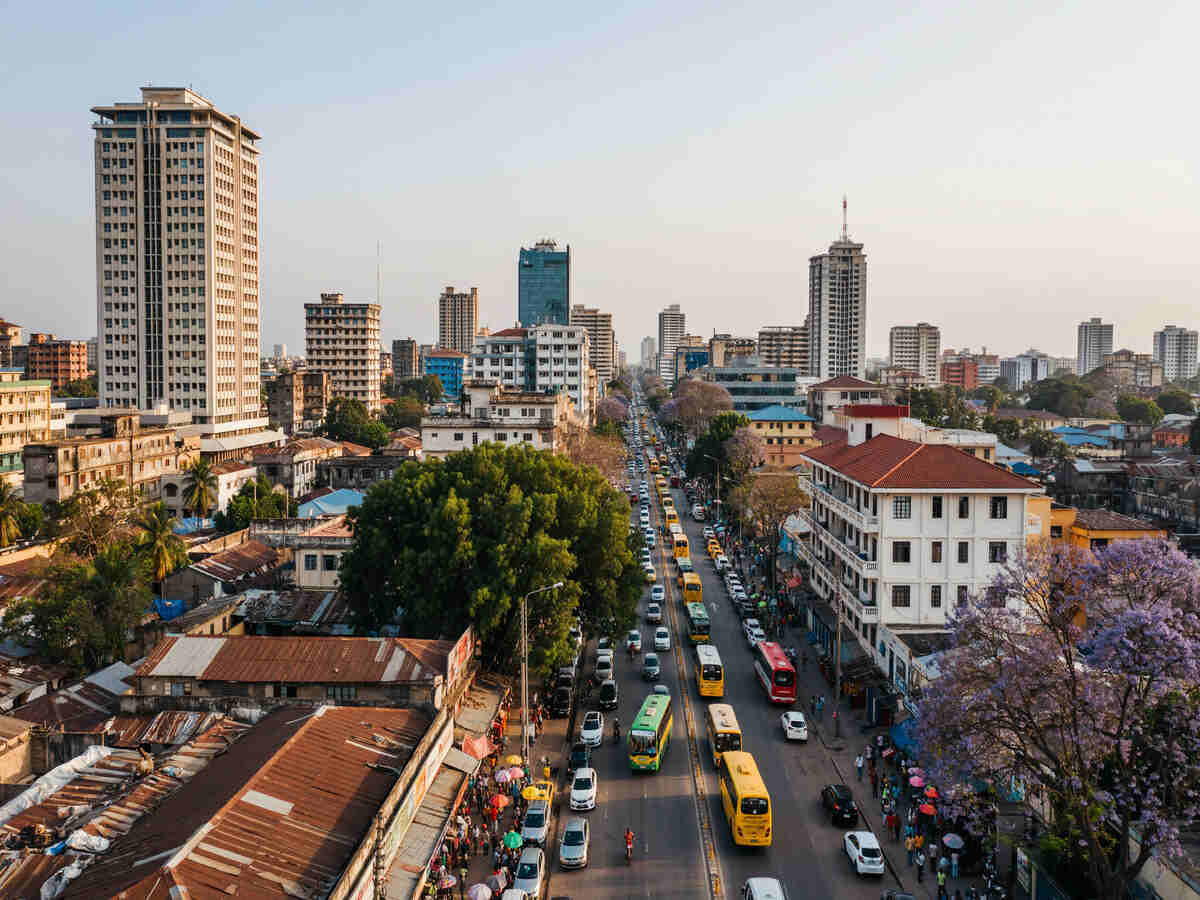
Zimbabwe dominates regional growth, surpassing top markets with a 6% increase in arrivals crossing borders boosting Zambia tourism.
Through tapping into the strong momentum created by Zimbabwe and other regional counterparts, Zambia is showing that intra-African travel is not just an alternative but is actually the basic driver behind Southern Africa’s new tourism economy.
The post Zimbabwe Outranks Tanzania, South Africa And More In Powering Zambia Tourism With 6% Growth In Cross-Border Arrivals appeared first on Travel and Tour World














































































