Two Tourists Drown at the Chakratirth Beach in Puri, Raising New Alarms on Travel Safety, Lifeguard Shortages and Coastal Risk Management
-
Travel, Health, Religion
-
-
3 mins
-
Travel and Tour World
-
Gishan Das
-

Two tourists drown at Chakratirth beach in Puri, triggering concerns over travel safety, lifeguard availability and coastal risk management for visitors.
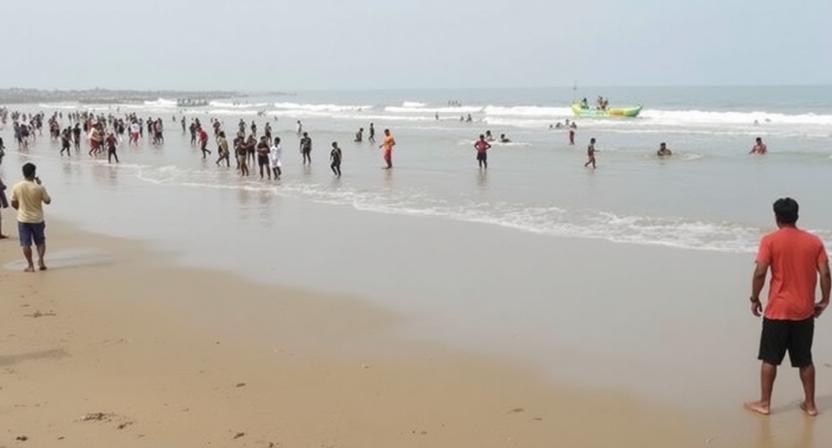
Two tourists from Jharkhand drowned at Chakratirth beach in Puri, raising concerns about the drowning impact tourist safety and the lack of protective measures along the coast. The beach is one of the most frequented in Odisha, and the incident exemplifies how the lack of safety measures at popular tourist destinations can turn routine beach trips into deadly experiences.
The victims were a 45-year-old woman and her 20-year-old son, both from Ranchi. The incident was part of the family trip to one of the sprawling coast destinations of Odisha. The incident framed the enormity of risks as the country witnesses a leap of faith into domestic tourist movement along the coastline.
Strong Sea Conditions Expose Risks For Unaware Travelers
According to official information, the mother and son entered the sea near Chakratirth, a stretch popular with tourists staying in nearby hotels. A sudden strong wave swept the woman into deeper waters, and when her son attempted a rescue, both were pulled into a powerful current.
This sequence of events reflects a recurring travel safety issue at Puri’s beaches. The coastline is known for rip currents, sudden depth changes, and unpredictable wave patterns, which can overwhelm even alert swimmers. For tourists unfamiliar with local sea behaviour, the risk is significantly higher.
Travel Safety Impact Extends Beyond The Immediate Tragedy
While the immediate loss of life is devastating, the broader travel safety impact affects families, fellow tourists, and the destination’s reputation. Incidents like this create fear among visitors, influence travel decisions, and raise questions about the adequacy of safety measures at advertised tourist hotspots.
For destinations dependent on beach tourism, repeated accidents can erode traveller confidence, particularly among families and senior visitors. Safety incidents also place pressure on local healthcare facilities, police, and emergency responders.
Limited Lifeguard Coverage Emerges As A Critical Concern
One of the key issues highlighted by the tragedy is the limited deployment of trained lifeguards. Official lifeguard services are currently concentrated along the Niladri Beach to Swargadwar stretch, leaving areas such as Chakratirth with insufficient or inconsistent monitoring.
Local residents and tourism stakeholders have pointed out that drowning incidents have occurred repeatedly in beach stretches outside the main guarded zones. From a travel safety perspective, this uneven coverage creates high-risk pockets where tourists may falsely assume supervision is in place.
Emergency Response Came Too Late To Save Lives
After family members raised an alarm, both victims were rescued from the water and rushed to the District Headquarters Hospital in Puri, where doctors declared them dead. The Sea Beach Police registered a case and completed postmortem procedures before handing over the bodies to the family.
While authorities followed protocol after the incident, experts note that preventive safety measures, such as early intervention by lifeguards, warning flags, or restricted bathing zones, are far more effective than post-incident response.
Tourism Growth Increases The Stakes For Safety Management
Puri attracts lakhs of domestic tourists every year, especially from eastern and central Indian states. With rising visitor numbers, the travel safety impact of inadequate infrastructure becomes more severe. More tourists entering the sea without proper supervision increases the probability of accidents. As tourism expands, safety systems must scale accordingly. Beaches promoted for leisure must be supported by adequate lifeguards, visible warning signage, real-time sea condition alerts, and public announcements in multiple languages.
Tourists Often Underestimate Coastal Risks
Many first-time visitors misjudge sea conditions, assuming that shallow water near the shore is safe. In reality, rip currents can pull people into deep waters within seconds, even when waves appear manageable. This highlights a gap in risk communication, where tourists are not sufficiently informed about local sea behaviour. From a travel safety standpoint, clearer messaging and stricter enforcement of no-bathing zones are essential.
Strengthening Coastal Safety Is Central To Responsible Tourism
Travel safety is a core component of responsible and sustainable tourism. Destinations that fail to protect visitors risk long-term damage to their tourism economy. Expanding lifeguard coverage beyond core zones, equipping beaches with rescue infrastructure, and maintaining constant surveillance can significantly reduce fatalities. Coordination between district administration, police, tourism authorities, and disaster response teams is critical to building a comprehensive coastal safety framework.
A Wake-Up Call For Coastal Tourism Policy
The Chakratirth incident serves as a warning that tourism promotion without corresponding safety investment can have tragic consequences. As India’s beach tourism continues to grow, traveller safety must be treated as non-negotiable infrastructure, not an optional service. Families travel expecting relaxation and enjoyment, not exposure to unmanaged risks. Ensuring safety protects not only lives but also the long-term credibility of tourism destinations.
Travel Safety Must Take Priority At Puri Beaches
The drowning of two tourists from Jharkhand at Puri’s Chakratirth beach showed the travel safety consequences of inadequate coastal protection. Although the authorities acted after the incident, critical challenges remain down the road. Increased patrols by lifeguards, better communication of risks, and regulated bathing zones are necessary to prevent such tragedies from recurring. Puri is still receiving high volumes of visitors, and placing tourist safety at the core of managing beach tourism is the most responsible and sustainable approach.
The post Two Tourists Drown at the Chakratirth Beach in Puri, Raising New Alarms on Travel Safety, Lifeguard Shortages and Coastal Risk Management appeared first on Travel and Tour World