



Tropical Storm Bertha is threatening the Gulf Coast with heavy rain, coastal flooding and squalls
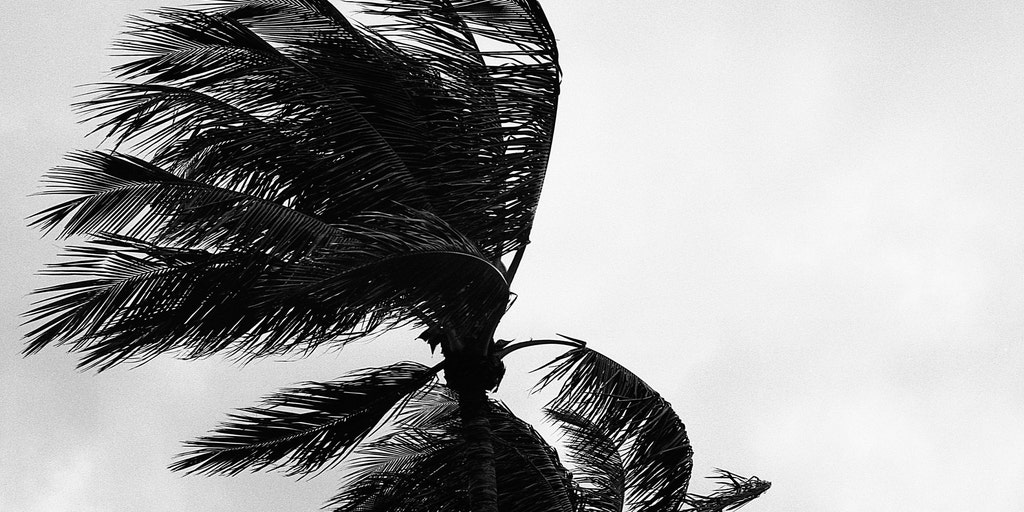

Tropical Storm Bertha is strengthening along the northern Gulf as coastal communities in parts of Florida, Alabama, Mississippi and Louisiana brace for strong wind gusts, heavy rain and coastal flooding.
Tropical Storm Bertha is causing impacts along the northern Gulf as coastal communities in parts of Florida, Alabama, Mississippi and Louisiana brace for strong wind gusts, heavy rain and coastal flooding.
Bertha formed Monday in the northeastern Gulf, becoming the second named storm of the Atlantic hurricane season.
HURRICANE SEASON 2026: THESE ARE THE STORM NAMES YOU'LL SEE THIS SEASON
The storm has turned westward, and tropical storm conditions are spreading over portions of the Florida panhandle, according to the National Hurricane Center (NHC).
According to the National Hurricane Center, Hurricane Hunter aircraft that flew into Bertha determined that the storm had continued to strengthen. As of Tuesday night, it was about 105 miles southeast of Mobile, Alabama, with maximum sustained winds of 60 mph, and is moving north-northwest at just 6 mph.
Bertha strengthened from Tropical Depression Two and is expected to bring days of heavy rain to parts of the Gulf Coast.
A tropical storm is a type of tropical cyclone — a rotating, organized system of thunderstorms — with maximum sustained winds of 39 to 73 mph, making it stronger than a tropical depression.
Tropical Storm Warnings have been extended, and are in effect from the Bay-Gulf county line in Florida to the Terrebonne-Lafourche parish border in Louisiana, indicating that these areas could experience tropical storm conditions over the next 36 hours.
A Tropical Storm Warning has been issued for New Orleans in anticipation of Tropical Storm Bertha.
WHAT HURRICANE AND TROPICAL STORM WATCHES AND WARNINGS MEAN
A Tropical Storm Watch is in effect from west of the Terrebonne-Lafourche parish Line to the Vermilion-Cameron parish line, including New Orleans, Lake Pontchartrain and Lake Maurepas.
Additionally, the NHC dropped a Storm Surge Watch that was in effect along the Gulf Coast for life-threatening flooding, but issued a Coastal Flood Warning for southeastern Louisiana and the Mississippi coast.
This means that there is less concern that Bertha will cause a sudden push of 2 to 4 feet of ocean water inland, but rather the flooding is expected to be more gradual, with up to 4 feet of water expected within the Flood Warning in low-lying coastal areas.
According to the NHC, Bertha is forecast to move slowly west along the northern Gulf Coast, and is expected to make landfall in southeast Louisiana sometime Wednesday evening.
TIMELINE: WHEN YOU WILL SEE THE FIRST IMPACTS OF TROPICAL STORM BERTHA IN THE SOUTHEAST
The FOX Forecast Center said Bertha is a lopsided storm that will peak as a moderate tropical storm Tuesday, remaining well below hurricane strength.
"Its lopsided nature means most of the rain will fall on the southern side of the system — well off the coast," the Forecast Center said.
While there was some uncertainty about Bertha's track earlier this week, forecast models have come into much better agreement that the storm will move west over Louisiana.
HOW ARE HURRICANES RATED? THE SAFFIR-SIMPSON HURRICANE WIND SCALE EXPLAINED
From there, it remains to be seen whether Bertha will dissipate over Louisiana or if it redevelops off the coast and head toward Texas.
Meanwhile, Bertha is expected to bring short, intense downpours over the coastal and inland areas of the Florida Panhandle, Alabama, Mississippi, and Louisiana. The intense rain over a short period of time could trigger low-level flash flooding.
TRACK BERTHA: LIVE RADAR, FLOOD THREAT, WIND SPEED AND RADAR
Rain totals of 2 to 4 inches are expected through the middle of the week, with isolated higher amounts possible.
This story is developing. Check back for updates.
The post Tropical Storm Bertha is threatening the Gulf Coast with heavy rain, coastal flooding and squalls appeared first on Fox Weather