Travelers Affected In Japan As New Chitose, Tokyo International, and Other Airports Cancel 19 Flights And Delay 399, Disrupting Japan Airlines, Air India, Thai Airways, And More At Tokyo, Sapporo, Osaka, And Other Key Airports
-
Travel, Weather
-
-
4 mins
-
Travel and Tour World
-
Hrittik Shaw
-


New Chitose and Tokyo International airports see 399 delays and 19 cancellations, leaving thousands stranded. Here’s how travelers can navigate the chaos.
Japan’s air travel system is facing unprecedented disruptions as New Chitose and Tokyo International airports report significant delays and cancellations. Over 300 flights have been delayed, and nearly 20 have been cancelled, leaving thousands of passengers stranded and frustrated. This latest travel chaos is having a ripple effect on both domestic and international flights, particularly at two of Japan’s busiest airports.
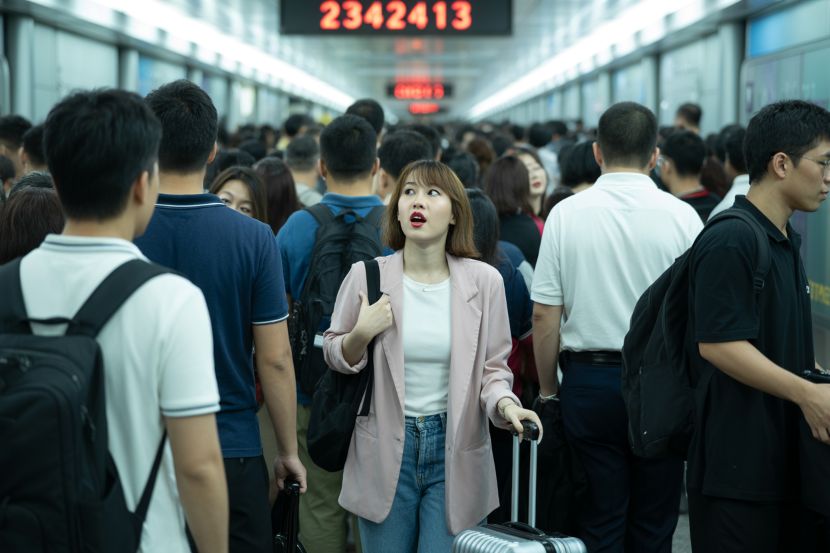
For travelers, especially those headed to or from popular destinations like Sapporo and Tokyo, the impact of these delays has been severe. With the holiday season in full swing, the timing of these disruptions is particularly difficult, as families, business travelers, and tourists find themselves navigating overcrowded terminals and uncertain flight schedules.
A Look at the Numbers: New Chitose and Tokyo International Bear the Brunt of the Disruptions
New Chitose Airport, located in Hokkaido, reported 292 delays and 10 cancellations. Meanwhile, Tokyo International Airport, one of the largest and busiest airports in Japan, saw 107 delays and 9 cancellations. While the scale of the issue is concerning, it’s the impact on passengers that has been the most notable.
For those at New Chitose, the delays have compounded frustrations as they attempt to make their way to Tokyo or other international hubs. With hundreds of passengers left waiting for updates, some have had to cancel plans or look for alternative routes to reach their final destinations.
Tokyo International, already a bustling hub for travelers, has been stretched to its limits. With 107 delays, it has become increasingly difficult for passengers to find out the status of their flights. Travelers have reported long lines at check-in counters and crowded waiting areas. For those stuck in the airport, the wait time to resolve booking issues has only added to the stress of the situation.
Understanding the Causes Behind the Chaos
While weather conditions and air traffic congestion are often to blame for flight delays, it’s clear that these recent disruptions are more complex. Experts suggest that a combination of factors, including technical issues with aircraft, staffing shortages, and an influx of passengers, has created a perfect storm for delays.
Japan’s Civil Aviation Bureau, in their most recent statement, has acknowledged that delays were exacerbated by technical faults affecting several aircraft and operational hiccups in managing flight schedules during peak travel times. The Bureau also pointed to higher-than-expected passenger volumes, which overwhelmed airport systems that were still in the process of recovering from earlier disruptions caused by the pandemic.
It’s important to note that while these disruptions are significant, Japan’s aviation authorities are working diligently to address the root causes and minimize further delays. However, these efforts have yet to fully resolve the situation, with airport staff scrambling to clear the backlog.
How Passengers Are Navigating the Chaos
For passengers stuck in the midst of these disruptions, staying updated is key. Airlines like Japan Airlines, All Nippon Airways, and other carriers operating from New Chitose and Tokyo International are advising customers to check their flight status regularly through official airline websites and mobile apps.
Travelers are also encouraged to contact their airline’s customer service for assistance with rebooking or compensation. In many cases, airlines are offering meal vouchers or hotel accommodations for passengers who are stranded overnight. However, these services are limited based on availability and the specific circumstances of each flight.
Moreover, passengers have been advised to consider alternative airports or routes. Some have opted to take trains or buses to alternative airports in nearby cities, avoiding the congested terminals at Tokyo International. Others are opting to reschedule their trips and explore other transport options.
Despite the overwhelming delays, many travelers have shared stories of resilience and camaraderie, with passengers helping one another find solutions to their travel woes.
Government and Airline Response
The Japanese government has been in close contact with airport authorities and airlines to ensure that passengers are not left stranded without support. Both the Japan Transport Safety Board and the Ministry of Land, Infrastructure, Transport, and Tourism (MLIT) have issued public statements urging airlines to streamline their rebooking processes and provide better communication with affected passengers.
Airlines operating at Tokyo International and New Chitose are doing their part by allocating additional staff to handle customer inquiries and expedite rebooking. Japan Airlines, in particular, has been praised for its proactive approach, offering direct assistance to affected travelers and providing up-to-date information via social media channels.
The Bigger Picture: Impacts on Japan’s Tourism and Economy
The ongoing flight disruptions are a cause for concern, not only for the airlines and airports but also for Japan’s tourism industry. With Japan being a top destination for international travelers, these disruptions are likely to cause ripples throughout the local economy, particularly in cities like Tokyo, Sapporo, and others that rely on tourism.
The peak travel season, including holidays and events like the New Year celebrations, is a crucial time for Japan’s hospitality sector. Delays and cancellations in air travel can have a trickle-down effect on local businesses, from hotels and restaurants to transportation providers and tourist attractions.
The government and tourism boards will need to monitor the situation closely, as many travelers may be hesitant to visit Japan if such disruptions continue. The good news, however, is that Japan remains a top global destination for its rich cultural heritage, scenic landscapes, and world-class cuisine. With improved flight schedules and more efficient airport operations, Japan can continue to be an attractive place for tourists around the world.
What Travelers Can Do to Minimize the Impact of Future Delays
While travelers cannot control weather conditions or technical issues, there are a few steps they can take to minimize the impact of potential delays:
- Plan Ahead: Arrive early at the airport, especially during busy times, to allow for possible delays in check-in or security procedures.
- Monitor Flight Status: Keep an eye on your flight status using your airline’s official website or app to receive real-time updates.
- Purchase Travel Insurance: Consider buying travel insurance to protect against unexpected delays and cancellations.
- Stay Flexible: If your flight is delayed or canceled, be prepared to adjust your plans. Consider alternative airports or travel routes to your destination.
Conclusion: A Challenging but Resolving Situation
For those affected by the flight disruptions at New Chitose and Tokyo International, it’s clear that this has been a stressful and frustrating experience. However, the response from airlines, government agencies, and airports is ongoing, and efforts to clear the backlog and improve communication are underway.
As Japan’s air travel system continues to recover from these challenges, travelers are urged to stay patient and informed. With Japan’s reputation as a top tourist destination, these disruptions are temporary setbacks that, with time, will be resolved. For now, travelers should remain flexible and prepared for the unexpected.
In the end, travel is always full of surprises, and Japan’s ability to bounce back from these disruptions will be a testament to its resilience and commitment to passenger satisfaction.
The first paragraph introduces the human impact of the flight disruptions, making the situation relatable to travelers. The last paragraph echoes this sentiment, offering hope and solutions, humanizing the situation further while looking ahead to a resolution.
The post Travelers Affected In Japan As New Chitose, Tokyo International, and Other Airports Cancel 19 Flights And Delay 399, Disrupting Japan Airlines, Air India, Thai Airways, And More At Tokyo, Sapporo, Osaka, And Other Key Airports appeared first on Travel and Tour World