
















Belgium and Kazakhstan Set to Strengthen Tourism Cooperation as Royal Visit Puts Astana and Almaty in the Spotlight
-
Travel, Culture
-
-
6 mins
-
Travel and Tour World
-
Manab Baidya
-


Belgium and Kazakhstan eye closer tourism cooperation as a royal visit showcases Astana, Almaty, culture and travel opportunities.
Belgium and Kazakhstan plan to boost tourism and cultural exchange after the state visit of the king and queen of Belgium. The royal couple arrived in Kazakhstan on October 12, 2026, and left on October 14. The three-day official visit was an excellent opportunity to promote the country’s growing tourism sector, with Astana and Almaty being two of the most popular destinations for European visitors. Besides tourism, cultural cooperation, education, and transport were discussed, and there is a prospect of closer ties between the two countries.
Historic Royal Visit Opens New Opportunities for Belgium and Kazakhstan
A significant milestone in relations between Belgium and Kazakhstan was marked by the first Belgian state visit to Central Asia. The royal delegation travelled to Astana and Almaty, where meetings with government representatives, business leaders and educational institutions were organised.
The programme included high-level diplomatic discussions, a business council, a university forum and visits to cultural attractions. Tourism was recognised as an area with potential for closer cooperation between the two countries.
Although economic discussions focused heavily on energy, technology and industrial development, greater attention was also given to cultural tourism, international travel and stronger connections between European and Central Asian communities.
Kazakhstan Tourism Gains Royal Attention as European Travel Opportunities Expand
Kazakhstan tourism received important international exposure during the fourth Kazakh-Belgian Business Council on 13 October 2026. The country’s remarkable natural landscapes and cultural heritage were highlighted as attractions capable of drawing greater interest from Belgian visitors.
The discussions reflected opportunities to introduce Kazakhstan to more European travellers seeking destinations beyond traditional tourism markets.
Through this recognition, the country’s tourism potential was placed alongside broader economic cooperation. Its mountains, museums, historic traditions and modern cities were presented as valuable elements of its international appeal.
The visit did not establish a new tourism agreement, but it strengthened diplomatic support for future cooperation.
Kazakhstan Records 15.7 Million Foreign Visits as Tourism Investment Expands
Kazakhstan’s growing tourism sector was supported by substantial visitor activity during 2025. According to the figures cited in the original reporting, 15.7 million foreign visits were recorded, including 11.1 million visits classified as tourism-related.
These figures represent recorded visits rather than necessarily the number of individual foreign tourists. They nevertheless demonstrate the scale of cross-border travel associated with the country.
Approximately €2.4 billion in tourism investment was also reported, reflecting continued efforts to develop accommodation and visitor facilities.
The figures provide important background to the royal visit, showing why tourism cooperation is becoming increasingly relevant to Kazakhstan’s economic development and international relationships.
Accommodation Growth Strengthens Kazakhstan’s Tourism Infrastructure
Kazakhstan’s visitor economy has also been supported by an expansion in accommodation facilities. During the reported period, 179 additional accommodation establishments were introduced, providing more than 7,000 new beds.
The country’s accommodation network consequently reached 4,482 establishments, with a combined capacity exceeding 232,000 beds.
This expansion is important because greater accommodation capacity can help destinations welcome tourists, business delegates and visitors attending cultural or educational events.
Continued investment in visitor infrastructure may also support longer stays and travel across several destinations. Such improvements are particularly relevant as Kazakhstan seeks to increase its visibility among international travellers and attract more varied forms of tourism.
Astana Emerges as a Cultural and Architectural Attraction for European Visitors
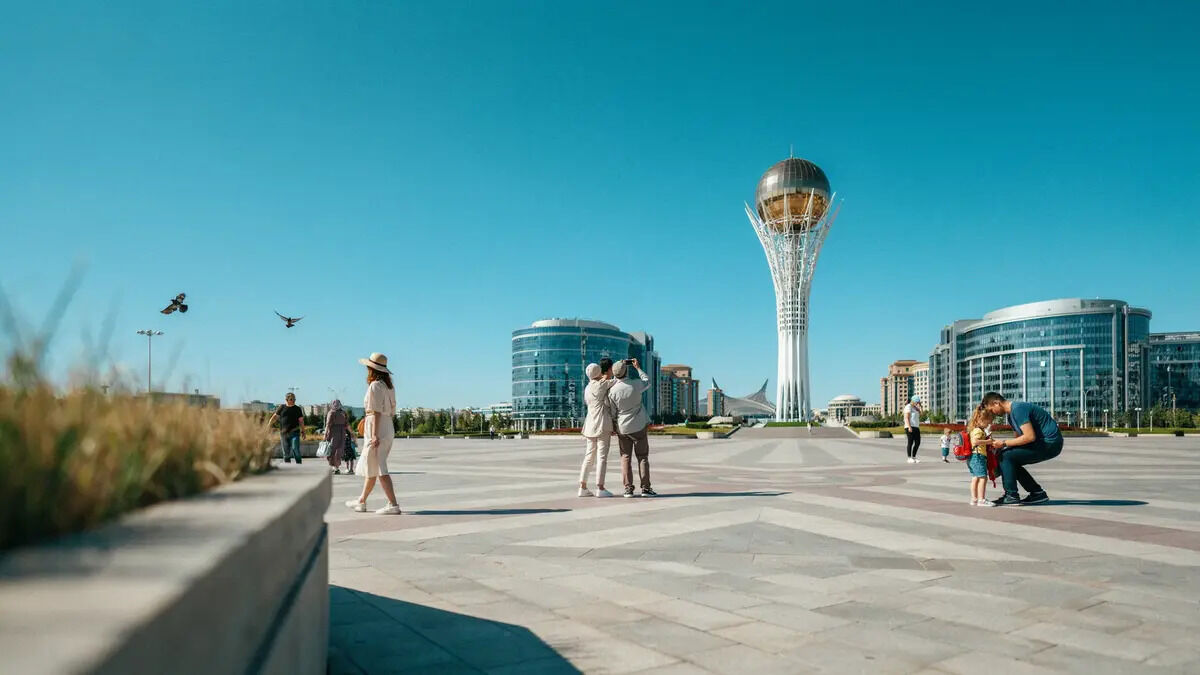
Astana, Kazakhstan’s capital, received particular attention during the royal programme. The city’s contemporary buildings, national institutions and museums were highlighted through official engagements and cultural activities.
The capital offers visitors an opportunity to experience Kazakhstan’s modern development alongside its national history and traditions.
Its museums provide an important setting for understanding the country’s heritage, while its distinctive urban landscape adds to its appeal as a destination.
The royal programme also demonstrated how official visits can introduce international audiences to cultural attractions that may otherwise receive limited exposure.
This attention could support Astana’s reputation as a destination for cultural tourism, business travel and educational exchanges.
Almaty Gains Tourism Visibility Through Mountains, Museums and Outdoor Adventures
Almaty was another major destination highlighted during the royal visit. Known for its cultural attractions and mountain surroundings, the city offers experiences that differ from those available in the capital.
Its location near the Trans-Ili Alatau mountains provides access to outdoor activities, including hiking, skiing and mountain excursions.
Visitors can combine urban sightseeing with experiences in the surrounding natural landscape, creating opportunities for varied travel itineraries.
Almaty’s museums and contemporary art spaces were also featured during the visit.
The combination of natural beauty, cultural attractions and outdoor recreation gives Almaty considerable potential among European travellers interested in combining city breaks with adventure tourism.
Museum Partnerships Strengthen Cultural Tourism Between Belgium and Kazakhstan
Cultural cooperation formed an important part of the royal itinerary. On 13 October, an official visit was made to the National Museum of Kazakhstan in Astana, where works by a Belgian artist were displayed alongside presentations of Kazakhstan’s national heritage.
The exhibition created an opportunity for visitors to experience Belgian artistic traditions within a Kazakh cultural setting.
Further attention was given to modern and contemporary art during a visit to the Almaty Museum of Arts.
A performance developed through cooperation with Brussels-based KANAL-Centre Pompidou demonstrated the potential for collaboration between cultural institutions.
Such partnerships could support future exhibitions, professional exchanges and greater interest in cultural tourism.
Belgium and Kazakhstan Explore Stronger Europe–Asia Transport Connections
Transport cooperation was another important subject during the diplomatic discussions. Particular attention was given to the Trans-Caspian International Transport Route, widely known as the Middle Corridor.
The corridor connects parts of Asia and Europe through a network of transport and logistics infrastructure.
Both countries recognised its growing importance in supporting trade and strengthening connections between regional markets.
Belgium’s established European transport network and Kazakhstan’s geographical position were identified as complementary advantages.
However, the discussions principally concerned freight transportation, port development and supply chains. They did not confirm new passenger rail services or tourism routes between the two countries.
Port Cooperation Could Strengthen Kazakhstan’s International Connectivity
Closer cooperation between Belgium’s Port of Antwerp-Bruges and Kazakhstan’s Caspian ports of Aktau and Kuryk was discussed as part of wider transport development.
Kazakhstan has been investing in railways, roads, seaports and logistics terminals along the Middle Corridor, while Belgium’s experience in port management and multimodal transport was recognised as valuable.
These discussions were directed towards improving freight connectivity and making trade routes more resilient.
Although the immediate focus was not tourism, stronger international infrastructure partnerships may contribute to broader economic connections.
The proposed cooperation also reflects the increasing importance of Kazakhstan as a transport link between European and Asian markets.
University Agreements Create Opportunities for Educational Travel and Exchange
Educational cooperation was strengthened through the Kazakhstan–Belgium Rectors’ Forum, held at the Alem.ai International Centre in Astana.
Representatives of 29 universities and research organisations participated, and more than 20 agreements and memorandums were signed.
Belgian institutions involved included Ghent University, KU Leuven and the University of Mons.
The agreements covered academic mobility, joint educational programmes, research partnerships and opportunities for international cooperation.
Artificial intelligence, multilingual education, translation and research internships were also discussed.
These initiatives could encourage more students, researchers and university representatives to travel between the countries, supporting longer-term educational exchange and stronger institutional relationships.
Visa Facilitation Remains Important for Future Kazakhstan–Europe Travel
Visa facilitation remains a separate but relevant area for strengthening international travel. Earlier in 2026, negotiations between Kazakhstan and the European Union concerning simplified visa procedures were reported to be approaching their final stages.
A future agreement could make certain travel procedures easier for Kazakh citizens visiting Europe for tourism, business or education. However, no general visa facilitation agreement was confirmed during the royal visit.
The two countries also welcomed the entry into force of a protocol providing visa exemptions for holders of qualifying service passports travelling between Kazakhstan and the Benelux countries.
This arrangement does not extend general visa-free travel to ordinary passport holders, who must continue following applicable entry requirements.
Kazakhstan’s Cultural Celebrations in Brussels Highlight Growing International Ties
Kazakhstan’s international visibility was further strengthened through a public celebration in Brussels on 12 October 2026.
For the first time, the country’s national flag was raised at Brussels City Hall on the historic Grand-Place, marking the royal visit and Kazakhstan’s 35th anniversary of independence.
Supported by the City of Brussels and Belgium’s foreign ministry, the event brought together diplomatic representatives, students, community members and visitors.
Traditional music, cultural performances and Kazakh cuisine were presented during the celebrations.
The occasion allowed residents and international tourists to experience elements of Kazakhstan’s culture at one of Belgium’s most recognised landmarks.
Belgium and Kazakhstan Look Towards Stronger Tourism and Cultural Connections
The October 2026 royal visit provided a new platform for cooperation between Belgium and Kazakhstan. Tourism, education, cultural institutions and international transport were given increased visibility alongside wider economic discussions.
For travellers, the attention placed on Astana and Almaty highlighted Kazakhstan’s combination of modern cities, museums, mountain landscapes and outdoor experiences.
The cultural and academic initiatives also demonstrated how international relationships can support travel beyond traditional holidays.
While new passenger services and general visa exemptions were not announced, the visit created opportunities for further dialogue.
Belgium and Kazakhstan’s developing partnership could help strengthen cultural tourism, educational travel and international awareness of Central Asia in the years ahead.
The post Belgium and Kazakhstan Set to Strengthen Tourism Cooperation as Royal Visit Puts Astana and Almaty in the Spotlight appeared first on Travel and Tour World














































































