















Cambodia Is Now Set To Unlock A Great New Cultural Tourism Opportunity As Crowds Gather At Angkor Equinox
-
Travel, Weather, Religion
-
-
6 mins
-
Travel and Tour World
-
Baydahi Roy
-

Angkor Wat equinox crowds boost Cultural Tourism in Siem Reap despite poor sunrise visibility.
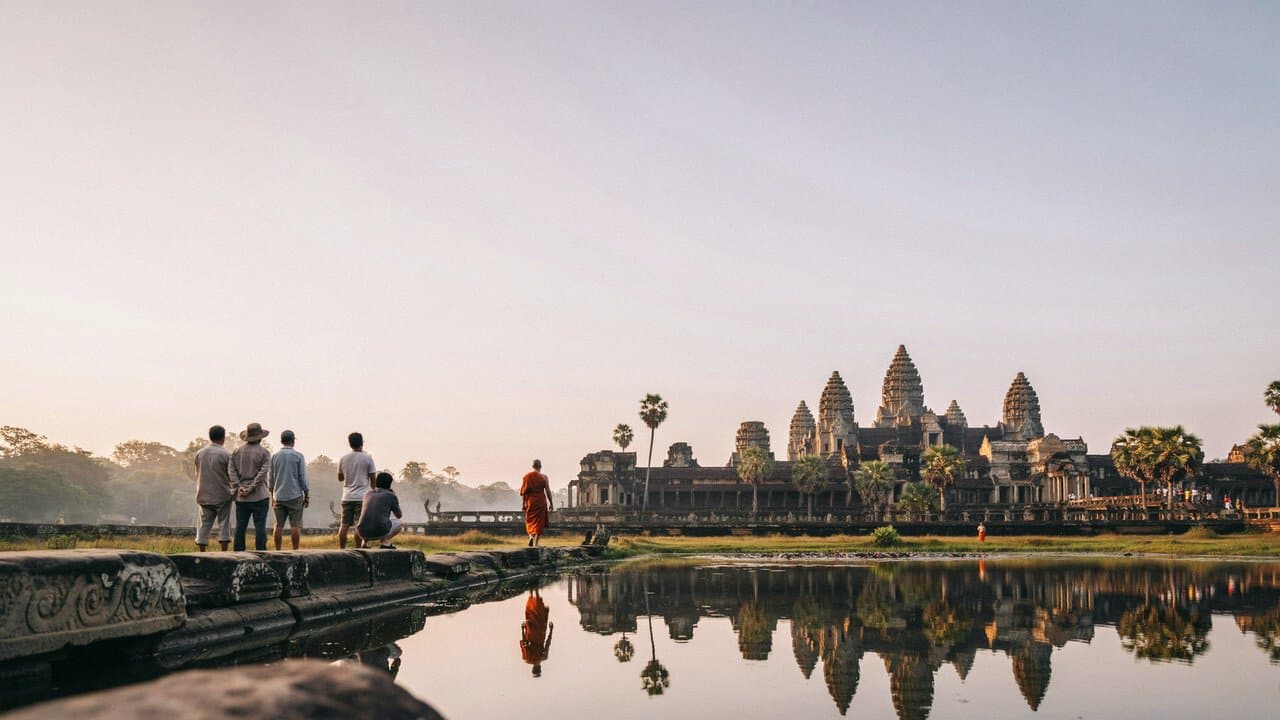
Cambodia’s Angkor Wat Equinox Tourism Surge is drawing attention to Siem Reap as visitors gather for the autumn solar alignment from 21 to 23 September 2026. Official tourism information confirms that the rising sun aligns with Angkor Wat’s central tower around the March and September equinoxes. The event strengthens Cultural Tourism by combining Khmer architecture, astronomy and heritage within one seasonal experience. Cloudy weather may reduce visibility, but it does not stop the alignment. Travellers need normal Cambodian entry permission, an official archaeological park pass, early transport and suitable rain protection. No special visa or passport arrangement applies.
Cultural Tourism Creates a Seasonal Reason to Visit Cambodia
The 2026 autumn equinox event runs for three days at Angkor Wat, the best-known monument within the Angkor Archaeological Park. Visitors normally gather on the western side before sunrise. From this position, the sun appears above the temple’s central tower when weather conditions provide a clear view. The same broad alignment occurs around the spring equinox in March and the autumn equinox in September. This gives Cambodia two periods each year when the temple can be presented through a distinctive combination of natural timing, architectural design and heritage interpretation. It also gives travellers a time-specific reason to visit Siem Reap beyond a standard tour of the temples.
The Angkor Wat Equinox Tourism Surge is especially relevant during September because this period falls within Cambodia’s wetter season. Rain and heavy cloud can prevent visitors from seeing the complete sunrise, while wet paths may affect movement around viewing areas. However, cloud does not change the astronomical movement taking place behind it. The event therefore remains significant even when the visual effect is weakened. Its travel value comes from the full experience, including the early-morning gathering, temple landscape and cultural interpretation. This form of Cultural Tourism may help spread interest beyond Cambodia’s traditional dry-season travel period, although no official 2026 increase in bookings or visitor spending has been confirmed.
Previous Attendance Shows Strong Cambodian Participation
Historical figures supplied for the September 2024 event recorded 38,236 visitors over three days. This included 36,200 domestic visitors and 2,036 international tourists. Domestic visitors represented approximately 94.7% of total attendance, while international visitors accounted for about 5.3%. The domestic-to-international ratio was therefore nearly 17.8 to one. These figures show that the event carries strong importance for Cambodian visitors and does not depend entirely on foreign tourism. They also demonstrate how a short heritage event can create substantial movement around one attraction during a tightly defined period.
The Angkor Wat Equinox Tourism Surge may still increase Cambodia’s international visibility, even when domestic visitors form the larger audience. Images of the sunrise alignment can present Siem Reap as a destination where history, architecture and natural timing meet. However, a final official visitor total for the September 2026 event was not available when the information was checked on 21 September. Claims about record attendance or major international growth would therefore be premature. The 2024 total provides useful historical context, but it cannot be treated as the result for 2026. Updated conclusions must wait until the three-day programme ends and complete figures are published.
| Category | Verified figure or development | Travel relevance |
|---|---|---|
| 2026 event period | 21–23 September | Creates a defined three-day travel window |
| Solar alignment | Occurs around March and September | Supports two seasonal visitor opportunities |
| September 2024 attendance | 38,236 visitors | Demonstrates established visitor movement |
| Domestic visitors in 2024 | 36,200 | Approximately 94.7% of attendance |
| International visitors in 2024 | 2,036 | Approximately 5.3% of attendance |
| Domestic-to-international ratio | About 17.8 to one | Shows strong national participation |
| Angkor protected property | 40,100 hectares | Requires conservation and access management |
| Wider archaeological landscape | About 400 square kilometres | Requires transport and itinerary planning |
| Final 2026 attendance | Not available on 21 September | Prevents reliable record comparisons |
Cultural Tourism Supports Siem Reap’s Visitor Economy
The Angkor Wat Equinox Tourism Surge can create concentrated early-morning activity across Siem Reap. Travellers often need to leave their accommodation before dawn, increasing the practical importance of advance transport, reception support, breakfast arrangements and authorised guiding services. After sunrise, visitors may continue to other monuments inside the archaeological park. This can extend the experience from a brief viewing event into a half-day or full-day itinerary. Hotels, restaurants, guides and local drivers could benefit from this visitor movement. However, no official figures had confirmed additional hotel occupancy, transport revenue or tourism spending caused specifically by the 2026 event.
Angkor is much larger than a single temple. The archaeological landscape covers about 400 square kilometres and includes monuments, roads, reservoirs, canals and historic settlements. Major sites include Angkor Wat, Bayon, Preah Khan and Ta Prohm. Wider itineraries may help visitors understand the scale of the former Khmer capitals while distributing activity beyond one sunrise viewing area. This approach can strengthen Cultural Tourism without concentrating every tourism benefit or visitor-management challenge at Angkor Wat. It may also encourage longer stays in Siem Reap, although any confirmed change in average length of stay must be supported by official accommodation or visitor data.
Heritage Protection Remains Central to Tourism Management
Angkor entered the World Heritage List in 1992 and is recognised for its art, architecture, urban organisation, religious importance and influence across Southeast Asia. Its value also comes from its surrounding cultural landscape. More than 100,000 people live in 112 historic settlements across the wider protected area, according to official heritage information. Tourism management must therefore consider monuments, local communities, agriculture, traditional practices and visitor access. Cultural Tourism can create income and wider recognition, but unmanaged activity can place pressure on archaeological structures and the people living within the heritage landscape.
The main operational challenge during the equinox is the concentration of visitors in a limited viewing area before sunrise. Many people want a similar west-facing view at almost the same time. This can create congestion on paths and around temple approaches. Rain introduces an additional concern because stone, soil and temporary walking surfaces may become slippery. Controlled access, marked routes, barriers and instructions from site personnel are therefore important. These measures may restrict where visitors stand, but they protect the monument and reduce unsafe crowd movement. Damage to ancient stone or carvings may be permanent, making prevention more effective than later repair.
Cultural Tourism Travellers Need to Plan Before Sunrise
The event does not change Cambodia’s normal visa, passport or border requirements. International visitors must check the rules applying to their nationality, length of stay and purpose of travel. Cambodia also operates an official electronic arrival system for required immigration and customs information. Entry permission remains separate from admission to the archaeological park. A valid visa or visa exemption does not automatically include temple access. Travellers must obtain the appropriate Angkor pass through the authorised ticketing system and confirm its validity before entering controlled areas.
Visitors should also prepare for an early departure, changing weather and possible congestion. The following steps are directly relevant to the event:
- Confirm that the official event period is 21–23 September 2026.
- Check passport validity and Cambodian immigration requirements.
- Complete required electronic arrival formalities before travel.
- Purchase the correct archaeological park pass from the authorised system.
- Arrange early-morning transport before the intended visit.
- Allow additional time for traffic, ticket checks and controlled entry.
- Carry rain protection during the wetter September period.
- Wear secure footwear suitable for wet and uneven surfaces.
- Follow marked routes, barriers and official visitor instructions.
- Avoid touching carvings or entering closed sections.
- Keep pathways clear when taking photographs.
- Confirm accessibility needs with the transport provider beforehand.
- Plan alternative temple visits if clouds hide the sunrise.
These preparations cannot guarantee a clear view because weather remains unpredictable. They can, however, reduce delays and improve visitor safety. Travellers do not currently need to alter Cambodian entry plans because of the event itself. They should simply confirm immigration requirements, park admission and local arrangements through the relevant official authorities. Respecting controlled areas also helps protect the site during periods of concentrated demand.
What Happens After the Angkor Wat Equinox Tourism Surge
The next important development will be the release of verified visitor data after the September 2026 event concludes. Official figures may clarify total attendance and the balance between domestic and international visitors. They may also show whether participation changed from earlier equinox periods. Until those figures become available, reports of record demand, unusually strong visitor growth or a major economic gain remain unconfirmed. Accommodation occupancy, local transport use and visitor spending also require official evidence before firm conclusions can be drawn.
Cambodia may continue using the March and September alignments as recurring heritage events, but dates and access arrangements should always be checked against an official calendar. Future planning could include stronger crowd guidance, clearer weather information and wider itineraries across the archaeological park. These measures could improve the experience while reducing pressure on one viewing area. The event’s long-term value depends on keeping promotion, access and conservation in balance.
Cambodia’s Angkor Wat Equinox Opens a New Future for Cultural Tourism
The September equinox gives Cambodia a distinctive opportunity to connect architecture, astronomy and Cultural Tourism at Angkor Wat. Confirmed information establishes the event dates, twice-yearly alignment and need for normal entry and temple-access procedures. Historical attendance data indicates strong domestic participation, but a final 2026 visitor total remains unavailable. Travellers should therefore avoid unsupported record claims and rely on official updates. Early transport, valid documents, authorised admission and wet-weather preparation remain essential. If Cambodia manages concentrated demand carefully, the equinox can support Siem Reap’s visitor economy while protecting Angkor’s monuments, communities and living heritage for future generations.
The post Cambodia Is Now Set To Unlock A Great New Cultural Tourism Opportunity As Crowds Gather At Angkor Equinox appeared first on Travel and Tour World