
















Spiritual Diplomacy In Thimphu, Bhutan: India’s Sacred Buddha Relics Usher In Global Peace Prayer Festival Tourism
-
Travel, Religion
-
-
4 mins
-
Travel and Tour World
-
Arpita Bhowmick
-


Sacred Buddha relics were ceremoniously transported from India to Bhutan as a goodwill gesture for the Global Peace Prayer Festival and royal anniversary.
A moment of profound spiritual significance was marked when the venerated Buddha relics were ceremoniously transported from India to the Kingdom of Bhutan. This highly symbolic act was undertaken as a goodwill gift, intended to support the sacred proceedings of the Global Peace Prayer Festival (GPPF) being held in Thimphu. The arrival was viewed by thousands of devotees, who had already converged on the Himalayan nation from various parts of the world, all gathered for mass prayers dedicated to the cause of peace on Earth. This gesture, transcending mere political or developmental cooperation, was recognized as a powerful demonstration of the enduring spiritual collaboration between the two nations, deepening a bond that has been cherished for centuries.
The casket containing the sacred remains was received with the utmost respect and reverence, a process that commenced upon its arrival from New Delhi at the Paro International Airport. This sacred journey, completed on a Saturday, was carefully coordinated to precede the scheduled visit of Indian Prime Minister Narendra Modi, thereby underscoring the high diplomatic and cultural importance attached to the occasion. The transfer of the relics was facilitated by a high-level delegation from the Government of India, and the solemnity of the moment was immediately palpable, setting a spiritual tone for the major events that were to follow in the Bhutanese capital.
The Diplomatic and Spiritual Nexus
The delivery of the Buddha relics was perceived as being more than a mere religious exchange; it was a potent act of statecraft woven with threads of deep cultural understanding. A strong sense of interest and appreciation for the arrival of the sacred objects was expressed across Bhutan. The Indian Ambassador to Bhutan, Sandeep Arya, conveyed to journalists that a palpable sense of gratitude was being felt by the populace, confirming the timely arrival of the relics in connection with the ongoing GPPF. This sentiment was echoed by Bhutan’s Prime Minister Tshering Tobgay, who affirmed that the relics were seen as a personal gift from Prime Minister Modi to the Bhutanese people. It was eloquently stated that this gesture clearly demonstrated that the two countries were united not only through their political and developmental partnerships but also through an intrinsic commitment to shared spiritual values, representing a foundational element of the bilateral relationship.
The Enshrinement and Royal Commemoration
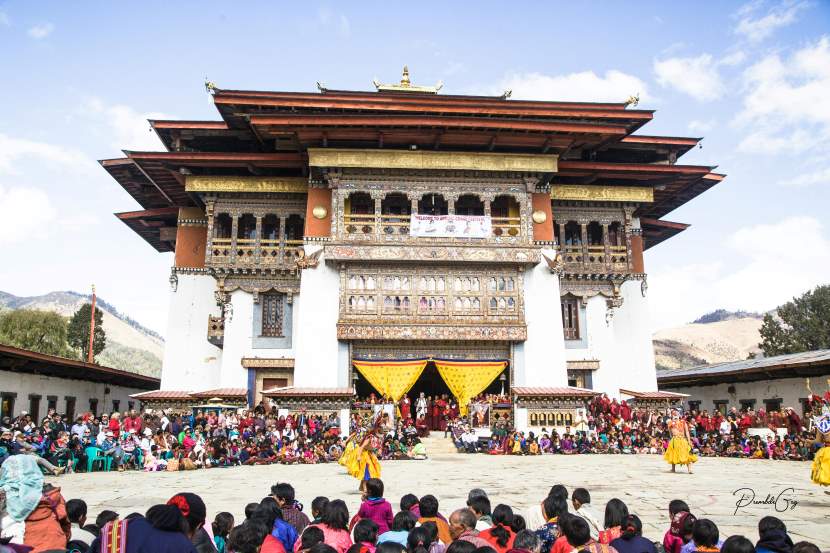
The logistics surrounding the relics’ presence in Bhutan were handled with meticulous care and great honour. The casket containing the Śarīra Dhātu, or corporeal remains of the Buddha, was designated to be solemnly enshrined at the Grand Kuenray of Tashichhodzong. This location, situated in close proximity to the palace of the King of Bhutan, is a site of immense national and religious importance. The placement of the relics in such a prestigious setting underscored their revered status and the significance of their temporary residence within the kingdom. A specific window for public display was announced, with the relics being made available for veneration from November 12 to 17. During this time, countless devotees were afforded the rare and precious opportunity to offer prayers and pay their respects to the physical remnants of the enlightened one.
The Profound Legacy of the Piprahwa Relics
The relics themselves hold an extraordinary place within the global Buddhist tradition, owing to their verified historical and spiritual significance. These objects are specifically known as the Piprahwa relics, or sometimes the Piprahwa-Kapilavastu relics, named after the site of their discovery in Uttar Pradesh, near the Nepalese border. Confirmation was given by a spokesperson for the Centre for Bhutan and Gross National Happiness Studies, the primary organizers of the GPPF, that these relics are considered among the most sacred objects of veneration, having been historically validated to be directly associated with Lord Buddha himself.
The history of these particular relics is traced back to a remarkable excavation conducted in the late 19th century. It was during this period that the British archaeologist, William Claxton Peppe, uncovered the relics at Piprahwa, a location now identified by scholars as the ancient site of Kapilavastu. This city was the historical capital of the Shakya clan and the very place where Prince Siddhartha spent his life before his enlightenment, subsequently becoming Gautama Buddha. The discovery was a monumental archaeological finding, providing tangible links to the earliest narratives of the Buddhist faith.
The Spiritual Vortex of the Global Peace Prayer Festival
The Global Peace Prayer Festival, serving as the context for the relics’ visit, was a monumental congregation of Buddhist practice and devotion. The main venue for the festival was the Changlimithang Stadium, where eminent lamas and Buddhist monks from Bhutan and other nations had assembled. Throughout the days, continuous chanting was conducted for the purpose of promoting peace and happiness in a world increasingly characterized by conflict. The festival was designed to be universally inclusive, encompassing all vehicles of Buddhism and specifically focusing on the manifold schools of Vajrayana Buddhism. This particular school of thought is rooted in the powerful belief that enlightenment can be attained within a single lifetime, necessitating an intense practice of ethics, morality, compassion, and meditation, thereby circumventing the need for countless cycles of rebirth.
Conclusion: An Enduring Symbol of Amity
The temporary residency of the sacred Buddha relics in Bhutan, facilitated by the goodwill of India, was a historical event that resonated deeply across the spiritual landscape of South Asia. The gesture was successfully established as an enduring symbol of spiritual amity, royal respect, and a shared dedication to the principles of global peace. The presence of the Śarīra Dhātu provided an unmissable focus for the prayers being offered at the Global Peace Prayer Festival and indelibly marked the commemoration of the fourth King’s anniversary. It was unequivocally affirmed that the spiritual partnership between India and Bhutan continues to be fortified, serving as a powerful and peaceful example for the global community.
The post Spiritual Diplomacy In Thimphu, Bhutan: India’s Sacred Buddha Relics Usher In Global Peace Prayer Festival Tourism appeared first on Travel and Tour World




































































