

Spain Joins Iceland, Hawaii, Greece and More in Hosting the World’s Most Stunning Volcanic Islands – You Won’t Believe What They’re Hiding Beneath!

-
Travel, Weather
-
-
8 mins
-
Travel and Tour World
-
Paramita Sarkar
-


Explore volcanic islands in Hawaii, Iceland, Jeju, Spain, Portugal, Greece, and France! Discover active volcanoes, hot springs, and breathtaking landscapes.
Volcanic islands like Hawaii, Iceland, Jeju, Spain, Portugal, Greece, and France offer some of the most extraordinary landscapes and natural wonders on Earth. These regions, shaped by the forces of volcanic activity over millions of years, provide visitors with unparalleled opportunities to experience both the raw power and the serene beauty of our planet. Whether it’s hiking to the summit of an active volcano in Hawaii or Iceland, exploring the geothermal landscapes of Jeju and the Azores, or taking in the stunning views of the caldera in Santorini, each destination offers its own unique adventure. From black sand beaches and lava tubes to towering volcanic craters and hot springs, these volcanic islands promise an unforgettable experience for nature lovers and thrill-seekers alike.
World’s Most Majestic Volcanic Islands
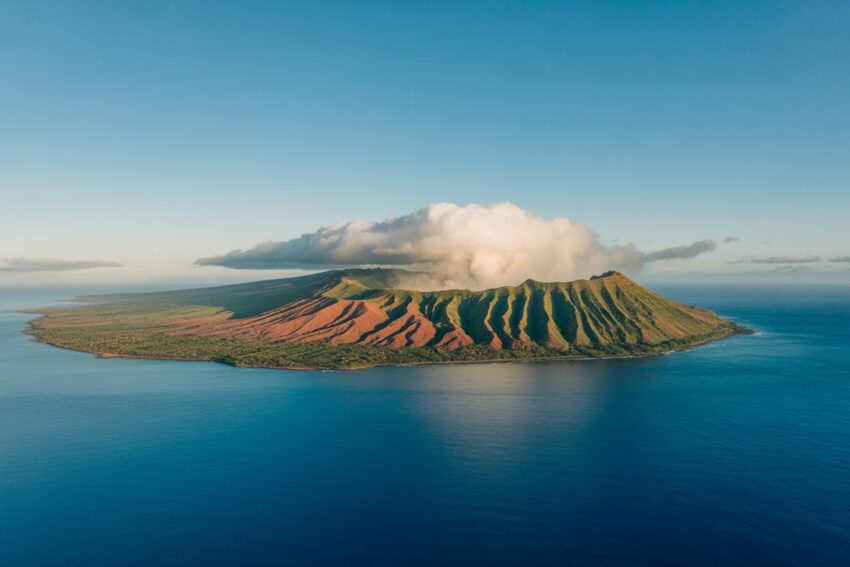
Hawaii, USA– A Must-Visit for Nature Lovers
The Hawaiian Islands, a group of islands forged by shield volcanoes, are among the most iconic volcanic destinations globally. Hawaii Volcanoes National Park, located on the Big Island, houses two of the world’s most active volcanoes, Kīlauea and Mauna Loa. This UNESCO World Heritage site draws millions of visitors each year who come to witness the constant volcanic activity, including eruptions, lava flows, and the island’s expansive lava fields. Hawaii’s unique landscape also features black sand beaches, volcanic craters, and vast, otherworldly vistas that make it a must-visit for nature lovers.
Top Attractions & Things to Do:
- Hawaii Volcanoes National Park (Big Island): Explore the active Kīlauea and Mauna Loa volcanoes. Hike through lava tubes, and witness steam vents, craters, and lava flows.
- Mauna Kea Summit: Visit the summit for stunning views, star-gazing, and to see the world’s tallest volcano.
- Punaluʻu Black Sand Beach: Relax on the unique black sand beaches formed by volcanic eruptions.
- Kīlauea Iki Crater: Hike around the crater formed by a 1959 eruption, surrounded by dramatic landscapes.
- Lava Tree State Monument: See the fossilized trees created when lava flowed through a forest.
Jeju Island, South Korea– Stunning Island Formed by Volcanic Activity
Jeju Island, often dubbed a “virtual volcano museum,” is a stunning island formed by volcanic activity starting 1.8 million years ago. Its highest peak, Mt. Halla, stands as South Korea’s tallest mountain, surrounded by over 360 volcanic cones known as oreum. The island’s unique geology includes the Geomunoreum Lava Tube System, which is a UNESCO World Natural Heritage site. Jeju offers visitors a chance to explore its volcanic history, with hiking trails, lava tubes, and stunning crater landscapes, making it an adventure for nature enthusiasts and those keen on geological wonders.
Top Attractions & Things to Do:
- Mt. Halla: South Korea’s highest peak, perfect for hiking and enjoying panoramic views of the island’s volcanic landscape.
- Geomunoreum Lava Tube System: Explore one of the best-preserved lava tube systems, a UNESCO World Heritage site.
- Seongsan Ilchulbong (Sunrise Peak): A volcanic tuff cone known for its dramatic sunrise views.
- Manjanggul Cave: Visit this vast lava tube that offers insight into Jeju’s volcanic past.
- Jeju Loveland: A quirky, outdoor sculpture park inspired by volcanic creativity.
The Canary Islands, Spain– A Popular Year-Round Destination

The Canary Islands are an archipelago formed entirely by volcanic activity. These islands, located off the northwest coast of Africa, offer a diverse range of volcanic landscapes. Lanzarote, for example, is famous for its moon-like volcanic terrain in Timanfaya National Park, where visitors can witness geothermal demonstrations and explore volcanic craters. Tenerife, home to Mount Teide, boasts the highest peak in Spain and the third-tallest volcanic structure in the world when measured from its base on the ocean floor. The Canary Islands’ volcanic beauty is complemented by their mild climate and rich biodiversity, making them a popular year-round destination.
Top Attractions & Things to Do:
- Timanfaya National Park (Lanzarote): Witness volcanic craters, geothermal demonstrations, and moon-like landscapes.
- Mount Teide (Tenerife): Hike or take a cable car to Spain’s highest peak and enjoy panoramic views of the island and the Atlantic Ocean.
- Cueva de los Verdes (Lanzarote): Explore an ancient lava tube formed by volcanic activity.
- Garajonay National Park (La Gomera): A UNESCO World Heritage site with dense forests created by volcanic eruptions.
- Volcanic Beaches (Fuerteventura and Lanzarote): Relax on stunning beaches formed by volcanic rock and ash.
The Azores, Portugal– Known for Dramatic Landscapes
The Azores, a group of nine islands located in the Atlantic Ocean, are the result of volcanic activity over millions of years. With 1,766 volcanoes in total, nine of which remain active, the islands are known for their dramatic landscapes. The area is dotted with calderas, crater lakes, and fumaroles, along with an abundance of hot springs. Mount Pico, the highest point in Portugal, is a majestic volcanic cone on Pico Island. The islands’ natural beauty, coupled with their geological significance, attracts visitors interested in hiking, geothermal springs, and whale watching.
Top Attractions & Things to Do:
- Pico Mountain: Hike to the summit of Portugal’s highest peak, a stunning volcanic cone.
- Sete Cidades (São Miguel): Visit this iconic crater lake with vibrant blue and green waters, located inside a volcanic caldera.
- Furnas Valley: See geothermal activity with hot springs, fumaroles, and mud pools.
- Terceira Island (Algar do Carvão): Explore the ancient lava tube and volcanic caves on Terceira Island.
- Lagoa do Fogo (São Miguel): Trek around the crater lake set inside a dormant volcano for breathtaking views.
Reykjanes Peninsula, Iceland– A Top Destination for Travelers

Iceland is one of the most volcanically active regions in the world, situated on the Mid-Atlantic Ridge where tectonic plates diverge. Visitors flock to Iceland for its incredible volcanic landscapes, which include geysers, basalt columns, and vast lava deserts. The Reykjanes Peninsula, where recent eruptions at Fagradalsfjall occurred, is one of the best places to witness volcanic activity. Iceland’s “Volcanic Way” trail showcases the country’s geothermal wonders, including active volcanoes and the famous Blue Lagoon. The unique combination of volcanic activity and stunning natural beauty makes Iceland a top destination for travelers seeking a dramatic landscape.
Top Attractions & Things to Do:
- Geysir Hot Springs Area: Witness the famous Geysir, the original geyser, and its spectacular eruptions.
- Reykjanes Peninsula: Visit the site of recent eruptions at Fagradalsfjall, where visitors can walk among fresh lava flows.
- Þingvellir National Park: Explore the geological site where two tectonic plates meet, creating unique volcanic landscapes.
- Blue Lagoon: Relax in the geothermal spa set in a lava field, rich in minerals.
- Eyjafjallajökull Volcano: Take a tour around the volcano that famously erupted in 2010, with ice caves and volcanic landscapes.
Galápagos Islands, Ecuador
The Galápagos Islands, located off the coast of Ecuador, are a natural laboratory of evolution and home to 13 active volcanoes. The islands are continuously shaped by volcanic activity, with Isabela Island containing six major volcanoes, including the active Sierra Negra. Fernandina Island is home to one of the world’s most active volcanoes. The Galápagos’ volcanic terrain is complemented by its rich biodiversity, making it a haven for nature enthusiasts and wildlife lovers. Visitors can explore the volcanic craters, pristine beaches, and unique ecosystems that inspired Charles Darwin’s theory of natural selection.
Top Attractions & Things to Do:
- Sierra Negra Volcano (Isabela Island): Hike to the rim of this massive volcano for dramatic views of the caldera.
- Fernandina Island: Explore one of the world’s most active volcanoes and its surrounding wildlife.
- Charles Darwin Research Station (Santa Cruz): Learn about conservation efforts in this biodiversity hotspot.
- Devil’s Crown (Floreana Island): Snorkel in the submerged volcanic caldera, home to rich marine life.
- Lava Tubes (Santa Cruz Island): Wander through volcanic tunnels formed by ancient lava flows.
Santorini, Greece– One of Greece’s Most Famous Islands

Santorini, part of the Hellenic Volcanic Arc, is one of Greece’s most famous islands, formed by the eruption of a massive, mostly submerged caldera. The Kameni Islands, specifically Palea and Nea Kameni, represent the most recent volcanic activity in the area and are still active today. Visitors can hike along the rim of the caldera, explore the volcanic vents, and enjoy panoramic views of the Aegean Sea. The island’s volcanic heritage plays a significant role in its unique architecture, with whitewashed buildings perched on steep cliffs above the crystal-clear waters.
Top Attractions & Things to Do:
- Nea Kameni and Palea Kameni: Visit the active volcanic islands in the middle of the caldera for an up-close volcanic experience.
- Oia Village: Famous for its whitewashed buildings and stunning sunsets over the volcanic caldera.
- Akrotiri Archaeological Site: Explore the ancient Minoan city destroyed by a volcanic eruption, with well-preserved ruins.
- Fira: Stroll through the capital of Santorini with its spectacular views of the volcano.
- Santorini Volcano Boat Tour: Take a boat tour to the active crater and enjoy thermal hot springs.
Réunion Island, France
Located in the Indian Ocean, Réunion Island is home to one of the world’s most active volcanoes, Piton de la Fournaise. This basaltic shield volcano erupts frequently, creating new land and dramatic landscapes. The “Enclos Fouqué” caldera, located in the heart of the volcano, is a popular destination for trekkers. Réunion Island offers visitors a unique opportunity to witness volcanic activity up close and experience its awe-inspiring landscapes, from rugged peaks to lush valleys.
Top Attractions & Things to Do:
- Piton de la Fournaise: Visit one of the world’s most active volcanoes and hike its stunning caldera.
- Cilaos: Hike through volcanic valleys and waterfalls in this dramatic, high-altitude area.
- Piton des Neiges: Conquer the highest point on the island for panoramic views of the volcanic landscapes.
- Salazie: Explore this lush valley formed by volcanic activity, home to waterfalls and traditional Creole villages.
- La Cascade Niagara: A beautiful waterfall formed by volcanic geology, perfect for a scenic hike.
Conclusion
From Hawaii’s vast lava fields to the black sand beaches of Iceland, volcanic islands around the world offer travelers an unparalleled opportunity to explore the raw power of nature. Whether you’re hiking the rim of a caldera in Santorini or relaxing in a geothermal spring in the Azores, these destinations offer stunning landscapes, rich histories, and a deep connection to the Earth’s volcanic origins. So, if you’re planning your next adventure, these volcanic islands should be at the top of your list.
The post Spain Joins Iceland, Hawaii, Greece and More in Hosting the World’s Most Stunning Volcanic Islands – You Won’t Believe What They’re Hiding Beneath! appeared first on Travel and Tour World