Saint Martin’s Island Faces Nine-Month Closure for Tourism to Combat Ecological Damage and Ensure the Long-Term Survival of Marine Species and Coral Reefs
-
Travel, Health, Weather
-
-
3 mins
-
Travel and Tour World
-
Binoy Mehera
-


Saint Martin’s Island, Bangladesh’s lone coral island situated in the northeastern Bay of Bengal, is set to close its doors to tourists for nine months, beginning February 1.
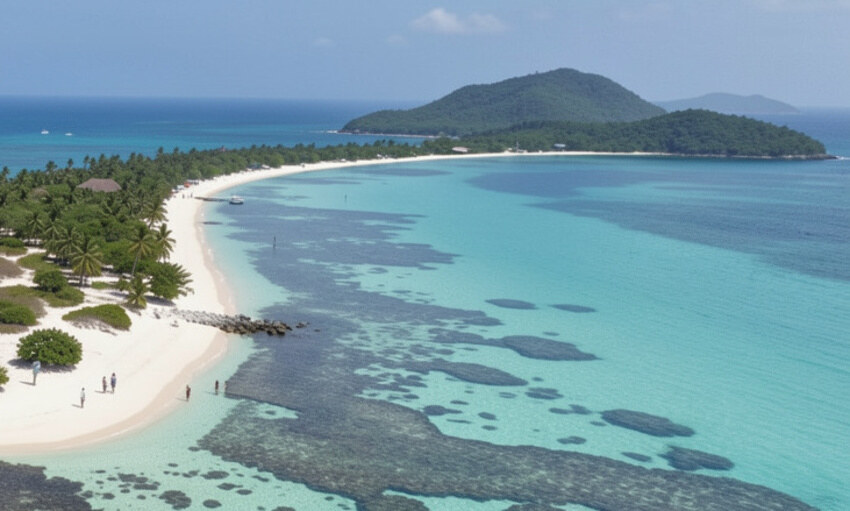
Saint Martin’s Island, Bangladesh’s lone coral island situated in the northeastern Bay of Bengal, is set to close its doors to tourists for nine months, beginning February 1. The closure is part of a bold environmental strategy aimed at safeguarding the island’s fragile ecosystem and biodiversity, which have been under increasing pressure from tourism-related activities.
Local Tourism Faces Financial Hardship as Season Shortened
With this closure, tourists who had planned to visit Saint Martin’s will be returning home, bringing an end to what had been a brief tourist season. Traditionally, the island is open to visitors from October to March, but this year, the tourist season was drastically cut short. The island allowed a three-month window for tourism, with restrictions such as capping the daily number of visitors at 2,000 and requiring prior registration. Overnight stays were only permitted for two months, leading to significant losses for local tourism operators.
Business owners in the local tourism industry have expressed frustration over the decision, as many had invested heavily in tourism infrastructure with expectations of a longer, more profitable season. The sudden halt to the tourist flow has left them grappling with reduced income and mounting uncertainty.
Government’s Focus on Environmental Sustainability
The closure of Saint Martin’s Island comes as part of a comprehensive plan from the Ministry of Environment, Forest and Climate Change to protect the island’s delicate ecosystems, including its coral reefs, marine life, and bird species. The decision to suspend tourism activities for nine months follows growing concerns over the environmental impact of human activity on the island.
Saint Martin’s has long been a favorite destination for tourists seeking its pristine beaches and crystal-clear waters, but the increasing number of visitors has placed immense stress on the island’s fragile environment. To curb the damage, the government has implemented several conservation measures. Among them is a ban on loud music, the prohibition of beach bonfires and barbecue parties, and the restriction of access to protected forest areas. The use of motorized vehicles on the beach, including motorcycles, is also now prohibited. Furthermore, tourists are no longer allowed to engage in the collection and sale of fruits or use single-use plastics like polythene bags.
Tourists will be encouraged to bring reusable water bottles, and these changes are designed to reduce pollution and waste on the island. The goal is to protect the habitat of endangered species such as sea turtles, corals, and various marine organisms, allowing them to recover and thrive.
Positive Impact on Biodiversity and Ecological Recovery
The extended closure of Saint Martin’s Island provides a vital opportunity for the local ecosystem to heal. By limiting human activities, authorities hope to give coral reefs, marine animals, and the island’s unique wildlife the time they need to regenerate. In particular, the island’s coral reefs, which have been heavily impacted by over-tourism, will have a chance to recover from the pressures caused by boat traffic, waste, and other disturbances.
Marine experts have long warned that the island’s delicate ecological balance was under threat from the growing number of tourists. Without intervention, species like sea turtles, king crabs, and various birds faced a high risk of being displaced from their natural habitats. The nine-month closure is therefore a necessary step to ensure the long-term survival of these species, as well as the preservation of the coral reefs that are vital to the island’s ecological health.
Local Businesses Call for a Sustainable Solution
Despite the ecological benefits of the closure, local business owners are feeling the financial strain. Many invested in tourism-related businesses, such as hotels, restaurants, and transport services, based on the expectation of a long and profitable season. With the season cut short, their businesses have seen dramatic losses.
In response to the closure, local entrepreneurs and residents have called for the island to be opened for at least five months annually, with a regulated number of visitors to help sustain both the economy and the island’s environment. They propose a more balanced approach to tourism that would allow for sustainable visitor numbers while still providing an income for local businesses.
Stakeholders believe that with proper management, the island could maintain its status as a popular tourist destination without causing harm to its fragile ecosystem. By enforcing regulations such as limits on visitor numbers and controlling activities that harm the environment, the island could continue to attract tourists while maintaining its natural beauty.
Looking Forward: A Path Toward Sustainable Tourism
The government’s decision to close Saint Martin’s Island for nine months marks a critical move toward environmental sustainability and conservation. The intention is to reduce the island’s ecological footprint and allow its environment to recover. While this will undoubtedly affect local businesses in the short term, the hope is that, in the long run, the island’s environment will thrive, creating a sustainable foundation for future tourism.
Saint Martin’s Island’s closure represents a model for how ecotourism can be managed in a way that benefits both the environment and local communities. By focusing on sustainable practices and striking a balance between conservation and tourism, the island can continue to be a destination for future generations while protecting its unique biodiversity.
As the island recovers from the pressures of over-tourism, it is hoped that the measures taken now will result in a vibrant, healthy ecosystem and a more sustainable future for the island’s tourism sector. This strategic approach ensures that Saint Martin’s remains an attractive destination for tourists, offering a truly eco-friendly experience for years to come.
The post Saint Martin’s Island Faces Nine-Month Closure for Tourism to Combat Ecological Damage and Ensure the Long-Term Survival of Marine Species and Coral Reefs appeared first on Travel and Tour World