
















Pont-Croix Would Be a Remarkable Escape from Crowded Hotspots While Asolo and Other European Villages Reveal Medieval Spots
-
Travel, Food, Culture, Weather, Religion
-
-
11 mins
-
Travel and Tour World
-
Anamika Talukder
-


Discover Europe's hidden villages for Thanksgiving 2026, from France and Italy to Spain, with medieval charm, stunning scenery and authentic escapes.
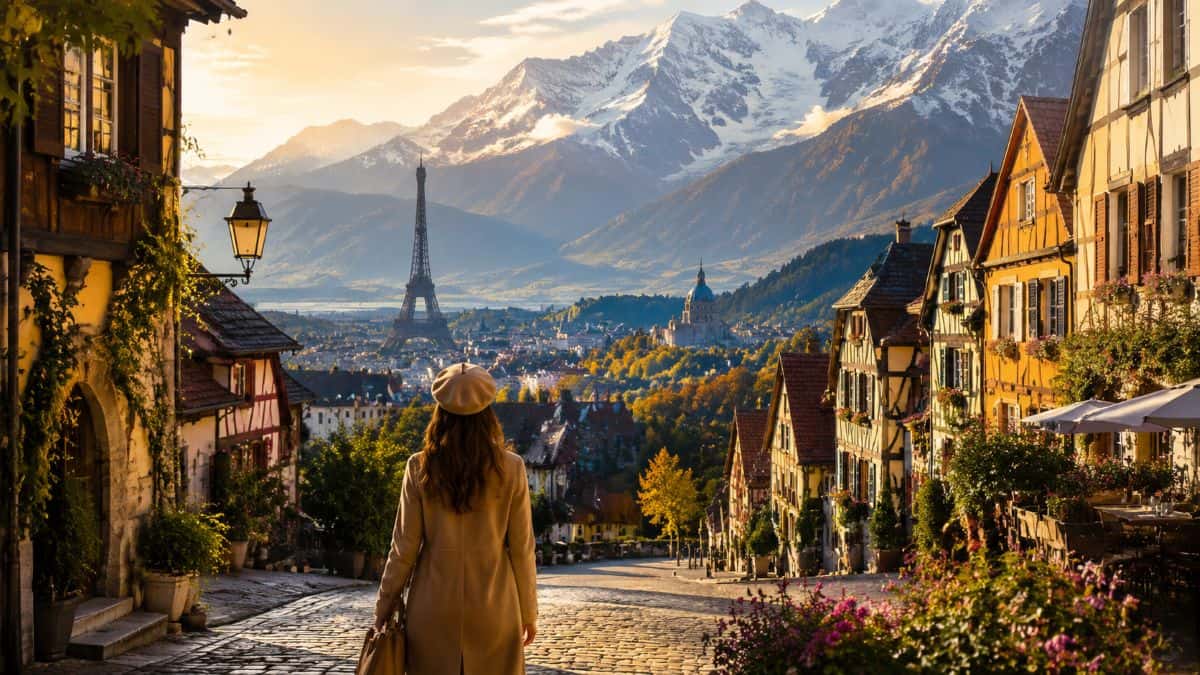
Thanksgiving 2026 opens the door to Europe’s lesser-known villages in France, Italy, Spain and beyond, revealing remarkable escapes far from crowded tourist hotspots. American travelers seeking something extraordinary can discover medieval streets, breathtaking mountain scenery, centuries-old traditions, and authentic local experiences. From Brittany’s historic settlements to Italy’s picturesque countryside and Spain’s tranquil coastal communities, these overlooked destinations promise a different kind of holiday. Recognized for their cultural heritage and sustainable tourism efforts, several villages offer compelling reasons to venture off the beaten path. With quieter surroundings and distinctive regional attractions, November presents an exciting opportunity to rediscover the continent’s hidden treasures.
Underrated Destinations Offering Authentic Thanksgiving Escapes
| European village and country | Main visitor attractions | Thanksgiving-period appeal | Tourism recognition or promotional evidence |
|---|---|---|---|
| Pont-Croix, France | Medieval lanes, Breton architecture, historic churches | Atmospheric coastal Brittany, heritage walks, regional food | UN Tourism Best Tourism Village 2025 |
| Arquà Petrarca, Italy | Petrarch heritage, medieval streets, Euganean Hills | Autumn countryside, wine culture, quiet historic surroundings | UN Tourism 2025 |
| Asolo, Italy | Hilltop views, historic villas, Venetian heritage | Romantic village break and regional gastronomy | UN Tourism 2025 |
| Schiltach, Germany | Black Forest timber-framed buildings, rafting heritage | Late-autumn woodland scenery and traditional architecture | UN Tourism 2025 |
| Hosszúhetény, Hungary | Mecsek Hills, village traditions, rural landscapes | Countryside walks and local cultural experiences | UN Tourism 2025 |
| Kaštelir-Labinci, Croatia | Istrian rural heritage, olive groves, vineyards | Olive oil, gastronomy and quieter countryside | UN Tourism 2025 |
| Loriga, Portugal | Serra da Estrela mountains, stone houses, valley scenery | Mountain landscapes and traditional Portuguese hospitality | UN Tourism 2025 |
| Mértola, Portugal | Guadiana River, Islamic heritage, medieval castle | Mild-weather potential, archaeology and slow travel | UN Tourism 2025 |
| Valendas, Switzerland | Historic village square, traditional buildings, Alpine setting | Peaceful Swiss village escape and mountain scenery | UN Tourism 2025 |
| Agaete, Spain | Gran Canaria coastline, Agaete Valley, coffee-growing heritage | Strong choice for travellers seeking warmer weather | UN Tourism 2025 |
| Ezcaray, Spain | Rioja mountain landscapes, traditional streets, regional cuisine | Cosy late-autumn food and mountain getaway | Featured on Visit Europe’s Best Tourism Villages portal |
| Anogeia, Greece | Cretan mountain culture, weaving, music traditions | Cultural immersion and local cuisine outside peak season | UN Tourism Best Tourism Village 2024 |
| Kalopanayiotis, Cyprus | Troodos Mountains, Byzantine heritage, traditional houses | Mountain wellness, heritage and cooler Mediterranean scenery | UN Tourism 2024 |
| Splügen, Switzerland | Historic Alpine architecture, mountain passes, village heritage | Quiet Alpine atmosphere and potential early-winter scenery | UN Tourism 2024 |
| Guarda, Switzerland | Engadine sgraffito houses, Schellen-Ursli heritage, mountain trails | Historic streets and guided village tours available across November | Switzerland Tourism actively promotes village tours |
Why Are Europe’s Lesser-Known Villages Worth Exploring During Thanksgiving 2026?
Thanksgiving traditionally brings American families together, but the holiday also creates opportunities for international travel. For travelers interested in Europe, late November presents a different experience from the crowded summer season. Rural communities offer historic surroundings, regional traditions, and opportunities to experience everyday European life.
Unlike the United States, most European countries do not celebrate American Thanksgiving as a national holiday. Consequently, visitors can explore destinations without the same holiday-related closures and domestic travel patterns associated with Thanksgiving in America.
The appeal extends beyond avoiding crowds. Many smaller European communities are developing tourism around cultural preservation, local businesses, traditional agriculture, and environmental responsibility.
UN Tourism’s Best Tourism Villages initiative recognizes rural destinations that use tourism to support sustainable development and protect cultural heritage.
For American visitors, these communities provide alternatives to conventional itineraries dominated by Paris, Rome, Barcelona, and Amsterdam. However, individual attractions and accommodation providers may operate reduced schedules during November.
How Is France’s Pont-Croix Bringing Medieval Brittany Into the Tourism Spotlight?
Pont-Croix, a historic village in Brittany, offers visitors a quieter introduction to France’s architectural and cultural heritage. Its medieval streets, traditional stone buildings, and historic religious landmarks create an atmosphere far removed from the busy boulevards of Paris.
Recognized among UN Tourism’s Best Tourism Villages in 2025, Pont-Croix represents the growing importance of rural communities in France’s tourism landscape.
The village’s location in Finistère provides access to Brittany’s distinctive coastal environment, regional cuisine, and longstanding cultural traditions.
Travelers visiting during Thanksgiving can explore its historic center, appreciate traditional architecture, and discover the character of western France beyond major tourist routes.
November brings cooler temperatures, shorter days, and potentially unsettled Atlantic weather. Nevertheless, these conditions can make indoor heritage attractions and local dining particularly appealing.
Pont-Croix is especially suitable for travelers who value cultural exploration over heavily commercialized sightseeing. Its appeal lies in experiencing an established community rather than a destination designed exclusively around tourism.
Why Is Italy’s Arquà Petrarca an Exceptional Choice for a Peaceful Autumn Holiday?
Arquà Petrarca, located in northern Italy’s Euganean Hills, combines literary history, medieval architecture, and attractive countryside scenery.
The village is closely associated with the Italian poet Petrarch, whose historical legacy remains central to its cultural identity. Traditional streets and historic buildings reflect a setting that has retained much of its character.
Recognition through UN Tourism’s Best Tourism Villages program in 2025 has strengthened its international profile as a rural heritage destination.
For Americans traveling during Thanksgiving, Arquà Petrarca offers an opportunity to experience Italy beyond its famous metropolitan centers.
Visitors can explore the village’s architectural heritage, enjoy regional food, and discover the surrounding countryside.
The Euganean Hills are also associated with vineyards and agricultural traditions, making the wider area attractive for culinary tourism.
Late November is generally quieter than Italy’s principal summer travel season. However, weather conditions and seasonal opening hours should influence sightseeing plans.
Arquà Petrarca offers a particularly rewarding destination for travelers interested in history, literature, and authentic regional culture.
What Makes Asolo One of Italy’s Most Appealing Alternatives to Venice?
Asolo, another Italian village recognized by UN Tourism in 2025, offers a distinctive combination of historical architecture, hillside scenery, and Venetian cultural influences.
Situated in the Veneto region, Asolo has long been associated with artistic and literary traditions. Its historic streets, elegant buildings, and surrounding landscapes make it appealing to visitors seeking a slower travel experience.
The village offers an alternative to the crowded landmarks of Venice without requiring travelers to abandon northern Italy’s cultural attractions.
During Thanksgiving, visitors can explore its historic center, enjoy local restaurants, and discover the surrounding countryside.
Asolo’s location also makes it suitable for a broader regional itinerary incorporating other Veneto destinations.
The area’s culinary traditions, wines, and historic architecture provide opportunities for travelers interested in experiences beyond conventional sightseeing.
Although November temperatures are cooler and daylight hours shorter, the season can provide a more relaxed atmosphere.
Asolo illustrates how smaller Italian communities can attract international travelers through cultural identity rather than large-scale tourism infrastructure.
How Does Germany’s Schiltach Deliver an Authentic Black Forest Experience?
Schiltach, situated in Germany’s Black Forest region, offers a memorable combination of traditional architecture, river landscapes, and industrial heritage.
The village is particularly known for its half-timbered buildings and historic relationship with timber rafting, an activity that once played an important role in the regional economy.
Its inclusion among UN Tourism’s Best Tourism Villages in 2025 highlights the importance of preserving rural heritage while supporting responsible tourism.
For Thanksgiving visitors, Schiltach provides an alternative to Germany’s larger cities and established tourism centers.
Travelers can explore the historic streets, appreciate the village’s architectural character, and discover the surrounding Black Forest landscape.
Late November can bring cold weather, mist, and occasional wintry conditions. These seasonal changes create a different atmosphere from the region’s popular summer hiking period.
Some outdoor attractions may have limited availability, making advance planning essential.
Schiltach is particularly suitable for visitors interested in traditional German culture, historic settlements, and quiet countryside experiences.
Why Should Portugal’s Mértola Attract Travelers Seeking History and Mild Autumn Conditions?
Mértola, located in Portugal’s Alentejo region, offers a compelling combination of archaeological heritage, traditional architecture, and scenic river landscapes.
Positioned above the Guadiana River, the village reflects centuries of cultural exchange and historical development.
Its Islamic heritage, medieval castle, and historic buildings provide visitors with an opportunity to explore Portugal’s complex past.
Mértola received recognition through UN Tourism’s Best Tourism Villages initiative in 2025, reinforcing its significance as a rural cultural destination.
For Americans considering Thanksgiving travel, southern Portugal offers a potentially milder alternative to northern Europe’s colder destinations.
Visitors can explore the historic center, discover archaeological attractions, and experience regional cuisine.
The surrounding landscape also supports nature-oriented travel, although November rainfall remains possible.
Mértola is particularly appealing to travelers who prefer historical exploration without the intensity of major urban tourism.
Its combination of cultural preservation and rural character demonstrates how smaller Portuguese destinations can offer substantial tourism experiences throughout the year.
What Makes Spain’s Agaete a Distinctive Thanksgiving Destination?
Agaete, on Gran Canaria in Spain’s Canary Islands, offers an appealing alternative for travelers seeking coastal scenery and comparatively mild temperatures during late November.
The destination combines Atlantic landscapes, traditional settlements, agricultural heritage, and access to the mountainous interior of the island.
Recognized among UN Tourism’s Best Tourism Villages in 2025, Agaete demonstrates the diversity of Spain’s rural tourism offerings.
Unlike many mainland European destinations, Gran Canaria generally experiences milder late-autumn conditions, although local weather varies considerably between coastal and mountainous areas.
Visitors can explore the Agaete Valley, discover the area’s agricultural traditions, and experience the nearby coastal environment.
The region is also associated with coffee cultivation, providing an unusual agricultural attraction within European tourism.
For Thanksgiving travelers, Agaete offers opportunities to combine cultural exploration with outdoor activities.
Its appeal lies in providing a quieter alternative to the island’s better-known resort areas while remaining connected to Gran Canaria’s broader visitor infrastructure.
How Are Switzerland’s Guarda, Valendas, and Splügen Redefining Alpine Village Tourism?
Switzerland’s smaller Alpine settlements provide an alternative to the country’s internationally famous mountain resorts.
Guarda, Valendas, and Splügen offer different examples of traditional Swiss architecture, cultural preservation, and mountain landscapes.
Guarda, in the Engadine region, is particularly associated with its decorated historic houses and the cultural heritage surrounding the children’s story of Schellen-Ursli.
Valendas is known for its historic village setting, while Splügen reflects the architectural traditions and transportation history of the Swiss Alps.
These destinations appeal to travelers seeking cultural experiences alongside mountain scenery.
During Thanksgiving, visitors may encounter early-winter conditions, although snowfall is neither uniform nor guaranteed.
Mountain weather can affect road access, walking routes, and outdoor activities.
Travelers should also consider that some Alpine businesses operate seasonal schedules between the summer and winter tourism periods.
For visitors who plan carefully, these villages offer a quieter perspective on Switzerland beyond its internationally recognized ski resorts.
Why Are Croatia, Hungary, and Greece Important to Europe’s Rural Tourism Future?
Europe’s lesser-known tourism opportunities extend well beyond its traditional western destinations.
Croatia’s Kaštelir-Labinci, Hungary’s Hosszúhetény, and Greece’s Anogeia demonstrate how rural communities can attract travelers through regional culture and longstanding traditions.
Kaštelir-Labinci, in Croatia’s Istrian countryside, is associated with agricultural landscapes, olive cultivation, vineyards, and regional cuisine.
Hosszúhetény, situated near Hungary’s Mecsek Hills, offers access to rural landscapes and local cultural heritage.
Anogeia, located in the mountains of Crete, is particularly associated with traditional music, weaving, and Cretan cultural identity.
These communities provide opportunities for travelers to explore destinations that receive less international attention than major coastal resorts and capital cities.
During Thanksgiving, visitors can focus on food, heritage, architecture, and local traditions rather than beach-oriented activities.
However, November is outside the principal summer tourism season in several of these regions.
Accommodation availability, transportation connections, and individual attraction schedules should therefore be confirmed before departure.
How Could Thanksgiving Travel Support Europe’s Smaller Communities?
Travel to lesser-known villages can contribute to local economies by directing visitor spending toward independently operated accommodations, restaurants, shops, and cultural attractions.
For communities outside major tourism corridors, international visitors can provide an additional source of economic activity.
However, increased visitor numbers do not automatically guarantee sustainable development.
The benefits depend on how tourism is managed, whether local businesses participate, and how communities protect their cultural and environmental resources.
UN Tourism’s Best Tourism Villages initiative emphasizes these broader development considerations rather than visitor growth alone.
Thanksgiving presents a useful opportunity for American travelers to consider rural destinations during a period when many European communities experience lower tourism demand.
Visitors can support local enterprises by choosing regional accommodation, purchasing locally produced goods, and participating in appropriately managed cultural experiences.
Responsible travel also requires respecting residents’ privacy, historic properties, and environmental restrictions.
The most successful rural tourism experiences balance visitor enjoyment with the needs of the communities that make these destinations distinctive.
What Should Americans Know Before Booking a European Thanksgiving Village Holiday?
Planning is particularly important when visiting rural Europe during late November.
Although Thanksgiving is not a national holiday in most European countries, seasonal operating schedules can affect transportation, attractions, restaurants, and accommodations.
Some villages have limited public transportation, making rental cars or carefully arranged transfers useful for certain itineraries.
Travelers should investigate road conditions, especially in mountainous regions where snow or ice may affect accessibility.
Weather expectations also vary considerably across Europe.
Spain’s Canary Islands and southern Portugal generally offer milder conditions than the Swiss Alps or Germany’s Black Forest.
Daylight hours are shorter across much of continental Europe, which can influence sightseeing schedules.
American visitors should also verify passport validity, applicable entry requirements, and travel insurance coverage before departure.
Travelers hoping to experience Christmas markets should confirm individual event dates rather than assuming celebrations will begin during Thanksgiving weekend.
Careful preparation can transform a rural European holiday into a comfortable and rewarding travel experience.
Why Could Thanksgiving 2026 Encourage a Different Kind of European Vacation?
Thanksgiving 2026 offers American travelers a reason to reconsider what makes a European vacation memorable.
Rather than concentrating exclusively on famous landmarks, visitors can discover smaller communities where architecture, landscapes, food, and cultural traditions shape the experience.
Pont-Croix, Arquà Petrarca, Asolo, Schiltach, Mértola, and Agaete illustrate the diversity of Europe’s rural tourism destinations.
Meanwhile, Switzerland’s Alpine villages and culturally distinctive communities in Croatia, Hungary, and Greece broaden the possibilities for travelers seeking something different.
Their appeal does not depend on Thanksgiving celebrations or specially organized holiday campaigns.
Instead, these villages provide opportunities to explore European heritage during a quieter season.
Recognition through international rural tourism initiatives also demonstrates the importance of protecting local identity while developing visitor economies.
For Americans willing to venture beyond established tourist routes, Thanksgiving can become an opportunity to experience a more intimate side of Europe.
The result is a holiday centered on discovery, cultural understanding, and destinations that deserve greater international attention.
Europe’s overlooked villages offer American travelers an opportunity to transform Thanksgiving into an unforgettable cultural journey. Growing interest in authentic experiences and alternatives to crowded destinations makes these rural communities especially appealing. Historic settlements in Portugal, Germany, Switzerland, and Greece provide remarkable architecture, regional cuisine, and traditional hospitality. Their greatest attraction lies in experiences that major tourism centers cannot easily replicate. Although November brings cooler weather and seasonal limitations, thoughtful planning can reveal rewarding destinations. By exploring these communities, visitors can support local businesses while discovering Europe’s remarkable diversity. Thanksgiving offers a timely reason to experience these extraordinary places differently.
The post Pont-Croix Would Be a Remarkable Escape from Crowded Hotspots While Asolo and Other European Villages Reveal Medieval Spots appeared first on Travel and Tour World




































































