
















Maldives Shines Alongside Seychelles, Thailand and More as 10 Spectacular Sun-Soaked Destinations Open New Travel Possibilities for 2026 and 2027
-
Travel, Food, Immigration, Culture, Weather
-
-
14 mins
-
Travel and Tour World
-
Susmita Das
-


Discover 10 warm-weather destinations for 2026 and 2027, with the best travel seasons, tropical attractions, climate insights and entry rules
International travellers looking for sunshine, beaches, wildlife, cultural attractions and warmer holidays in late 2026 and throughout 2027 have ten remarkable destinations to consider: the Maldives, Seychelles, Thailand, Egypt, Zanzibar in Tanzania, Kenya, Mexico, Spain’s Canary Islands, Aruba and Rio de Janeiro in Brazil. Spread across Asia, Africa, Europe, the Caribbean and Latin America, these destinations offer contrasting climates, travel seasons and visitor experiences. Their appeal lies in the opportunity to escape colder weather, explore natural and cultural attractions, and choose holidays that suit different budgets and interests. For travel agencies, hotels, tour operators and destination tourism organisations, understanding these seasonal differences is essential for developing suitable holiday packages and helping visitors plan their journeys.
The selection covers some of the world’s best-known tropical islands, ancient heritage destinations, safari landscapes and coastal cities. From the turquoise lagoons of the Maldives to the granite-framed beaches of Seychelles, Thailand’s lively markets, Egypt’s pyramids and Kenya’s wildlife reserves, each destination offers a different reason to travel. Mexico combines archaeological wonders with Caribbean coastlines, while the Canary Islands attract visitors seeking mild European sunshine. Aruba offers warm Caribbean beach conditions, and Rio de Janeiro brings together coastal scenery, urban culture and iconic landmarks.
However, choosing a warm destination involves more than looking at temperatures. Rainfall, humidity, monsoon winds, seasonal storms and immigration requirements can influence the overall travel experience. A destination that offers ideal beach conditions in January may experience heavy rain in July. Another may become more attractive during the European summer or Southern Hemisphere winter.
Warm-Weather Travel in 2026 and 2027: How Ten Destinations Compare
The following comparison provides an overview of the ten destinations, their indicative temperatures, warmer months and preferred travel periods. Temperatures are broad planning estimates drawn from the supplied destination profiles, rather than verified national annual averages. Conditions can vary considerably within each country.
| Destination | Indicative temperature | Warmest period | Wetter period | Preferred travel window |
|---|---|---|---|---|
| Maldives | 28°C | April | May–October | November–April |
| Seychelles | 30°C | March–April | December–February | April–May, October–November |
| Thailand | 28°C | April | August–October in many regions | November–February |
| Egypt | 32°C in hotter areas | August | Winter, where rain occurs | October–April |
| Zanzibar, Tanzania | 26°C | February | March–May | June–October, January–February |
| Kenya | 30°C in hotter regions | February | April–May | June–October, January–February |
| Mexico | 26°C in warmer regions | August in many areas | June–September | December–April |
| Canary Islands, Spain | 21°C | August | November–January | Year-round |
| Aruba | 28°C | September | October–December | January–August |
| Rio de Janeiro, Brazil | 24°C | February | December–March | May–October |
Seasonal guide based on the supplied climate profiles. National averages should not be interpreted as forecasts for individual resorts or cities.
These differences create opportunities for the tourism industry to develop products for different seasons. Island resorts can appeal to winter-sun travellers, while safari destinations can attract visitors interested in wildlife viewing. Historic cities may become more comfortable during cooler months, and coastal destinations can offer a mix of outdoor recreation and cultural experiences.
Maldives: Tropical Island Luxury and Turquoise Lagoons Offer an Escape Throughout the Year
Indian Ocean | Indicative temperature: 28°C | Preferred season: November–April
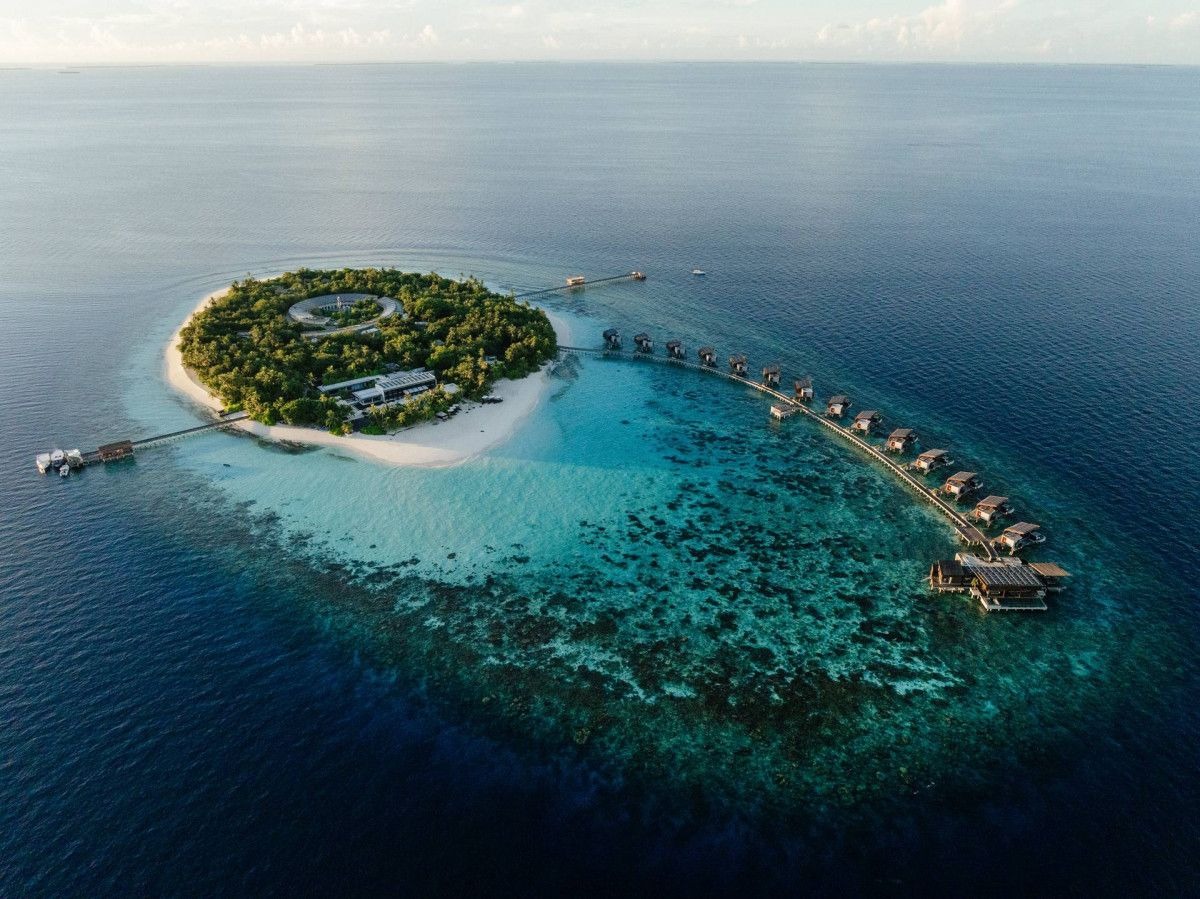
The Maldives remains one of the most recognisable destinations for luxury island holidays. Its coral atolls, white sandy beaches, clear lagoons and overwater villas attract honeymooners, families, diving enthusiasts and travellers seeking peaceful surroundings. The islands experience warm temperatures throughout the year, with sea conditions playing an important role in determining the best time for different activities.
The north-east monsoon, locally known as Iruvai, generally brings drier weather from November to April. April is among the hottest months. The south-west monsoon, known as Hulhangu, usually influences conditions between May and October, bringing stronger winds, increased rainfall and rougher seas in some areas. Nevertheless, the wetter season does not mean continuous rain, and many resorts operate throughout the year.
The Maldives also offers marine experiences beyond traditional beach holidays. Coral reef excursions, snorkelling, diving, surfing and guided marine wildlife activities broaden its appeal. For tourism businesses, these experiences create opportunities to package accommodation with specialist activities.
Entry arrangements remain comparatively straightforward for eligible tourists. Maldives Immigration confirms that visitors can receive tourist visas on arrival, subject to immigration conditions. Travellers must complete the free IMUGA Traveller Declaration within 96 hours before arrival. The current official guidance requires an arrival declaration, not a separate departure declaration for tourists.
Seychelles: Extraordinary Granite Beaches and Tropical Forests Create a Distinctive Island Escape
Indian Ocean | Indicative temperature: 30°C | Preferred seasons: April–May and October–November
Seychelles offers a combination of tropical beaches, protected natural landscapes and exclusive island accommodation. The archipelago is famous for its granite boulders, especially around Anse Source d’Argent on La Digue. Praslin is known for its tropical forests, while Mahé offers beaches, mountain scenery and cultural attractions. The wider archipelago is also associated with the remarkable Aldabra giant tortoise.
The islands remain warm throughout the year, although trade winds strongly influence sea conditions. April and May, together with October and November, are often favourable for calmer seas and underwater visibility. The north-west monsoon generally brings warmer and wetter conditions during the Southern Hemisphere summer, while the south-east trade winds can create rougher seas along exposed beaches during the middle of the year.
Seychelles appeals to travellers interested in snorkelling, diving, nature walks, island-hopping and luxury accommodation. Tourism businesses can combine these experiences into longer itineraries across Mahé, Praslin and La Digue. The destination also supports conservation-focused tourism through its protected environments and marine ecosystems.
International visitors must obtain travel authorisation through the Seychelles Electronic Border System. The official platform permits applications within 30 days of scheduled arrival and requires passport details, travel information and payment. Seychelles Electronic Border System Visitors should also account for applicable environmental tourism levies, which depend on accommodation classification and current exemptions.
Thailand: Golden Temples, Tropical Islands and Famous Street Food Create a Powerful Holiday Combination
South-East Asia | Indicative temperature: 28°C | Preferred season: November–February
Thailand offers one of the broadest tourism experiences among the ten destinations. Bangkok combines temples, shopping districts, markets and riverside attractions. Chiang Mai is associated with northern Thai culture, historic temples and mountain landscapes. Further south, Phuket, Krabi and Koh Samui provide beaches, marine excursions and island-hopping opportunities.
The country experiences several distinct weather patterns. November to February generally brings more comfortable temperatures to northern and central Thailand. March to May is the hottest period, with April frequently producing temperatures above 38°C in inland areas. Rainfall becomes more widespread during the south-west monsoon, although the Gulf of Thailand and Andaman coast have different seasonal patterns.
These variations are important for travellers planning multi-destination holidays. Phuket and Krabi may experience rougher seas during parts of the south-west monsoon, while Koh Samui can receive heavier rainfall later in the year. Travel organisers therefore need to match beach activities and island excursions with local weather conditions rather than relying on one national forecast.
Thailand has also introduced a digital arrival process. The official Thailand Digital Arrival Card replaces the former paper arrival card for foreign nationals entering by air, land or sea, subject to exemptions. It must be submitted during the three days before arrival and is not a visa.
Egypt: Ancient Pyramids, Nile Cruises and Red Sea Resorts Make Cooler Months Ideal for Discovery
North Africa | Hot-region temperatures: around 32°C | Preferred season: October–April
Egypt combines some of the world’s most celebrated ancient monuments with modern coastal holiday destinations. The Pyramids of Giza, the temples of Luxor, the archaeological treasures of Aswan and traditional Nile cruises provide an extensive heritage tourism offering. Along the Red Sea, Hurghada and Sharm El Sheikh attract travellers seeking resort accommodation, diving, snorkelling and marine activities.
Unlike tropical island destinations, Egypt has a predominantly arid desert climate. Summer temperatures in Luxor and Aswan can exceed 40°C, particularly during July and August. Cairo can also become extremely hot, making extended outdoor sightseeing less comfortable. October to April is generally a better period for exploring archaeological sites, although evenings can be cooler during winter.
The Grand Egyptian Museum at Giza provides an additional reason for heritage-focused visitors to explore the area. Its extensive collections, including treasures associated with Tutankhamun, add to Egypt’s established archaeological attractions. Combined itineraries linking Cairo, Nile cruises and Red Sea resorts allow visitors to experience different parts of the country during one holiday.
Egypt’s official e-Visa system lists eligible nationalities and offers single-entry tourist e-Visas at US$25 and multiple-entry tourist e-Visas at US$60. Applications should be made at least seven days before departure, according to the official portal. Visa-on-arrival eligibility varies by nationality and should not be assumed.
Zanzibar, Tanzania: White-Sand Beaches and Historic Stone Town Create an Indian Ocean Cultural Escape
East Africa | Indicative temperature: 26°C | Preferred seasons: June–October and January–February
Zanzibar offers an appealing combination of tropical beaches, historic architecture and Swahili cultural traditions. Located off mainland Tanzania, the archipelago is known for its Indian Ocean coastlines, spice plantations, traditional markets and Stone Town, a UNESCO World Heritage Site. Its winding streets, historic buildings and maritime heritage reflect centuries of cultural and commercial connections.
The island experiences warm and humid conditions throughout the year. February is generally among the hottest months, while the longer rainy season, known locally as Masika, typically occurs from late March through May. Shorter rains, called Vuli, usually arrive around November. June to October often provides more comfortable conditions for beach activities, walking tours and outdoor excursions.
Zanzibar also offers opportunities for tourism businesses to develop combined cultural and coastal itineraries. Travellers can explore Stone Town, visit spice farms, experience local cuisine and spend time at beach resorts. The islands can also form part of wider Tanzanian holidays incorporating mainland wildlife safaris and nature experiences. An important visitor requirement is Zanzibar’s mandatory inbound travel insurance. The Zanzibar Insurance Corporation operates the official insurance scheme, which provides specified travel-related cover and is separate from ordinary international travel insurance.
Kenya: Big Five Safaris and Indian Ocean Beaches Deliver Two Remarkable Holiday Experiences
East Africa | Hot-region temperatures: around 30°C | Preferred seasons: June–October and January–February
Kenya offers a distinctive combination of wildlife adventures, dramatic landscapes and coastal relaxation. The Maasai Mara is internationally recognised for its Big Five wildlife viewing, while the Great Rift Valley, national parks and protected natural environments provide opportunities for photography, nature tourism and guided safaris. Along the Indian Ocean, Diani Beach and the Mombasa coastline offer warmer coastal holidays.
The country’s climate varies substantially by location. Nairobi and the central highlands experience cooler conditions, often around 18°C to 25°C, while coastal areas can reach approximately 28°C to 32°C. January and February are generally warmer and comparatively dry in many regions. The longer rains usually occur during April and May, although rainfall patterns vary geographically.
The annual Great Migration is another important attraction. Wildebeest and other grazing animals move between Tanzania’s Serengeti ecosystem and Kenya’s Maasai Mara, with July to October commonly associated with migration-related safari tourism in the Mara. However, wildlife movements depend on rainfall and grazing conditions, and individual river crossings cannot be predicted precisely.
Kenya operates an electronic travel authorisation system for visitors who require pre-travel permission. The official eTA platform also lists important exemptions, including eligible East African Community citizens and nationals of various other countries. Kenya Electronic Travel Authorization (eTA) Travellers should additionally check yellow fever vaccination requirements when arriving from countries with transmission risks.
Mexico: Ancient Mayan Ruins, Tropical Beaches and Regional Cuisine Open Up Diverse Holiday Choices
North America | Indicative temperature: 26°C in warmer areas | Preferred season: December–April
Mexico offers a broad tourism experience combining archaeological heritage, coastal resorts, traditional cuisine and natural attractions. The Riviera Maya, Cancún and Tulum attract visitors seeking Caribbean beaches, cenotes and ancient Mayan sites. Along the Pacific coast, destinations including Puerto Vallarta and Oaxaca provide contrasting landscapes, coastal activities and cultural experiences.
The country’s weather varies significantly between regions. The Yucatán Peninsula and coastal resort areas are generally warm, while Mexico City and other central highland destinations experience cooler conditions. December to April is often a favourable period for beach holidays and outdoor sightseeing. The wetter season commonly affects many regions from June to September, although the exact pattern varies.
Mexico’s Caribbean and Gulf coasts can also be affected by Atlantic tropical storms and hurricanes. The official Atlantic hurricane season runs from June through November, with heightened activity often occurring during late summer and early autumn. Travellers visiting during this period should monitor official weather forecasts and consider flexible travel arrangements.
The Tren Maya railway adds a transport option for exploring parts of the Yucatán Peninsula and surrounding regions, including connections serving major tourism centres and archaeological destinations. Mexico’s immigration arrangements vary by nationality, and visitors should not assume that a stay of 180 days will automatically be granted. Its combination of beaches, food tourism, archaeological sites and regional transport makes Mexico suitable for longer, multi-stop holidays.
Spain’s Canary Islands: Europe’s Islands of Eternal Spring Offer Mild Sunshine in Every Season
Atlantic Europe | Indicative temperature: 21°C | Preferred season: Year-round
The Canary Islands provide an alternative for travellers who prefer comfortable warmth rather than intense tropical heat. The Spanish archipelago includes Tenerife, Gran Canaria, Lanzarote and Fuerteventura, each offering distinctive volcanic landscapes, beaches and outdoor attractions. Their subtropical oceanic climate has helped establish the islands as a popular destination for European winter-sun holidays.
Temperatures remain comparatively mild throughout the year, with many coastal areas experiencing daytime highs around 20°C to 26°C. August is generally among the warmest months, while winter brings cooler evenings and occasional rainfall. Trade winds help moderate temperatures, and local microclimates create differences between the greener northern regions and sunnier southern coastal areas.
Tenerife’s Mount Teide offers volcanic scenery and hiking opportunities, while Gran Canaria combines mountain landscapes with established beach resorts. Lanzarote attracts visitors interested in volcanic terrain, and Fuerteventura is particularly associated with extensive beaches and water sports. Protected natural areas may require permits or advance reservations for particular routes or activities. As part of Spain, the Canary Islands follow applicable Schengen entry requirements. The European Union’s Entry/Exit System became fully operational at participating external borders on 10 April 2026, introducing electronic registration for eligible non-EU short-stay travellers.
Aruba: Caribbean Sunshine, Turquoise Seas and Trade Winds Support Beach Holidays Across the Year
Caribbean | Indicative temperature: 28°C | Preferred season: January–August
Aruba offers a warm Caribbean holiday environment characterised by sandy beaches, turquoise waters and steady trade winds. Located north of Venezuela, the island has a relatively dry, semi-arid tropical climate that differs from the wetter conditions experienced by many other Caribbean destinations. Temperatures commonly remain around 28°C to 30°C throughout the year.
September is often among the warmest months, while October to December generally brings increased rainfall. Aruba lies towards the southern edge of the main Atlantic hurricane belt, meaning direct hurricane impacts are less frequent than in several northern Caribbean locations. However, the island is not completely protected from tropical weather disturbances, and visitors should continue to monitor forecasts.
International visitors who are required to complete Aruba’s online Embarkation and Disembarkation Card must do so before arrival. The island also operates a US$20 sustainability fee for applicable visitors, integrated into the digital ED Card process. The official tourism authority identifies exemptions and specific arrangements for repeat visitors and other categories.
Rio de Janeiro, Brazil: Famous Beaches, Mountain Views and Cultural Attractions Bring Tropical City Holidays to Life
South America | Indicative annual temperature: 24°C | Preferred season: May–October
Rio de Janeiro combines the energy of a major international city with the natural appeal of a coastal holiday destination. Its famous Copacabana and Ipanema beaches attract visitors throughout the year, while Christ the Redeemer, Sugarloaf Mountain and the surrounding landscape provide some of Brazil’s most recognisable tourism attractions.
The city follows Southern Hemisphere seasons. Summer runs from December to March, bringing hot and humid weather, with daytime temperatures often reaching 30°C to 35°C. February is commonly among the hottest months. Afternoon thunderstorms can occur during the summer, while the period from May to October generally offers milder temperatures and comparatively drier conditions.
Rio’s tourism experiences extend beyond its beaches. Visitors can explore cultural neighbourhoods, traditional food, music, museums, urban viewpoints and outdoor recreation. Its distinctive combination of natural scenery and city life makes it suitable for travellers who want more than a conventional beach resort holiday. Brazil’s entry rules vary by nationality. Since April 2025, ordinary passport holders from the United States, Canada and Australia have been subject to visa requirements, with electronic application arrangements available. Brazil’s official consular guidance provides nationality-specific visa classifications.
Which Warm-Weather Destination Is Best for Beaches, Wildlife, History and Cultural Holidays?
The ten destinations cater to different travel interests. Rather than choosing solely by temperature, travellers can consider the type of holiday they want, the activities available and the seasonal conditions.
| Holiday interest | Suitable destinations | Main attractions |
|---|---|---|
| Luxury beaches and island escapes | Maldives, Seychelles, Aruba | Overwater villas, beaches, lagoons and marine activities |
| Wildlife and safari holidays | Kenya, Tanzania | Big Five safaris, nature reserves and wildlife viewing |
| Ancient history and archaeological tourism | Egypt, Mexico | Pyramids, temples, Mayan ruins and heritage sites |
| Food, culture and city experiences | Thailand, Rio de Janeiro | Street food, cultural attractions, markets and city beaches |
| Mild winter sunshine | Canary Islands | Volcanic landscapes, coastal walks and comfortable temperatures |
| Diving and snorkelling | Maldives, Seychelles, Egypt, Aruba | Coral reefs, marine wildlife and coastal excursions |
| Combined beach and cultural holidays | Zanzibar, Thailand, Mexico | Historic towns, local cuisine and coastal resorts |
These categories also provide a useful framework for travel businesses designing specialist itineraries. For example, visitors seeking wildlife experiences may prefer a Kenyan safari, while those interested in history could choose Egypt’s Nile Valley or Mexico’s archaeological destinations. Travellers who dislike intense heat may find the Canary Islands more comfortable than hotter tropical locations.
Digital Travel Authorisations, Tourist Visas and Local Fees Become Essential Holiday Planning Details
Beyond weather and attractions, international visitors must consider documentation requirements and destination-specific charges. Several of the ten destinations operate electronic arrival declarations, travel authorisations or visa systems.
| Destination | Important travel requirement or update |
|---|---|
| Maldives | Free IMUGA Traveller Declaration within 96 hours before arrival; tourist visa on arrival subject to conditions |
| Seychelles | Electronic Travel Authorisation; environmental levy of SCR 75 or SCR 100 per person per night at applicable accommodation |
| Thailand | Free Thailand Digital Arrival Card within three days before arrival; visa eligibility varies |
| Egypt | Official tourist e-Visa available to eligible nationalities; single-entry fee US$25 |
| Zanzibar | Mandatory Zanzibar inbound travel insurance, plus applicable Tanzanian entry requirements |
| Kenya | Electronic Travel Authorisation for travellers who are not exempt |
| Mexico | Visa and permitted stay depend on nationality; Tren Maya provides regional travel options |
| Canary Islands | Schengen entry rules and applicable EU Entry/Exit System procedures |
| Aruba | Online ED Card and US$20 sustainability fee for applicable visitors |
| Brazil | Visa or e-Visa requirements for specified nationalities, including the US, Canada and Australia |
The Seychelles levy is a particularly important 2026 update. From 1 January 2026, qualifying small accommodation establishments with up to 24 rooms were exempted from the levy. The charge remains SCR 75 per person per night for medium establishments with 25–50 rooms and SCR 100 for larger establishments, island resorts and yachts, with specified exemptions. These requirements underline the importance of accurate pre-departure information. An arrival card is not necessarily a visa, and visa-free entry does not remove the need to satisfy passport, accommodation or immigration conditions.
Warm-Weather Tourism Offers New Opportunities for Travel Businesses Beyond Traditional Seasonal Holidays
The appeal of these ten destinations extends beyond their temperatures. They represent different forms of tourism, including luxury hospitality, wildlife conservation, heritage exploration, adventure travel, wellness, cultural experiences and coastal recreation. For travel agencies and tour operators, this diversity supports the development of more targeted holiday packages. A traveller seeking warm weather in January may consider the Maldives, Thailand, Zanzibar or Aruba. Someone planning an August holiday could explore the Canary Islands, Kenya or destinations with suitable regional conditions. Visitors interested in archaeology may find Egypt more comfortable during its cooler months, while Rio de Janeiro offers a different experience during the Southern Hemisphere winter.
Seasonal differences also matter for accommodation providers and destination managers. Understanding rainfall patterns, visitor preferences and activity-specific conditions helps businesses communicate more clearly about what guests can expect. This is particularly important for marine excursions, wildlife viewing, hiking and archaeological sightseeing, where weather can directly affect visitor comfort and activity availability.
The ten destinations demonstrate that warm-weather travel is not limited to one season or one style of holiday. From the tropical lagoons of the Indian Ocean to the deserts of Egypt, the wildlife landscapes of East Africa, Spain’s volcanic islands and Brazil’s coastal city culture, international travellers have a wide range of experiences to consider throughout 2026 and 2027.
The post Maldives Shines Alongside Seychelles, Thailand and More as 10 Spectacular Sun-Soaked Destinations Open New Travel Possibilities for 2026 and 2027 appeared first on Travel and Tour World