










Marseille Emerges as a French Tourism Alternative to Paris with Beaches, Culture and Direct US Flights
-
Travel, Food, Immigration, Culture, Weather
-
-
5 mins
-
Travel and Tour World
-
Somudranil Sarkar
-


Marseille demonstrates how a destination can differentiate itself through authentic culture, culinary diversity and a strong connection with its natural surroundings
Marseille is strengthening its position as a Mediterranean city break destination, combining historic neighbourhoods, diverse cuisine, coastal landscapes and a distinctive multicultural identity. With United Airlines planning a direct Newark service from June 2027, the French city aims to attract more American visitors while managing tourism growth and protecting its natural environment.
Marseille’s tourism proposition differs from the image many international visitors associate with France. Rather than presenting itself as a smaller version of Paris, the city promotes its maritime heritage, multicultural communities, Mediterranean lifestyle and independent creative scene.
Arnaud Drouot, president of the Marseille Tourist Office, told USA TODAY that welcoming visitors has been central to the city’s identity since its foundation.
According to the historical founding account he described, Marseille emerged from a meeting between a local princess and Greek sailors. The story reflects the city’s longstanding connections with people arriving from different parts of the Mediterranean.
Generations of migration have subsequently shaped its neighbourhoods, food traditions and cultural life. Italian, Corsican and Armenian communities have contributed to the city’s character, alongside people who arrived seeking safety and economic opportunities.
For visitors, this diversity is visible in Marseille’s restaurants, markets, architecture and everyday street life.
The city recorded 19.9 million tourist overnight stays in 2025, according to figures cited by its tourism office. That measure reflects nights spent by visitors rather than the number of individual tourists.
Vieux-Port: The Historic Waterfront
The Vieux-Port, or Old Port, is a natural starting point for exploring the city. Its marina, fish market, cafés and waterfront businesses create a lively introduction to Marseille’s maritime heritage.
Visitors can walk along the harbour, watch fishing boats return with their catch and explore the surrounding streets on foot.
The waterfront also provides a convenient base for reaching nearby attractions, restaurants and cultural venues.
Le Panier: Historic Streets and Creative Culture
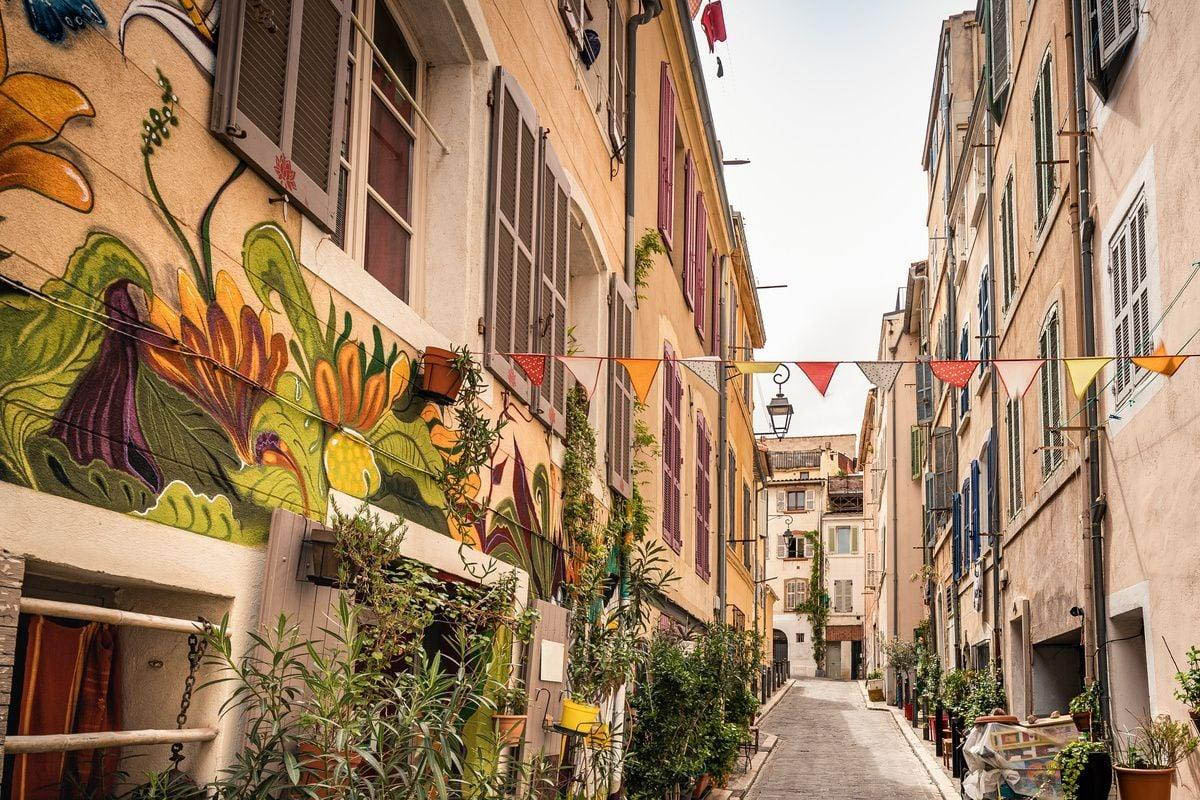
Le Panier is Marseille’s oldest neighbourhood and is known for its narrow lanes, colourful buildings and street art.
Its independent shops, cafés and creative spaces offer a different experience from the city’s main waterfront. Walking through the district allows visitors to explore Marseille’s architectural character while discovering the contemporary businesses that occupy its historic streets.
Mucem: Mediterranean History and Culture
The Museum of European and Mediterranean Civilisations, known as Mucem, examines the cultures and histories that have shaped the Mediterranean region.
Its contemporary architecture provides a striking contrast with the surrounding historic waterfront. The museum is also conveniently positioned for visitors exploring Marseille’s port area.
Notre-Dame de la Garde: Panoramic Views
The hilltop Basilica of Notre-Dame de la Garde is among Marseille’s most recognisable landmarks.
Its elevated position offers broad views across the city, harbour and Mediterranean Sea. Visitors can combine the basilica with a wider sightseeing itinerary focused on the city’s architecture and history.
The Calanques Add Nature and Adventure to the City Break

Beyond its urban attractions, Marseille provides access to the Calanques, a series of coastal inlets characterised by limestone cliffs, clear water and rugged landscapes.
The Calanques National Park offers opportunities for hiking, kayaking, climbing, swimming where permitted and boat excursions. These activities broaden Marseille’s appeal beyond cultural sightseeing and dining.
However, access requires planning. Visitor numbers and environmental pressures have prompted restrictions at certain locations during designated periods.
For example, access to Sugiton and Pierres Tombées may require a free reservation during specified peak periods. The precise requirements depend on the applicable dates and official park rules.
Travellers should check current restrictions before departure, follow marked routes and respect conservation measures. Protecting the area’s fragile environment is important as visitor demand increases.
Marseille’s Food Scene Connects Local Traditions with Global Influences
Food is central to Marseille’s tourism identity. The city’s Mediterranean setting, fishing heritage and multicultural population have helped shape a varied culinary scene.
Visitors can explore seafood restaurants, traditional Provençal cooking, North African influences, bakeries, markets and contemporary dining establishments.
The appeal extends beyond individual dishes. Food provides a way to understand the communities that have shaped Marseille over generations.
For travellers, combining meals with visits to markets and neighbourhood restaurants can make the experience more distinctive than following a sightseeing itinerary alone.
Tourism representatives also encourage visitors to allow time for unhurried meals between major attractions. This approach supports local businesses and reflects the city’s relaxed Mediterranean character.
United Airlines plans to launch daily nonstop flights between Newark Liberty International Airport and Marseille Provence Airport on 4 June 2027.
The proposed route would provide American travellers with direct access to Marseille, reducing the need to connect through Paris or arrange a separate domestic journey after arriving in the French capital.
For visitors planning holidays in southern France, the service could make Marseille a more practical arrival point. Travellers could begin their trips in the city before continuing to other destinations in Provence.
Until the planned launch, visitors can consider connecting flights or rail travel from Paris. Direct trains from Paris Charles de Gaulle Airport to Marseille Saint-Charles may be available on selected schedules, with journey times varying according to the service and connection.
Travellers should compare complete itineraries, including transfer times, fares and baggage arrangements, when booking.
The new service forms part of a broader opportunity for Marseille to improve its visibility in the North American travel market.
Tourism Growth Raises Questions About Overtourism
Marseille’s increasing popularity brings economic opportunities but also creates challenges for residents and destination managers.
The city is expected to reach seven million tourists in 2026, according to figures cited in the supplied report. This forecast should be distinguished from the 19.9 million overnight stays recorded in 2025, as tourist arrivals and overnight stays measure different aspects of visitor activity.
Tourism officials are considering how to balance economic benefits with the needs of residents and the protection of sensitive landscapes.
Short-term rental regulation is one issue, particularly where visitor accommodation affects housing availability and neighbourhood life. Managing access to popular natural areas is another, as increased footfall can contribute to erosion and environmental degradation.
Marseille must also consider the effects of expanding airport and cruise capacity.
The objective is not simply to attract more visitors. It is to ensure that tourism supports local businesses and employment without undermining the qualities that make the city attractive.
When Is the Best Time to Visit Marseille?
April and September are recommended by local tourism representatives as favourable months for visiting Marseille.
These shoulder-season periods can offer opportunities to explore the city with milder conditions than the peak summer months, although actual weather varies.
Summer visitors should prepare for high temperatures, carry water and plan breaks during the hottest part of the day. Heat alerts can affect outdoor activities, particularly hiking in exposed coastal areas.
Travellers planning to visit the Calanques should check weather warnings, fire-risk restrictions and access rules before setting out.
Spring and early autumn can be particularly suitable for combining museums, walking tours, food experiences and outdoor excursions, depending on the conditions.
The post Marseille Emerges as a French Tourism Alternative to Paris with Beaches, Culture and Direct US Flights appeared first on Travel and Tour World