
















Denmark And Estonia Are Secretly Shaping Travel Intentions For Travelers Seeking Unique Autumn Escapes Across Europe
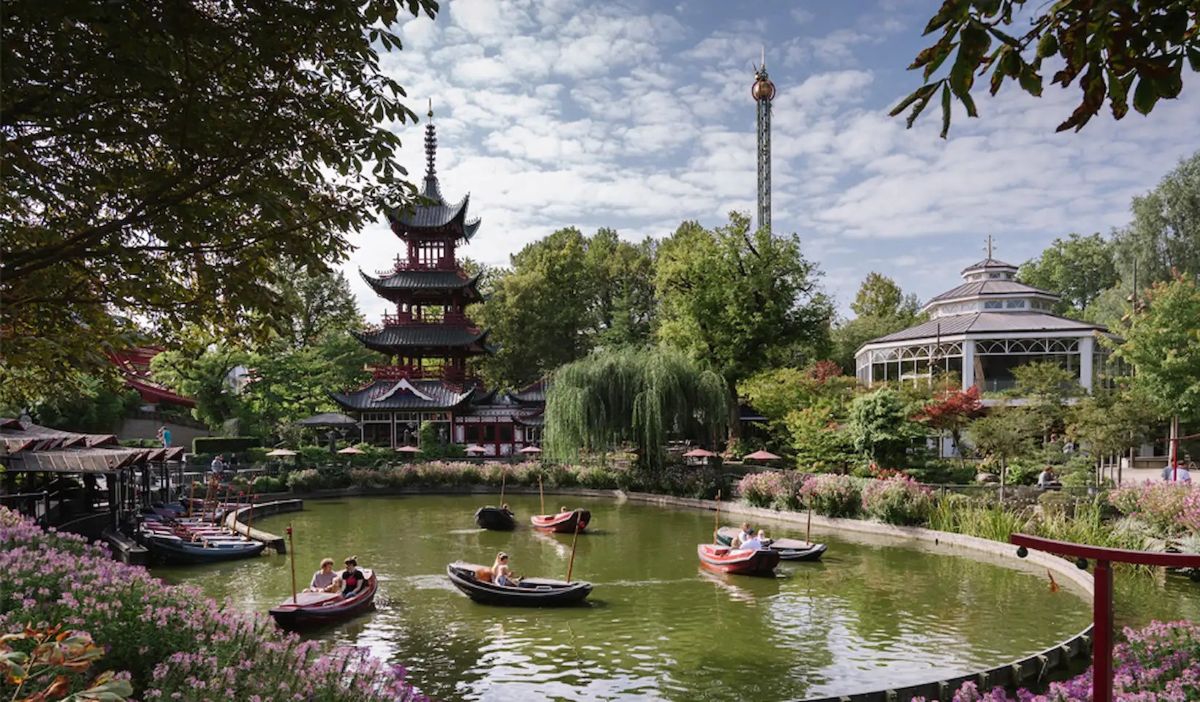
-
Travel, Health, Culture, Weather
-
-
11 mins
-
Travel and Tour World
-
Upasana Chatterjee
-


Explore how Denmark, Estonia & Finland adapt to changing tourist trends, border shifts & coolcationing with high-yield, sustainable tourism strategies.
Think of Northern Europe now and you might picture quiet Nordic docks or empty Baltic cobblestones.. Look closer. Beneath the surface of Tallinn, Helsinki and Copenhagen there is a fierce emotional battle for revival. While Southern Europe basks in summer surges the North is quietly fighting off lost border markets, detour-heavy flight paths and squeezed wallets. Yet far, from giving up these resilient northern souls are reinventing what it means to travel. They are turning solitude into cold winters into warm escapes and structural heartbreak into an unforgettable high-value journey of survival.
What is driving the fascinating post-pandemic tourism evolution across Denmark, Estonia, and Finland?
The tourism landscape in Northern Europe is undergoing a massive structural transformation as nations like Denmark, Estonia, and Finland pivot away from traditional transit routes. While Southern European hotspots struggle with overtourism, northern destinations are successfully redefining their value propositions through targeted market diversification.
Furthermore, changing consumer preferences toward cooler climates and sustainable travel have triggered an incredible influx of international visitors seeking authentic, uncrowded experiences. This shift requires regional operators in iconic capitals like Copenhagen, Tallinn, and Helsinki to constantly upgrade their hospitality infrastructure without compromising local charm.
How are changing flight paths and closed borders reshaping tourism in Helsinki and Tallinn?
The complete closure of the eastern EU border has completely eliminated Russian and Belarusian regional travel, forcing eastern border counties and regional hubs to innovate rapidly. In Estonia, the reduction in short-haul visits from neighboring Finland has directly impacted retail and hotel operations in coastal districts.
Simultaneously, EU-Russia airspace restrictions have lengthened flight routes from East Asia, altering the long-haul transit dynamics that once fueled Helsinki Airport. Despite these profound geopolitical hurdles, domestic tourism has stepped in as a powerful cushion, with domestic overnight stays growing robustly across spa regions like Pärnu and Saaremaa.
Why are record overnight stays in Copenhagen masking a drop in visitor spending yields?
Official metrics from Statistics Denmark indicate that Denmark has registered a staggering 26 million overnight stays, yet regional destination boards report compressed per-capita spending. Broader macroeconomic pressures have forced holidaymakers to tighten their discretionary budgets on dining out and attraction tickets, even as German travelers flood coastal holiday homes along Jutland.
Moreover, shorter average lengths of stay have created a unique yield challenge for local tourism boards across Denmark. To counter this, industry leaders are aggressively shifting focus toward eco-certified travel and high-value cultural itineraries to ensure sustainable economic growth despite fluctuating visitor wallets.
Has the Shift Toward “Coolcationing” Permanently Redirected European Summer Travel to Jutland and Lapland?
Escalating summer heatwaves and wildfire threats across Mediterranean destinations like Greece, Spain, and Southern Italy have sparked a fundamental behavioral shift known as “coolcationing.” Central European holidaymakers, particularly families traveling from Germany and the Netherlands, are increasingly steering summer itineraries toward temperate Northern European corridors. Along the West Coast of Jutland in Denmark, coastal holiday cottage rentals reached peak capacity, contributing to a record 26.0 million commercial overnight stays across the country in the first half of the year and 67.7 million total overnight stays annually, both reflecting a 2% year-on-year rise.
Simultaneously, Finland’s vast lake districts and Arctic territory in Lapland—centered around Rovaniemi and Salla—have successfully capitalized on climate-driven preferences by expanding warm-weather eco-tourism and outdoor activities. Although winter sports remain Lapland’s primary financial engine, summer treks beneath the Midnight Sun and Wilderness lodge retreats attracted elevated volumes of long-haul visitors. These summer inflows helped Finland maintain a resilient €3.7 billion total baseline in foreign visitor expenditure, even as shoulder-season Chinese overnight stays in Denmark grew by 40%.
How Are High Inflation and Regional Economic Tightening Squeezing Daily Visitor Expenditure Across Nordic Cities?
While aggregate visitor headcounts and registered overnight stays have reached record highs in several areas, actual economic yield per visitor exhibits noticeable compression across the Nordic and Baltic regions. Broader inflationary pressures and high operational costs have led tourists to trim their average length of stay. In capital cities such as Copenhagen and Helsinki, hoteliers and municipal destination boards observe that while baseline room occupancy remains robust, secondary spending on fine dining, guided excursions, and high-street retail has contracted per capita.
This overall spending pressure is evidenced in Finland, where total foreign visitor expenditure dipped by 2% to €3.7 billion despite a 4% growth in overall international arrivals to 5.1 million visitors. International business travel spending dropped even further, recording a 15% year-on-year decrease. In Estonia, where domestic overnight trips average an expenditure of €173.30 per visit compared to €1,075.40 spent by Baltic residents on outbound overseas travel, hospitality businesses are adjusting to frugal consumer spending. Foreign tourists routinely reduce three-night urban itineraries to two nights or shift from premium hotels to mid-scale self-catering rentals, forcing the industry to navigate squeezed profit margins amidst rising headcount.
Can Transatlantic Growth offset the Loss of Long-Haul Asian Transit Traffic at Helsinki Airport?
Prior to 2020, Helsinki Airport functioned as one of Europe’s primary aviation shortcuts to East Asia, generating significant transit passenger traffic from China, Japan, and South Korea. However, the closure of Russian airspace extended flight times from Northern Europe to Tokyo and Beijing by three to four hours, compelling Finnish aviation authorities and tourism boards to re-orient marketing campaigns toward transatlantic markets in North America.
This strategic pivot has yielded strong results across northern winter hubs like Rovaniemi, Levi, and Kittilä, where American travelers now represent one of the fastest-growing and highest-spending international cohorts. Driven largely by North American, British, and German demand, Finland recorded 702,500 foreign overnights in January alone (a 3% year-on-year increase), while leisure trips grew to represent 76% of all international visits (+7% volume growth). Meanwhile, as Chinese traveler overnight stays in Denmark topped 105,000 during early recovery phases, Finland’s focus on high-yield Arctic winter packages has successfully sustained overall foreign overnights at a record 7.2 million.
How Are Baltic Sea Ferry Services Adapting to Reduced Cross-Border Shopping Between Helsinki and Tallinn?
The busy maritime corridor between Helsinki and Tallinn, served by major Gulf of Finland ferry operators, has long relied on high-frequency passenger traffic. However, economic tightening in Finland alongside narrowing price gaps for goods, dining, and services between Finland and Estonia have curbed the traditional day-trip shopping market that historically filled daily sailings.
To counter lower short-haul shopping volumes from Finland, Visit Estonia and port administrators have pivoted toward promoting extended cultural, wellness, and culinary itineraries. Despite overall inbound foreign arrivals remaining more than 12% below 2019 benchmarks, targeted campaigns bolstered accommodation metrics. Estonian establishments achieved 481,646 accommodated guests in a single peak summer month (+4.9% year-on-year) and logged 873,626 total monthly overnight stays (+6.4% year-on-year). Coastal spa destinations in Pärnu, wellness retreats on Saaremaa Island, and historic quarters in Tallinn Old Town now increasingly depend on domestic staycations and longer-stay travelers from Germany, Poland, and the United Kingdom.
What Structural Changes Have Occurred in Frontier Regions Following the Loss of Russian Border Trade?
The geopolitical closure of the EU’s eastern border fundamentally transformed local economies along the border zones of Eastern Finland and Eastern Estonia. Frontier towns such as Lappeenranta, Imatra, and Joensuu suffered the complete loss of more than 1.5 million annual Russian border crossings that previously fueled retail outlets, tax-free shopping, and local hospitality providers.
A similar disruption unfolded in Eastern Estonia, where the loss of cross-border transit through Narva removed a primary revenue stream for regional hotels and service providers across Ida-Viru County. In response, national governments and regional development agencies are repurposing border infrastructure into green technology parks, eco-tourism networks, and cultural hubs. Regional development funds are now directed toward positioning nature reserves and cultural landmarks—such as Koli National Park in Finland—as tranquil retreats for domestic travelers and Western European eco-tourists rather than high-volume border transit stops.
Are Off-Peak “Shoulder Season” Initiatives Effectively Flattening Summer Overcrowding in Urban Centers?
Peak-season over-tourism during July and August has historically placed heavy pressure on municipal infrastructure in major heritage hubs like Copenhagen and Tallinn. To distribute visitor flows more evenly throughout the year, national bodies—including VisitDenmark, Visit Estonia, and Visit Finland—launched strategic off-peak campaigns highlighting autumn gastronomy in Copenhagen, traditional sauna festivals in Estonia, and late-winter Arctic adventures in Finland.
Data indicates these seasonality-flattening efforts are successfully redistributing visitor volume, with 31% of total annual overnight stays across Northern Europe now occurring during shoulder months (September–November and March–May). Estonia recorded 623,000 domestic overnight trips during the second quarter alone, while Finland registered a 3% year-on-year increase in foreign overnights during off-peak winter months like January. By generating higher percentage growth during off-peak periods than during peak summer weeks, destinations maintain year-round employment in hospitality and stabilize steady revenues for venues in secondary cities such as Aarhus, Tartu, and Tampere.
How Is the Slower Recovery of Business Travel Accelerating the Adoption of “Bleisure” Models?
The Meetings, Incentives, Conferences, and Exhibitions (MICE) sector across Northern Europe continues to experience a prolonged recovery relative to leisure travel. Driven by tighter corporate travel budgets and widespread hybrid working arrangements, international business travel trips to Finland dropped by 4%, while overall corporate travel spending fell by 15% year-on-year. Consequently, business travel now accounts for just 24% of total inbound visits to Finland, well below pre-2020 levels.
To counter reduced corporate room bookings, urban hotels and convention bureaus across Copenhagen, Helsinki, and Tallinn are heavily promoting “bleisure” options that encourage conference delegates to extend work trips into weekend leisure stays. Hospitality operators package professional events alongside regional excursions to cultural sites like Porvoo Old Town in Finland, Kronborg Castle in Denmark, or Lahemaa National Park in Estonia. This strategy enables venue operators to recoup corporate yield losses by extending overall duration of stay.
What Role Does Regenerative Eco-Tourism Play in Protecting Sustainable Financial Yields?
Instead of chasing raw visitor headcount, Denmark, Estonia, and Finland are positioning their tourism sectors around regenerative, low-impact travel models. National strategic frameworks emphasize carbon efficiency standards, eco-certified lodging, and visitor capacity caps across vulnerable environments such as the Archipelago Sea in Finland, Saaremaa Island in Estonia, and the Wadden Sea National Park in Denmark.
This focus on environmental stewardship is reflected in Estonia, where 1,233 accommodation establishments encompassing 25,465 registered rooms and 60,726 bed places—are adapting to green certification standards. Meanwhile, Finland’s tourism sector achieves a carbon efficiency earning ratio of €1.1 per kg of CO₂ emitted. By focusing marketing efforts on environmentally conscious, higher-spending travelers from North America and Western Europe, Northern European nations preserve rural employment and tax revenues while protecting local ecosystems from the pressures of mass tourism.
How Are Secondary Aviation Corridors and Direct Point-to-Point Routes Decentralising Long-Haul Access Across Jutland and Lapland?
The realignment of Northern Europe’s flight network extends far beyond traditional metropolitan aviation hubs. As Helsinki Airport restructures operations around altered Asian route trajectories, regional secondary airfields across the Nordic landscape are stepping up to maintain direct international access. In Denmark, regional nodes such as Billund Airport—serving the Legoland resort zone and the West Coast holiday region—alongside Aarhus Airport have experienced significant traffic gains. Increased flight frequencies connecting these regional gateways directly to Germany, Great Britain, and the Netherlands have enabled travelers to bypass urban transit delays in Copenhagen.
In Finland, direct international charters and scheduled carrier routes straight into Lapland gateways—including Rovaniemi Airport, Kittilä Airport, and Ivalo Airport—have eliminated the necessity for Helsinki layovers. European and transatlantic carriers now operate direct winter routes connecting cities like Paris, London, Frankfurt, and New York straight into northern Lapland. This structural decentralisation empowered Finland to secure a record 702,500 foreign overnights in January alone (a 3% year-on-year increase), supported by a 16% surge in American visitor overnights during peak winter months and ensuring Arctic tourism thrives independently of central hub disruptions.
Can the Expansion of UNESCO Heritage and Cultural Corridors Successfully Divert Visitor Traffic Beyond Capital Cities Toward Tartu and Odense?
To alleviate tourist density across capital landmarks like Tallinn Old Town and Copenhagen’s Nyhavn, national destination authorities are redirecting travel flows into regional cultural capitals. In Estonia, the momentum generated by Tartu—the nation’s historic university city in the south—serving as the European Capital of Culture permanently elevated regional tourism performance. International visitors increasingly pair short stays in Tallinn with scenic rail connections to southern cultural hubs like Tartu and Viljandi, driving regional accommodation overnights up by 6.4% year-on-year across a national baseline of 481,646 accommodated tourists in peak months, where non-capital territories represented over 50% of total room nights.
In Denmark, strategic infrastructure investments across regional urban centers are yielding similar geographic diversification. The fairytale-themed cultural district in Odense on the island of Funen, together with the architectural museums of Aarhus, continue to pull steady visitor traffic from Central Europe and the Nordic region. By establishing well-integrated cultural transit corridors between major urban nodes, Denmark and Estonia effectively extend visitor dwell times, ensuring regional heritage assets contribute directly to national travel revenues.
How Are Thermal Sanatoriums and Coastal Nature Spas in Pärnu, Saaremaa, and Kuressaare Driving High-Yield Year-Round Stays?
Health and wellness travel has established itself as a primary strategy for stabilizing off-peak occupancy across Baltic coastal municipalities. In Estonia, historic coastal spa hubs including Pärnu (the official summer capital), Saaremaa Island, and its regional center Kuressaare have transformed traditional sea-mineral sanatoriums into modern, eco-certified wellness resorts. These coastal retreats attract domestic staycationers alongside health-conscious visitors from Sweden, Germany, and the UK seeking holistic mental detox and physical restoration.
Because wellness itineraries remain largely immune to seasonal weather shifts, coastal spa retreats sustain consistent year-on-year occupancy metrics even through late autumn and early spring. With domestic holidaymakers spending an average of €173.30 per overnight trip, regional wellness establishments establish a reliable financial floor during shoulder months. This steady demand buffers local employment across rural coastal communities that historically endured severe winter business closures, all supported by over 25,000 registered commercial rooms adapting to modern green-transition benchmarks.
What Economic Impact Is the Acceleration of Mobile Outdoor Tourism Having on Coastal Denmark and the Finnish Lakeland?
Changing post-pandemic traveler preferences have driven substantial growth in self-contained, nature-based accommodations across Northern Europe. In Denmark, coastal camping grounds, trailer parks, and holiday cottage rentals along the North Sea shoreline in Jutland and the island of Bornholm achieved multi-year occupancy records. European travelers seeking privacy and budget flexibility turned toward mobile caravans and eco-glamping sites, elevating outdoor lodging to account for over 30% of non-hotel commercial overnights in Denmark during a season that reached 26.0 million total H1 overnight stays.
In Finland, a parallel trend has re-energized the expansive Finnish Lakeland territory encompassing Lake Saimaa, Kuopio, and Tampere. Domestic and European holidaymakers are increasingly opting for traditional self-catering wooden cottages (mökki) fitted with private saunas and eco-friendly solar infrastructure. This shift toward low-density outdoor living allows regional authorities to capture a substantial share of Finland’s €3.7 billion total foreign visitor expenditure while protecting delicate lakeland ecosystems from heavy hotel developments across 5.1 million foreign arrivals.
How Is the Surging Popularity of Dark-Sky Astrotourism and Aurora Chasing Transforming Off-Season Economies in Northern Lapland?
Astrotourism—focused on light-pollution-free stargazing and Northern Lights (Aurora Borealis) viewing—has grown into one of Northern Europe’s most lucrative seasonal niches. In Arctic Finland, destinations such as Ivalo, Inari, Utsjoki, and Levi have capitalized on heightened solar activity by constructing glass-igloo resorts and wilderness observation platforms. This premium market generated an impressive 987,900 foreign overnights in December alone, representing a 9% year-on-year increase and a 25% surge over 2019 pre-pandemic levels.
The financial performance of astrotourism is anchored by high per-capita visitor spend, particularly among North American travelers whose overnight stays soared by 141% compared to pre-2020 baselines. Concurrently, European visitors from the UK, Germany, and France accounted for over 645,600 overnights during the winter light-chasing season. By pairing night-sky wilderness excursions with authentic Indigenous Sami cultural experiences, northern destination managers have turned pitch-black Arctic winters into their most profitable economic season.
The Final Verdict
What we are witnessing across the North is not economic survival; it is a quiet poetic rebirth. I feel that Denmark, Estonia and Finland are not merely chasing numbers; Denmark, Estonia and Finland are protecting their soul. By trading crowded fleeting summer rushes for mindful journeys, Denmark, Estonia and Finland show the world how to heal from lost borders and shifting tides. The Nordic waters the autumn mist in Tallinn and the quiet Arctic night under the northern lights stand as a testament: true travel is not about passing through places but, about letting places leave a lasting mark on the traveler.
Frequently Asked Questions
Are Denmark, Estonia, and Finland experiencing an overall drop in tourist arrivals?
No. Denmark and Finland have reached record levels in total overnight stays. Estonia’s international arrivals continue to grow year-on-year, though total international volume remains below 2019 baselines.
What is the primary cause of tourism headwinds in Eastern Finland and Eastern Estonia?
The closure of the eastern EU border eliminated Russian land-border visitors and transit trade, impacting regional accommodation providers in border areas.
How have flight path restrictions affected Nordic tourism?
EU-Russia airspace restrictions lengthened flight paths between Northern Europe and East Asia. This change increased travel times and altered hub dynamics for long-haul transit passengers passing through Helsinki.
The post Denmark And Estonia Are Secretly Shaping Travel Intentions For Travelers Seeking Unique Autumn Escapes Across Europe appeared first on Travel and Tour World




































































