





Norway’s Viral Win, The Ultimate Travel Guide To The World’s Best Destination For Epic Landscapes And Sustainable Escape
-
Travel, Health, Weather
-
-
8 mins
-
Travel and Tour World
-
Upasana Chatterjee
-


Discover why Norway is the premier 2026 destination, featuring the Northern Lights, fjords, and sustainable travel trends that are currently reshaping the global tourism industry today.
Norway has recently achieved a significant milestone, being named the simply spectacular country named world’s best destination to visit this year. This prestigious recognition stems from the nation’s unparalleled accessibility and its breathtaking, world-class scenery. Consequently, adventurers from across the globe are redirecting their itineraries toward the Nordic region. Because of its distinctive allure, the country has successfully surpassed traditional vacation hotspots in the 2026 global rankings. This movement toward northern territories represents a major transition in contemporary holiday planning. Furthermore, the awe-inspiring nature of the geography ensures that every guest experiences a deep sense of wonder. The emergence of this location as a leader is far from accidental; it is the product of careful environmental stewardship. By prioritizing premium experiences over mass tourism, the nation has firmly established itself at the peak of the international travel hierarchy.
The global community is witnessing a pivotal moment as the travel sector recalibrates its compass toward the Arctic circle. This shift is not merely about a change in location; it represents a fundamental transformation in what modern explorers value. While the southern sun was once the primary draw for vacationers, the crisp, unpolluted air of the North has now become the ultimate luxury. The international travel industry is responding by investing heavily in northern infrastructure, recognizing that the demand for these “cool” escapes is no longer a niche market but a mainstream movement. As global temperatures continue to fluctuate, the stability and refreshing climate of Norway offer a reliable sanctuary for those looking to reconnect with the natural world.
A New Era for the International Travel Sector
The announcement that Norway has secured the title of the leading destination for 2026 is set to create a massive wave of change throughout the global tourism economy. Experts anticipate that this honor will fundamentally redirect the movement of travelers, shifting interest away from the traditionally sweltering Mediterranean and toward the refreshing northern latitudes. This emerging behavior is frequently termed “coolcationing.” It represents a psychological shift among modern vacationers who now prefer temperate weather and crisp air over intense, scorching heat.
For those operating within the tourism industry, this shift signifies a massive spike in requests for high-end, ecologically focused expeditions. Companies must now pivot to offer more specialized Scandinavian packages that cater to this sophisticated demand. The repercussions are truly worldwide. As more people chase the Northern Lights and the Midnight Sun, there will be an increased necessity for global logistics providers to offer smoother, more frequent transit options to even the most secluded regions. This change promotes a healthier, more distributed form of tourism, steering travelers away from congested urban centers and toward vast, open-air landscapes.
- Global aviation networks are likely to restructure their flight paths to better serve the growing number of northern-bound explorers.
- The international hospitality sector is currently observing and adopting the Norwegian model of quiet, refined luxury as a new gold standard.
This new era is defined by the search for authenticity. Travelers are no longer satisfied with generic resort experiences; they want to feel the mist of a waterfall on their faces and witness the celestial dance of the Aurora Borealis. This demand for “real” experiences is forcing travel providers to rethink their business models. Instead of large-scale developments, there is a push for smaller, more intimate accommodations that blend seamlessly into the environment. This evolution is beneficial for local communities as it encourages the preservation of local traditions and supports small-scale entrepreneurship.
Natural Splendor and Environmental Stewardship
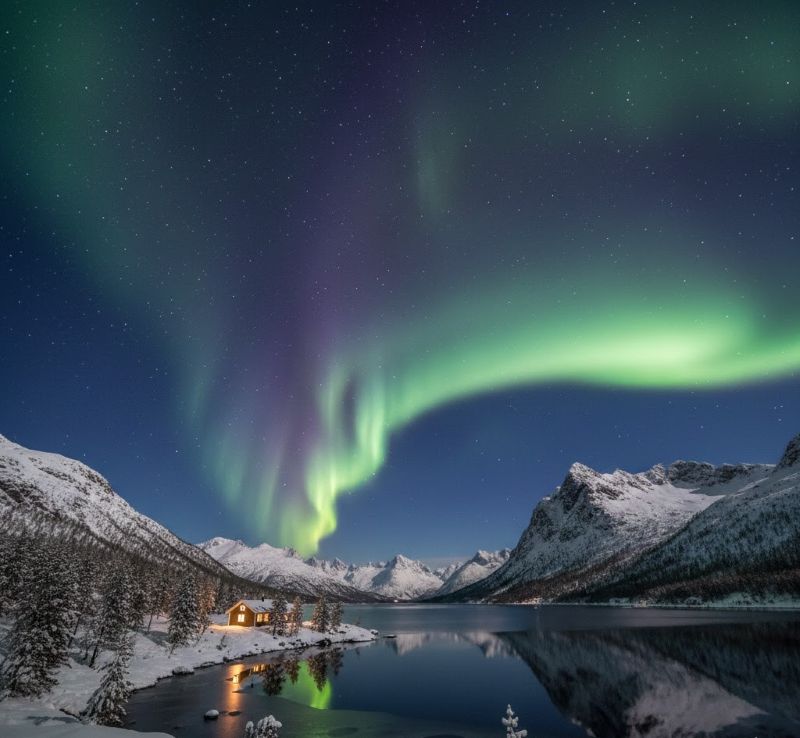
It is widely understood that the primary magnet for global visitors is the country’s stunning array of natural wonders. The fjords, celebrated worldwide for their massive scale and dramatic cliffs, remain the absolute heart of the nation’s charm. Additionally, the ethereal radiance of the Aurora Borealis provides a visual experience that is nearly impossible to replicate elsewhere on the planet. When these features are paired with the mesmerizing phenomenon of the Midnight Sun, the result is a powerful year-round attraction for anyone in search of the extraordinary.
However, the fascination with this region goes much deeper than surface-level beauty. A pivotal reason for its top-tier ranking is the country’s unwavering dedication to “green” tourism practices. The deployment of silent, zero-emission electric ferries within UNESCO-listed waters provides a masterclass for the rest of the world in environmental preservation. By building such advanced, sustainable infrastructure, the nation guarantees that its pristine wilderness stays unharmed for future generations. This focus on ecological integrity is no longer just a trend; it is now an essential requirement for the modern, ethically-minded traveler.
Environmental stewardship in the Nordic region is setting a global benchmark. The integration of renewable energy into the tourism sector is not just about reducing carbon footprints; it’s about enhancing the visitor experience. Imagine gliding through the Sognefjord on a vessel that makes no sound, allowing the calls of sea birds and the rush of distant waterfalls to take center stage. This silent revolution in transport is a major factor in why the country has been hailed as the world’s best destination. It proves that technological advancement and nature can coexist in perfect harmony.
Urban Evolution and Cultural Depth
Beyond the rugged charm of the countryside, the sophisticated growth of major metropolitan areas is fueling this tourism surge. Oslo and Bergen are frequently highlighted as premier examples of cities that have successfully married cutting-edge modern architecture with a profound Viking heritage. These locations are no longer seen as mere stopping points or gateways; they have evolved into primary destinations. They offer a thriving culinary scene that prides itself on utilizing fresh, local, and organic ingredients.
The global impact of this cultural refinement is the successful rebranding of the North as a sophisticated center for both art and fine dining. Travelers are discovering a unique duality: they can partake in intense outdoor adventures during the daylight hours and retreat to world-class restaurants by evening. This versatile appeal makes the region a “perfect fit” for the varied requirements of the 2026 traveler.
- Modern urban design in these cities is now a global benchmark for how to successfully weave natural elements into a metropolitan lifestyle.
- The careful protection of historical landmarks is being used to drive a new wave of educational tourism and authentic storytelling.
The architectural landscape of Oslo, particularly the waterfront area, showcases how a city can be both a functional capital and a piece of art. The Munch Museum and the National Museum are not just buildings; they are cultural statements that draw art lovers from every continent. Similarly, the historic Bryggen wharf in Bergen connects visitors to a past of maritime trade and ancient stories. This combination of historical weight and modern innovation creates a rich, textured experience that keeps travelers coming back for more.
The Rise of the Coolcationing Trend
The recent transformation in travel habits is largely fueled by the growing “coolcationing” movement. As average global temperatures continue to climb, the desire for a traditional, sun-baked beach holiday is losing its luster for a significant portion of the population. In its place, there is a rising appetite for the revitalizing, clean atmosphere found in the North. This trend is fundamentally altering the traditional seasons of global travel, making the northern summer and the crisp winter months more popular and commercially viable than ever before.
Travelers are now realizing that a “summer” holiday doesn’t have to mean enduring 40-degree heat. Instead, they are choosing to hike in the Lofoten Islands under the glow of the Midnight Sun or explore the glaciers of Jotunheimen National Park. This shift has significant implications for global health and well-being. Avoiding extreme heat reduces travel fatigue and allows for more active, outdoor-based itineraries. It’s a healthier way to vacation, focusing on movement, fresh air, and mental clarity rather than sedentary sunbathing.
Furthermore, the economic impact of this trend is helping to balance the global tourism market. By spreading the demand to cooler regions, it alleviates the pressure on overburdened southern destinations that often struggle with overtourism and water shortages during peak summer months. This redistribution of travelers is a necessary step toward a more sustainable and resilient global travel industry.
Impact on Global Travel Perspectives
In conclusion, acknowledging this nation as the premier destination on the planet is a clear indicator of a major shift in human priorities. Modern travelers are searching for destinations that provide not only spiritual restoration through nature but also the peace of mind that comes from sustainable living. The international travel industry must now turn its gaze toward the North to truly grasp the future of global exploration.
The lessons learned from the Norwegian success story are being studied by tourism boards worldwide. The focus on high-value, low-impact tourism is a model that many hope to replicate. As we move further into 2026, the legacy of this “simply spectacular” year for the North will likely be a permanent change in how we perceive luxury, adventure, and our responsibility to the planet. The world is watching, and it is clear that the future of travel is green, cool, and deeply connected to the wild.
The Simply Spectacular Country Named World’s Best Destination to Visit This Year
Planning an adventure to Norway is about more than just checking off a bucket list; it is about immersing yourself in a landscape that has been meticulously preserved. As the world’s premier choice for 2026, this nation offers a blueprint for how we can explore our planet without harming it. Below is a humanized, detailed, and sustainable seven-day journey through the heart of the Nordic wild.
A Sustainable Introduction to Urban Nature
Day 1: Arrival in Oslo – The Green Capital Your journey begins in Oslo, a city that breathes through its vast forests and clean waterways. Instead of a private car, hop on the high-speed airport train to reach the city center. Spend your afternoon walking through the Vigeland Sculpture Park, where over 200 stone and bronze figures tell the story of the human cycle. For dinner, explore the Aker Brygge district, where restaurants prioritize seasonal, locally sourced ingredients from nearby Norwegian farms.
Day 2: Cultural Immersion and Fjord Saunas Focus on the city’s architectural evolution. Visit the MUNCH Museum to see “The Scream” and the Oslo Opera House, which looks like a glacier rising from the sea. In the late afternoon, join the locals at the SALT or KOK floating saunas in the Oslofjord. This tradition of “sauna and ice-dip” is the ultimate way to rejuvenate your spirit while enjoying the crisp air of the North.
The Scenic Transition to the Wilderness
Day 3: The Bergensbanen – A Journey Across the Roof of Norway Board the train for what is often called the most beautiful rail journey in the world. As you travel from Oslo toward the west, you will cross the Hardangervidda mountain plateau. Watch the landscape shift from lush forests to desolate, snow-capped peaks. You will eventually disembark in the mountain village of Myrdal.
Day 4: The Flåm Railway and the Nærøyfjord From Myrdal, take the famous Flåmsbana down to the village of Flåm. This steep train ride offers views of the thundering Kjosfossen waterfall. Once in the valley, board a silent, zero-emission electric ferry. You will glide through the Nærøyfjord, a UNESCO-listed wonder. Because these vessels are electric, you can hear the faint sound of water dripping from the cliffs of Gudvangen, a truly “simply spectacular” experience that respects the silence of nature.
Exploring the Majesty of the West Coast
Day 5: Bergen – The Gateway to the Fjords Continue your journey to Bergen, a city wrapped in seven mountains. Walk through the historic Bryggen wharf, where the colorful wooden houses stand as a testament to the city’s maritime and Hanseatic history. Take the Fløibanen funicular to the top of Mount Fløyen for a panoramic view of the coastline. This city perfectly blends urban life with immediate access to the rugged outdoors.
Day 6: The Blue Ice of Folgefonna Take a day trip to the Folgefonna Glacier. Many local guides offer “climate-conscious” glacier trekking, where you learn about the melting ice and the importance of environmental stewardship. Standing on the blue ice provides a profound perspective on why protecting these pristine environments is an essential requirement for the modern traveler.
The Final Reflection on Nordic Beauty
Day 7: Coastal Serenity and Departure On your final day, take a slow morning to visit the Bergen Fish Market, where sustainable fishing practices are the gold standard. Reflect on your journey as you look out over the North Sea. By choosing rail and electric watercraft, you have experienced the “coolcationing” trend firsthand, leaving a minimal footprint on this breathtaking terrain.
The Global Impact of Your Journey
By following this itinerary, you are participating in a global shift toward responsible exploration. The travel industry is moving away from the “scorching” heat of over-congested southern spots and toward the refreshing, stable climates of the North. Your visit supports local communities in Oslo and Bergen that are leading the world in “green” innovation.
Whether it is witnessing the ethereal glow of the Northern Lights in winter or the endless light of the Midnight Sun in summer, this journey proves that the future of travel is not just about where we go, but how we choose to treat the places we visit. Norway remains the pinnacle of international travel because it treats its scenery as a sacred trust rather than a mere commodity.
The post Norway’s Viral Win, The Ultimate Travel Guide To The World’s Best Destination For Epic Landscapes And Sustainable Escape appeared first on Travel and Tour World