
















Mizoram Tourism Sector Flourishes with Bairabi-Sairang Railway, Boosting Connectivity and Opportunities for their Eco-Tourism and Cultural Growth
-
Travel, Culture
-
-
4 mins
-
Travel and Tour World
-
Gishan Das
-

Mizoram tourism sector thrives with the Bairabi-Sairang railway, enhancing connectivity and offering new opportunities for eco-tourism, cultural tourism, and regional development.
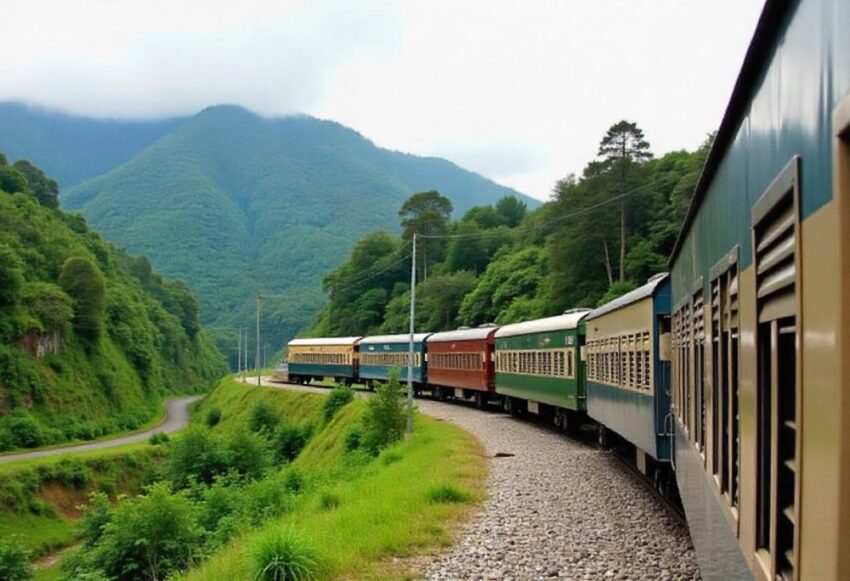
Mizoram is a land of lush landscapes, rich biodiversity, and cultural heritage that is experiencing its renaissance in tourism with the Bairabi-Sairang railway line. This new development of the Mizoram Tourism Sector has been connecting this state to India’s broader rail network and therefore boosting accessibility to the region and making it easier and more affordable for travelers to explore the beauty of the landscape, tribal cultures, and natural wonders of this state.
This railway connection has linked Mizoram directly with the main rail network of India and is fast turning it into a hub of tourism in Northeastern India. This has brought a significant impact on the local businesses, like hotels, homestays, and local tour operators, with more tourists coming to feel the charm of Mizoram. This new infrastructure may hike the flow of tourism and make Mizoram one of the happening tourist spots for travel enthusiasts in search of authentic, off-the-beaten-track experiences.
Growth in Visitor Numbers: A Boost for Local Businesses
The opening of the Bairabi-Sairang railway has resulted in a steady increase in tourist arrivals, benefiting local businesses and tourism providers in the state. Between August and September 2025, 1.27 lakh tourists visited Mizoram, including over 2,200 foreign visitors. With the railway now in operation, tourist numbers are expected to continue growing, driving economic growth in the region. Local businesses, from transportation services to local artisans, stand to benefit significantly as the tourism economy expands.
Expanding Eco-Tourism and Cultural Tourism in Mizoram
Mizoram has immense potential in the growing global eco-tourism and cultural tourism sectors. The state’s natural beauty, including mountain ranges, rivers, and dense forests, makes it an ideal destination for nature lovers, wildlife enthusiasts, and adventure travelers. The lush hills and tribal villages also provide unique opportunities for cultural tourism, where visitors can learn about the Mizo culture, festivals, and local traditions.
The state’s tribal communities are a crucial part of its tourism appeal, offering visitors an opportunity to experience traditional Mizo life and engage in cultural exchanges. The Bairabi-Sairang railway is expected to open up even more remote regions, providing tourists access to these authentic cultural experiences.
By focusing on eco-tourism, Mizoram can attract a growing segment of responsible travelers who value sustainability and conservation efforts. This will allow the region to preserve its natural assets while encouraging growth in the tourism sector.
The Role of Sustainable Tourism in Mizoram’s Development
As Mizoram’s tourism sector grows, the state government and local tourism bodies are focused on sustainable tourism practices that balance economic growth with environmental preservation. With the rise of eco-tourism, it’s crucial to manage tourist flow to prevent overcrowding and protect the fragile ecosystems that make the region so appealing. Sustainable tourism initiatives, such as responsible trekking tours, wildlife conservation programs, and eco-friendly accommodations, are essential for ensuring that the growth of the industry does not come at the cost of Mizoram’s natural environment.
Tourism development efforts are working to preserve Mizoram’s landscapes by promoting low-impact activities that allow visitors to enjoy the region’s beauty while minimizing environmental disruption. A strong focus on conservation and sustainable practices will ensure that future generations can experience Mizoram’s untouched landscapes in their full glory.
Strengthening Regional Connectivity: Linking Mizoram to Neighboring States
Mizoram’s efforts to enhance tourism infrastructure are not limited to the state’s borders. As part of its strategy to become a key regional tourism hub, the state is working to integrate its tourism offerings with neighboring areas such as Meghalaya, Nagaland, and Assam. The goal is to create a tourism circuit that connects these regions, making it easier for visitors to explore the natural wonders, cultural attractions, and adventure tourism opportunities that the entire region has to offer.
By promoting multi-destination tourism, Mizoram can attract visitors who are keen to explore the Northeastern states of India in one trip. This strategy would increase regional collaboration and ensure that tourism growth benefits the broader Northeast India region, rather than just individual states. Mizoram’s focus on regional tourism development will help promote a more balanced and sustainable tourism model.
Long-Term Tourism Strategies: Infrastructure Development and Investment
In the long term, tourism infrastructure improvements are expected to continue, with additional investments in transport networks, accommodation, and tourist services. The government’s focus on tourism infrastructure development is designed to create a seamless experience for visitors, encouraging them to stay longer, explore more destinations, and participate in local activities.
The introduction of regional airports and upgraded roads will make accessing Mizoram easier for tourists, further enhancing the state’s appeal as a tourism destination. Additionally, there are plans to promote MICE (Meetings, Incentives, Conferences, and Exhibitions) tourism in the region, offering new avenues for business tourism to grow and benefit local businesses.
The Future of Mizoram’s Tourism: Fostering a Thriving and Sustainable Sector
As tourism demand in Mizoram continues to grow, the state will focus on creating a diversified tourism portfolio that includes eco-tourism, adventure tourism, cultural tourism, and wellness tourism. The goal is to ensure long-term, sustainable growth in the tourism industry, with a focus on environmental conservation, community empowerment, and responsible travel.
The Bairabi-Sairang railway has provided the catalyst for tourism growth, and the state’s continued investment in tourism infrastructure will pave the way for future successes. With a strong emphasis on local engagement, regional collaboration, and sustainable development, Mizoram is positioning itself as a leading destination in Northeastern India and South Asia for eco-tourism, cultural experiences, and adventure travel.
Mizoram’s Path to Becoming a Sustainable Tourism Destination
Equipped with the Bairabi-Sairang railway and integrated into sustainable tourism practices, Mizoram is well on track to becoming one of the best tourism destinations in India. Increasing visitor arrival numbers, coupled with continuously growing experiences, mean that tourism will certainly play an important part in the economic development of the state. By embracing eco-tourism and cultural heritage tourism, Mizoram will be setting the stage for long-term success within the tourism industry while protecting its natural resources for future generations to come.
The post Mizoram Tourism Sector Flourishes with Bairabi-Sairang Railway, Boosting Connectivity and Opportunities for their Eco-Tourism and Cultural Growth appeared first on Travel and Tour World




































































