





Mexico’s Puerto Vallarta Expands Malecon, Tackles Traffic, And Launches Sustainable Tourism Initiatives, New Update
-
Travel, Entertainment, Culture
-
-
3 mins
-
Travel and Tour World
-
Sunil Soren Majhi
-


Puerto Vallarta is emerging as one of Mexico’s most dynamic and sought-after coastal destinations, captivating travelers with its vibrant culture, picturesque beaches, and lively city life.
Puerto Vallarta is emerging as one of Mexico’s most dynamic and sought-after coastal destinations, captivating travelers with its vibrant culture, picturesque beaches, and lively city life. Over the past several years, the city has experienced a surge in tourism, attracting visitors from across the globe. This popularity has brought substantial economic benefits, boosting local businesses, hospitality, and entertainment sectors. However, it has also introduced urban challenges common to thriving tourist hubs: traffic congestion, limited parking, infrastructure strain, and the ongoing challenge of balancing the needs of residents with those of a growing number of visitors. To maintain its appeal while improving quality of life for locals, the city is pursuing an ambitious suite of infrastructure, mobility, and sustainability initiatives.
Malecon Expansion Revitalizes the Waterfront
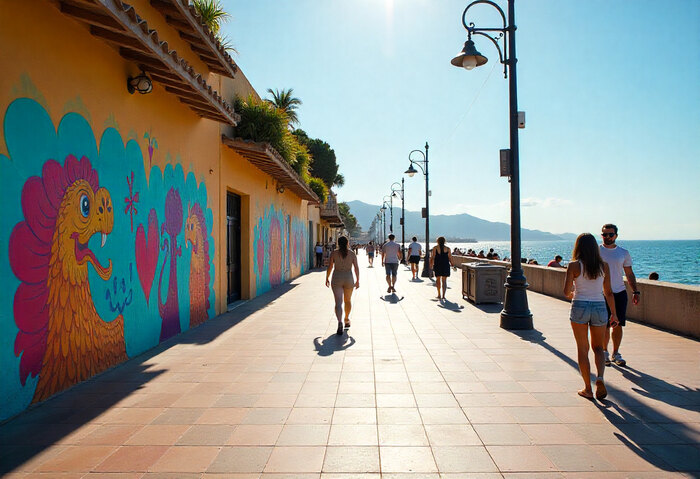
At the heart of Puerto Vallarta’s efforts is the expansion of the malecon, the city’s iconic boardwalk and a central gathering point for residents and tourists alike. The newly approved northern extension will stretch from 31 de Octubre Street to Venezuela Street, linking directly with Parque Hidalgo and creating a more inviting entrance into the historic center. This expansion is designed to enhance both aesthetics and functionality, featuring upgraded lighting, landscaped planters, and modern irrigation systems to support green spaces.
The project builds upon restoration work begun in 2024, which included refurbishing the colorful “Puerto Vallarta” letters, a landmark that has become a popular photo destination. By improving pedestrian access and beautifying the waterfront, the city aims to create a more enjoyable experience for visitors while reducing congestion in the busiest areas of the historic center.
Las Juntas Node Tackles Regional Traffic Challenges
Traffic congestion, particularly around critical junctions, has been a persistent concern for both residents and visitors. The Las Juntas node, located north of the airport, is one of the city’s most significant traffic chokepoints, where local streets meet regional and highway routes. The node handles thousands of daily commuters traveling to and from the Riviera Nayarit corridor, the airport, and other regional destinations.
The new Las Juntas project is focused on streamlining traffic flow and improving safety. Planned upgrades include expanded lanes, new sidewalks, and enhanced lighting to ensure pedestrian safety. Transportation planners estimate that these improvements could ease congestion for over 100,000 people daily, reducing travel times and improving access to key areas for both residents and tourists.
Smart Mobility Initiatives in the City Core
Within the city center, Puerto Vallarta is embracing innovative approaches to urban mobility. One proposed initiative is the introduction of digital parking meters, which would replace traditional paper tickets with app-based QR code payments. The system, designed for high-demand neighborhoods such as the Zona Romantica, Centro, Versalles, and Marina Vallarta, would charge around $1 per hour, helping regulate parking while providing convenience for drivers.
In parallel, the city is preparing to launch a free public bicycle system to encourage eco-friendly travel within urban areas. The initiative will begin with the repair and expansion of existing bike lanes, followed by the installation of secure bicycle racks in strategic locations including Plaza Caracol, Plaza Lazaro Cardenas, and along the southern malecon. Funding for these programs will come from lodging-tax revenues, linking tourism income directly to sustainable transport solutions that benefit residents and visitors alike. These initiatives promise more reliable parking, safer bike routes, and greener options for short urban trips.
New Lodging-Platform Tax Advances Sustainability
Policy reforms are also underway to ensure tourism growth supports environmental and infrastructure needs. A proposed municipal tax on short-term rental platforms, ranging from 1% to 3%, would complement the state’s existing 4% lodging tax. Funds collected from this tax are earmarked for critical projects, including clean-water infrastructure, wastewater management, and the preservation of green areas and beaches. By tying tourism revenues to environmental initiatives, the city aims to ensure that growth contributes to long-term sustainability and livability.
Balancing Growth with Livability
Puerto Vallarta’s coordinated approach to urban development underscores the importance of balancing economic growth with quality of life. By expanding the malecon, addressing traffic bottlenecks, introducing smart mobility solutions, and implementing environmentally focused policies, the city is preparing to meet the demands of an increasing number of visitors while safeguarding the experience for residents. These initiatives demonstrate a commitment to sustainable tourism, ensuring that Puerto Vallarta remains not just a destination of choice for travelers, but a vibrant, livable city for its local community.
With these forward-thinking projects underway, Puerto Vallarta is positioning itself as a model for coastal cities around the world, showing that strategic planning, sustainability, and innovation can coexist with tourism-driven growth.
The post Mexico’s Puerto Vallarta Expands Malecon, Tackles Traffic, And Launches Sustainable Tourism Initiatives, New Update appeared first on Travel And Tour World.The post Mexico’s Puerto Vallarta Expands Malecon, Tackles Traffic, And Launches Sustainable Tourism Initiatives, New Update appeared first on Travel and Tour World