





Malaysia Faces Unprecedented Surge in Cross-Border Traffic as Over Seventeen Thousand Travelers Head to Thailand Amid Holiday Rush
-
Travel, Health
-
-
4 mins
-
Travel and Tour World
-
Shraddha Das
-


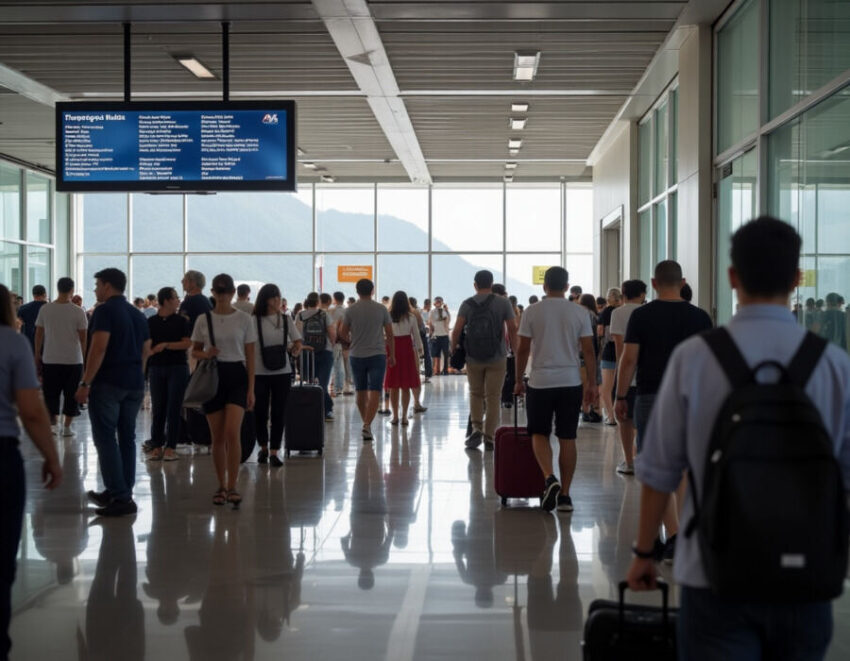
The Bukit Kayu Hitam border checkpoint in Malaysia experienced an extraordinary surge in traffic, with over 17,000 travelers heading to Thailand as part of the school holiday rush and the extended Hari Malaysia weekend.
The Bukit Kayu Hitam border checkpoint in Malaysia experienced an extraordinary surge in traffic, with over 17,000 travelers heading to Thailand as part of the school holiday rush and the extended Hari Malaysia weekend. This sudden increase in cross-border movement was fueled by a combination of factors, including the long-awaited school holidays, the festive spirit surrounding Hari Malaysia, and a general uptick in regional travel as borders reopened. Many Malaysians took advantage of the break to cross into Thailand for leisure and shopping, while the proximity and ease of travel through Bukit Kayu Hitam made it the preferred crossing point. The surge, which overwhelmed the usual traffic capacity, resulted in significant congestion, prompting immediate action by border control authorities to manage the flow of passengers and vehicles effectively.
The Bukit Kayu Hitam Immigration, Customs, Quarantine, and Security Complex experienced an extraordinary influx of travelers on Saturday, with more than 17,000 individuals crossing from Malaysia into Thailand. This surge was primarily attributed to the school holiday period and the long Hari Malaysia weekend, both of which prompted a significant increase in cross-border traffic.
According to Senior Assistant Commissioner Mohd Nasaruddin M Nasir, the Commander of the Malaysian Border Control Agency (AKSM) at Bukit Kayu Hitam, the spike in vehicle traffic was anticipated to persist until September 21. This period of heightened movement has led to a substantial increase in border traffic, surpassing the regular capacity that AKSM is typically equipped to handle.
Data released by authorities revealed that between 6 a.m. and midnight, a total of 17,030 individuals exited Malaysia through the Bukit Kayu Hitam checkpoint. The majority of these travelers, about 15,718, were Malaysian citizens, while the rest were made up of nationals from Thailand, Indonesia, China, India, and several other countries. During the same time frame, 4,941 individuals entered Malaysia, which brought the total number of cross-border movements to 21,971.
The surge in traffic led to the activation of a Quick Response Team (QRT), and additional personnel were deployed to manage the situation effectively. Mohd Nasaruddin emphasized the importance of inter-agency cooperation, noting that the Royal Malaysia Police, the General Operations Force, and other enforcement agencies worked in close collaboration to ensure smooth operations at the border. He also reminded travelers that the checkpoint’s operating hours are from 6 a.m. to midnight, and advised them to plan their trips accordingly to avoid any delays or inconvenience.
The Bukit Kayu Hitam checkpoint serves as one of Malaysia’s busiest entry points, especially during peak travel periods such as public holidays and long weekends. The increased traffic observed this past Saturday is not entirely unusual, as holiday seasons and special events often lead to heightened movement across the border. However, the scale of this surge was particularly notable, reflecting the broader trends of increased cross-border tourism and trade in the region.
In response to the influx, border authorities have implemented several measures to facilitate the smooth flow of travelers while maintaining strict security and quarantine protocols. This includes the deployment of additional resources, such as traffic management personnel and technology to monitor the movement of vehicles and individuals more efficiently.
The cooperation between the Malaysian Border Control Agency and other agencies, such as the police and customs, highlights the importance of collaborative efforts in managing border security during times of increased travel. Given that the border serves as a critical point for both national security and public health, these agencies are working together to balance the demands of facilitating travel while maintaining rigorous safety and security standards.
The increased flow of travelers has also led to discussions regarding the capacity of existing infrastructure at the Bukit Kayu Hitam checkpoint. While the authorities have taken steps to manage the situation, there are ongoing concerns about how future surges in traffic will be handled. With cross-border travel expected to continue growing in the coming years, authorities may need to consider long-term solutions to ensure that the checkpoint can handle larger volumes of people and vehicles without compromising security or efficiency.
In addition to handling the immediate surge in traffic, officials at Bukit Kayu Hitam are also focused on ensuring that all travelers comply with health and safety regulations, especially given the ongoing concerns related to the COVID-19 pandemic. Despite the easing of travel restrictions in many countries, border authorities continue to monitor travelers for any health-related issues, such as the need for vaccination certificates or negative test results, to ensure that cross-border movements do not contribute to the spread of the virus.
The spike in traffic at Bukit Kayu Hitam also reflects broader trends in regional mobility, with more people opting for cross-border travel during peak seasons. The popularity of Thailand as a travel destination, combined with the accessibility of the Bukit Kayu Hitam checkpoint, has made this route a common choice for both leisure and business travelers. The proximity of the checkpoint to major commercial centers in Malaysia and Thailand further adds to its significance as a crucial point for both tourism and trade.
For travelers planning to cross the border during this period, Mohd Nasaruddin urged them to be patient and plan ahead to avoid unnecessary delays. Given the increased volume of traffic, it is advisable for travelers to arrive early and be prepared for possible delays. The authorities at Bukit Kayu Hitam are doing everything possible to manage the flow of traffic, but with such a large number of people moving through the checkpoint, delays are inevitable.
The Bukit Kayu Hitam border saw an unprecedented surge in traffic as over 17,000 travelers crossed into Thailand, driven by the school holidays and Hari Malaysia weekend. This influx overwhelmed the usual traffic capacity, prompting swift action from border authorities to manage the flow.
In conclusion, the surge in traffic at the Bukit Kayu Hitam checkpoint is a reflection of the increasing demand for cross-border travel during peak holiday seasons. The efforts of the Malaysian Border Control Agency and other enforcement agencies to manage this influx are commendable, and the cooperation between different organizations is vital for ensuring the smooth functioning of the border. As cross-border travel continues to rise, it will be essential for authorities to look for ways to expand and enhance the infrastructure at Bukit Kayu Hitam to meet the growing demand for international travel.
The post Malaysia Faces Unprecedented Surge in Cross-Border Traffic as Over Seventeen Thousand Travelers Head to Thailand Amid Holiday Rush appeared first on Travel and Tour World