
















Guyana Turns Heads of Travelers Toward Itself with Luxury Vacations While Grenada and Beyond Emerge as the Strongest Interesting Tourist Spots
-
Travel, Entertainment, Culture, Weather
-
-
9 mins
-
Travel and Tour World
-
Anamika Talukder
-


Discover the Caribbean's fastest-growing tourism destinations in 2026, including Anguilla, the Dominican Republic, Curaçao, Grenada, and Guyana.
The Caribbean tourism industry is experiencing a striking divide in 2026. While established resort destinations continue attracting millions of international travelers, smaller islands are achieving impressive percentage increases in visitor arrivals. Anguilla, the Dominican Republic, Curaçao, Grenada, Dominica, Saint Vincent and the Grenadines, Guyana, and the Cayman Islands are emerging as some of the Caribbean’s strongest tourism performers in 2026. Rising visitor arrivals, demand for luxury vacations, growing interest in nature tourism, and expanding international connectivity are supporting their growth. However, the latest figures show that some destinations are expanding much faster than the Caribbean as a whole, revealing a changing regional tourism landscape.
According to figures presented by the Caribbean Tourism Organization (CTO) in October 2026, the region welcomed approximately 18.9 million stayover visitors during the first six months of the year, representing 1.9% growth compared with 2025. Cruise passenger visits increased by 11% to approximately 21.7 million. These figures highlight the Caribbean’s enduring appeal, but they also reveal that tourism growth is uneven. Destinations offering luxury accommodation, distinctive cultural experiences, accessible beaches, and nature-based activities are gaining attention from travelers seeking more varied Caribbean vacations.
The Strongest Emerging Destinations and Their Tourism Growth Drivers
| Country or destination | Evidence of growth | Key visitor markets | Why tourism is expanding | Outlook |
|---|---|---|---|---|
| Guyana | More than 271,000 visitors in the first seven months of 2026 | Caribbean, North America, diaspora markets | New accommodation, ecotourism development, business travel and events | Major emerging destination |
| Saint Vincent and the Grenadines | +17.3% in H1 2025; +8.4% in Jan–Aug 2026 | United States, Canada, Caribbean | Improved air access, new hotels, luxury and sailing tourism | Sustained above-average expansion |
| Dominica | +19% stayovers in 2025; +10% in Q1 2026 | North America, Europe, Caribbean | Ecotourism investment, wellness and cruise demand | Strong nature-tourism potential |
| Curaçao | +13% stayovers in 2025; +11% in Jan–Sep 2026 | Netherlands, United States, Colombia | Diversified airline links and wider international marketing | Sustained double-digit growth |
| Grenada | +12% in Q1 2026 | United States, United Kingdom, Canada | Boutique hospitality, beaches, diving and sailing | Promising small-island performer |
| Aruba | 145,750 stayovers in August 2026 | United States, Argentina, Netherlands | Strong luxury demand, air connectivity and holiday rentals | Established destination diversifying markets |
| The Bahamas | Continuing large-scale tourism activity, particularly in cruise travel | United States, Canada | Nassau cruise infrastructure and island resorts | High-volume tourism leader |
Which Caribbean Destinations Are Recording the Fastest Tourism Growth in 2026?
Several Caribbean destinations have recorded visitor growth well above the regional average. Anguilla stands out with a 19.9% increase in stayover arrivals during the first half of 2026. The British Overseas Territory welcomed 81,907 overnight visitors, compared with 68,287 during the same period in 2025.
Grenada also delivered an impressive performance, attracting 54,565 stayover visitors during the first quarter, an increase of 12%. Meanwhile, Curaçao welcomed 642,379 overnight visitors from January through September, representing 11% growth.
Saint Vincent and the Grenadines recorded an 8.4% increase in stayover visitors during the first eight months, while Dominica reported 10% growth during the first quarter.
These results indicate strong demand beyond the Caribbean’s largest resort destinations.
However, the reporting periods differ. Consequently, these figures identify leading growth performers rather than establishing a definitive regional ranking for the entire year.
How Does Anguilla Lead the Caribbean’s Luxury Tourism Expansion?
Anguilla is becoming one of the Caribbean’s most notable tourism success stories, particularly within the luxury vacation market.
The island recorded 81,907 stayover arrivals between January and June 2026, up 19.9% year over year. Every month during that period established a new monthly record, according to figures compiled by the Anguilla Statistics Department.
The United States contributed 60,415 visitors, accounting for approximately 73.8% of arrivals.
Anguilla’s appeal centers on its white-sand beaches, private villas, upscale resorts, and intimate dining experiences. Unlike destinations built around large-scale tourism, Anguilla promotes quieter vacations and personalized hospitality.
This approach makes the island attractive to travelers seeking privacy, relaxation, and premium services.
The figures demonstrate that smaller destinations can achieve significant tourism growth without relying on enormous visitor volumes. They also underline Anguilla’s dependence on American demand, making source-market diversification an important consideration for future expansion.
Why Is the Dominican Republic Maintaining Its Position as a Caribbean Tourism Powerhouse?
The Dominican Republic remains one of the Caribbean’s most influential tourism destinations because of its enormous visitor base, extensive resort infrastructure, and international aviation connections.
Unlike smaller islands, where a modest increase in tourist numbers can create a substantial percentage gain, the Dominican Republic competes through the scale of its tourism economy.
Punta Cana remains a leading attraction, offering all-inclusive resorts, beaches, golf courses, and entertainment. Santo Domingo provides historical landmarks and cultural experiences, while Puerto Plata and Samaná attract visitors interested in coastal landscapes and outdoor activities.
The country’s established airport network also supports travel from North America, Europe, and Latin America.
Its development model demonstrates how hotels, airlines, tourism businesses, and supporting infrastructure can work together to sustain international demand.
However, continued expansion also creates challenges. Transport capacity, environmental protection, water resources, and the distribution of tourism income will become increasingly important as visitor numbers grow.
What Makes Curaçao One of the Caribbean’s Most Consistent Tourism Growth Markets?
Curaçao is strengthening its position as a major Caribbean tourism destination through sustained international demand and a diversified visitor market.
According to the Curaçao Tourist Board, the island welcomed 642,379 stayover visitors from January through September 2026, an 11% increase over the corresponding period in 2025.
September was particularly successful, with 63,565 overnight arrivals, representing 18% annual growth.
The Netherlands remained the largest source market, contributing 196,350 visitors during the first nine months. The United States followed with 169,714 arrivals, while Colombia, Canada, Brazil, and Argentina provided additional demand.
Curaçao combines beaches, diving opportunities, historic architecture, and cultural attractions.
Its capital, Willemstad, offers distinctive Dutch Caribbean heritage, while the coastline supports recreational activities and marine tourism.
The breadth of its international markets is especially important. It can help the destination reduce dependence on a single country and support more balanced tourism development.
Why Are Grenada and Dominica Becoming Caribbean Nature Tourism Favorites?
Grenada and Dominica are gaining recognition as travelers increasingly seek nature, outdoor adventure, wellness, and authentic cultural experiences.
Grenada welcomed 54,565 stayover visitors during the first quarter of 2026, representing a 12% increase over the previous year.
Its tourism attractions extend beyond Grand Anse Beach. Visitors can explore spice plantations, waterfalls, diving locations, and the islands of Carriacou and Petite Martinique.
Dominica is following a similar growth trajectory through a different tourism model.
Government figures show that stayover arrivals increased by 19% in 2025 to 99,846 visitors. First-quarter 2026 arrivals subsequently increased by another 10% year over year.
Dominica is known for its mountainous landscapes, rainforests, hot springs, and hiking trails.
These destinations illustrate an important industry shift. Travelers are increasingly considering places that offer meaningful outdoor experiences alongside traditional Caribbean beach vacations, creating opportunities for smaller tourism operators and local communities.
How Is Saint Vincent and the Grenadines Transforming Its Tourism Economy?
Saint Vincent and the Grenadines is establishing itself as an increasingly attractive destination for island-hopping vacations, marine tourism, and nature-based travel.
The Saint Vincent and the Grenadines Tourism Authority reported 86,647 stayover visitors during the first eight months of 2026, representing 8.4% growth compared with the same period in 2025.
August alone delivered 9,712 stayover arrivals, up 11.5%.
The destination’s appeal comes from its collection of islands, where visitors can enjoy sailing, snorkeling, beaches, and distinctive local communities.
The Tobago Cays, Bequia, and mainland Saint Vincent offer different experiences within one destination.
Tourism authorities are promoting three principal development areas: marine tourism, nature and adventure, and cultural celebrations.
However, the wider visitor picture requires careful interpretation. Total arrivals declined marginally by 0.3% between January and August because cruise scheduling affected passenger numbers.
The distinction demonstrates why overnight visitors and cruise passengers should be assessed separately.
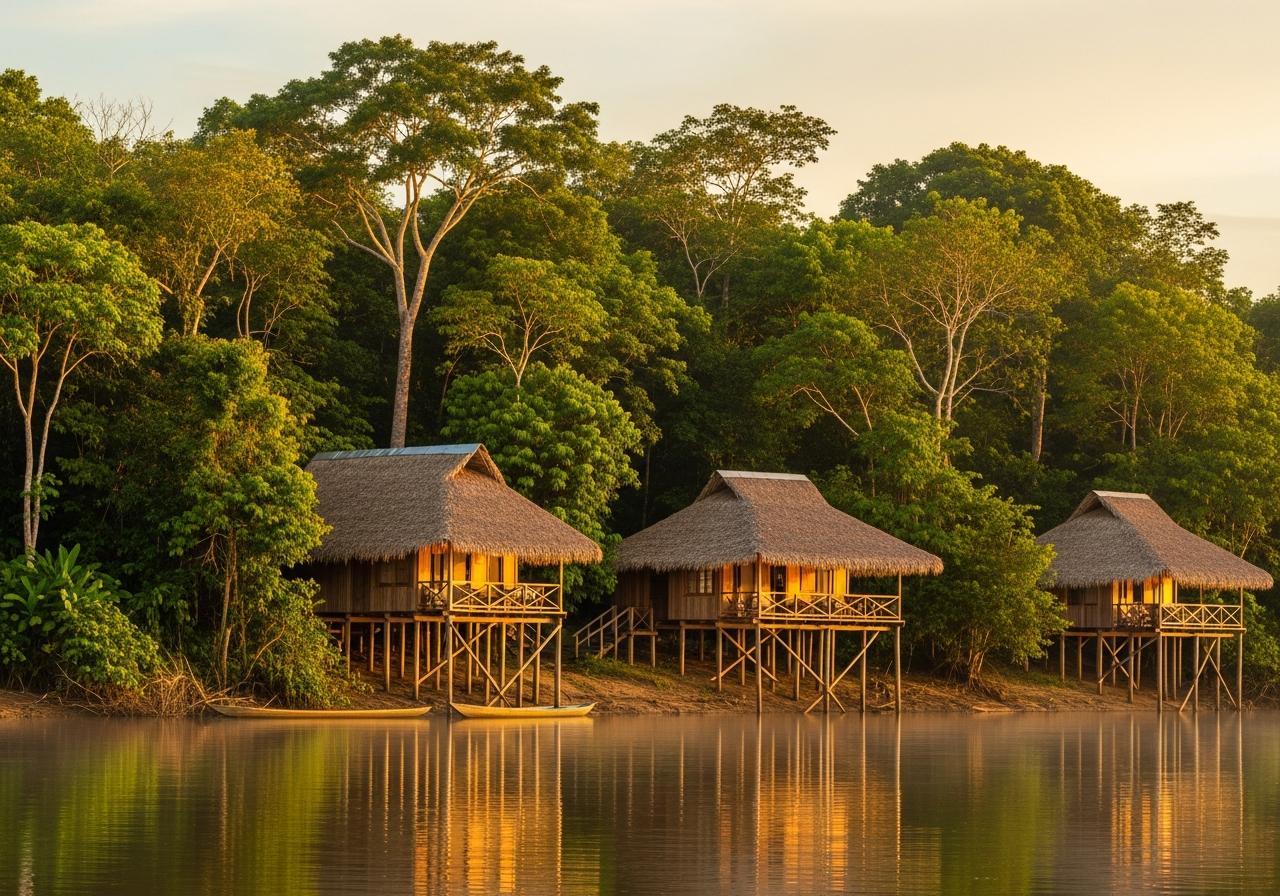
Why Is Guyana Emerging as a Major Caribbean Ecotourism Opportunity?
Guyana is developing a distinctive tourism identity centered on biodiversity, rainforest exploration, cultural heritage, and business travel.
Unlike many traditional Caribbean holiday destinations, Guyana is located on the northern coast of South America and offers access to extensive tropical forest landscapes.
Its major attractions include Kaieteur Falls, wildlife viewing, river journeys, and community-based tourism experiences.
These features appeal to travelers interested in conservation, photography, remote exploration, and educational adventures.
Guyana’s expanding economy is also creating opportunities for business-related hospitality demand, including accommodation, transportation, and event services.
The country’s tourism development strategy has increasingly emphasized infrastructure improvements, international visibility, and the potential for investment in hotels and visitor facilities.
Its emerging position is significant because it broadens the meaning of Caribbean tourism beyond traditional coastal resorts.
However, stronger aviation links, reliable visitor infrastructure, environmental protection, and community participation will be essential to turning tourism potential into sustainable long-term economic benefits.
How Are the Cayman Islands and Turks and Caicos Attracting High-Value Travelers?
The Cayman Islands and Turks and Caicos continue to demonstrate the strength of the Caribbean’s premium vacation market.
Both destinations are internationally recognized for exceptional beaches, upscale hotels, marine attractions, and hospitality services aimed at travelers seeking high-quality experiences.
Grand Cayman attracts visitors to Seven Mile Beach, snorkeling areas, diving sites, restaurants, and luxury beachfront accommodation.
Turks and Caicos offers a similarly attractive combination of clear waters, private villas, premium resorts, and recreational activities around Providenciales and Grace Bay.
Their tourism models emphasize visitor experience and spending potential alongside arrival numbers.
High-value tourism can create opportunities for specialized hospitality employment, fine dining, water sports, transportation, and premium excursion businesses.
Nevertheless, this model also presents economic and environmental challenges.
Rising property costs, infrastructure demand, coastal development, and dependence on international air services may affect future competitiveness.
Careful destination management will be essential to preserving the natural features that attract travelers.
What Is Driving the Caribbean’s Rapid Cruise Tourism Expansion?
Cruise tourism is becoming an increasingly important component of Caribbean travel, even as growth in overnight arrivals moderates.
The CTO reported approximately 21.7 million cruise passenger visits during the first half of 2026, representing an 11% increase over the same period in 2025.
The expansion reflects the importance of major cruise ports, international cruise itineraries, and demand for short Caribbean vacations.
The Bahamas, Puerto Rico, the US Virgin Islands, and other cruise destinations benefit from their connections to established maritime routes.
Cruise travelers can support local transportation services, organized excursions, restaurants, retail establishments, and attractions.
However, cruise arrivals and stayover arrivals create different economic outcomes.
Hotel guests generally spend several days at their destination, while many cruise passengers spend only a few hours ashore.
Consequently, destinations must consider visitor spending, local business participation, and environmental impacts alongside rising passenger totals.
Sustainable cruise tourism requires effective port management and stronger economic connections with surrounding communities.
What Challenges Could Slow Caribbean Tourism Growth During the Rest of 2026?
Despite strong performances in individual markets, the wider Caribbean tourism industry faces an increasingly uncertain outlook.
Regional stayover arrivals increased by only 1.9% during the first half of 2026, suggesting a slower overall expansion than some destination-specific figures indicate.
Higher travel costs, pressure on household budgets, aviation expenses, and changing consumer demand could influence holiday bookings.
The Caribbean also remains exposed to hurricanes, coastal erosion, and other climate-related risks that can disrupt transportation and damage tourism infrastructure.
Another challenge involves dependence on a limited number of international source markets.
Destinations relying heavily on visitors from the United States may face greater pressure if American travel spending weakens.
Tourism authorities are therefore seeking opportunities in Canada, South America, and Europe.
Investments in air connectivity, diversified tourism products, and resilient infrastructure will become increasingly important.
The strongest destinations will need to balance visitor growth with long-term environmental and economic stability.
What Does the Caribbean Tourism Boom Mean for Travelers and the Regional Economy?
The Caribbean’s changing tourism landscape is creating new opportunities for travelers, investors, hotels, airlines, and local communities.
For visitors, the expansion means a wider selection of vacation experiences. Travelers can choose established resort destinations, smaller luxury islands, rainforest adventures, sailing holidays, or culturally focused itineraries.
For tourism businesses, stronger demand can support hotel occupancy, transportation services, restaurants, guided tours, and investment in new attractions.
However, visitor growth alone does not guarantee greater economic benefits.
The quality of employment, local ownership, visitor expenditure, and environmental sustainability are equally important.
Anguilla’s rapid percentage growth, Curaçao’s diversified visitor markets, Grenada’s nature-based appeal, and the Dominican Republic’s established tourism scale demonstrate that Caribbean destinations are succeeding through different strategies.
The central challenge for 2026 and beyond is converting growing tourism demand into lasting economic prosperity without compromising the landscapes, cultures, and communities that make the Caribbean attractive.
Conclusion: Which Caribbean Destinations Could Shape the Next Tourism Growth Cycle?
The Caribbean tourism industry is entering a period of greater competition and diversification. Anguilla, Curaçao, Grenada, Dominica, Saint Vincent and the Grenadines, Guyana, the Dominican Republic, and established luxury destinations are demonstrating different pathways to attracting international travelers.
The latest statistics suggest that travelers are increasingly looking beyond conventional beach holidays. Luxury villas, ecological attractions, historic cities, cultural festivals, sailing, and adventure travel are helping destinations strengthen their appeal.
However, regional growth remains uneven. The strongest percentage increases do not necessarily indicate the largest tourism economies, and different reporting periods prevent a definitive full-year ranking.
The outlook ultimately depends on how effectively destinations improve accessibility, manage tourism infrastructure, diversify visitor markets, and protect natural resources.
For the Caribbean, the most important opportunity is not simply welcoming more tourists. It is ensuring that tourism growth produces sustainable economic benefits, supports local communities, and creates memorable experiences that encourage travelers to return.
The Caribbean’s changing tourism landscape reveals how diverse travel experiences are driving growth across established and emerging destinations. Anguilla’s luxury appeal, Curaçao’s expanding international markets, Grenada’s natural attractions and Guyana’s ecotourism opportunities are helping reshape visitor preferences. Meanwhile, the Dominican Republic continues benefiting from its extensive resort infrastructure and international connections. Although growth rates vary, rising demand creates opportunities for hotels, airlines and local businesses. The next challenge involves managing expansion responsibly while protecting natural resources and strengthening local economies. Destinations that balance accessibility, affordability and sustainability could become the region’s most competitive tourism markets in coming years.
The post Guyana Turns Heads of Travelers Toward Itself with Luxury Vacations While Grenada and Beyond Emerge as the Strongest Interesting Tourist Spots appeared first on Travel and Tour World




































































