
















Oman’s Tourism Digital Shift: How the ‘Itqan’ Platform and 14 E-Services Modernize Industry Governance
-
Travel, Culture
-
-
3 mins
-
Travel and Tour World
-
Poulomi Sinha
-

Discover how Oman’s Itqan platform and 14 new e-services streamline tourism governance, safety compliance, cave permits, and operator licensing.
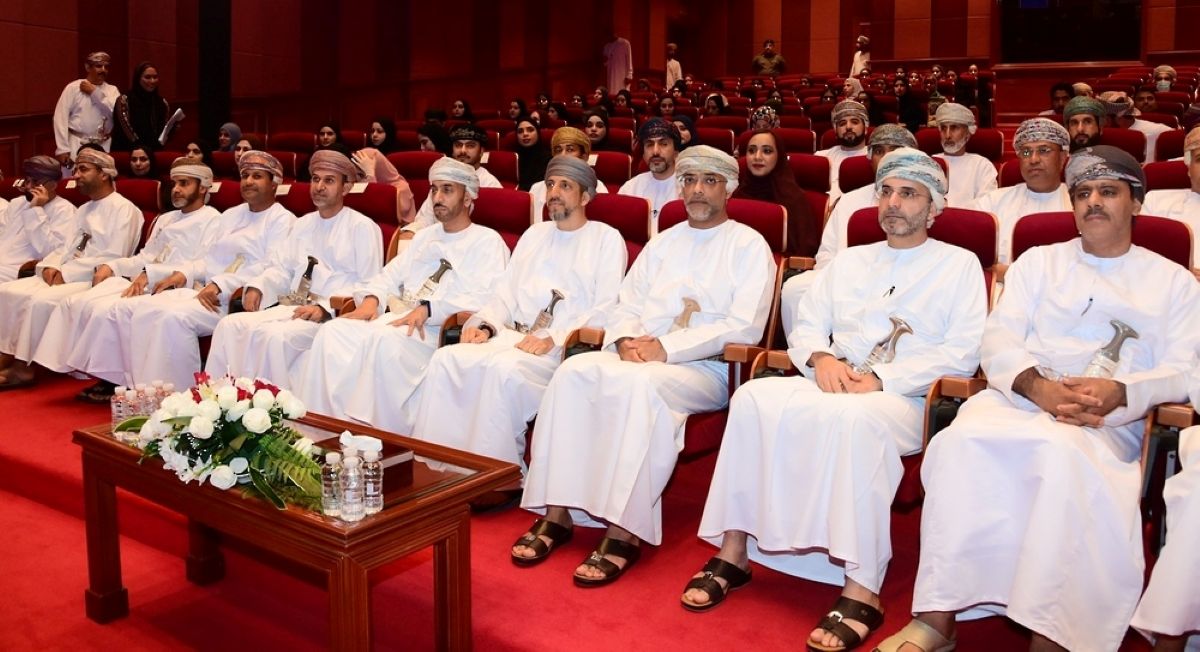
The Sultanate of Oman’s Ministry of Heritage and Tourism (MHT) has launched a dual-tier digital initiative comprising its internal institutional platform, Itqan, alongside a suite of 14 public-facing electronic services. Unveiled in Muscat, the rollout supports the digital transformation targets established under Oman Vision 2040.
Rather than acting as a commercial consumer booking engine, this digital infrastructure targets the regulatory and operational backbone of the sector. By removing manual administrative bottlenecks, MHT aims to raise industry compliance, enforce environmental safeguards, and accelerate private-sector activity.
| Component | Target Users | Operational Function |
| Itqan Platform | Ministry leadership, project managers, and internal staff | Strategic planning tracking, KPI monitoring, inter-departmental workflows, and operational risk management. |
| 14 Public E-Services | Commercial tour operators, hoteliers, cave guides, cultural groups | Paperless licensing, safety audits, site access permits, and regulatory compliance processing. |
Inside Itqan: Internal Oversight and Execution
The Itqan framework functions as the ministry’s centralized operational engine. As highlighted by Asmaa bint Abdullah al Sinani, Director of Digital Transformation at MHT, the platform bridges high-level strategic objectives with daily execution while establishing institutional transparency.
Project leads use Itqan to audit development timelines for heritage sites, monitor state investments, and resolve inter-departmental hurdles before delays compound. This centralized data visibility ensures national tourism developments progress predictably against state milestones.
The 14 E-Services: Core Regulated Sectors
The accompanying electronic services remove in-person visits to ministry headquarters, organizing transactions into four core regulatory areas:
- Adventure Tourism: Operators conducting mountaineering, canyoning, and desert expeditions can submit safety credentials, guide qualifications, and equipment compliance documents online.
- Tourist Facilities: Streamlines operational licensing, environmental compliance checks, and classification renewals for hotels, resorts, and eco-lodges.
- Cave Exploration: Regulates access to sensitive subterranean assets—such as Majlis al Jinn and Al Hoota Cave—by digitizing guide permits, access quotas, and conservation protocol enforcement.
- Fine Arts Groups: Simplifies regulatory approvals for traditional performance troupes, folk arts societies, and cultural organizations staging public heritage events.
How Travelers Benefit Downstream
While the digital tools interface with sector operators, travelers experience several direct downstream benefits:
- Verified Field Safety: Automated license renewals require operators to uphold current equipment and guide certifications, reducing risks during technical outdoor activities.
- Faster Specialized Itineraries: Travel agencies obtain regulatory clearances for restricted sites, such as deep-cave access or desert expeditions, in substantially less time.
- Consistent Hospitality Quality: Digital facility monitoring holds accommodation providers to mandatory service, safety, and hygiene standards.
- Preserved Natural Assets: Automated site-access management helps protect delicate geological landmarks from unregulated foot traffic, keeping Oman’s natural attractions intact.
By modernizing its back-end infrastructure, Oman ensures its heritage and adventure destinations operate with higher accountability, institutional transparency, and dependable visitor safety.
Core FAQs: Understanding the Digital Transition
What is Oman’s “Itqan” platform?
Itqan is an internal governance and performance-tracking platform built for the Ministry of Heritage and Tourism (MHT). It links ministry-level strategic goals with project execution, monitoring deliverables, departmental integration, and risk mitigation in real time.
Who are the 14 new e-services designed for?
The 14 electronic services are business-to-government (B2G) portals designed for tourism operators, hoteliers, cultural groups, and licensed guides. They digitize licensing and permits across adventure tourism, tourist establishments, cave exploration, and traditional fine arts organizations.
Do operators or visitors need to visit ministry offices in person?
No. The service suite is fully paperless. Commercial operators, researchers, and event organizers can complete filings, compliance checks, and renewal requests online.
The post Oman’s Tourism Digital Shift: How the ‘Itqan’ Platform and 14 E-Services Modernize Industry Governance appeared first on Travel and Tour World














































































