










Nepal’s Himalayan Tourism Faces Historic Climate Challenge as Glacier Loss and Extreme Weather Transform Mountains
-
Travel, Culture, Weather
-
-
5 mins
-
Travel and Tour World
-
Boby Dey
-


Himalayan Tourism in Nepal Endangered by Climate Change as Glaciers Retreat and Extreme Weather Events Shape Mountain Environment and Travel.
Himalayan Tourism in Nepal Endangered by Climate Change as Glaciers Retreat and Extreme Weather Events Shape Mountain Environment and Travel.
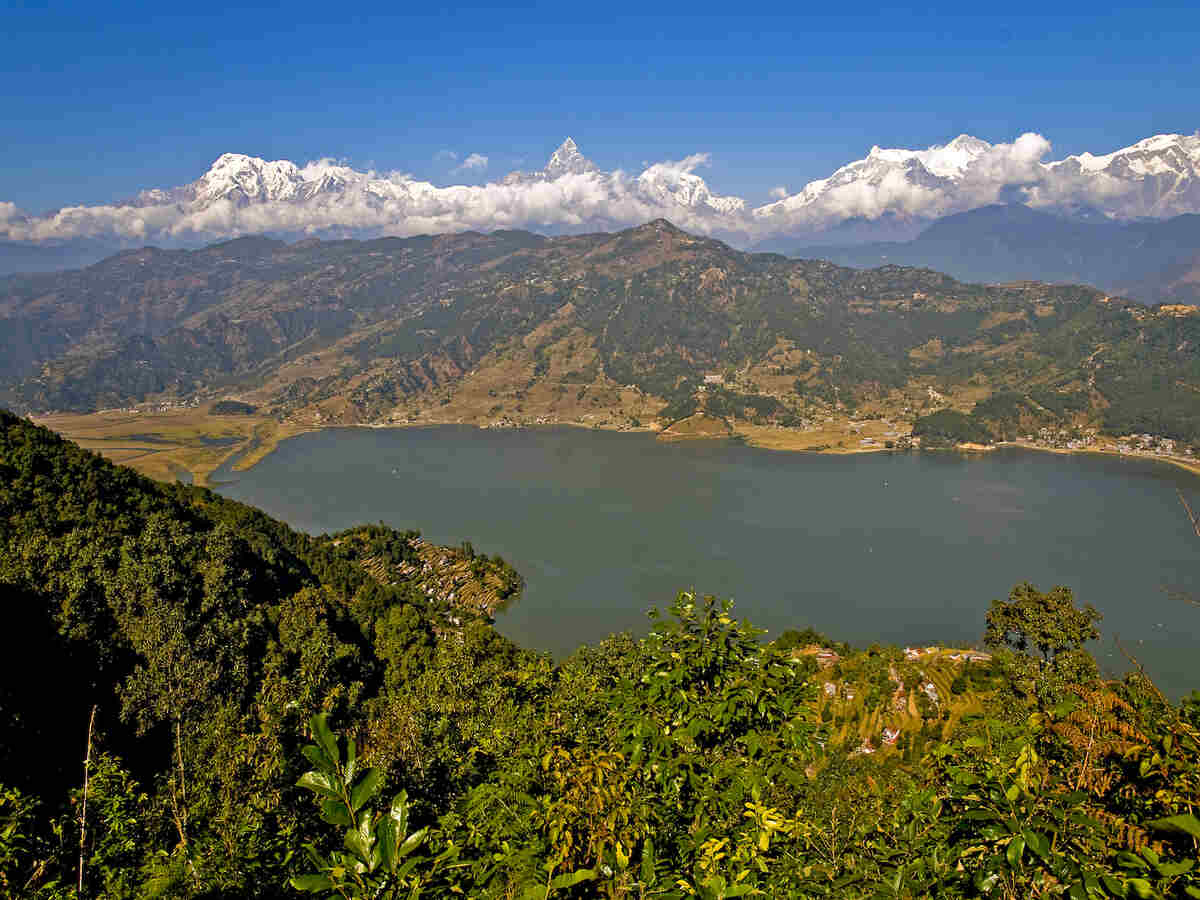
The Himalayan tourism industry in Nepal is now confronting a major climate issue, whereby rising temperatures, glacial melting, weather extremes and alterations in mountain ecosystems are changing one of the world’s most famous travel destinations. The Himalayas are drawing trekkers, mountaineers, scholars and other travelers from around the world, but the region is undergoing a process of rapid environmental change.
The Himalayas are not a static mountain landscape. They are one of the youngest and most active mountain systems on Earth, formed millions of years ago through the collision of the Indian and Eurasian tectonic plates. The same geological forces that created Nepal’s spectacular peaks, valleys and rivers also make the region highly sensitive to natural hazards.
Today, climate change is adding a new layer of complexity. Faster glacier melting, unstable mountain slopes, changing rainfall patterns and increasing risks from floods and landslides are transforming the conditions under which Himalayan tourism operates.
Nepal’s Himalayan Landscape Faces Growing Climate Pressure
Nepal’s tourism identity is deeply connected with the Himalayas. The country’s mountain regions support some of the world’s most famous trekking routes, high-altitude adventures and cultural journeys. Visitors are drawn to the natural beauty of snow-covered peaks, glaciers, forests, valleys and traditional mountain communities.
However, the same landscapes that create Nepal’s tourism appeal are becoming increasingly vulnerable.
The Himalayas function as a major freshwater system for Asia. Glaciers, snowfields and mountain ecosystems regulate water flows that support communities and ecosystems across the region. Scientific assessments have shown that glaciers across the Hindu Kush Himalaya are losing ice rapidly because of rising global temperatures, creating long-term challenges for water security and mountain stability.
For tourism, glacier loss represents more than an environmental issue. It affects trekking routes, mountain landscapes, local livelihoods and the overall visitor experience. Glaciers that once shaped iconic Himalayan scenery are retreating, while changing weather patterns are increasing uncertainty for tourism operators and travellers.
Glacier Loss Is Reshaping Nepal’s Mountain Tourism Future
Glaciers are among the most important features of Nepal’s high-altitude environment. They influence river systems, support mountain ecosystems and contribute to the unique landscapes that attract visitors from around the world.
But rising temperatures are causing glaciers to shrink. As ice disappears, new risks are emerging across mountain regions. Retreating glaciers can leave behind unstable areas where loose rock, ice and water create conditions for dangerous events.
One major concern is the increasing risk of glacial lake outburst floods. As glaciers melt, water can collect in newly formed lakes held back by unstable natural barriers. If these barriers collapse, sudden floods can travel rapidly through mountain valleys, damaging settlements, roads, bridges and tourism infrastructure.
Climate change does not directly cause every mountain disaster, but warmer conditions can increase vulnerability by weakening glaciers, changing frozen ground conditions and influencing rainfall patterns. These factors can combine with natural geological processes to create complex mountain hazards.
For Nepal’s tourism industry, these changes create serious challenges. Trekking routes may require relocation, mountain infrastructure may need stronger safety standards and tourism planning must increasingly consider climate risks.
Extreme Weather Creates New Challenges for Adventure Tourism
Nepal’s Himalayan tourism depends heavily on mountain weather conditions. Trekkers, climbers and tourism businesses rely on seasonal patterns to organise journeys safely.
Climate change is disrupting these traditional patterns.
Rising temperatures, irregular rainfall, intense storms and sudden weather changes are creating greater uncertainty in mountain environments. Heavy rainfall can trigger landslides and floods, while warmer conditions can accelerate snow and ice melting.
Mountain tourism is particularly sensitive because many destinations are located in remote and fragile environments. Roads, bridges, trails and accommodation facilities are often built along valleys and slopes where natural hazards can quickly cause disruption.
The challenge is not only protecting visitors but also protecting mountain communities whose economies depend on tourism. Many local families rely on trekking, guiding services, accommodation, transportation and other tourism-related activities.
As climate risks increase, adaptation will become essential. Stronger early warning systems, improved disaster preparedness, climate-resilient infrastructure and better monitoring of mountain conditions will become increasingly important for the future of Himalayan travel.
Protecting Himalayan Biodiversity Through Sustainable Tourism
Nepal’s Himalayas are not only important for tourism but also for biodiversity. The country’s dramatic elevation changes create multiple ecosystems, ranging from tropical forests and temperate landscapes to alpine regions and permanent snow zones.
This environmental diversity supports unique plant and animal species adapted to specific mountain conditions. However, rising temperatures are forcing these ecosystems to change.
Species that depend on colder environments may face shrinking habitats as temperatures rise. Changes in vegetation patterns can affect wildlife, water systems and the natural landscapes that make Himalayan tourism attractive.
Sustainable tourism must therefore focus on protecting the ecosystems that support travel experiences. Increasing visitor numbers without protecting natural resources could create long-term challenges for the tourism industry.
Future tourism strategies must balance economic opportunities with environmental conservation. Protecting forests, glaciers, rivers and mountain habitats will be essential to maintaining Nepal’s tourism appeal.
Climate-Resilient Infrastructure Becomes Critical for Tourism Growth
Infrastructure development plays a major role in Nepal’s tourism expansion. Roads, airports, communication networks, hotels and trekking facilities help connect mountain regions with domestic and international visitors.
However, Himalayan geography creates unique challenges.
Mountain valleys often provide the most practical locations for roads and settlements, but they are also natural pathways for floods, landslides and debris movement. Infrastructure built without proper geological and climate assessments can increase vulnerability.
Future development must include stronger environmental planning and risk assessments. Tourism facilities, transportation networks and energy projects must be designed according to mountain conditions rather than approaches used in flatter regions.
Climate-resilient tourism infrastructure will require improved hazard mapping, stronger engineering standards, scientific monitoring and cooperation between government agencies, researchers and local communities.
Nepal’s Himalayan Tourism Future Depends on Climate Adaptation
The Himalayas will continue to remain one of the world’s most extraordinary tourism destinations. Their mountains, glaciers, landscapes and cultures will continue attracting travellers seeking adventure, nature and unique experiences.
However, the future of Himalayan tourism depends on recognising that these mountains are changing.
Climate change is no longer only an environmental concern. It has become a major challenge for tourism, economic development and mountain communities. Glacier loss, extreme weather events and ecosystem changes are directly connected to the future of travel in Nepal.
Nepal’s response will require a new approach that combines tourism development with climate adaptation. Protecting mountain environments, strengthening safety systems, investing in scientific research and supporting local communities will be essential.
The Himalayas have always been powerful, dynamic and unpredictable. The goal is not to stop natural change but to understand it, prepare for it and develop tourism that respects the natural forces shaping these mountains.
Nepal’s Himalayan Tourism faces a historic climate challenge as rising temperatures accelerate glacier loss, extreme weather and environmental changes. These shifts are transforming mountain landscapes, threatening ecosystems, communities and the future of adventure travel across the Himalayas.
Nepal’s Himalayan tourism future will depend on protecting the landscapes that make the country one of the world’s most remarkable destinations.
The post Nepal’s Himalayan Tourism Faces Historic Climate Challenge as Glacier Loss and Extreme Weather Transform Mountains appeared first on Travel and Tour World