
















Melbourne Airport Expansion Unveils £2.35bn Terminal Overhaul as British Airways Launches Daily Australia Flights in 2027
-
Travel, Food, Entertainment, Weather
-
-
9 mins
-
Travel and Tour World
-
Ankita Neogi Khan
-


Melbourne Airport plans a £2.35bn terminal expansion as British Airways launches daily London flights via Kuala Lumpur in January 2027.
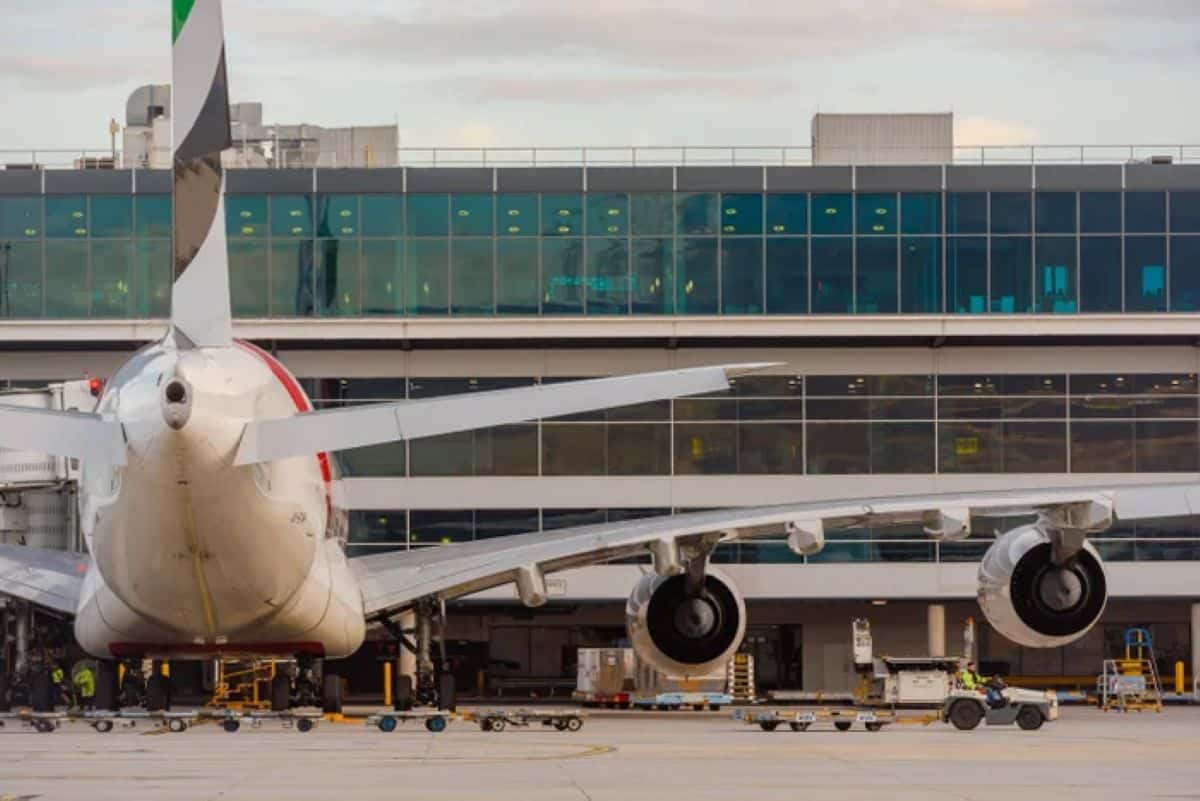
Melbourne Airport is advancing a A$4.5 billion international terminal expansion, promising more check-in space, additional aircraft stands and improved facilities for international travellers. The latest designs, released on 20 October 2026, follow the opening of new passenger pick-up and drop-off zones. Meanwhile, British Airways will return to Melbourne from January 2027, introducing daily, year-round services between London Heathrow and Melbourne via Kuala Lumpur. The developments come amid sustained demand for international travel and a wider airport infrastructure programme. Together, the terminal investment, additional airline capacity and planned third runway could strengthen Melbourne’s position as a major gateway to Australia.
A Major Terminal Upgrade Takes Shape
Melbourne Airport has moved closer to a substantial international terminal redevelopment, releasing new designs that show how the expanded facility could look. The A$4.5 billion programme will extend the terminal into the existing forecourt, creating more room for passengers and airlines.
The airport announced the latest planning progress on 20 October 2026. The work will expand international check-in, arrivals and departure areas while introducing additional facilities for passengers.
Architectural designs feature higher ceilings and extensive windows intended to increase natural light. The plans also include improved waiting areas, expanded lounge facilities and a broader selection of retail and dining options.
Five additional aircraft stands form another important part of the proposal. These stands will increase operational flexibility, allowing airlines to accommodate additional services as demand grows.
The airport intends to deliver the expansion in stages while maintaining its round-the-clock operations. Construction will also run alongside work on Melbourne’s third runway, creating a complex programme of overlapping infrastructure projects.
The latest announcement follows the opening of new pick-up and drop-off zones serving Terminals 1, 2 and 3. These facilities have freed up space for the international terminal’s planned extension.
Record Passenger Numbers Strengthen the Case
Passenger growth provides a clear explanation for the investment. Melbourne Airport processed 1,261,361 international passengers in January 2026, making it the busiest month on record for its international terminal.
That figure represented a 1.8% increase on January 2025. International arrivals accounted for 688,534 passengers, while the airport handled 2,115,518 domestic passengers during the month.
The terminal’s busiest day was 9 January, when 45,106 people passed through its international facilities. The Australian Open and other seasonal travel demand helped drive the strong performance.
However, the figures also reveal a more nuanced picture. Total passenger traffic across the airport reached 3,376,879 in January 2026, slightly below the 3,393,977 recorded a year earlier.
International travel nevertheless continued to grow. For the financial year through January 2026, international passenger numbers reached 7,533,319, up 4.3% from the comparable previous period.
The airport subsequently recorded 998,271 international passengers in September 2026, a marginal increase from September 2025. Its total passenger throughput reached 3,143,097 that month, setting a new September record.
These figures illustrate why airport planning must consider long-term capacity rather than individual monthly records. Terminal congestion, baggage processing, aircraft parking and ground access all require coordinated investment.
What the Expansion Will Deliver
The redevelopment focuses on several passenger-facing improvements. The airport aims to increase capacity throughout the international terminal rather than simply enlarge one section of the building.
| Planned improvement | Expected benefit for travellers |
|---|---|
| Expanded check-in hall | More space for passengers and improved baggage-processing facilities |
| Additional baggage carousels | Greater baggage-claim capacity and more room around collection areas |
| Five new aircraft stands | More flexibility for airlines scheduling international services |
| Larger arrivals and departure areas | Improved passenger circulation and reduced pressure on crowded spaces |
| Additional lounge facilities | More choice for eligible passengers and premium travellers |
| Expanded retail and dining | A wider range of services before departure and after arrival |
| More natural light and higher ceilings | A more open terminal environment and improved passenger comfort |
The additional aircraft stands will be particularly significant for airline operations. According to the airport’s project information, the new stands could accommodate five widebody aircraft or eight narrowbody aircraft.
This flexibility matters because international schedules combine aircraft of different sizes and operating requirements. Additional stands can make it easier to manage turnaround times and accommodate new routes.
The terminal project also follows investment in a new A$500 million international baggage system. The airport has said the system will more than double the capacity of its existing outbound baggage operation.
That upgrade could improve the airport’s ability to handle higher passenger volumes. Nevertheless, the overall experience will depend on how effectively check-in, baggage handling, security, immigration and aircraft boarding work together.
British Airways Returns in January 2027
The terminal investment coincides with a significant development for UK–Australia air connectivity. British Airways will resume Melbourne services after last operating flights to the city in 2006.
The airline announced its return on 17 March 2026. Its new service will connect London Heathrow and Melbourne daily throughout the year, routing through Kuala Lumpur International Airport.
The outbound service, BA33, is scheduled to begin on 9 January 2027. The return service, BA34, is scheduled to commence on 11 January.
British Airways will operate the route using Boeing 787-9 aircraft. Passengers will have a choice of four cabins: World Traveller economy, World Traveller Plus premium economy, Club World business class and First.
The route will also provide onward connections through Kuala Lumpur and London Heathrow. Consequently, the service could appeal to leisure travellers, business passengers and visitors travelling between Australia, Britain and other international destinations.
British Airways Chief Planning and Strategy Officer Neil Chernoff said in the airline’s March announcement: “We’re delighted to announce sizeable growth to our flying schedule for winter 2026, including two notable new destinations, that I am confident will prove popular with our customers.”
The airline’s wider winter 2026 programme is expected to increase its long-haul operations by 9% compared with winter 2025. The Melbourne launch forms part of that broader network expansion.
Flight Times and Booking Details
The published timetable provides a useful starting point for travellers planning journeys between Britain and Australia. All times below are local, and next-day arrivals are marked accordingly.
| Journey | Flight | Departure | Arrival | Launch |
|---|---|---|---|---|
| London Heathrow to Kuala Lumpur | BA33 | 21:10 | 18:05 next day | 9 January 2027 |
| Kuala Lumpur to Melbourne | BA33 | 19:45 | 06:40 next day | 9 January 2027 |
| Melbourne to Kuala Lumpur | BA34 | 16:35 | 21:35 | 11 January 2027 |
| Kuala Lumpur to London Heathrow | BA34 | 23:15 | 05:20 next day | 11 January 2027 |
The schedule uses a same-aircraft routing through Kuala Lumpur. Travellers should still check their individual booking for the precise itinerary, connection arrangements and baggage conditions.
The supplied report quotes return fares from £1,130. However, fares can change according to travel dates, cabin availability, demand and booking conditions. Travellers should verify current prices directly with British Airways before making plans.
The route is not a non-stop London–Melbourne service. Instead, it offers a one-stop itinerary through Malaysia, which may suit passengers seeking another option for reaching Australia.
Why the New Route Matters for Tourism
The UK remains an important source market for Victoria’s visitor economy. The Victorian Government identifies Britain as the state’s fourth-largest source of international visitors and a significant market for air-freight exports.
The government also cites Melbourne Airport economic research estimating that one daily international service contributes approximately A$190 million in direct and indirect gross value added to Victoria’s economy. The same analysis estimates support for around 2,000 full-time-equivalent jobs.
These figures provide an indication of the potential economic importance of international aviation. They are estimates for a typical daily international service, however, rather than guaranteed outcomes attributable solely to British Airways.
For tourism businesses, additional air capacity can create opportunities to attract visitors and encourage longer itineraries. Hotels, restaurants, cultural attractions, event venues and tour operators may benefit when more travellers can reach the destination conveniently.
Melbourne’s appeal extends beyond its central business district. Visitors can explore its food scene, galleries, live entertainment and sporting events before travelling further into Victoria.
The city also serves as a gateway to destinations such as the Great Ocean Road, regional wine areas and the Grampians. Improved international connectivity could therefore support tourism spending across a broader area.
For business travellers, the new connection provides another option for reaching the UK and accessing onward flights from Heathrow. Exporters may also benefit from increased passenger and belly-hold cargo capacity, subject to aircraft configuration and airline cargo arrangements.
Third Runway Adds Long-Term Capacity
Melbourne Airport’s terminal expansion forms part of a wider infrastructure programme that includes a third runway. The airport expects the additional runway to support higher aircraft movements and improve operational flexibility.
The proposed 3,000-metre runway will run parallel to the existing north–south runway, approximately 1.3 kilometres to its west. The airport has stated that it expects the runway to open in 2031.
Parallel runway operations should allow more arrivals and departures to take place simultaneously. This could help reduce delays and provide airlines with greater flexibility when scheduling services.
The airport forecasts passenger growth from approximately 36 million in financial year 2024–25 to around 76 million by 2042. These projections help explain why the operator is investing in terminals, baggage systems, road access and airfield infrastructure together.
The distinction between the projects remains important. The terminal expansion addresses passenger-processing space and aircraft stands, while the runway targets airfield capacity.
Neither project alone guarantees punctual flights or shorter queues. Actual outcomes will depend on construction delivery, airline schedules, staffing, weather and wider air traffic conditions.
How Construction Could Affect Travellers
The expansion will be delivered in stages to keep the airport operating throughout construction. Passengers should therefore expect changes to some access arrangements and terminal surroundings as work progresses.
The new T123 Transport Hub has already introduced revised pick-up and drop-off arrangements. Melbourne Airport reported that its new zones and elevated roadway reduced average travel times between Mickleham Road and the airport drop-off area by ten minutes during peak periods in their first two weeks.
That improvement is encouraging, although individual journeys can vary with traffic and construction activity. Travellers should check current access instructions before leaving for the airport.
Passengers departing during busy international periods should allow sufficient time for road access, check-in, security and immigration. Those collecting arriving passengers should confirm the designated pick-up location rather than relying on older directions.
Construction may also affect how passengers move around the precinct. Airport signage and official travel updates will be especially useful while the project progresses.
How Melbourne Compares With Its Earlier Plans
The current programme builds on existing airport improvements rather than replacing them. Its staged approach combines immediate access changes with longer-term terminal and runway capacity.
| Development | Timing or investment | Main objective |
|---|---|---|
| International baggage system | A$500 million | More than double existing outbound baggage capacity |
| New T123 pick-up and drop-off zones | Opened in October 2026 | Reorganise road access and release forecourt space |
| International terminal expansion | A$4.5 billion | Increase passenger-processing space and add five aircraft stands |
| Third runway | Target opening in 2031 | Expand airfield capacity and enable more flexible operations |
| British Airways Melbourne service | Starts January 2027 | Add daily year-round connectivity via Kuala Lumpur |
The projects address different points in the passenger journey. Baggage technology improves processing, terminal works increase space, road changes reorganise access and the runway supports aircraft movements.
Together, they represent a coordinated response to projected demand. However, the airport must manage construction carefully to avoid undermining the passenger experience during the transition.
What Travellers Should Know Before Booking
Travellers planning a UK–Australia trip in 2027 should compare the new service with other available itineraries. The Kuala Lumpur connection introduces a scheduled stop, so passengers should review total journey time and connection arrangements.
Those travelling during major Melbourne events should book early where practical. The Australian Open and other high-profile events can influence flight demand, hotel availability and local transport requirements.
Passengers should also check fare conditions, baggage allowances, cabin availability and any requirements that apply to their transit through Malaysia. Travel documentation and entry rules can depend on nationality, itinerary and the purpose of travel.
For journeys beyond Melbourne, visitors should consider domestic flights, rail services, coach connections or car hire. A longer stay can make it easier to combine the city with regional attractions.
The airport expansion is still progressing through staged delivery. Its full passenger benefits will emerge over time, rather than immediately after the latest design announcement.
Melbourne Prepares for Its Next Growth Phase
Melbourne Airport’s A$4.5 billion international terminal expansion signals a major effort to prepare for future passenger demand. Five additional aircraft stands, larger check-in and baggage areas, and improved passenger facilities will support that ambition.
British Airways’ January 2027 return adds a timely connectivity boost, restoring a daily link between Melbourne and London via Kuala Lumpur. The route could create new opportunities for tourism, business travel and international connections.
Meanwhile, the baggage-system investment and planned third runway address operational pressures beyond the terminal itself. Their success will depend on coordinated delivery and effective management during construction.
For travellers, the immediate priorities are straightforward: check flight details, allow time for airport access and follow official updates. Over the longer term, the combined investments could give Melbourne greater capacity to welcome visitors and connect Victoria with international markets.
The post Melbourne Airport Expansion Unveils £2.35bn Terminal Overhaul as British Airways Launches Daily Australia Flights in 2027 appeared first on Travel and Tour World




































































