



Kuala Lumpur Food Guide: 25 Must-Try Malaysian Dishes

Kuala Lumpur Food Guide
-
Travel, Health, Food, Culture, Weather
-
-
45 mins
-
Out of Town Blog
-
Melo Villareal
-


Kuala Lumpur is one of Southeast Asia’s greatest food capitals, where every meal tells a story of Malaysia’s multicultural heritage. Malay, Chinese, Indian, Peranakan, and indigenous culinary traditions blend seamlessly, creating an exciting food scene unlike anywhere else in the world. From sizzling hawker stalls and bustling night markets to historic coffee shops and modern […]
Kuala Lumpur Food Guide: 25 Must-Try Malaysian Dishes
Kuala Lumpur is one of Southeast Asia’s greatest food capitals, where every meal tells a story of Malaysia’s multicultural heritage. Malay, Chinese, Indian, Peranakan, and indigenous culinary traditions blend seamlessly, creating an exciting food scene unlike anywhere else in the world. From sizzling hawker stalls and bustling night markets to historic coffee shops and modern restaurants, the city offers incredible flavors at every corner.
Kuala Lumpur Food Guide
Whether you’re exploring the famous street food of Jalan Alor, enjoying breakfast at a neighborhood mamak restaurant, or dining in Chinatown, you’ll discover dishes that have become national icons. Rich spices, fragrant herbs, creamy coconut milk, smoky wok hei, and fiery sambal come together to create unforgettable meals that keep travelers returning to Kuala Lumpur.
Here are the first five Malaysian dishes every visitor should try.
1. Nasi Lemak

Nasi Lemak
Widely regarded as Malaysia’s national dish, Nasi Lemak is the perfect introduction to Malaysian cuisine. At first glance, it may appear simple, but every component contributes to a harmonious balance of flavors and textures. The rice is slowly cooked in rich coconut milk with fragrant pandan leaves, giving it a creamy aroma and delicate sweetness.
It is traditionally served with spicy sambal made from chilies, shrimp paste, onions, and tamarind, alongside crispy fried anchovies, roasted peanuts, fresh cucumber slices, and a hard-boiled or fried egg. Many restaurants also add fried chicken, rendang, sambal squid, or beef for a more filling meal.
Each bite delivers layers of creamy, spicy, salty, sweet, and crunchy flavors that perfectly complement one another. The fragrant rice softens the heat of the sambal, while the anchovies and peanuts add satisfying texture.
In Kuala Lumpur, some of the best Nasi Lemak can be found at Village Park Restaurant in Damansara Uptown, famous for its exceptionally crispy fried chicken. Other excellent places include Jalan Alor’s late-night stalls, Kampung Baru’s traditional Malay eateries, and numerous neighborhood restaurants that serve this beloved breakfast from dawn until late evening.
2. Char Kway Teow

Char Kway Teow
Char Kway Teow is one of Malaysia’s most iconic noodle dishes and showcases the incredible skill of local hawkers. Flat rice noodles are stir-fried over extremely high heat with prawns, Chinese sausage, bean sprouts, eggs, garlic, soy sauce, chili paste, and fresh chives. Some versions also include blood cockles, adding a distinctive briny flavor loved by locals.
The secret lies in the wok’s intense heat, which creates the famous “wok hei”—a smoky, caramelized aroma that defines authentic Char Kway Teow. The noodles become slightly charred while remaining soft and chewy, absorbing the rich soy sauce and savory seafood flavors. The eggs coat every strand, while crunchy bean sprouts provide freshness and texture.
For outstanding Char Kway Teow in Kuala Lumpur, visit Jalan Alor, the ICC Pudu Food Court, or the hawker stalls in Chinatown. These busy vendors often prepare each plate individually over blazing flames, ensuring every serving is freshly cooked and bursting with authentic Malaysian flavors. Watching the chefs skillfully toss the noodles is almost as enjoyable as eating the dish itself.
3. Satay

Chicken and Beef Satay
Satay is one of Malaysia’s most recognizable street foods and a favorite among locals and international visitors alike. Thin strips of marinated chicken, beef, lamb, or even rabbit are skewered on bamboo skewers and grilled over hot charcoal until beautifully caramelized. The marinade typically contains turmeric, lemongrass, coriander, garlic, cumin, and other aromatic spices that infuse the meat with remarkable flavor.
The grilled skewers develop a smoky exterior while remaining juicy and tender inside. Satay is traditionally served with a rich peanut sauce made from roasted peanuts, coconut milk, chilies, garlic, and palm sugar. Fresh cucumber, onions, and compressed rice cakes called ketupat complete the meal.
The combination of smoky meat, creamy peanut sauce, subtle sweetness, and gentle spice creates an irresistible flavor profile. Every bite is rich, savory, and deeply satisfying.
One of Kuala Lumpur’s most famous places for Satay is the legendary Satay stalls in Kampung Baru. Jalan Alor also offers excellent options during the evening, while numerous hawker centers throughout the city serve freshly grilled satay cooked over charcoal throughout the day.
4. Roti Canai

Roti Canai
Few breakfasts are as beloved in Malaysia as Roti Canai. Introduced by Indian Muslim communities, this flaky flatbread has become a staple enjoyed at nearly every mamak restaurant across Kuala Lumpur.
The dough is repeatedly stretched, folded, and flipped by hand before being cooked on a hot griddle with butter or ghee, producing dozens of delicate, crispy layers.
Freshly cooked Roti Canai is crispy on the outside and wonderfully soft inside. It is commonly served with dhal curry, spicy chicken curry, fish curry, or rich lamb curry. Many locals enjoy dipping each piece into multiple curries, creating an explosion of savory flavors.
There are also sweet versions filled with bananas, chocolate, condensed milk, cheese, or eggs, making it a versatile meal suitable for any time of day.
Some of Kuala Lumpur’s best Roti Canai can be found at Valentine Roti, Mansion Tea Stall, and countless neighborhood mamak restaurants that operate 24 hours a day. Watching skilled cooks expertly toss and stretch the dough into paper-thin sheets is an entertaining part of the dining experience.
5. Hokkien Mee

Hokkien Mee
Hokkien Mee is one of Kuala Lumpur’s signature noodle dishes and differs significantly from versions found elsewhere in Southeast Asia. Thick yellow egg noodles are braised in a rich, dark soy sauce until glossy and deeply flavorful.
They are stir-fried with pork, cabbage, squid, shrimp, garlic, crispy pork lard, and vegetables over high heat, creating an intensely savory dish.
The dark soy sauce gives the noodles their distinctive appearance and slightly sweet, caramelized flavor. Tender seafood adds natural sweetness, while pork lard contributes a rich crunch that many Malaysians consider essential. The cabbage absorbs the flavorful sauce while adding freshness to every bite.
Served with pickled green chilies, Hokkien Mee delivers an appealing contrast between rich umami flavors and refreshing acidity. The dish is hearty, comforting, and especially popular for dinner.
For authentic Hokkien Mee in Kuala Lumpur, head to Petaling Street in Chinatown, where several long-established eateries have perfected their recipes over decades. Other excellent options include the ICC Pudu Food Court and neighborhood Chinese coffee shops, where generations of chefs continue to serve this iconic Malaysian comfort food using traditional cooking techniques.
6. Banana Leaf Rice

Nasi Bakar Grilled Rice Wrapped in Banana Leaf
Banana Leaf Rice is more than just a meal—it is a beloved dining tradition originating in South Indian cuisine and has become an integral part of Kuala Lumpur’s food scene. True to its name, the meal is served on a fresh banana leaf, which subtly perfumes the hot rice while adding an authentic touch to the dining experience.
A generous serving of steamed white rice is accompanied by an assortment of flavorful curries, vegetables, crispy papadum, pickles, and chutneys. Diners can also choose from delicious side dishes such as fried chicken, mutton curry, fish curry, squid, prawns, or spicy fried bitter gourd.
Every bite is a delightful combination of creamy, spicy, tangy, and savory flavors. The rich curries soak into the rice, creating layers of taste enhanced by crunchy papadum and refreshing vegetables. Eating with your hands, as many locals do, further enriches the experience and connects you with Malaysian dining traditions.
For some of Kuala Lumpur’s finest Banana Leaf Rice, visit Devi’s Corner in Bangsar, Sri Nirwana Maju Restaurant, or Annalakshmi Restaurant near Brickfields. Brickfields, often referred to as Kuala Lumpur’s Little India, is one of the city’s best neighborhoods to sample authentic Banana Leaf Rice prepared using generations-old family recipes.
7. Laksa
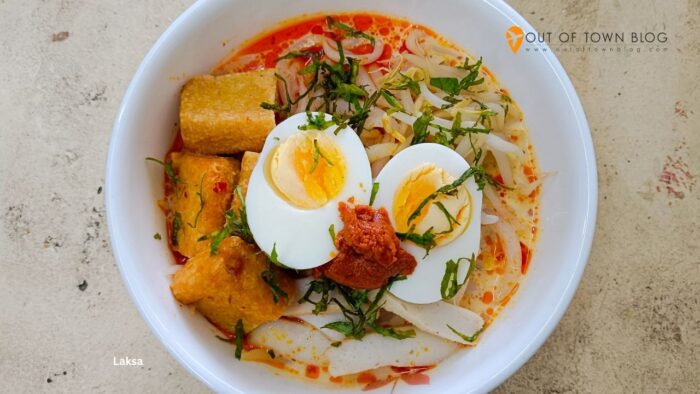
Laksa
Laksa is one of Malaysia’s most celebrated noodle dishes, offering a rich, aromatic bowl that perfectly captures the country’s love for bold flavors. While several regional varieties exist, the versions commonly found in Kuala Lumpur include Curry Laksa and Assam Laksa.
Curry Laksa features yellow noodles or rice vermicelli swimming in a creamy coconut milk broth infused with curry spices, turmeric, lemongrass, galangal, and chilies. It is typically topped with shrimp, chicken, tofu puffs, bean sprouts, fish cakes, and boiled eggs. Assam Laksa, on the other hand, is made with a tangy fish-based broth flavored with tamarind and aromatic herbs.
Curry Laksa offers a luxurious combination of creamy, mildly spicy, and savory flavors with fragrant coconut richness, while Assam Laksa is refreshingly sour, slightly spicy, and packed with herbs. Both are incredibly satisfying and showcase different sides of Malaysian cuisine.
Excellent places to enjoy Laksa in Kuala Lumpur include Madam Kwan’s, Limapulo Baba Can Cook in Chinatown for authentic Peranakan-style laksa, and numerous hawker stalls at Jalan Alor and ICC Pudu Food Court. Each bowl is freshly prepared and filled with complex flavors that make Laksa one of Malaysia’s ultimate comfort foods.
8. Beef Rendang

Beef Rendang
Beef Rendang is one of Malaysia’s most treasured dishes and a masterpiece of slow cooking. Originating from the Minangkabau people of Indonesia, it has become a staple in Malaysian homes and restaurants.
Chunks of beef are slowly simmered for several hours in coconut milk, lemongrass, galangal, ginger, turmeric, garlic, shallots, and a fragrant blend of spices until the liquid evaporates, leaving behind tender meat coated in a thick, intensely flavorful spice paste.
The result is incredibly tender beef that almost melts in your mouth. The coconut milk adds richness, while the spices contribute earthy, slightly sweet, smoky, and mildly spicy notes. Toasted coconut and caramelized spices create remarkable depth, making every bite unforgettable.
Beef Rendang is often served alongside Nasi Lemak or steamed rice, allowing the aromatic sauce to shine. In Kuala Lumpur, some of the best versions can be found at Rebung Restaurant, Bijan Bar & Restaurant, and traditional Malay restaurants in Kampung Baru. These establishments are renowned for preparing authentic rendang using traditional slow-cooking methods that preserve its rich heritage and extraordinary flavor.
9. Nasi Kandar

Nasi Kandar
Nasi Kandar is a legendary Malaysian meal that originated in Penang but has become immensely popular throughout Kuala Lumpur. The dish begins with a generous serving of steamed rice topped with a variety of curries and side dishes displayed buffet-style.
Diners can choose from fried chicken, beef rendang, fish, prawns, squid, lamb curry, okra, cabbage, eggs, and numerous vegetable dishes before the server generously ladles several curries over the rice, creating the famous “banjir” or flooded style.
The combination of multiple curries produces a rich blend of spicy, savory, creamy, and slightly sweet flavors. Each spoonful offers something different, with aromatic spices, tender meats, and perfectly cooked rice absorbing every drop of the flavorful sauces. Despite its hearty appearance, the meal remains balanced thanks to the variety of vegetables and spices.
For authentic Nasi Kandar in Kuala Lumpur, visit Pelita Nasi Kandar, Restoran Yaseen, or Nasi Kandar Line Clear outlets. These restaurants remain popular day and night, serving generous portions that satisfy both locals and visitors looking to experience one of Malaysia’s most iconic comfort foods.
10. Bak Kut Teh

Bak Kut Teh
Bak Kut Teh, which translates to “pork bone tea,” is one of the most distinctive dishes in Malaysian Chinese cuisine. Despite its name, the dish contains no tea in the soup itself. Instead, meaty pork ribs are slowly simmered for hours in a fragrant herbal broth made with garlic, star anise, cinnamon, cloves, white pepper, dang gui (angelica root), licorice root, and a blend of traditional Chinese medicinal herbs. The result is an aromatic soup that is deeply flavorful without being overly heavy.
The pork becomes exceptionally tender, falling off the bone easily, while the broth develops a comforting balance of savory, herbal, peppery, and slightly sweet notes. It is commonly served with steamed rice, crispy fried dough sticks known as youtiao, mushrooms, tofu skin, and preserved vegetables. A dipping sauce made with soy sauce, chopped garlic, and fresh chilies adds another layer of flavor.
For some of Kuala Lumpur’s best Bak Kut Teh, visit Sun Fong Bak Kut Teh in Kepong, Mo Sang Kor Bak Kut Teh, or Ah Sang Bak Kut Teh. These long-established eateries have earned loyal followings for their rich broths and consistently excellent quality, making them essential stops for anyone eager to explore Malaysia’s Chinese culinary traditions.
11. Mee Goreng Mamak

Mee Goreng Mamak
Mee Goreng Mamak is one of Kuala Lumpur’s most popular street food dishes, originating from the Indian Muslim community known locally as the Mamak. This flavorful stir-fried noodle dish features thick yellow egg noodles cooked over high heat with garlic, onions, tomatoes, bean sprouts, tofu, potatoes, eggs, green vegetables, and your choice of chicken, beef, shrimp, or squid.
The noodles are tossed in a rich blend of soy sauce, tomato ketchup, chili paste, curry spices, and a squeeze of fresh lime, creating a unique balance of sweet, spicy, tangy, and savory flavors.
The noodles are soft yet slightly chewy, while the vegetables add freshness and crunch. The curry spices provide warmth without overwhelming the palate, and the lime brightens the dish with a refreshing citrus finish. Every bite is packed with smoky wok aroma, making it a satisfying meal at any time of the day.
For an authentic plate of Mee Goreng Mamak, head to Valentine Roti, Mansion Tea Stall, or the many 24-hour mamak restaurants scattered across Kuala Lumpur. Jalan Alor and Brickfields also have several excellent eateries serving freshly cooked versions prepared to order.
12. Curry Mee

Curry Mee
Curry Mee is a comforting noodle soup that blends Malaysian Chinese and Malay culinary traditions into a rich, aromatic bowl. It features yellow egg noodles or rice vermicelli served in a creamy coconut milk broth infused with curry powder, turmeric, lemongrass, galangal, garlic, and dried chilies.
The bowl is generously topped with shrimp, chicken slices, tofu puffs, fish balls, cockles, bean sprouts, long beans, and fresh herbs. A spoonful of sambal is often added to increase the heat and deepen the flavor.
The broth is silky, mildly spicy, and fragrant, with the coconut milk beautifully balancing the bold spices. The tofu puffs soak up the flavorful soup, while the seafood adds natural sweetness. The combination of soft noodles, crunchy vegetables, and aromatic broth creates a hearty meal that is both satisfying and comforting.
Some of Kuala Lumpur’s best Curry Mee can be found at Madam Kwan’s, Soong Kee Beef Noodles, and the famous hawker stalls at ICC Pudu Food Court and Jalan Alor. Many family-run eateries have been serving their treasured recipes for decades, making every bowl a taste of Malaysian culinary heritage.
13. Wantan Mee

Wantan Mee
Wantan Mee is one of Malaysia’s favorite Chinese noodle dishes and a staple found throughout Kuala Lumpur’s coffee shops and hawker centers. Thin egg noodles are cooked until perfectly springy, then tossed in a savory sauce made with soy sauce, oyster sauce, sesame oil, and fragrant pork lard.
The dish is accompanied by delicate wantons filled with seasoned minced pork and shrimp, slices of char siu (barbecued pork), leafy green vegetables, and sometimes pickled green chilies.
The noodles have a wonderfully firm texture, while the sauce provides a rich umami flavor with a subtle sweetness. The char siu is tender and slightly caramelized, complementing the juicy wantons that burst with flavor in every bite. The pickled chilies cut through the richness with their bright acidity, creating a perfectly balanced meal.
For outstanding Wantan Mee in Kuala Lumpur, visit Koon Kee Wantan Mee in Chinatown, Shin Kee Beef Noodles, or the numerous Chinese coffee shops around Petaling Street. Many of these establishments have been perfecting their recipes for generations and remain favorites among locals seeking authentic comfort food.
14. Hainanese Chicken Rice

Hainanese Chicken Rice
Hainanese Chicken Rice may have originated from Chinese immigrants from Hainan Island, but it has become one of Malaysia’s most beloved everyday meals. The dish consists of poached or roasted chicken served with fragrant rice cooked in chicken stock, garlic, ginger, and pandan leaves.
It is accompanied by fresh cucumber slices and three essential sauces: spicy chili sauce, ginger paste, and dark soy sauce.
The chicken is remarkably tender and juicy, with silky skin that melts in your mouth. The rice is equally important, absorbing the rich flavors of the chicken broth while remaining light and fluffy. Combined with the spicy chili sauce and aromatic ginger, every mouthful delivers a satisfying balance of savory, mildly sweet, and refreshing flavors.
Some restaurants also offer roasted chicken with crispy golden skin for a richer alternative. In Kuala Lumpur, excellent Hainanese Chicken Rice can be found at Nam Heong Chicken Rice, Nasi Ayam Hainan Chee Meng, and countless Chinese eateries throughout Bukit Bintang, Petaling Street, and SS2. This comforting classic remains a favorite lunch option among both locals and travelers.
15. Apam Balik

Apam Balik
Apam Balik is one of Malaysia’s most beloved street snacks and a must-try dessert for anyone exploring Kuala Lumpur’s night markets. This thick, folded pancake is made from a batter of flour, eggs, sugar, coconut milk, and baking powder, then cooked on a hot griddle until golden brown.
Once partially cooked, it is generously filled with crushed roasted peanuts, sweet corn kernels, sugar, and butter, then folded in half and served warm. Modern variations may also include chocolate, cheese, bananas, Nutella, or even matcha cream.
The outside is lightly crisp while the inside remains soft, fluffy, and slightly chewy. The roasted peanuts provide a delightful crunch, while the melted butter and sugar create a rich caramel-like sweetness. Sweet corn adds bursts of freshness that perfectly complement the nutty filling.
Some of Kuala Lumpur’s best Apam Balik can be found at Taman Connaught Night Market, Jalan Alor, Chow Kit Market, and numerous pasar malam (night markets) across the city. Watching vendors skillfully prepare each pancake fresh to order is part of the experience, and enjoying one while strolling through Kuala Lumpur’s vibrant street food scene is a memorable way to end an evening.
16. Cendol

Cendol Melaka
Cendol is one of Malaysia’s most iconic desserts and the perfect way to escape Kuala Lumpur’s year-round tropical heat. This refreshing treat consists of finely shaved ice topped with vibrant green rice flour jelly flavored with fragrant pandan leaves.
It is served with rich coconut milk, sweet gula Melaka (palm sugar syrup), and soft red beans. Some modern versions include sweet corn, glutinous rice, grass jelly, durian, jackfruit, or vanilla ice cream for an even more indulgent experience.
The combination of creamy coconut milk and smoky caramel-like gula Melaka creates a beautifully balanced sweetness that never feels overwhelming. The pandan jelly adds a soft, chewy texture, while the shaved ice keeps every spoonful wonderfully refreshing. Red beans contribute an earthy sweetness that complements the dessert’s rich flavors.
For some of the best Cendol in Kuala Lumpur, visit Madras Lane Cendol in Petaling Street, Penang Road Famous Teochew Chendul at Pavilion Kuala Lumpur, or the many dessert stalls found throughout Jalan Alor and Central Market. This classic Malaysian dessert is especially enjoyable after a day of sightseeing in the city’s warm climate.
17. Ais Kacang (ABC)

Ais Kacang
Ais Kacang, also known as ABC (Air Batu Campur), is one of Malaysia’s most colorful and refreshing desserts. At first glance, it resembles a mountain of fluffy shaved ice, but beneath the surface are a variety of sweet ingredients, including red beans, sweet corn, grass jelly, attap seeds, palm seeds, agar-agar jelly, and sometimes cubes of fresh fruit.
The dessert is generously drizzled with evaporated milk, condensed milk, rose syrup, and fragrant gula Melaka before being topped with brightly colored syrups. Premium versions may include ice cream, durian puree, mango, avocado, or chocolate sauce.
Every spoonful offers a delightful mix of textures, from the soft shaved ice and creamy milk to the chewy jellies and tender beans. The flavors are sweet, creamy, fruity, and slightly smoky thanks to the palm sugar syrup.
Some of Kuala Lumpur’s best Ais Kacang can be enjoyed at Central Market, the food court at Pavilion Kuala Lumpur, Little Penang Café, and various hawker centers throughout the city. It’s the ideal dessert to cool off after sampling spicy Malaysian street food.
18. Popiah

Popiah
Popiah is a light yet incredibly flavorful fresh spring roll that reflects the Chinese influence on Malaysian cuisine. Unlike deep-fried spring rolls, Popiah uses a delicate, paper-thin wheat flour wrapper filled with an assortment of fresh ingredients.
Common fillings include shredded jicama slowly braised with carrots, bean sprouts, lettuce, tofu, boiled eggs, green beans, crushed peanuts, crispy fried shallots, and sometimes shrimp or Chinese sausage. Sweet hoisin sauce and spicy chili sauce are spread inside the wrapper before it is carefully rolled by hand.
The result is a refreshing combination of crisp vegetables, soft wrapper, crunchy peanuts, and savory fillings. The sweet sauce balances the fresh vegetables perfectly, while the fried shallots provide a rich aroma and satisfying crunch. Every bite feels light yet packed with flavor.
Excellent Popiah can be found on Petaling Street in Chinatown, at the ICC Pudu Food Court, on Jalan Alor, and at many traditional Chinese coffee shops throughout Kuala Lumpur. Because each roll is assembled fresh to order, the ingredients retain their vibrant textures and flavors, making Popiah a popular snack or light meal.
19. Otak-Otak

Otak-Otak
Otak-Otak is a fragrant grilled seafood delicacy that is widely enjoyed across Malaysia. Despite its unusual name, which translates to “brains” because of its soft texture, the dish contains no brain at all. It is made by blending fresh fish paste—usually mackerel—with coconut milk, eggs, shallots, garlic, lemongrass, turmeric, chilies, kaffir lime leaves, and aromatic spices. The mixture is wrapped in banana leaves before being grilled over charcoal until lightly charred.
The banana leaf imparts a smoky aroma while locking in moisture, resulting in a soft, custard-like texture that almost melts in your mouth. The fish is naturally sweet, while the spices add warmth, fragrance, and gentle heat. The coconut milk creates a creamy richness that beautifully balances the spices.
In Kuala Lumpur, delicious Otak-Otak can be found at Madam Kwan’s, Lot 10 Hutong Food Court, Jalan Alor, and numerous Malay restaurants. It is often served as an appetizer or side dish alongside rice and sambal, making it a wonderful introduction to Malaysia’s seafood specialties.
20. Yong Tau Foo

Yong Tau Foo
Yong Tau Foo is a comforting Chinese-Malaysian dish that offers incredible variety and customization. The dish features an assortment of tofu, eggplant, bitter melon, okra, chili peppers, mushrooms, bean curd skin, and other vegetables stuffed with a savory fish paste made from fresh mackerel or other white fish.
Diners select their preferred ingredients, which are then boiled, steamed, fried, or deep-fried before being served with clear broth, curry sauce, or sweet bean sauce. Noodles or rice can also be added for a more substantial meal.
The stuffed vegetables are tender and juicy, while the fish paste provides a delicate sweetness and springy texture. Depending on your sauce choice, the dish can be light and comforting or rich and spicy. The wide selection of ingredients makes every meal unique and allows diners to create combinations that suit their tastes.
For some of Kuala Lumpur’s best Yong Tau Foo, visit Ampang, which is considered the birthplace of Malaysia’s famous version of the dish. Other excellent options include Restoran Foong Foong, Pudu hawker centers, and food courts throughout the city, where freshly stuffed ingredients are prepared daily using traditional family recipes.
21. Rojak

Rojak Petis
Rojak, whose name means “mixture” in Malay, is one of Malaysia’s most distinctive street food salads. Unlike a typical salad, Rojak combines fresh fruits and vegetables with a bold, flavorful dressing that perfectly balances sweet, spicy, salty, and tangy notes.
Common ingredients include cucumber, pineapple, green mango, jicama, bean sprouts, fried tofu, crispy Chinese crullers (youtiao), turnip, and sometimes cuttlefish or jellyfish. Everything is generously coated in a thick sauce made from shrimp paste, tamarind, palm sugar, lime juice, and ground roasted peanuts before being tossed together.
Every bite delivers a fascinating contrast of textures and flavors. The fresh fruits provide natural sweetness and acidity, while the shrimp paste dressing adds deep umami richness. Crunchy peanuts and crispy youtiao create a satisfying texture, making the dish both refreshing and indulgent.
Some of the best Rojak in Kuala Lumpur can be found on Petaling Street in Chinatown, on Jalan Alor, at the ICC Pudu Food Court, and at local hawker centers. It is especially popular as an afternoon snack or light appetizer before enjoying a larger Malaysian feast.
22. Kuih-Muih

Kuih-Muih
Kuih-Muih refers to Malaysia’s colorful collection of traditional bite-sized cakes, pastries, and sweet snacks enjoyed throughout the day. These treats reflect the country’s Malay, Chinese, and Peranakan culinary traditions and are often prepared using recipes passed down through generations.
Common ingredients include glutinous rice flour, coconut milk, pandan leaves, palm sugar, tapioca flour, grated coconut, mung beans, sweet potatoes, and bananas. Popular varieties include Kuih Seri Muka, Kuih Lapis, Onde-Onde, Kuih Ketayap, Pulut Inti, and Kuih Kosui.
Each variety offers its own unique flavor and texture. Some are soft and creamy with fragrant coconut milk, while others are chewy, lightly sweet, or filled with molten gula Melaka that bursts with rich caramel flavor. Pandan leaves contribute their signature floral aroma, making these desserts unmistakably Malaysian.
For authentic Kuih-Muih, visit Central Market, Chow Kit Market, Kampung Baru, and traditional bakeries in Brickfields and Chinatown. Morning markets are the best places to find the widest selection, with vendors displaying dozens of freshly made kuih prepared before sunrise.
23. Lok Lok

Lok Lok
Lok Lok is one of Kuala Lumpur’s most entertaining street food experiences and a favorite among groups of friends. The name means “dip dip,” referring to the way diners cook skewered ingredients by dipping them into boiling broth or hot oil.
Street vendors display dozens of skewers featuring prawns, squid, fish balls, crab sticks, tofu, mushrooms, sausages, vegetables, quail eggs, dumplings, and noodles. Customers simply select the skewers they want, then either cook them themselves or hand them to the vendor.
Once cooked, the skewers are paired with a variety of sauces, including spicy chili, satay peanut sauce, garlic sauce, sweet soy sauce, and tangy sambal. Every skewer offers something different, from juicy seafood and tender meats to crisp vegetables and chewy fish balls, making Lok Lok a fun meal full of variety.
Some of Kuala Lumpur’s most popular Lok Lok stalls can be found along Jalan Alor, at Taman Connaught Night Market, at SS2 Night Market, and on various late-night food streets across the city. Sampling different skewers while strolling through the bustling markets is a quintessential Kuala Lumpur food experience.
24. Ramly Burger

Ramly Burger
Few street foods are as iconic in Malaysia as the Ramly Burger. Originally made with patties from the local Ramly brand, this humble roadside burger has become a national favorite and a late-night staple.
Vendors grill seasoned beef or chicken patties on a hot flat-top before topping them with eggs, onions, shredded lettuce, cheese, and generous amounts of chili sauce, black pepper sauce, mayonnaise, and sweet tomato sauce. Many stalls prepare the famous “burger banjir,” where the finished burger is drenched in extra sauce for maximum flavor.
The burger is incredibly juicy and messy in the best possible way. The savory meat, creamy egg, crisp vegetables, melted cheese, and sweet-spicy sauces combine into a rich, satisfying bite that perfectly captures Malaysian street food culture. Every vendor adds their own twist, making each burger slightly different.
For an authentic Ramly Burger experience, head to Jalan Alor after dark, Kampung Baru night stalls, Taman Connaught Night Market, or neighborhood roadside burger vendors throughout Kuala Lumpur. It is one of the city’s most affordable and beloved comfort foods.
25. Durian

Durian in Malaysia
Known as the “King of Fruits,” Durian is perhaps Malaysia’s most famous—and most polarizing—culinary experience. Its large, thorn-covered shell hides a soft, custard-like flesh that ranges in color from pale yellow to deep golden. Malaysia is home to several premium varieties, including Musang King, D24, Black Thorn, and Red Prawn, each prized for its distinctive flavor and texture.
Durian has an unmistakably strong aroma that some people find overpowering, yet fans consider it irresistible. The flesh is exceptionally rich and creamy, with complex flavors that can be sweet, buttery, nutty, and slightly bitter all at once. Many compare its texture to thick custard or cheesecake. Beyond eating it fresh, durian is also used in ice cream, cakes, pastries, pancakes, mooncakes, and traditional desserts.
For the freshest Durian in Kuala Lumpur, visit Jalan Alor’s fruit stalls, SS2 Durian House, DurianBB Park, and seasonal roadside vendors throughout the city. The best time to enjoy premium Malaysian durian is generally between May and August, when the fruit is at its peak quality and abundance. Trying fresh Musang King in Kuala Lumpur is a memorable culinary adventure that every adventurous traveler should experience at least once.
Final Thoughts
Kuala Lumpur is a paradise for food lovers, offering an extraordinary culinary journey shaped by centuries of cultural exchange. Malay, Chinese, Indian, and Peranakan traditions come together to create one of Asia’s most exciting dining destinations, where every neighborhood introduces new flavors, aromas, and recipes waiting to be discovered.
From enjoying fragrant Nasi Lemak for breakfast and savoring smoky Satay at sunset to cooling off with a bowl of Cendol or challenging your taste buds with the legendary Durian, every meal tells a story about Malaysia’s rich multicultural heritage. The city’s bustling hawker centers, lively night markets, family-run coffee shops, and acclaimed restaurants ensure that unforgettable food is always just around the corner.
Whether you’re exploring Petaling Street, indulging in local favorites at Jalan Alor, wandering through Brickfields (Little India), or dining in the traditional Malay enclave of Kampung Baru, you’ll discover why Kuala Lumpur is consistently regarded as one of Southeast Asia’s premier food destinations.
For travelers who believe the best way to understand a culture is through its cuisine, Kuala Lumpur promises an unforgettable feast—one delicious bite at a time.
Kuala Lumpur Travel Tour Packages You Should Try
<script type="text/javascript"></p> <p> (function (d, sc, u) {</p> <p> var s = d.createElement(sc),</p> <p> p = d.getElementsByTagName(sc)[0];</p> <p> s.type = "text/javascript";</p> <p> s.async = true;</p> <p> s.src = u;</p> <p> p.parentNode.insertBefore(s, p);</p> <p> })(</p> <p> document,</p> <p> "script",</p> <p> "https://affiliate.klook.com/widget/fetch-iframe-init.js"</p> <p> );</p> <p></script>
Follow and subscribe to OutofTownBlog.com on Facebook , Twitter, Instagram, Pinterest, and YouTube for more Travel-related updates.
Read:
- Pudu Wai Sek Kai – A Glutton Street in Kuala Lumpur
- 12 Essential Tips for First-Time Visitors to Kuala Lumpur
- Breakfast in Petaling Street: Kuala Lumpur’s Chinatown
- 15 Must-Try Singapore Street Food and Where to Get Them
- Mee Udang Banjir in Kuala Selangor: A Must-Try Dish for Seafood Lovers
Kuala Lumpur Food Guide: 25 Must-Try Malaysian Dishes
The post Kuala Lumpur Food Guide: 25 Must-Try Malaysian Dishes appeared first on Out of Town Blog