










Kauaʻi Leaves Lānaʻi, Maui and More Islands Behind as Hurricane Lowell Creates the Biggest Tourism Recovery Challenge in Hawaii
-
Travel, Food, Weather
-
-
9 mins
-
Travel and Tour World
-
Swagata Dey
-

Kauaʻi faces Hawaii’s biggest tourism recovery challenge after Hurricane Lowell disrupted infrastructure and businesses as visitors are asked to return responsibly.
Image Credit: Hawai Public
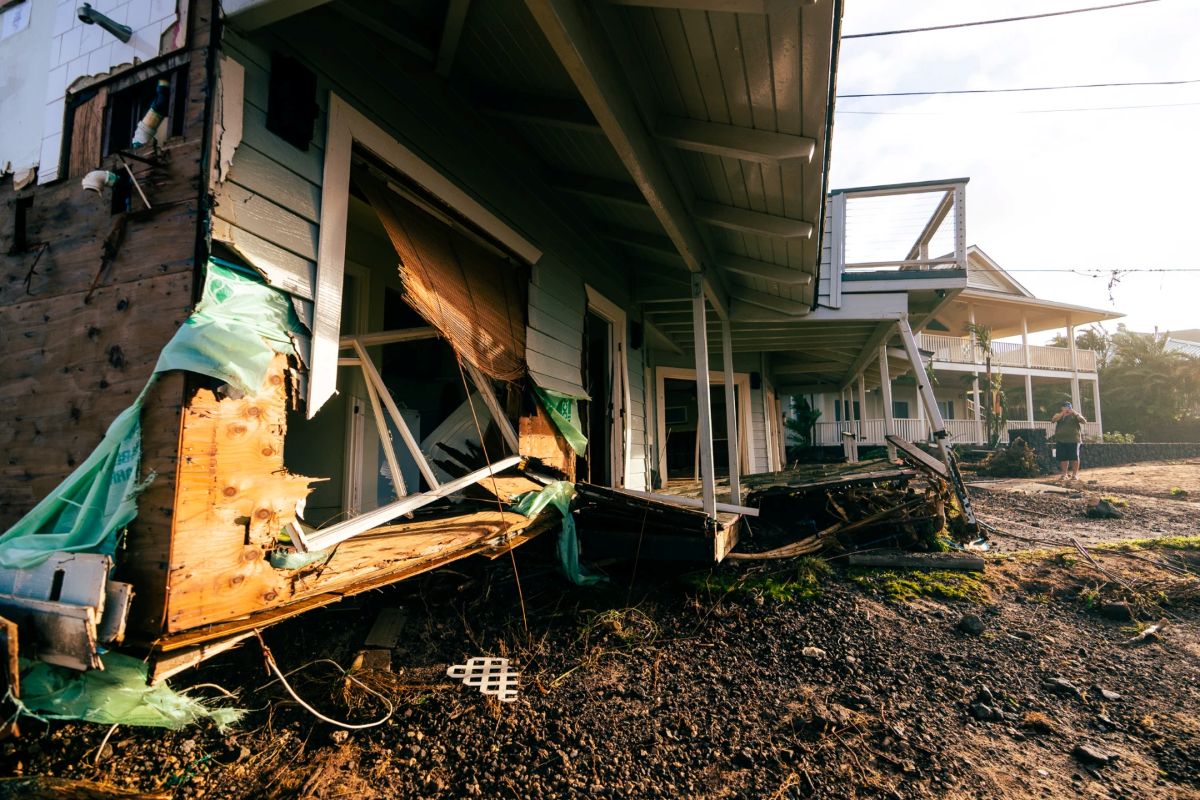
Kauaʻi Leaves Lānaʻi, Maui and More Islands Behind as Hurricane Lowell Creates the Biggest Tourism Recovery Challenge in Hawaii as the island faces a delicate period of rebuilding while protecting its vital visitor economy. The reason behind this challenge is that Kauaʻi, Hawaii experienced significant disruption after Hurricane Lowell affected communities, damaged infrastructure and temporarily slowed visitor activity. After emergency response efforts began, local businesses initially asked tourists to delay travel so recovery work could continue safely. However, as conditions improved, businesses started encouraging visitors to return with patience, respect and awareness of ongoing recovery needs. While Lānaʻi, Maui and More Islands also manage recovery pressures, Kauaʻi Leaves Lānaʻi, Maui and More Islands Behind as the island works through one of the most complex tourism recovery situations in Hawaii. The story highlights the challenge of balancing economic recovery with community resilience.
What Happened to Kauaʻi After Hurricane Lowell?
Hurricane Lowell created significant challenges across Kauaʻi, affecting communities, infrastructure and visitor services.
The storm caused:
- power disruptions;
- damaged roads;
- fallen trees;
- property impacts;
- interruptions for local businesses.
Immediately after the hurricane, local authorities and residents focused on recovery efforts and asked travellers to reconsider visits while essential services were restored.
The concern was that a sudden increase in visitors could place additional pressure on emergency resources, transportation systems and local infrastructure.
As conditions improved, the message gradually changed. Businesses began encouraging visitors to return because tourism plays an important role in supporting jobs, local services and economic recovery.
The island’s approach reflects the challenge faced by many destinations after natural disasters: rebuilding while maintaining the visitor economy.
Hawaii Islands Facing Tourism Recovery Pressure After Hurricane Lowell: Maui, Lanai and More Compared With Kauaʻi
Following Hurricane Lowell, Kauaʻi became the most affected Hawaiian island, with storm damage disrupting roads, power systems, businesses and visitor activity. However, other islands in Hawaiʻi have also faced tourism-related recovery challenges from the same storm, particularly Lānaʻi and Maui, where infrastructure, transportation and community services required attention.
Unlike Kauaʻi, where tourism officials temporarily encouraged travellers to delay visits, the impact on other islands varied significantly. Some islands remained largely operational, while others faced specific infrastructure disruptions.
Hawaiian Islands Experiencing Tourism and Infrastructure Pressure After Hurricane Lowell
| Island | State | Main Hurricane Lowell Impact | Tourism Impact | Key Statistics / Facts |
|---|---|---|---|---|
| Kauaʻi | Hawaiʻi | Strong winds, flooding, damaged roads, power outages and resort impacts | Temporary visitor disruption and travel adjustments | Around 90% of households and businesses lost power initially; more than 3,000 households and businesses remained without power during recovery; tourism accounts for a major share of the island economy |
| Lānaʻi | Hawaiʻi | Damage to the island’s only cargo harbour | Supply chain pressure affecting residents, businesses and tourism operations | Harbour serving approximately 3,300 residents became temporarily unusable; repairs expected to take about two weeks |
| Maui | Hawaiʻi | Recovery concerns linked to broader storm impacts and previous disaster recovery pressures | Tourism confidence and community recovery remained sensitive | Maui previously experienced major tourism disruption after the 2023 Lahaina wildfire; tourism represents a significant part of the island economy |
| Island of Hawaiʻi (Big Island) | Hawaiʻi | Limited disruption compared with Kauaʻi | Tourism operations largely continued | Remained more operational compared with heavily affected Kauaʻi |
| Oʻahu | Hawaiʻi | Limited storm-related impacts | Tourism largely continued | Major visitor hub with Honolulu and major airport connectivity |
Why Is Kauaʻi Facing the Greatest Tourism Recovery Challenge?
Kauaʻi experienced the strongest effects from Hurricane Lowell, including severe weather impacts on infrastructure and visitor services.
The island faced:
- damaged roads;
- power interruptions;
- resort disruptions;
- business closures;
- recovery logistics challenges.
The Hawaiʻi Tourism Authority advised travellers to remain flexible, confirm accommodation availability and adjust plans if necessary while recovery continued.
Tourism is especially important for Kauaʻi because the island depends heavily on visitor spending. Reports noted that tourism supports a significant portion of local employment and economic activity.
Local businesses later encouraged visitors to return responsibly because prolonged tourism declines could create additional economic pressure.
How Did Hurricane Lowell Affect Lānaʻi’s Tourism Supply Chain?
Lānaʻi experienced a different type of tourism challenge compared with Kauaʻi.
The island’s main issue was not a direct visitor shutdown but damage to its critical supply infrastructure.
Hurricane Lowell damaged the island’s only cargo harbour, which plays an important role in delivering:
- food supplies;
- fuel;
- essential goods.
The harbour supports approximately 3,300 residents, making restoration important for both residents and tourism operations.
Because Lānaʻi is a smaller island with limited transport alternatives, infrastructure disruptions can have a greater effect on daily operations.
Tourism businesses on smaller islands depend heavily on reliable supply chains for:
- hotels;
- restaurants;
- activities;
- visitor services.
Why Does Maui Remain Sensitive After Hurricane Lowell?
Maui’s tourism recovery situation is different because the island was already managing the long-term effects of the 2023 Lahaina wildfire.
The wildfire caused major community and tourism disruption, particularly in West Maui.
Maui’s tourism economy remains important because visitors support:
- hotels;
- restaurants;
- local businesses;
- transportation services.
The island’s experience demonstrates how repeated disasters can influence traveller confidence and community recovery.
While Hurricane Lowell did not create the same level of disruption across Maui as Kauaʻi experienced, the island remains a key example of how tourism destinations balance economic recovery with community needs.
How Do Tourism Impacts Differ Across Hawaii’s Islands?
| Island | Tourism Situation After Lowell |
|---|---|
| Kauaʻi | Most significant recovery needs and visitor adjustments |
| Lānaʻi | Infrastructure and supply-chain challenges |
| Maui | Continued sensitivity due to previous disaster recovery |
| Oʻahu | Tourism operations largely continued |
| Big Island | Less severe impact compared with Kauaʻi |
The differences show that natural disasters affect Hawaiian islands differently depending on:
- geography;
- infrastructure;
- transportation links;
- tourism dependence.
Why Are Kauaʻi Businesses Encouraging Tourists to Return?
Small businesses across Kauaʻi depend heavily on visitor spending, making tourism recovery essential.
Local operators experienced reduced demand after the storm as some travellers delayed or cancelled trips.
One example highlighted was The Musubi Truck, a family-owned food business that supported residents during the immediate recovery period. However, reduced visitor activity later affected operations and staffing.
The wider business impact includes:
- lower sales;
- reduced employee hours;
- pressure on suppliers;
- slower recovery.
Tourism businesses are now encouraging visitors to return responsibly rather than avoid the island completely.
The message is focused on supporting local communities while respecting ongoing repairs.
By returning, visitors can contribute directly to restaurants, shops, tour operators and other businesses rebuilding after the disruption.
How Important Is Tourism to Kauaʻi’s Economy?
Tourism remains one of Kauaʻi’s most important economic sectors.
Visitors support a wide range of industries, including:
- hotels;
- restaurants;
- retail;
- transportation;
- outdoor activities.
The island’s natural attractions, including beaches, landscapes and outdoor experiences, make tourism a central part of its economy.
For many small businesses, visitor spending provides essential income, particularly during peak travel periods.
A prolonged decline in tourism can create challenges because many island businesses operate with limited financial reserves.
The recovery process requires a careful balance. Kauaʻi needs tourism revenue to support economic recovery, while also ensuring infrastructure and communities have enough time to recover.
What Message Is Kauaʻi Sending to Returning Visitors?
Local leaders are encouraging visitors to return while travelling responsibly.
The message is focused on thoughtful tourism rather than simply restoring previous visitor levels.
Travellers are encouraged to:
- confirm accommodation availability;
- check attraction updates;
- follow local guidance;
- avoid restricted recovery areas;
- support local businesses.
Responsible travel helps visitors enjoy Kauaʻi while contributing to recovery.
The island’s tourism message reflects the importance of understanding local conditions after a disaster.
Visitors who remain flexible and respectful can play a positive role in helping communities rebuild.
How Can Travellers Support Kauaʻi’s Recovery?
Visitors can support recovery by making choices that benefit local communities.
Ways to help include:
Support Local Businesses
Spending at locally owned restaurants, shops and tour companies keeps tourism revenue within the island economy.
Respect Recovery Areas
Some locations may require additional repair work or restricted access.
Follow Official Updates
Travellers should check guidance before visiting attractions or planning activities.
Choose Sustainable Experiences
Nature-based activities should respect Kauaʻi’s environment and cultural resources.
Tourism can become part of recovery when visitors travel responsibly and support the communities they visit.
What Challenges Remain After Hurricane Lowell?
Although tourism activity is returning, recovery continues across several areas.
Remaining challenges include:
- repairing infrastructure;
- supporting affected residents;
- rebuilding businesses;
- managing visitor expectations.
Storm impacts can extend beyond tourism, affecting agriculture, local services and community resources.
For island destinations, recovery can be complex because transportation, supplies and infrastructure are often more limited compared with mainland locations.
Kauaʻi’s experience demonstrates why disaster recovery requires cooperation between government agencies, businesses, residents and visitors.
How Does Kauaʻi’s Recovery Reflect Global Tourism Challenges?
Kauaʻi’s situation represents a wider challenge for destinations vulnerable to natural disasters.
Tourism-dependent locations must balance:
- economic recovery;
- climate risks;
- environmental protection;
- community needs.
Many island destinations worldwide face similar questions after storms or other disruptions.
Tourism provides important financial support, but destinations must also protect their resources and ensure local communities benefit.
Kauaʻi’s recovery shows how responsible tourism can help rebuild destinations while respecting the needs of residents.
What Can Visitors Do When Travelling to Hawaii After Storm Recovery?
Travellers visiting Hawaii after major weather events are encouraged to:
- confirm hotel and activity availability;
- follow official travel updates;
- respect restricted recovery areas;
- support local businesses;
- remain flexible.
The Hawaiʻi Tourism Authority has encouraged visitors to adjust plans when necessary while continuing to support the wider visitor economy.
Responsible tourism can help communities recover by bringing economic activity back while allowing residents and businesses time to rebuild.
Frequently Asked Questions
Why did Kauaʻi ask some tourists to delay travel?
The island needed time for emergency response, repairs and restoration of essential services.
Why are businesses now welcoming visitors?
Tourism spending supports local businesses, jobs and economic recovery.
How can visitors help Kauaʻi?
Travellers can support local businesses, follow guidance and respect recovery areas.
Is Kauaʻi open for tourism?
Visitors are being encouraged to return responsibly while recovery continues.
Conclusion
Kauaʻi Leaves Lānaʻi, Maui and More Islands Behind as Hurricane Lowell Creates the Biggest Tourism Recovery Challenge in Hawaii reflecting the difficult recovery journey facing one of Hawaii’s most tourism-dependent islands. The cause behind the challenge is the combined impact of Hurricane Lowell, infrastructure disruption, business interruptions and temporary changes in visitor activity. The answer lies in responsible tourism, local support and careful recovery planning that protects both residents and the visitor economy. As Kauaʻi, Hawaii continues rebuilding, businesses are asking tourists to return while travelling with patience, flexibility and respect for ongoing recovery efforts. Although Lānaʻi, Maui and More Islands face their own challenges, Kauaʻi’s recovery highlights the importance of restoring services, supporting small businesses and maintaining tourism confidence. Hurricane Lowell Creates the Biggest Tourism Recovery Challenge in Hawaii, but responsible visitors can become part of the island’s path towards recovery.
The post Kauaʻi Leaves Lānaʻi, Maui and More Islands Behind as Hurricane Lowell Creates the Biggest Tourism Recovery Challenge in Hawaii appeared first on Travel and Tour World