










Cuba Tourism Crisis Deepens as Gaviota Reveals Just 3,470 of 30,000 Hotel Rooms Are Operational Amid Mass Closures and Plunging Arrivals
-
Travel, Food, Currency
-
-
5 mins
-
Travel and Tour World
-
Somudranil Sarkar
-


Cuba retains considerable tourism potential through its cultural heritage, historic cities, beaches and distinctive Caribbean identity
Cuba’s tourism sector is confronting a significant capacity challenge after Gaviota, the hotel subsidiary of military conglomerate GAESA, reported that only 3,470 of its 30,000 hotel rooms were operational. The disclosure highlights the difficulties facing the island’s hospitality industry as economic pressures, reduced visitor demand and operational constraints affect tourism businesses.
Elia Elena Cortés, Sales Director of Gaviota Tourism Group, disclosed the figures to Cuban state-run media during a conference at Havana’s Hotel Paseo del Prado. The operational rooms are concentrated in established destinations in western and central Cuba, including Havana, Varadero, Topes de Collantes and Santa María.
The figures indicate that approximately 11.6% of Gaviota’s reported room inventory is currently available for use. This leaves a substantial proportion of its accommodation capacity outside active operation, limiting the group’s ability to serve visitors across its wider portfolio.
The announcement comes as Cuba seeks to maintain its tourism offering while confronting declining international arrivals and broader economic difficulties.
Gaviota Concentrates Hotel Operations in Key Tourist Destinations
Gaviota has concentrated its operational capacity in selected destinations to focus resources and supplies on properties that remain open.
Cortés said the approach had allowed the group to focus its services and supplies on improving customer service. Concentrating resources in fewer properties can help hotel operators manage shortages and maintain service standards when operating conditions become difficult.
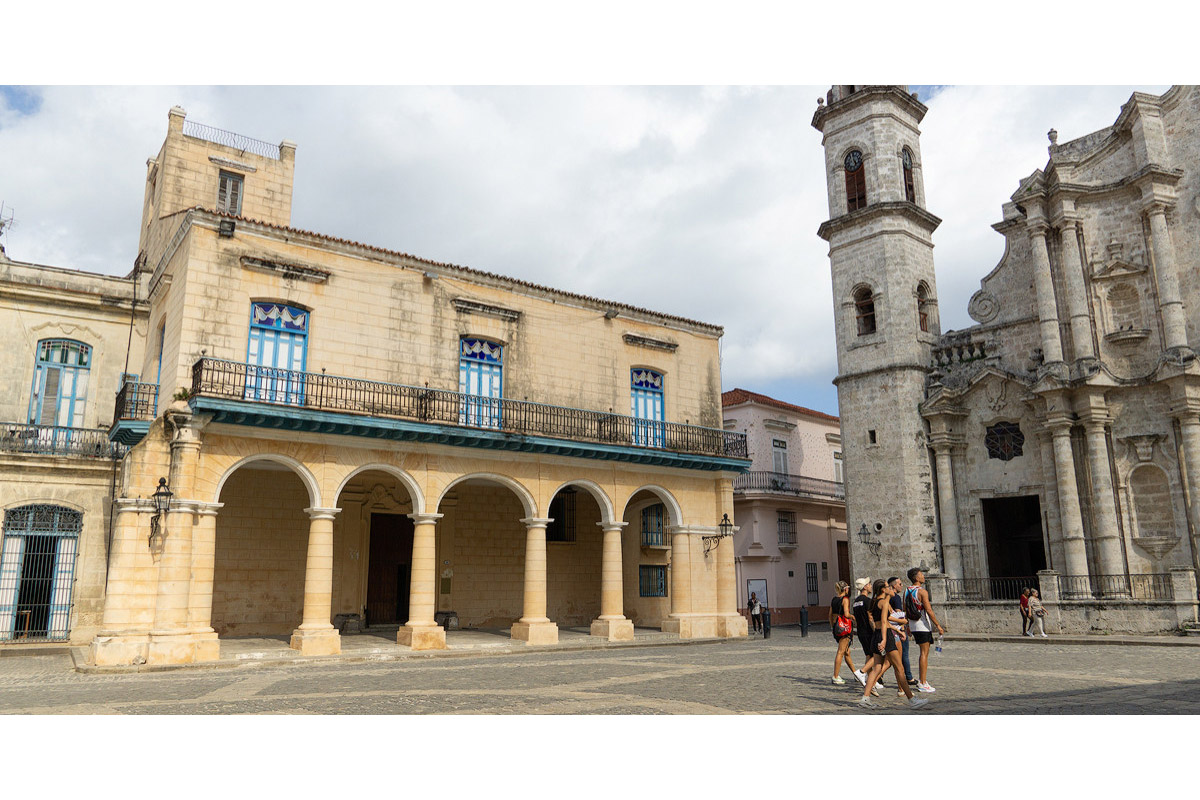
Havana and Varadero remain important components of Cuba’s tourism proposition. Havana attracts visitors interested in architecture, history and cultural experiences, while Varadero is known for its beaches and resort accommodation.
Topes de Collantes offers access to mountainous landscapes and nature-based activities, while Santa María provides another part of the island’s established tourism network.
However, concentrating operations in a limited number of destinations can also restrict the range of experiences available to visitors. It may reduce accommodation choices in other areas and make it harder for tour operators to offer broader itineraries across the country.
For Cuba, the challenge is to maintain service quality in operating properties while determining when additional destinations can reopen.
Hotel Playa Luxury Varadero Opens Amid Capacity Constraints

Despite the wider operational difficulties, Gaviota has announced a new luxury property in Varadero.
The Hotel Playa Luxury Varadero is planned as an adults-only resort with 85 high-end rooms. According to the group’s announcement, the hotel is located at Cayo Libertad, a relatively secluded area at the tip of the Hicacos Peninsula.
Cortés identified the location as one of the property’s principal attractions, highlighting its distinctive setting.
The project reflects the continued emphasis on premium accommodation within Cuba’s tourism strategy. Luxury properties can potentially attract higher-spending visitors and generate additional revenue through accommodation, dining and other services.
However, the opening also raises questions about the balance between developing new hotels and maintaining existing capacity.
With most of Gaviota’s reported room inventory outside operation, the broader challenge for the sector is not simply expanding its premium offering. It also involves ensuring that existing hotels have the resources, infrastructure and demand needed to operate reliably.
The new resort’s contribution to the market will therefore depend on visitor demand, transport availability and the property’s ability to deliver consistent services.
Cuba’s International Tourist Arrivals Continue to Decline
Cuba’s accommodation difficulties coincide with a sharp decline in international tourism.
The figures provided for January to August 2026 indicate that the country received 450,353 international tourists, representing a reported decline of 64.4% compared with the same period in 2025.
Such a fall would place substantial pressure on hotels, restaurants, tour operators, transport providers and other businesses that depend on international visitors.
Lower arrivals can weaken hotel occupancy and reduce revenue available for maintenance, staffing and investment. When demand falls significantly, operators may respond by closing properties temporarily or concentrating business in locations with comparatively stronger demand.
The relationship between arrivals and hotel operations is particularly important in Cuba because accommodation capacity has expanded over time, while the current economic environment has created difficulties for the wider tourism sector.
The reported figures suggest a substantial mismatch between the country’s available hotel inventory and the number of international visitors currently entering the market.
Economic Pressures and US Sanctions Complicate Recovery
Gaviota’s announcement comes against a backdrop of economic difficulties and restrictions affecting Cuba.
Frank País Oltuski Rodríguez, the group’s Vice President, said reopening additional destinations during the peak season would depend on the country’s circumstances and US sanctions. He also stressed that the group wanted clients to continue experiencing Cuba.
Sanctions affecting Cuban state-linked entities can complicate commercial relationships, financing and international business operations. However, the precise effects vary according to the measures involved, the companies concerned and their exposure to US restrictions.
Cuba’s tourism challenges also extend beyond sanctions. Fuel availability, electricity supply, maintenance requirements, access to foreign currency and the cost of operating hotels can all influence whether properties remain open.
These pressures can affect the entire visitor journey, from international flights and ground transport to hotel services and excursions.
For prospective visitors and international tour operators, reliable accommodation and transport remain central considerations when deciding whether to sell or book a destination.
Foreign Hotel Brands and Airlines Face a Difficult Market
Cuba’s tourism sector has also faced reported changes in international hotel and airline operations.
The supplied report states that Meliá, Iberostar and Barceló ceased operations in Cuba during 2026, while Air Canada, Iberia, Air France and Turkish Airlines halted their services to the island amid fuel shortages and weakening travel demand.
These claims require confirmation against the companies’ individual announcements and current operating schedules before being treated as established facts. Hotel management arrangements and airline routes can change independently, and a suspension or cancellation should not automatically be interpreted as a permanent market withdrawal.
Nevertheless, any substantial reduction in international air connectivity would create additional difficulties for tourism recovery.
Air services determine how easily visitors can reach Cuba, while hotel partnerships help tour operators package accommodation and other travel services. Reduced connectivity or fewer accommodation options can make destinations harder to sell, particularly to travellers with limited flexibility.
Restoring confidence among international travel partners will therefore be important if Cuba intends to rebuild visitor numbers.
Hotel Closures Raise Concerns About Tourism Employment
The reduction in operating capacity also has implications for workers.
According to the supplied report, Prime Minister Manuel Marrero told Cuba’s National Assembly in late July that 73% of the country’s hotel facilities remained closed, leaving approximately 25,000 hotel workers without assigned duties.
If confirmed, the figures would underline the employment consequences of the tourism downturn.
Hotels support jobs across housekeeping, food and beverage services, reception, maintenance, management and administration. They also generate demand for suppliers, transport operators, guides and other businesses.
When properties close, the effects can spread beyond their immediate workforces. Local businesses may lose customers, while workers face uncertainty over income and future employment.
Reopening hotels requires more than an improvement in visitor demand. Operators also need sufficient fuel, electricity, supplies, maintenance capacity and staffing to deliver reliable services.
What Cuba Needs to Rebuild Its Tourism Industry
Cuba’s tourism recovery will depend on addressing several interconnected challenges.
First, the sector needs to restore reliable hotel operations. Bringing existing rooms back into service could expand accommodation availability without relying exclusively on new construction.
Second, international connectivity and confidence must be strengthened. Consistent airline services and clear information about operating hotels would help travel businesses assess the destination and plan itineraries.
Third, investment needs to support the operational requirements of existing properties alongside premium developments. New luxury accommodation may help attract higher-spending visitors, but a sustainable recovery also requires a functioning wider tourism network.
Finally, the country must demonstrate that visitors can expect dependable transport, accommodation and essential services throughout their stays.
Gaviota’s disclosure provides a stark indication of the scale of the challenge. With only a small proportion of its reported room inventory operational, Cuba faces the task of converting its established tourism attractions into a reliable, competitive and economically sustainable visitor experience.
x
The post Cuba Tourism Crisis Deepens as Gaviota Reveals Just 3,470 of 30,000 Hotel Rooms Are Operational Amid Mass Closures and Plunging Arrivals appeared first on Travel and Tour World