
















Japan’s J-TREC Unveils Energy-Efficient Series 2000 Electric Train for Tokyo’s Keio Network, Redefining Urban Travel for the Future
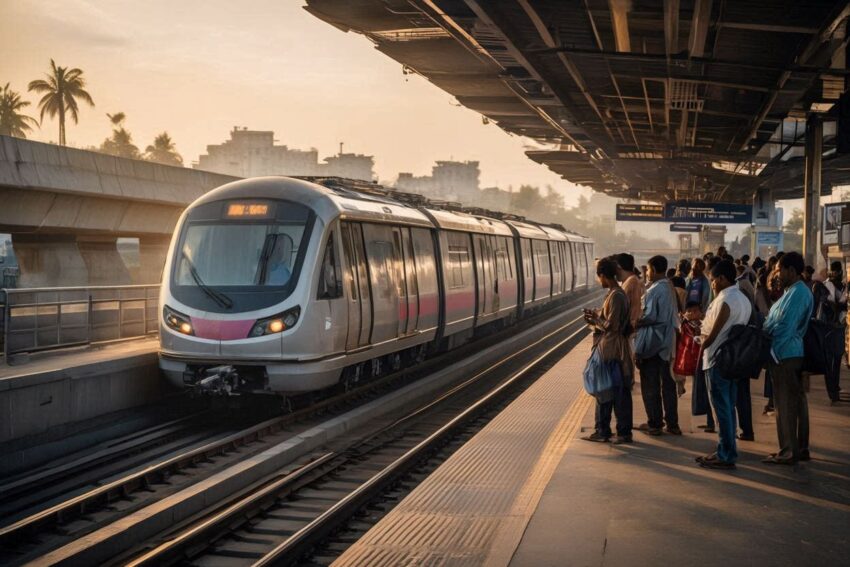
-
Travel, Culture
-
-
4 mins
-
Travel and Tour World
-
Rituparna Dutta Choudhury
-

J-TREC introduces Japan’s Series 2000 train for Tokyo’s Keio Line, blending innovation, comfort, and sustainability to transform Japan’s urban commuting experience.
A new chapter in Japan’s railway innovation unfolds with the unveiling of the Series 2000 electric train by J-TREC for Tokyo’s Keio network. Built on the company’s acclaimed Sustina platform, this ten-car marvel redefines the standards of energy efficiency, commuter comfort, and operational reliability in one of the world’s busiest transport systems. Designed to operate on 1.5 kV DC and a 1,372 mm gauge, the train integrates Hitachi SiC traction technology, delivering an impressive 20% reduction in energy consumption compared to its predecessor, the Keio Series 7000.
With its sleek stainless-steel construction, advanced braking systems, and accessibility-focused interior, the new Series 2000 represents Japan’s vision of future-ready public transport—sustainable, inclusive, and technologically robust. More than just a means of travel, it signifies how Japan continues to refine the art of rail engineering to enhance the tourism and commuting experience across Tokyo and beyond. By combining environmental consciousness with passenger-centric design, this launch marks a pivotal step in shaping a cleaner, smarter, and more enjoyable journey for residents and visitors alike.
A Milestone in Japan’s Rail Evolution
The unveiling of the Series 2000 marks a defining moment for J-TREC and the Keio network, both long recognized for pioneering advancements in Japanese rail transport. Developed under J-TREC’s Sustina modular platform, the new fleet embodies the core principle of modern railway engineering—standardization without compromise. The stainless-steel body ensures high durability and corrosion resistance, allowing for predictable maintenance schedules. For Tokyo’s daily commuters and international visitors alike, this reliability translates into fewer disruptions and consistently high performance, even in Japan’s demanding metropolitan environment.
The Sustina framework is not merely an engineering solution; it represents a commitment to sustainability and cost efficiency. The use of lightweight materials reduces overall energy requirements, ensuring a lower carbon footprint while maintaining the safety and comfort for which Japan’s trains are renowned. By leveraging modular design, future upgrades or customizations can also be implemented with minimal downtime, ensuring adaptability well into the next decade.
Engineering Excellence with Energy Efficiency
One of the most remarkable aspects of the Series 2000 is its significant advancement in energy conservation. Equipped with Hitachi SiC traction systems and asynchronous motors, the train achieves up to 20% lower energy use than the older Series 7000 models. The integration of silicon carbide (SiC) technology minimizes electrical losses and enhances braking precision, creating smoother acceleration and deceleration phases while maintaining a quieter, more efficient ride.
These improvements not only align with Japan’s broader goals for carbon reduction but also reflect a global shift toward sustainable mobility. For a nation known for its precision and technological prowess, this step reinforces Japan’s role as a leader in environmentally conscious transport innovation. As urban populations grow and travel demand increases, energy-efficient systems such as this play a vital role in sustaining both tourism and everyday commuting efficiency.
Comfort, Design, and Passenger Experience
Beyond technology, the Series 2000 has been crafted with passenger well-being at its core. Each carriage features dedicated spaces for strollers and wheelchairs, reinforcing Japan’s commitment to accessibility and inclusivity. The introduction of the Hidamari area, a specially designed mid-train section, enhances comfort through larger windows that allow natural light to flood the interior. This creates a sense of openness and warmth, a subtle yet effective approach to improving commuter satisfaction.
The bright, spacious interior is complemented by LED information panels, offering real-time updates while reducing maintenance needs compared to traditional signage. Together, these features elevate the daily travel experience for millions of passengers who rely on Tokyo’s extensive rail system. For tourists navigating the city, the train’s intuitive design, clean aesthetics, and calm ambiance provide a welcoming introduction to Japan’s world-renowned railway culture.
A Step Toward Automation and the Future of Travel
While the Series 2000 is already impressive in its current form, its design anticipates the future of automated railway operations. The train has been engineered to support GoA2-level automation, allowing for single-driver operation. However, for such systems to become fully operational, upgrades to Keio’s signaling and communication networks will be essential. This forward-thinking approach ensures that the infrastructure remains scalable and ready to integrate emerging technologies.
Automation in Japan’s urban railways is viewed as a natural evolution toward safer and more efficient operations. By building automation-ready rolling stock today, J-TREC and Keio demonstrate their foresight in preparing for the demands of 2035 and beyond. The seamless integration of human oversight and digital intelligence promises a future where travel within Tokyo becomes even more reliable and synchronized with other forms of public transport.
Implementation Timeline and Broader Impact
According to Keio’s plans, the first Series 2000 train set is expected to enter service in January 2026, with all four sets operational by 2027. This rollout aligns strategically with Tokyo’s rising transport demands as tourism continues to rebound post-pandemic. The new fleet will modernize the city’s busiest corridors, offering travelers—from local commuters to international visitors—a cleaner, faster, and more enjoyable journey.
For Japan’s tourism industry, this investment in advanced rail technology symbolizes a commitment to hospitality through infrastructure. Efficient, sustainable, and aesthetically refined trains like the Series 2000 not only support daily life but also enhance the experience of exploring Tokyo and surrounding regions. As travelers increasingly prioritize eco-conscious transport options, Japan’s railways remain a benchmark for how modern nations can blend tradition, technology, and sustainability into seamless mobility.
Shaping Japan’s Future Mobility Landscape
The introduction of J-TREC’s Series 2000 train for the Keio network encapsulates the very essence of Japan’s railway excellence—precision engineering, environmental responsibility, and human-centered design. By combining the Sustina platform, Hitachi SiC traction, and accessibility-focused interiors, the train reaffirms Japan’s leadership in sustainable transport innovation.
As Tokyo prepares for its next phase of urban development, the Series 2000 not only enhances the daily commute but also strengthens Japan’s image as a nation where travel and technology coexist in harmony. For visitors and residents alike, this evolution ensures that Japan’s railways continue to symbolize reliability, comfort, and forward-thinking innovation well into 2035 and beyond.
The post Japan’s J-TREC Unveils Energy-Efficient Series 2000 Electric Train for Tokyo’s Keio Network, Redefining Urban Travel for the Future appeared first on Travel and Tour World




































































