










Zurich Teams Up With Geneva and More as Europe’s Most Expensive to Cheapest Dining Cities Tempt Global Food Travellers
-
Travel, Food, Culture, Currency
-
-
24 mins
-
Travel and Tour World
-
Sarannya Acharya
-


Explore Zurich, Geneva, London and more as Europe’s most expensive to cheapest dining cities attract global food travellers.
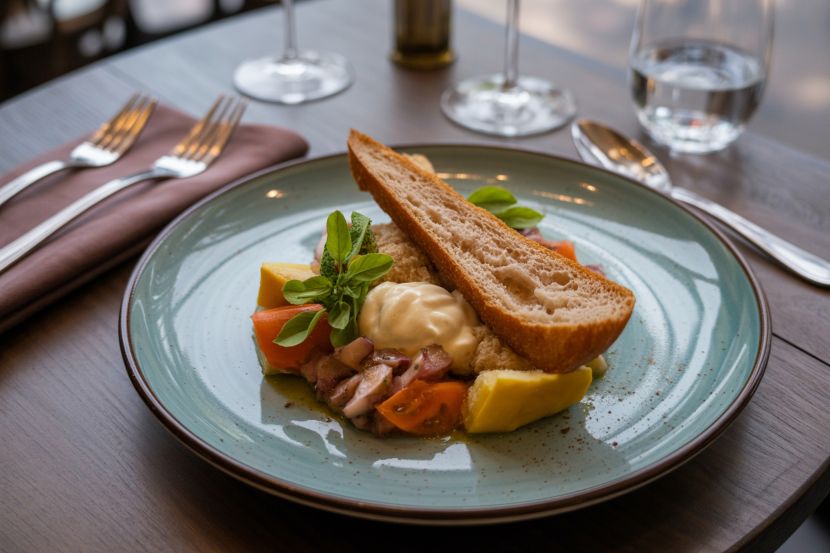
Zurich teams up with Geneva and more as Europe’s most expensive to cheapest dining cities tempt global food travellers. From Zurich and Geneva to London and more, Europe’s dining cities offer global food travellers striking contrasts in price, flavour and experience. While the most expensive dining cities showcase refined meals, the cheapest dining cities reveal delicious options for budget-conscious travellers. As Europe continues to tempt food travellers, each city brings its own culinary character. Travel And Tour World explores how Zurich, Geneva and more compare across Europe’s dining landscape. Read the entire story to discover which European cities could shape your next food journey.
Europe’s Most Expensive to Cheapest Cities for Dining Out: Food Costs, Tourism Data and Traveller Guide
Europe presents one of the widest food-cost contrasts available to international travellers. A simple inexpensive restaurant meal can cost more than $30 in Switzerland, while comparable meals in Central and Southern Europe can be close to half that level.
The August 2026 country comparison behind the original story placed Switzerland at $31.20 for an inexpensive restaurant meal. Norway followed at $23.60, Denmark at $23.43, Belgium and the Netherlands at $23.36, Ireland at $23.35 and the United Kingdom at $21.82. France stood at $20.19 in the country-level comparison.
City-level prices show an even more useful picture for travellers. Numbeo’s June 2026 city data put inexpensive restaurant meals at CHF28 in Zurich, CHF26.50 in Geneva, NOK245 in Oslo, £20 in London, €22 in Amsterdam, DKK150 in Copenhagen, €20 in Brussels, €20 in Dublin, €15 in Paris, €15 in Lisbon and HUF4,000 in Budapest. Prague was around CZK240.
For the USD comparison below, local prices are converted using the European Central Bank reference rates published on 14 September 2026. These conversions are illustrative because exchange rates move continuously.
Europe’s City Dining Price Map in 2026
| Approx. order | City | Country | Inexpensive meal | Approx. USD* | Mid-range meal for two | Coffee | Water |
|---|---|---|---|---|---|---|---|
| 1 | Zurich | Switzerland | CHF28 | $34.30 | CHF120 | CHF5.78 | CHF4.26 |
| 2 | Geneva | Switzerland | CHF26.50 | $32.50 | CHF110 | CHF5.19 | CHF3.58 |
| 3 | London | UK | £20 | $27.00 | £80 | £4.14 | £1.64 |
| 4 | Oslo | Norway | NOK245 | $26.30 | NOK1,200 | NOK55.42 | NOK31.03 |
| 5 | Amsterdam | Netherlands | €22 | $25.40 | €90 | €4.22 | €2.78 |
| 6 | Copenhagen | Denmark | DKK150 | $23.20 | DKK800 | DKK45.10 | DKK23.15 |
| 7 | Brussels | Belgium | €20 | $23.10 | €80 | €3.84 | €2.77 |
| 8 | Dublin | Ireland | €20 | $23.10 | €90 | €4.30 | €2.01 |
| 9 | Paris | France | €15 | $17.30 | €70 | €4.52 | €2.59 |
| 10 | Lisbon | Portugal | €15 | $17.30 | €55 | €2.58 | €1.40 |
| 11 | Budapest | Hungary | HUF4,000 | $12.60 | HUF22,000 | HUF1,088.67 | HUF635.38 |
| 12 | Prague | Czechia | CZK240 | $11.40 | CZK1,200 | CZK81.28 | CZK31.36 |
*Approximate USD conversions use ECB reference rates dated 14 September 2026. Local figures are Numbeo city observations and can change as new entries are submitted.
The table should not be interpreted as a definitive ranking of every European city. It is a practical comparison of selected major destinations with current city-level data. Numbeo’s methodology relies on user-submitted local prices, making the figures useful for planning but unsuitable as official government price statistics.
Zurich: Switzerland’s High-Cost Dining Gateway
Zurich sits at the top of this selected city comparison, with Numbeo reporting CHF28 for an inexpensive restaurant meal in June 2026. A mid-range three-course meal for two was CHF120, while a cappuccino averaged CHF5.78 and bottled water CHF4.26. The reported inexpensive-meal range was CHF18 to CHF50, showing how widely prices can vary between establishments.
The city nevertheless offers a strong food-and-sightseeing combination. Switzerland Tourism highlights Zurich’s Old Town, Lindenhof, Lake Zurich, Grossmünster, Fraumünster and Bahnhofstrasse as key experiences.
Food-focused visitors can build an itinerary around traditional Swiss dishes rather than concentrating entirely on international restaurants. Switzerland Tourism lists fondue, raclette, Zürcher Geschnetzeltes with rösti, Älplermagronen and other regional specialities among the city’s culinary experiences.
For a food-led day, begin around the Old Town before moving towards Lindenhof. A traditional lunch can include rösti or a Swiss speciality. Afternoon can be reserved for coffee and a bakery stop. Dinner can focus on fondue or raclette.
Travellers trying to control costs should examine menus before sitting down. They can also consider a lighter lunch and a more substantial dinner rather than eating three full restaurant meals.
Zurich’s tourism demand has also recovered strongly. The city recorded about four million hotel overnight stays in 2024, almost 6% above 2023 and the highest level since the city began recording the series in 2005.
Airport traffic provides another indicator of the city’s international connectivity. Zurich Airport handled 10.23 million passengers in 2021, 22.56 million in 2022, 28.89 million in 2023, 31.20 million in 2024 and 32.59 million in 2025. These are airport passengers, not unique visitors to Zurich, but they demonstrate the scale of the city’s transport gateway.
For travellers, Zurich works particularly well as a combined city-and-Alps stop. The key is to budget separately for meals, mountain excursions and accommodation.
Geneva: Swiss Lakeside Travel With Another High Dining Budget
Geneva follows closely behind Zurich. Numbeo’s June 2026 data puts an inexpensive restaurant meal at CHF26.50. The reported range was CHF20 to CHF35. A mid-range meal for two averaged CHF110, while cappuccino cost CHF5.19 and bottled water CHF3.58.
The price level means travellers should consider dining costs before building a Geneva itinerary. A couple eating an inexpensive restaurant meal twice daily would already spend around CHF106 each day before breakfast, drinks or snacks.
Geneva’s location beside Lake Geneva provides an opportunity to combine food experiences with outdoor sightseeing. Visitors can explore the lakefront, Geneva’s historic centre and major international institutions.
The city is also a useful base for excursions into the surrounding region. Travellers can combine a Geneva stay with lake scenery, mountain experiences and nearby French destinations.
Food planning should focus on regional Swiss specialities where appropriate. Cheese dishes, rösti and other Swiss classics provide a culinary connection to the country.
A practical itinerary could begin with a morning walk around the historic centre. Lunch can be kept simple. The afternoon can focus on the lakefront and museums. Dinner can become the principal food experience.
Geneva also recorded the highest net hotel room occupancy rate among Switzerland’s major tourism regions in 2025, at 67.9%, according to the Swiss government’s tourism report. Switzerland recorded 43.9 million hotel overnight stays nationally in 2025, including 22.8 million from foreign guests.
That national performance matters for international travellers because Geneva forms part of a Swiss tourism market receiving substantial international demand.
For a budget-conscious trip, Geneva rewards advance menu checking. A traveller can enjoy the city’s attractions without necessarily choosing a premium restaurant for every meal.
London: Global Food Diversity With a High Daily Meal Budget
London’s June 2026 Numbeo figure was £20 for an inexpensive restaurant meal. The reported range extended from £15 to £30. A mid-range meal for two averaged £80. A cappuccino was £4.14, while bottled water averaged £1.64.
London’s greatest advantage for food travellers is variety. The city offers British classics alongside cuisines from South Asia, the Middle East, Africa, Europe and East Asia.
Travellers can structure a food itinerary around neighbourhoods instead of expensive destination restaurants. Markets, cafés, bakeries and casual restaurants can become part of the sightseeing route.
A three-day food itinerary can begin with a traditional British breakfast. Lunch can focus on a market or casual restaurant. Afternoon tea can be treated as a planned experience rather than an additional meal. Dinner can then be selected according to the traveller’s budget.
Visitors should also distinguish between restaurant prices and takeaway or market spending. The Numbeo inexpensive-restaurant figure is not a universal price for every type of food.
London is especially suitable for travellers who want international food without leaving one metropolitan area. This diversity can also help visitors manage spending by alternating premium meals with cheaper options.
The United Kingdom’s country-level inexpensive restaurant meal figure was $21.82 in the August 2026 comparison.
For first-time visitors, the best approach is to connect food stops with major attractions. Westminster can be paired with a quick lunch. The West End can become an evening dining area. Borough Market and other food-focused areas can form part of a dedicated culinary day.
The key planning lesson is simple. London can be expensive, but travellers have an unusually broad range of cuisines and restaurant formats from which to choose.
Oslo: Nordic Cuisine Beside the Fjord
Oslo recorded NOK245 for an inexpensive restaurant meal in Numbeo’s June 2026 city data. The reported range was NOK150 to NOK340. A mid-range three-course meal for two averaged NOK1,200. Cappuccino cost about NOK55.42 and bottled water NOK31.03.
This makes Oslo a destination where food can become a substantial part of a daily travel budget.
The city offers an unusual combination of urban sightseeing and outdoor experiences. Oslo’s visitor economy includes city breaks, business travel and nature-oriented trips, with the city positioned around the Oslo Fjord and nearby outdoor areas.
Travellers can therefore build a food-and-nature itinerary rather than spending the entire day indoors.
A useful plan begins with a morning city walk and a casual lunch. The afternoon can be spent around the waterfront or museums. Dinner can focus on Nordic ingredients, seafood or other Norwegian specialities.
Oslo’s tourism recovery is visible in official accommodation statistics. Oslo and Viken recorded 6.75 million accommodation guest nights in 2021, 11.02 million in 2022, 11.38 million in 2023, 11.90 million in 2024 and 12.46 million in 2025.
These are regional guest-night figures rather than unique visitors to Oslo, so they should not be presented as a direct visitor count.
At national level, Norway recorded 40.6 million commercial accommodation guest nights in 2025. Foreign guests accounted for 14.2 million, up 14% from 2024. Around three-quarters of foreign guest nights came from European markets.
For international travellers, Oslo’s food costs therefore need to be considered alongside its strong nature appeal. A traveller can reduce pressure on the food budget by choosing casual dining for one meal and reserving a restaurant dinner for the evening.
Amsterdam: Dutch Food, Canals and a €22 Meal Benchmark
Amsterdam’s June 2026 Numbeo figure was €22 for an inexpensive restaurant meal. A mid-range meal for two averaged €90. Cappuccino was €4.22 and bottled water €2.78.
The city is particularly suited to travellers who combine food with walking and canal-based sightseeing.
A typical food day can start with breakfast near the accommodation. The morning can then focus on the historic centre and canals. Lunch can be casual, followed by a museum visit. Dinner can introduce Dutch cuisine or the city’s broad international restaurant scene.
Visitors should remember that Amsterdam’s tourist centre can have substantially different prices from residential neighbourhoods. Comparing menus before entering a restaurant is therefore useful.
Dutch food experiences can include cheese, herring, stroopwafels and other local products. Travellers who prefer international cuisine will also find many options.
Amsterdam is best explored slowly. Cycling, walking and canal transport can reduce reliance on taxis while making sightseeing part of the journey.
For a food-conscious traveller, a two-day plan could include one dedicated Dutch food day and another day focused on international cuisine.
The broader Netherlands country figure in the August 2026 comparison was $23.36 for an inexpensive restaurant meal.
This closely aligns with Amsterdam’s relatively high city-level meal indicator.
The important distinction is that the Numbeo city figure reflects a sample of reported local prices. It is therefore a planning benchmark rather than an official government consumer-price measure.
Copenhagen: Expensive Dining With a Strong Street-Food Alternative
Copenhagen recorded DKK150 for an inexpensive restaurant meal in June 2026. The range was DKK90.51 to DKK300. A mid-range meal for two averaged DKK800. Cappuccino was DKK45.10 and bottled water DKK23.15.
The city’s food culture provides travellers with multiple ways to manage this cost.
VisitCopenhagen highlights smørrebrød, the traditional open-faced Danish sandwich, as a central local food experience. It also points visitors towards street-food markets, waterfront restaurants and a broad international restaurant scene.
Travellers can therefore make lunch the main local food experience. Smørrebrød can provide a distinctly Danish meal without requiring a fine-dining reservation.
A three-day plan could include smørrebrød on day one, a street-food market on day two and a Danish dinner on day three.
VisitCopenhagen also lists casual options including organic hot dogs, burgers, pizza and other takeaway choices.
For sightseeing, Nyhavn can be combined with a waterfront meal. The city’s historic centre can then be explored on foot.
Copenhagen’s tourism infrastructure remains highly connected. Copenhagen Airport handled 29.9 million passengers in 2024 and 32.4 million in 2025, with 2025 becoming its highest passenger year on record.
VisitDenmark reported that Denmark’s tourism accommodation demand reached another record in 2024, with total overnight stays up 2.1% from 2023 and foreign overnight stays up 4.8%.
For travellers, Copenhagen’s food story is therefore not simply about expensive restaurants. It is also about choosing the right dining format.
Brussels: Belgian Food Experiences Without a Fine-Dining Requirement
Brussels recorded €20 for an inexpensive restaurant meal in Numbeo’s May 2026 data. A mid-range meal for two averaged €80. Cappuccino was €3.84 and bottled water €2.77.
Belgian cuisine gives visitors several compact food experiences. Chocolate, waffles, fries, beer and regional dishes can all become part of a city break.
The best strategy is to separate snack experiences from formal meals. A traveller might enjoy a waffle during an afternoon walk and choose a traditional restaurant for dinner.
Brussels also works well for a short European city break because many central sights can be combined within walking routes.
A food itinerary could begin around the Grand-Place before moving towards historic streets and food shops. Afternoon can focus on chocolate or pastry. Evening can be reserved for Belgian cuisine.
Travellers should also remember that Belgium’s country-level inexpensive restaurant figure was $23.36 in the August 2026 international comparison.
That figure does not mean every Brussels meal costs the same. Tourist-centre restaurants can differ substantially from neighbourhood establishments.
A useful budget plan is to allocate one restaurant dinner each day and keep breakfast and lunch flexible.
Brussels can also function as a gateway for wider Belgian food travel. Travellers with additional days can extend their itinerary to other Belgian cities and towns.
For visitors focused specifically on dining, the city provides a useful balance between internationally known foods and traditional cuisine.
The main advantage for travellers is flexibility. A visitor can experience Belgian food through a snack, casual meal, market-style purchase or full restaurant dinner.
Dublin: Irish Food, Pubs and a €20 Casual Meal Benchmark
Dublin’s May 2026 Numbeo figure was €20 for an inexpensive restaurant meal. The range extended from €15 to €35. A mid-range meal for two averaged €90. Cappuccino was €4.30 and bottled water €2.01.
The higher mid-range meal figure shows why travellers should distinguish between casual eating and sit-down dining.
Dublin is naturally suited to a food itinerary built around pubs, cafés and traditional Irish dishes. Visitors can combine food stops with the city’s historic streets, literary attractions and cultural venues.
A morning can begin with breakfast before exploring central Dublin. Lunch can focus on a traditional Irish dish. Afternoon can be dedicated to museums and historic areas. Evening can bring a pub-based food experience.
Travellers should check whether service charges or additional fees appear on menus before ordering.
Ireland ranked sixth in the August 2026 country comparison, with an inexpensive restaurant meal listed at $23.35.
This provides broader context for Dublin’s city-level price.
The city’s food identity is also useful for visitors who want to understand Ireland beyond its famous landscapes. Local ingredients, pub culture and traditional dishes can form part of the cultural itinerary.
For budget control, visitors can use accommodation breakfast where available, have a casual lunch and reserve the evening for a restaurant or pub.
A short Dublin trip can therefore remain food-focused without turning every meal into a formal dining occasion.
Paris: A Lower Inexpensive-Meal Figure With an Exceptionally Broad Food Scene
Paris presents an interesting contrast within the European comparison. Numbeo’s June 2026 city figure was €15 for an inexpensive restaurant meal. A mid-range meal for two averaged €70. Cappuccino was €4.52 and bottled water €2.59.
The city therefore demonstrates why a destination’s overall reputation for expensive travel does not automatically mean every restaurant meal is expensive.
Paris Tourism highlights bakeries, brasseries, bistros, food markets, cafés, street food and restaurants across many price levels.
Travellers can build an entire itinerary around food without booking a luxury restaurant.
Breakfast can begin with a croissant and coffee. Lunch can be a baguette-based meal or casual bistro dish. Afternoon can focus on pastries or cheese. Dinner can become the main sit-down experience.
Paris Tourism also identifies baguettes, croissants, macarons, croque-monsieur and regional cheeses among the city’s food specialities.
The city is equally useful for international food travellers. Paris Tourism highlights restaurants representing African, American, Middle Eastern, Asian and European cuisines.
Tourism data show how strongly the city recovered after the pandemic period. Official Insee figures record 15.35 million hotel overnight stays in 2021, 37.66 million in 2022, 39.64 million in 2023, 38.55 million in 2024 and 41.94 million in 2025. Insee cautions that 2021 is not directly comparable with regular annual results because of pandemic-related restrictions and changes to survey arrangements.
Paris’s 2024 tourism report recorded 36.3 million tourists across Greater Paris, including 23.3 million hotel arrivals.
For food travellers, this combination of demand and culinary variety makes advance planning particularly useful during major events and peak periods.
Lisbon: Portuguese Food With a Lower Meal Benchmark
Lisbon’s June 2026 Numbeo figure was €15 for an inexpensive restaurant meal. A mid-range meal for two averaged €55. Cappuccino was €2.58 and bottled water €1.40.
This creates a very different food-budget environment from Zurich and Geneva.
Lisbon’s culinary identity gives travellers plenty to explore. Visit Lisboa describes pastel de nata as the city’s best-known cake and recommends trying it hot with cinnamon and coffee.
Cod is another major part of the food experience. Visit Lisboa’s official tourism material highlights dishes including bacalhau à Brás, bacalhau com natas, bacalhau à Gomes de Sá, cod fritters and roasted cod.
A food-focused Lisbon itinerary can therefore be organised around small meals throughout the day.
Morning can begin with pastel de nata and a bica. Lunch can feature bacalhau. Afternoon can include a pastry or coffee stop. Dinner can focus on grilled fish, Portuguese dishes or a traditional restaurant.
The official Lisbon tourism portal also identifies traditional dishes such as bacalhau com grão as widely available in Lisbon restaurants.
Tourism demand is substantial. Turismo de Portugal’s 2025 regional data show Greater Lisbon recording about 8.72 million guests and 19.63 million overnight stays. Average stay was 2.3 nights.
Portugal’s transport infrastructure also illustrates the city’s international reach. Lisbon Airport recorded 12.15 million passengers in 2021, 28.26 million in 2022, 33.65 million in 2023 and 35.09 million in 2024 in the national airport traffic series.
For food travellers, Lisbon works particularly well when meals are spread across the day instead of concentrated into expensive dinner reservations.
Budapest: Central European Food at a Much Lower Meal Benchmark
Budapest provides one of the sharpest contrasts in this city comparison. Numbeo’s June 2026 figure was HUF4,000 for an inexpensive restaurant meal. A mid-range meal for two averaged HUF22,000. Cappuccino was HUF1,088.67 and bottled water HUF635.38.
At the September 2026 ECB reference rate, HUF4,000 translates to approximately $12.60. The conversion changes with the exchange rate.
Hungarian food provides a strong reason to build a dedicated culinary itinerary.
Visit Hungary highlights goulash, a paprika-rich stew, alongside Hungary’s bakery traditions, lángos, chimney cake and Tokaji Aszú.
A traveller can begin with a bakery breakfast. Lunch can feature goulash or another traditional Hungarian dish. Afternoon can combine a café stop with Budapest’s architectural sights. Dinner can focus on a traditional restaurant or casual local establishment.
The official Hungarian statistics office provides unusually detailed city-level visitor data.
Budapest recorded 1,716,533 tourist arrivals in accommodation establishments in 2021. The figure increased to 4,267,907 in 2022, 5,358,023 in 2023, 6,730,727 in 2024 and 7,685,984 in 2025.
Hotel arrivals alone reached 1,144,026 in 2021, 2,756,149 in 2022, 3,407,958 in 2023, 3,908,146 in 2024 and 4,181,573 in 2025.
The wider Hungarian accommodation system recorded 9.23 million total tourist arrivals in 2021 and 19.65 million in 2025. International arrivals nationally rose from 2.39 million to 9.92 million across the same period.
For travellers, Budapest combines a comparatively low restaurant benchmark with a substantial tourism infrastructure.
Prague: One of the Lowest Meal Benchmarks in This European City Sample
Prague recorded about CZK240 for an inexpensive restaurant meal in June 2026. The reported range was CZK180 to CZK400. A mid-range meal for two averaged CZK1,200, while cappuccino was CZK81.28.
At the 14 September 2026 ECB reference rate, CZK240 was approximately $11.40.
Prague’s food itinerary can centre on traditional Czech dishes, bakeries, cafés and local beer culture.
Visitors can combine food with the Old Town, Charles Bridge, Prague Castle and riverside walks. This makes it possible to build a walking-based culinary itinerary.
A three-day plan could begin with a traditional breakfast and Old Town exploration. Lunch can focus on Czech cuisine. Afternoon can be spent in cafés before an evening meal.
Travellers should still compare menus. The inexpensive-meal range reported by Numbeo shows a large spread between CZK180 and CZK400.
The city is therefore affordable only in relative terms. Tourist-centre prices can be higher than neighbourhood prices.
Prague is particularly suitable for travellers combining architecture, history and food. A meal can become part of sightseeing rather than a separate activity.
The city also provides an easy starting point for wider Czechia travel, allowing visitors to move beyond the capital into smaller towns and regional food destinations.
For travellers building a Europe-wide food itinerary, Prague and Budapest can create a significantly different cost profile from Switzerland and Scandinavia.
Five-Year Tourism Comparison: What the Official Data Show
The biggest challenge in comparing European visitor numbers is that governments do not publish one universal city-level metric. Some destinations publish hotel arrivals, some publish accommodation arrivals, some publish overnight stays and some publish airport passengers.
The following table therefore keeps the original measurement rather than falsely presenting different indicators as identical.
| Destination | 2021 | 2022 | 2023 | 2024 | 2025 | Official measure |
|---|---|---|---|---|---|---|
| Zurich | 10.23m | 22.56m | 28.89m | 31.20m | 32.59m | Zurich Airport passengers |
| Oslo/Viken | 6.75m | 11.02m | 11.38m | 11.90m | 12.46m | Accommodation guest nights |
| Paris | 15.35m | 37.66m | 39.64m | 38.55m | 41.94m | Paris hotel overnight stays |
| Budapest | 1.72m | 4.27m | 5.36m | 6.73m | 7.69m | Accommodation tourist arrivals |
| Copenhagen | — | — | — | 29.9m | 32.4m | Copenhagen Airport passengers |
| Lisbon region | — | — | — | — | 8.72m | Greater Lisbon accommodation guests |
Sources: Zurich Airport; Oslo Business Region/Statistics Norway; Insee; Hungarian Central Statistical Office; Copenhagen Airport; Turismo de Portugal. These metrics measure different things and should not be ranked against one another.
Budapest’s Five-Year Visitor Recovery
| Year | Budapest tourist arrivals | Change from previous year |
|---|---|---|
| 2021 | 1,716,533 | — |
| 2022 | 4,267,907 | +148.7% |
| 2023 | 5,358,023 | +25.5% |
| 2024 | 6,730,727 | +25.6% |
| 2025 | 7,685,984 | +14.2% |
Calculated from Hungary’s official annual accommodation-arrival data.
Budapest’s numbers show a particularly clear post-pandemic recovery pattern. The city added nearly six million accommodation arrivals between 2021 and 2025.
International arrivals were an important part of the wider recovery. Hungary recorded 2.388 million international tourist arrivals in 2021 and 9.923 million in 2025 across all tourist accommodation establishments.
Paris Five-Year Hotel Overnight Comparison
| Year | Paris hotel overnight stays |
|---|---|
| 2021 | 15.35 million |
| 2022 | 37.66 million |
| 2023 | 39.64 million |
| 2024 | 38.55 million |
| 2025 | 41.94 million |
Source: French National Institute of Statistics and Economic Studies.
Paris’s 2021 figure should not be compared directly with later years without recognising pandemic restrictions and changes to the accommodation survey. Insee specifically warns about this limitation.
By 2025, the city reached 41.94 million hotel overnight stays, exceeding the 2019 series value of 38.02 million.
Oslo and Viken Five-Year Guest-Night Comparison
| Year | Guest nights |
|---|---|
| 2021 | 6,745,217 |
| 2022 | 11,023,158 |
| 2023 | 11,375,589 |
| 2024 | 11,904,456 |
| 2025 | 12,455,371 |
Source: Statistics Norway data published through Oslo Business Region.
The regional figures show that Oslo’s visitor economy moved substantially beyond the 2021 level. International demand became particularly important in 2025, when foreign visitors accounted for more than half of Oslo’s overnight stays during the period covered by the Oslo Outlook report.
Zurich Tourism and Airport Connectivity
| Year | Zurich Airport total passengers |
|---|---|
| 2021 | 10,234,428 |
| 2022 | 22,561,132 |
| 2023 | 28,885,506 |
| 2024 | 31,204,287 |
| 2025 | 32,593,966 |
Source: Flughafen Zürich annual reporting.
The passenger total includes local, transfer, transit and general-aviation traffic. It is therefore not a count of tourists staying in Zurich.
The city itself recorded around four million hotel overnight stays in 2024, almost 6% more than 2023.
This distinction is important. Airport passengers can include residents, transfers and business travellers. Hotel nights provide a more direct tourism measure.
Copenhagen’s Five-Year Travel Infrastructure Context
| Year | Copenhagen Airport passengers |
|---|---|
| 2021 | Official StatBank series available |
| 2022 | Official StatBank series available |
| 2023 | Official StatBank series available |
| 2024 | 29.9 million |
| 2025 | 32.4 million |
The Danish national StatBank provides the underlying annual airport series by airport and passenger category.
Copenhagen Airport reported 29.9 million passengers in 2024 and 32.4 million in 2025. The latter became the airport’s highest annual passenger total.
VisitDenmark reported a 2.1% increase in Denmark’s total tourism overnight stays in 2024, with foreign overnight stays up 4.8%.
For travellers, Copenhagen’s strong connectivity makes it particularly useful as a Nordic gateway.
Lisbon’s Five-Year Transport and Tourism Context
Lisbon’s official tourism statistics are generally presented by Greater Lisbon or accommodation categories rather than a single citywide annual visitor series.
| Indicator | 2021 | 2022 | 2023 | 2024 | 2025 |
|---|---|---|---|---|---|
| Lisbon airport passengers | 12.15m | 28.26m | 33.65m | 35.09m | Latest official annual figure should be checked separately |
| Greater Lisbon guests | — | — | — | — | 8.72m |
| Greater Lisbon overnight stays | — | — | — | — | 19.63m |
| Average stay | — | — | — | — | 2.3 nights |
Airport figures are from the official Portuguese statistical series; 2025 Greater Lisbon accommodation data are from Turismo de Portugal.
The Lisbon region’s 2025 accommodation figures show a very large tourism market. Greater Lisbon recorded 8.72 million guests and 19.63 million overnight stays.
The difference between guests and overnight stays is useful for trip planning. A destination can receive millions of guests while those visitors stay for only a short period.
What the Dining Data Mean for a Seven-Day Europe Food Trip
The dining comparison becomes more useful when translated into a travel budget.
Consider a traveller eating one inexpensive restaurant meal every day for seven days.
| City | Approx. inexpensive meal | Seven meals |
|---|---|---|
| Zurich | $34.30 | $240.10 |
| Geneva | $32.50 | $227.50 |
| London | $27.00 | $189.00 |
| Oslo | $26.30 | $184.10 |
| Amsterdam | $25.40 | $177.80 |
| Copenhagen | $23.20 | $162.40 |
| Brussels | $23.10 | $161.70 |
| Dublin | $23.10 | $161.70 |
| Paris | $17.30 | $121.10 |
| Lisbon | $17.30 | $121.10 |
| Budapest | $12.60 | $88.20 |
| Prague | $11.40 | $79.80 |
These are mathematical illustrations based on the city-level Numbeo figures and the 14 September 2026 ECB exchange rates. They do not represent a complete daily food budget. Breakfast, drinks, snacks, tips, service charges and premium meals can substantially change the final amount.
A Detailed 14-Day European Food Travel Plan
Days 1–2: Zurich
Day one should combine Zurich’s Old Town, Lindenhof and Bahnhofstrasse. Lunch can feature rösti or another Swiss speciality. Dinner can be fondue or raclette.
Day two can centre on Lake Zurich and nearby attractions. Keep breakfast simple and reserve the evening meal for traditional Swiss food.
The city’s official tourism material specifically highlights Old Town, Lindenhof, Lake Zurich, Grossmünster and Fraumünster.
Days 3–4: Paris
Begin with a bakery breakfast. Visit major cultural attractions during the morning. Keep lunch casual.
The second day can focus on markets, cheese, bakeries and bistros.
Paris Tourism recommends artisan bakeries and highlights baguettes, croissants and regional cheeses.
Days 5–6: Lisbon
Start with pastel de nata and coffee. Explore historic neighbourhoods and viewpoints.
Use the second day for a cod-focused culinary experience. Bacalhau à Brás and pastéis de bacalhau provide two traditional options identified by Visit Lisboa.
Days 7–8: Budapest
Explore central Budapest on foot. Choose goulash for one lunch.
The following day can focus on bakeries, lángos and traditional Hungarian food. Visit Hungary highlights goulash, bakery traditions, lángos and chimney cake.
Days 9–10: Prague
Combine Old Town sightseeing with Czech cuisine.
Keep one meal casual and reserve another for a traditional restaurant. Travellers should compare menus because Numbeo’s reported inexpensive-meal range extends from CZK180 to CZK400.
Days 11–12: Copenhagen
Use lunch for smørrebrød. Visit Nyhavn and the waterfront.
The second day can focus on street food. VisitCopenhagen identifies food markets and casual takeaway options as part of the city’s culinary scene.
Days 13–14: Oslo
Spend the first day exploring central Oslo and the fjord area.
The second day can combine outdoor activities with Norwegian food. Keep one meal casual and use dinner for a more substantial local experience.
Oslo’s visitor economy combines city breaks with outdoor experiences, making the food itinerary easy to combine with sightseeing.
Traveller Food Budget Table
| Destination | Suggested breakfast strategy | Lunch strategy | Dinner strategy | Budget priority |
|---|---|---|---|---|
| Zurich | Bakery/café | Casual Swiss meal | Traditional Swiss dinner | Watch drinks and restaurant choice |
| Geneva | Café/bakery | Simple local meal | Planned dinner | Check menus first |
| London | Café or accommodation | Market/casual | Pub or restaurant | Alternate expensive and casual meals |
| Oslo | Bakery/café | Casual dining | Planned Nordic meal | Keep restaurant frequency controlled |
| Amsterdam | Bakery | Casual Dutch/international meal | Restaurant | Avoid eating every meal in tourist centre |
| Copenhagen | Café | Smørrebrød | Danish/Nordic dinner | Use street-food options |
| Brussels | Bakery/café | Casual meal | Belgian dinner | Separate snacks from full meals |
| Dublin | Café | Pub/casual meal | Traditional dinner | Watch drink spending |
| Paris | Bakery | Bistro/sandwich | French dinner | Mix bakeries and restaurants |
| Lisbon | Pastry and coffee | Portuguese dish | Seafood/traditional meal | Strong casual-food options |
| Budapest | Bakery | Goulash/local dish | Hungarian dinner | Lower meal benchmark |
| Prague | Café | Czech casual meal | Traditional dinner | Compare tourist-centre menus |
Europe Dining Out: The Biggest Budget Differences
The selected cities reveal three broad food-travel patterns.
Switzerland occupies the high-cost end. Zurich and Geneva show how quickly a simple restaurant meal can consume a large portion of a traveller’s daily food allowance.
Northern European capitals also require careful planning. Oslo and Copenhagen combine high meal benchmarks with strong culinary identities.
Western European capitals provide more variation. Amsterdam, Brussels and Dublin remain relatively expensive, but each offers casual alternatives.
Paris and Lisbon show why country reputation alone cannot determine a traveller’s meal budget. Their city-level inexpensive-meal figures are considerably below Zurich and Geneva.
Central Europe provides the strongest contrast in this selected comparison. Budapest and Prague have substantially lower inexpensive-meal benchmarks.
The difference is particularly visible in the seven-meal illustration. Seven inexpensive meals in Zurich are approximately $240, compared with around $80 in Prague using the same calculation method.
That does not mean a seven-day trip to Prague costs one-third of a Zurich trip. Accommodation, transportation, attractions, exchange rates and dining choices all affect total spending.
What Travellers Should Check Before Ordering
| Check before ordering | Why it matters |
|---|---|
| Menu price | Tourist areas can carry higher prices |
| Restaurant location | Central areas may differ from residential districts |
| Service charge | It can change the final bill |
| Drinks | Beverages can add significantly to meal spending |
| Water policy | Bottled water can be surprisingly expensive |
| Portion size | A cheaper meal may not represent the same quantity |
| Opening hours | Restaurants may close between lunch and dinner |
| Reservation rules | Popular venues may require advance booking |
| Local currency | Exchange rates can alter the effective cost |
| Food market options | Markets can provide alternative meal formats |
Europe’s Food Travel Picture in 2026
The latest dining comparison demonstrates that Europe cannot be treated as one food-price market.
Zurich and Geneva currently sit at the high end of the selected city sample. Prague and Budapest sit at the lower end.
Between those extremes are Copenhagen, Brussels, Dublin, Amsterdam, Oslo, London, Paris and Lisbon.
The most important point for international travellers is that the price of a restaurant meal should be considered alongside the kind of experience being purchased.
A €15 Paris meal and a €15 Lisbon meal are not necessarily identical in portion, ingredients or setting. Likewise, a CHF28 Zurich meal does not represent every restaurant in the city.
The Numbeo figures are therefore best used as planning benchmarks. They are based on reported local prices and can change over time.
Official tourism statistics add another important dimension. Paris recorded 41.94 million hotel overnight stays in 2025. Budapest recorded 7.69 million accommodation tourist arrivals. Oslo and Viken recorded 12.46 million guest nights. Zurich’s hotels recorded around four million overnight stays in 2024.
For travellers, the practical lesson is to plan food with the same attention given to accommodation and transport.
A carefully structured itinerary can combine local food, cultural attractions and budget control.
The result is a European food journey that is not simply about finding the cheapest meal. It is about understanding where dining costs are higher, where casual alternatives exist and how local cuisine can become part of the travel experience itself.
Conclusion
Zurich, Geneva, London and more show how dramatically dining costs can differ across Europe. From expensive dining experiences in Zurich and Geneva to more affordable meals in cities such as Lisbon, Budapest and Prague, travellers have plenty of choices. Therefore, Europe’s most expensive to cheapest dining cities can suit very different travel budgets and food preferences. Global food travellers can explore local flavours, traditional dishes and memorable restaurants while planning spending carefully. Travel And Tour World encourages travellers to compare dining costs before choosing their next European destination. Ultimately, Zurich, Geneva, London and more prove that great food journeys can take many forms.
The post Zurich Teams Up With Geneva and More as Europe’s Most Expensive to Cheapest Dining Cities Tempt Global Food Travellers appeared first on Travel and Tour World