
















Hungary’s High-Speed Rail Revolution: A New Era for Budapest Tourism and Beyond
-
Travel, Culture
-
-
3 mins
-
Travel and Tour World
-
Sneha Sarkar
-

Budapest’s new high‑speed rail upgrade opens exciting horizons for travellers, slashing journey times and linking Hungary’s capital with Europe’s vibrant cultural hubs.
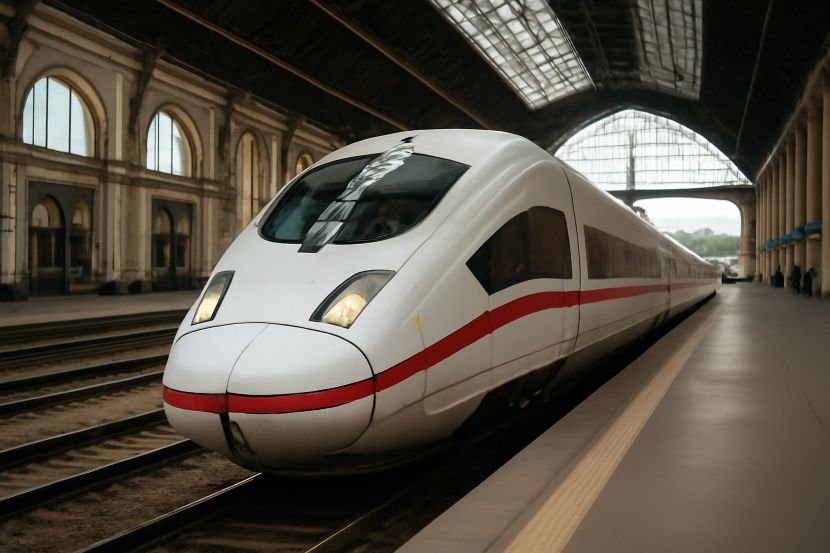
Budapest, the heart of Hungary, is set to become an even more attractive destination for travellers across Europe. With the introduction of a high-speed rail network, visitors will soon be able to travel faster and more efficiently, opening up new possibilities for exploring Hungary and the rest of Europe. This major upgrade in Hungary’s rail infrastructure is not just about faster trains—it’s a strategic move that promises to boost the country’s tourism sector. With travel times slashed and easier connections to neighbouring countries, tourists will find Budapest more accessible and appealing than ever before.
The new high-speed rail network is part of a broader European initiative to connect major cities and regions through efficient, eco-friendly rail travel. For tourists, this means Budapest will become an even more convenient base for exploring Central Europe. Cities like Vienna, Bucharest, and Berlin will be just a few hours away, making day trips or multi-country tours more feasible than ever. Visitors will be able to enjoy the historical and cultural richness of Budapest while also venturing to nearby capitals with ease. This shift in rail tourism opens up exciting new travel opportunities, attracting more visitors who are keen on exploring Europe beyond just the iconic cities.
The Hungarian government has committed to improving its rail network under the Trans-European Transport Network (TEN-T) project, which aims to connect various European countries via high-speed rail. As part of this initiative, Hungary is upgrading its infrastructure to support faster travel, including modernising stations and integrating state-of-the-art signalling systems. These changes will not only make travel between countries quicker but also more reliable and comfortable. For tourists, this means fewer delays and a smoother, more enjoyable travel experience.
The planned upgrade will significantly reduce travel times. For example, a trip from Budapest to Vienna could take as little as 1 hour and 40 minutes, and a journey from Budapest to Bucharest could be completed in just 6 hours. This increased connectivity will make it easier for tourists to explore multiple destinations in a single trip, which is a huge selling point for those looking to maximise their time in Europe. The shorter travel times will also encourage more international tourists to visit Hungary, knowing they can explore more countries without the hassle of long travel times.
Another key benefit for tourists is the environmental aspect of the new rail network. As part of Hungary’s commitment to sustainable tourism, the upgraded rail system will offer a greener alternative to air travel. High-speed trains produce far fewer emissions than planes, and they offer a more comfortable and scenic way to travel through Europe. Tourists who are conscious of their carbon footprint will appreciate this eco-friendly option, which aligns with the growing trend of sustainable tourism in Europe.
The improved rail network will also simplify cross-border travel for tourists. Currently, travelling across borders in Europe by train can be complicated, with different ticketing systems and timetables to navigate. However, with the new network in place, passengers will be able to use a single ticket for multi-country journeys, making it easier to plan and execute trips across Hungary and beyond. This streamlined approach will be especially beneficial for tourists visiting from outside Europe, as they will have a simpler and more efficient way of exploring the continent.
The Hungarian government’s investment in the rail system is expected to have a direct impact on tourism growth. As the rail network expands, more visitors will be drawn to Hungary, knowing they can travel across the country and to neighbouring cities in comfort and style. This increased accessibility will encourage regional tourism, benefiting not only Budapest but also smaller towns and attractions throughout Hungary. Regions that were once difficult to reach will now be more accessible, allowing tourists to discover Hungary’s rich cultural heritage and stunning landscapes beyond the capital.
As the high-speed rail network begins to take shape, Hungary is poised to see a surge in tourism, both from neighbouring countries and international travellers. The government’s focus on improving infrastructure is already paying off, and the rail upgrade is set to position Budapest as a key hub in the broader European travel landscape. Tourists will soon be able to experience Hungary’s warm hospitality and rich culture while enjoying the benefits of fast, efficient, and eco-friendly travel.
Hungary’s high-speed rail upgrade is more than just a transportation project—it’s a transformative development that will help shape the future of tourism in Budapest and throughout Hungary. As travel times shorten and connections improve, tourists will find it easier to explore the vibrant city of Budapest and venture further into Central Europe. With its emphasis on sustainability, accessibility, and ease of travel, this rail upgrade promises to make Hungary a more attractive destination for tourists from around the world.
The post Hungary’s High-Speed Rail Revolution: A New Era for Budapest Tourism and Beyond appeared first on Travel and Tour World




































































