





Hundreds of Travelers Affected by Travel Chaos Across Southeast Asia as Suvarnabhumi, Kuala Lumpur, Jakarta, and Bali Airports Face 2,084 Delays and 12 Cancellations, Disrupting Thai Airways, AirAsia, Garuda Indonesia, and More Across Bangkok,Malaysia, an
-
Travel, Entertainment, Culture
-
-
4 mins
-
Travel and Tour World
-
Hrittik Shaw
-


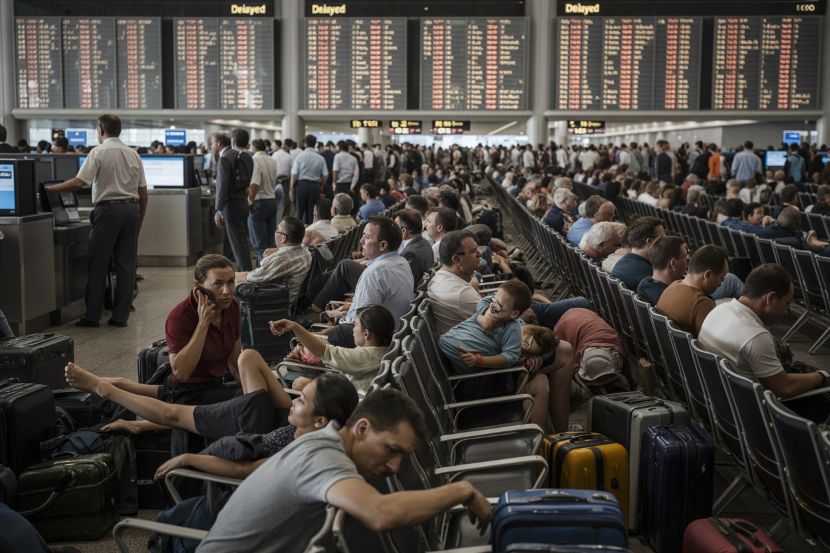
More than 2,000 flight delays and 12 cancellations reported across major Southeast Asian airports like Suvarnabhumi, Kuala Lumpur, and Jakarta, causing chaos for travelers.
Travelers across Southeast Asia are facing significant disruptions as Suvarnabhumi Bangkok International (BKK), Don Muang International (DMK), Kuala Lumpur International (KUL), Penang International (PEN), Jakarta-Soekarno-Hatta International (CGK), Ngurah Rai/Bali International (DPS), and Juanda International (SUB) report over 2,000 flight delays and 12 cancellations. With peak travel periods and growing international traffic, these delays are affecting hundreds of travelers at some of the region’s busiest and most important airports.
Southeast Asia’s Key Airports See Widespread Delays
According to official reports from the Civil Aviation Authority of Thailand, Malaysia Airports, and Indonesia’s Directorate General of Civil Aviation, Suvarnabhumi Bangkok International (BKK) is seeing the most significant disruptions, with 361 delays and 2 cancellations. This international gateway, one of the busiest in Asia, has been plagued by air traffic congestion, logistical bottlenecks, and other operational challenges that have caused delays throughout the day.
Not far behind is Kuala Lumpur International (KUL), which is experiencing 485 delays and 4 cancellations. As Malaysia’s primary international airport, KUL serves as a crucial hub for both domestic and international travelers, making these delays especially frustrating for those hoping to continue their journey.
Meanwhile, Jakarta-Soekarno-Hatta International (CGK) has seen 528 delays and 5 cancellations, adding to the tension as both domestic and international passengers try to navigate through the disruptions. Don Muang International (DMK), a hub for low-cost carriers in Bangkok, reports 302 delays but fortunately no cancellations. Similarly, Penang International (PEN), Ngurah Rai/Bali International (DPS), and Juanda International (SUB) are also facing delays, though they have reported fewer cancellations compared to other airports.
For travelers planning to fly in or out of these airports, it’s clear that patience and flexibility will be key in managing these significant disruptions.
Why Are These Delays Happening?
The causes of these delays remain unclear, but several factors are likely contributing to the congestion. Air traffic control challenges are often a primary cause of such delays, especially at large international airports like Suvarnabhumi and Soekarno-Hatta, which handle hundreds of flights daily. Weather conditions, staffing shortages, and technical issues with aircraft can also contribute to longer wait times and delays.
The high number of international flights arriving at Kuala Lumpur, Jakarta, and Bangkok airports further strains already busy schedules, particularly when airlines must accommodate both domestic and long-haul international routes. In some cases, connecting flights are further delayed as passengers try to catch alternate connections, creating a ripple effect throughout the airport network.
Additionally, holiday travel and the resumption of international tourism in the region have led to a higher-than-usual number of travelers at these major Southeast Asian hubs. With more people returning to the skies for business and leisure travel, airports are struggling to keep up with the surge in demand.
How Are Airlines Responding?
Airlines serving these affected airports, including Thai Airways, Malaysia Airlines, AirAsia, Garuda Indonesia, and Singapore Airlines, are working to provide flexible solutions for passengers impacted by these delays. In many cases, travelers are being offered the option to rebook their flights without additional charges, or airlines are offering meal vouchers for those experiencing longer wait times.
Despite these efforts, the sheer volume of delays has left passengers frustrated. Many have been stranded for hours in crowded terminals, and some have missed connecting flights due to cascading delays. Airlines are encouraging travelers to check flight status online through mobile apps and websites, ensuring they are aware of updated departure times, gate changes, and any other relevant information.
Passengers are also advised to check in early and sign up for flight alerts to receive updates about potential delays or cancellations before arriving at the airport. However, with so many airports experiencing delays simultaneously, even this may not always guarantee smooth travel.
What Does This Mean for Travelers in Southeast Asia?
For those traveling to Thailand, Malaysia, Indonesia, and Bali, these disruptions could mean missing connecting flights, losing precious vacation time, and facing additional accommodation and transport costs. Bali, known for its stunning beaches and vibrant culture, is a major tourist hub, and delays at Ngurah Rai/Bali International could frustrate travelers eager to start their holidays. Similarly, Penang is a popular destination for both business and leisure travelers, making disruptions at Penang International especially challenging for those with tight schedules.
Jakarta and Kuala Lumpur also attract business travelers, who may find the delays disrupt their meetings and conferences. The delays at these airports will likely have a wider economic impact, particularly as both Kuala Lumpur and Jakarta are vital regional business hubs.
How Can Travelers Manage These Disruptions?
- Stay Updated: Use airline apps, airport websites, and other tracking services to stay informed about flight statuses, cancellations, and delays.
- Arrive Early: With the delays happening across multiple airports, travelers are advised to arrive at least 3 hours before their flight to accommodate any changes.
- Be Flexible: If you are experiencing delays, ask your airline about the possibility of rebooking or getting a refund for missed connections.
- Pack Essentials: Given the long wait times at airports, having essentials like snacks, entertainment, and medications in your carry-on will make your wait much more comfortable.
Conclusion: Patience is Key Amid Ongoing Disruptions
In conclusion, 2,084 flight delays and 12 cancellations across Suvarnabhumi, Don Muang, Kuala Lumpur, Penang, Jakarta, Bali, and Juanda airports have caused widespread disruption in Southeast Asia. Although the cancellations are relatively low, the delays continue to affect thousands of passengers, from tourists to business travelers.
As the region’s aviation sector grapples with air traffic control challenges, logistical issues, and a surge in international travelers, passengers are urged to remain patient and flexible. With airlines and airports working to address these delays, travelers are encouraged to keep checking flight statuses and stay updated on any changes that may affect their journey.
Southeast Asia remains a top global destination, and with continued investment in infrastructure, these disruptions will hopefully be resolved quickly, ensuring smoother journeys in the future.
Referred Data: Flightaware
The post Hundreds of Travelers Affected by Travel Chaos Across Southeast Asia as Suvarnabhumi, Kuala Lumpur, Jakarta, and Bali Airports Face 2,084 Delays and 12 Cancellations, Disrupting Thai Airways, AirAsia, Garuda Indonesia, and More Across Bangkok,Malaysia, an appeared first on Travel and Tour World