
















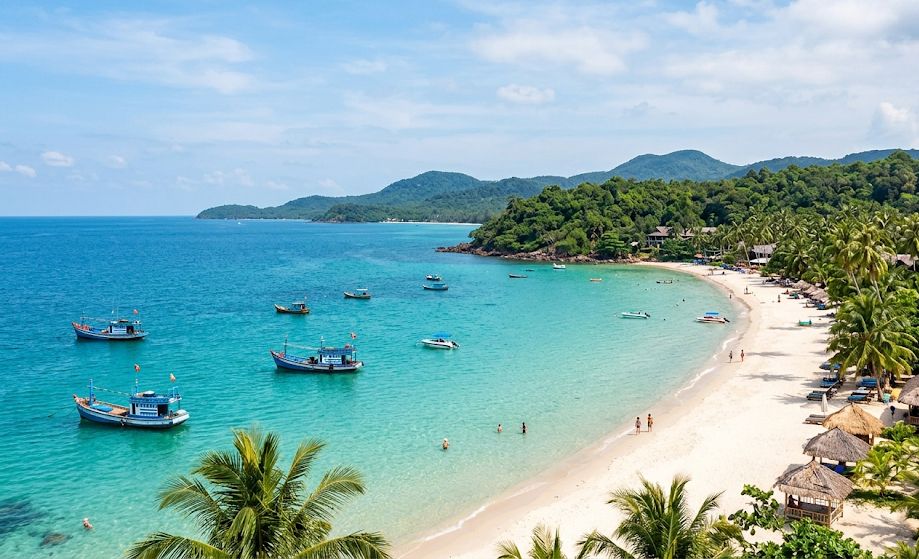
Phu Quoc Teams Up With Hoi An and More as Favourite Holiday Destinations of Australian Tourists for the Ultimate Holiday Experience
-
Travel, Food, Culture, Weather, Religion
-
-
11 mins
-
Travel and Tour World
-
Sarannya Acharya
-


Phu Quoc, Hoi An and more Vietnam destinations attract Australian tourists with stunning beaches, rich culture and unforgettable holidays.
Phu Quoc Teams Up With Hoi An and more favourite holiday destinations as Australian tourists discover exciting opportunities for the ultimate holiday experience. Travel And Tour World explores how Vietnam captures travellers’ attention with tropical beaches, cultural treasures, vibrant food scenes and unforgettable adventures. As Australian tourists seek fresh holiday destinations, Phu Quoc and Hoi An stand out for their distinctive experiences and scenic beauty. Moreover, these favourite holiday destinations offer compelling reasons to explore Vietnam beyond familiar travel hotspots. From island escapes to historic streets, the ultimate holiday experience promises memorable discoveries. Read on as Travel And Tour World reveals more.
Australian Tourists Put Vietnam in the Spotlight as Indonesia, New Zealand, Japan and More Inspire the Next Wave of Asia-Pacific Holidays
Vietnam’s growing popularity and the destinations Australians are choosing for their next overseas holidays
Vietnam is attracting renewed attention from Australian holidaymakers, strengthening its position alongside some of the Asia-Pacific region’s most established travel destinations. Its historic towns, tropical beaches, varied cuisine and comparatively compact travel routes make it an appealing option for visitors seeking several experiences in one holiday.
The Australian Travel Industry Association (ATIA), drawing on Australian Bureau of Statistics (ABS) travel data, reported that Australian residents made approximately 588,490 trips to Vietnam in the 12 months ending August 2026. This represented a 17.4% year-on-year increase and made Vietnam the fastest-growing major destination in the report.
The trend is particularly relevant for travellers comparing Vietnam with Indonesia, New Zealand, Japan, Thailand, Fiji and other popular destinations. Each offers a different holiday experience, from island relaxation and mountain scenery to heritage exploration, shopping and culinary adventures.
Importantly, these figures measure trips rather than unique individuals. A person visiting a destination several times can contribute multiple trips to the annual total.
Australian overseas travel by the numbers
The latest ABS annual data shows that overseas travel remains a major part of Australian holiday planning. In the financial year ending June 2026, Australian residents made approximately 12.71 million short-term overseas trips. This was higher than the 12.26 million recorded in 2024–25.
The following table compares six destinations with Vietnam, using consistent ABS financial-year figures.
| Destination | Australian resident trips, year ending June 2025 | Trips, year ending June 2026 | Approximate annual change |
|---|---|---|---|
| Indonesia | 1,741,370 | 1,777,270 | +2.1% |
| New Zealand | 1,409,320 | 1,489,460 | +5.7% |
| Japan | 910,640 | 992,550 | +9.0% |
| China | 652,960 | 743,960 | +13.9% |
| Thailand | 643,530 | 624,260 | −3.0% |
| India | 590,560 | 615,740 | +4.3% |
| Vietnam | 490,510 | 567,480 | +15.7% |
| Fiji | 408,240 | 430,070 | +5.4% |
Source: Australian Bureau of Statistics, Overseas Arrivals and Departures, 2024–25 and 2025–26 financial-year reports. Percentage changes are calculated from the published trip totals and rounded.
Vietnam recorded the strongest percentage increase among these seven destinations over the two financial years, while Indonesia remained the largest destination by trip volume. Japan also recorded a substantial increase, reflecting the growing appeal of its cities, cultural attractions and seasonal experiences.
The financial-year figures above should not be confused with ATIA’s separate 12-month period ending August 2026. Different reporting periods produce different totals.
Five-year comparison of Australian travel to Vietnam and six alternative destinations
The recovery in international travel becomes clearer when comparing the financial years from 2021–22 through 2025–26. The first two periods capture the reopening of international travel after Australia’s pandemic restrictions, while later years show stronger demand for established holiday destinations.
The ABS publishes selected annual destination comparisons rather than every destination’s complete five-year history in a single table. The following figures combine its published annual tables for destinations included in the relevant series. Values are rounded to the nearest thousand trips.
| Destination | 2021–22 | 2022–23 | 2023–24 | 2024–25 | 2025–26 |
|---|---|---|---|---|---|
| Indonesia | 93,400 | 1,127,180 | 1,531,190 | 1,741,370 | 1,777,270 |
| New Zealand | 195,370 | 1,196,620 | 1,309,860 | 1,409,320 | 1,489,460 |
| Japan | 10,960 | 311,080 | 702,730 | 910,640 | 992,550 |
| Thailand | 66,990 | 422,620 | 535,250 | 643,530 | 624,260 |
| India | 157,500 | 483,770 | 515,000 | 590,560 | 615,740 |
| Vietnam | 29,160 | 271,580 | 388,580 | 490,510 | 567,480 |
| Fiji | 127,290 | 375,740 | 395,830 | 408,240 | 430,070 |
Source: ABS annual analysis of short-term resident returns. Figures for 2021–22 and 2022–23 come from the September 2023 release; later figures come from the 2024–25 and 2025–26 financial-year releases. The table covers selected destination countries and is not a complete list of every Australian overseas trip.
What the five-year figures reveal
- Indonesia: Trips climbed from 93,400 in 2021–22 to approximately 1.78 million in 2025–26. Bali remains an important choice for beach holidays, family trips and short breaks.
- New Zealand: Trips rose from approximately 195,000 to 1.49 million. The country’s mountain landscapes, lakes, road-trip routes and outdoor activities make it suitable for longer touring holidays.
- Japan: The strongest proportional recovery among these destinations is visible in Japan’s figures. Trips increased from fewer than 11,000 in 2021–22 to almost one million in 2025–26.
- Thailand: Travel increased substantially after reopening, although trips eased from 643,530 in 2024–25 to 624,260 in 2025–26.
- India: Trips rose from 157,500 to 615,740 over the period. Heritage tourism, family visits, religious sites and regional food experiences appeal to different traveller groups.
- Vietnam: Trips increased from 29,160 to 567,480. The latest financial-year total was nearly 19.5 times the 2021–22 figure, although this comparison begins from a pandemic-affected baseline.
- Fiji: Trips grew from 127,290 to 430,070, supporting its position as a popular island destination for Australians.
These figures show why the latest annual increase should be interpreted alongside the wider recovery. Growth from a very low reopening-year baseline can look especially dramatic, while more mature destinations may record smaller percentage changes despite attracting far more travellers.
Six destinations Australian travellers can consider alongside Vietnam
1. Indonesia offers island escapes and cultural discoveries
Indonesia remains Australia’s leading overseas destination by trip volume, recording 1,777,270 resident returns in 2025–26. Bali is a major attraction for beaches, surfing, wellness retreats and cultural excursions, while visitors can also consider Java’s temples, Lombok’s coastline and other Indonesian islands. Travellers can explore Ubud’s art and craft scene, visit temples with appropriate local etiquette, and sample nasi goreng, satay and regional specialities. Accommodation ranges from guesthouses to luxury resorts and private villas. Visitors should research local transport, seasonal weather, entry requirements and the rules governing access to religious sites.
2. New Zealand combines dramatic landscapes with road-trip freedom
New Zealand recorded 1,489,460 Australian resident returns in 2025–26, placing it second among the destinations listed in the ABS annual table. Travellers can explore Auckland’s waterfront, Rotorua’s geothermal attractions, Queenstown’s mountain scenery and the South Island’s lakes and walking routes. Popular experiences include scenic drives, guided outdoor activities, wildlife viewing and visits to Māori cultural attractions. Food-focused visitors can look for hangi-inspired meals, seafood, lamb and regional wines. Accommodation includes city hotels, holiday parks, lodges and self-contained cabins. A week can cover one island at a relaxed pace, while a two-week trip allows a more extensive touring itinerary.
3. Japan appeals to travellers seeking culture, cuisine and seasonal scenery
Japan recorded 992,550 Australian resident returns in 2025–26, up from 910,640 in the previous financial year. Its appeal extends from Tokyo’s shopping districts and Kyoto’s historic temples to Osaka’s food culture and Hokkaido’s winter landscapes. Visitors can plan around cherry blossoms, autumn foliage, skiing or quieter shoulder-season journeys. Regional rail services can help travellers connect major cities, although transport passes should be compared against the intended itinerary. Ramen, sushi, regional noodle dishes and seasonal specialities provide varied dining options. Accommodation ranges from business hotels and traditional inns to ryokan with Japanese-style rooms. Travellers should reserve popular seasonal accommodation early and allow time for destinations outside the busiest city centres.
4. Thailand delivers beaches, temples and distinctive street food
Thailand recorded 624,260 Australian resident returns in 2025–26, following 643,530 in the preceding financial year. Bangkok attracts visitors with temples, markets, shopping and street-food culture, while Chiang Mai offers northern Thai traditions and access to mountain scenery. Phuket, Krabi and nearby islands appeal to travellers seeking beaches, boat excursions and coastal resorts. Visitors can sample pad Thai, tom yum soup, green curry and mango sticky rice. Accommodation ranges from affordable city hotels to beachside villas. Travellers should consider seasonal rainfall, sea conditions and local transport when planning island excursions. Thailand remains a useful alternative for visitors who want to combine cultural sightseeing with a tropical holiday.
5. India provides heritage, wildlife and regional culinary journeys
India recorded 615,740 Australian resident returns in 2025–26, compared with 590,560 in 2024–25. The country’s diversity allows travellers to build very different itineraries around historic cities, religious landmarks, mountain landscapes, wildlife reserves and coastal destinations. Delhi, Agra and Jaipur form a familiar heritage route, while Kerala offers backwater journeys and southern cuisine. Visitors can explore forts, palaces, museums and local markets, with guided tours helping explain regional history. Food varies considerably by region, including biryani, dosa, thalis and seafood dishes. Travellers should allow sufficient time for long-distance transfers, check seasonal weather and confirm entry requirements. A focused regional itinerary is often more comfortable than attempting to cover several distant states in one visit.
6. Fiji offers an island holiday with a slower pace
Fiji recorded 430,070 Australian resident returns in 2025–26, compared with 408,240 in the previous financial year. Its appeal includes tropical beaches, lagoon excursions, snorkelling, diving and opportunities to experience local village life through respectful, organised visits. Travellers can consider the Coral Coast, the Mamanuca Islands or the Yasawa Islands according to their interests and budget. Seafood, kokoda, root vegetables and traditional lovo-style meals offer a taste of local food culture. Accommodation includes family-friendly resorts, small island properties and higher-end beachfront stays. Visitors should check boat schedules, transfer times and weather conditions before booking island accommodation. Fiji is particularly suited to travellers who want to prioritise relaxation over a packed sightseeing schedule.
Vietnam travel guide: what to do, where to eat and where to stay
Vietnam stands out because visitors can combine several regions within a single trip. The best route depends on the season, available time and whether travellers prefer history, food, beaches or nature.
| Destination | Recommended experiences | Food to try | Suggested stay |
|---|---|---|---|
| Hanoi | Old Quarter, Hoan Kiem Lake, museums and cultural landmarks | Pho, bun cha, egg coffee | 2–3 nights |
| Ha Long Bay | Boat excursions, limestone scenery and kayaking where permitted | Seafood and regional Vietnamese dishes | 1–2 nights |
| Da Nang | Beaches, Marble Mountains and coastal sightseeing | Mi Quang, seafood, banh xeo | 2–3 nights |
| Hoi An | Historic streets, craft shops, riverside walks and cooking classes | Cao lau, white rose dumplings | 1–2 nights |
| Ho Chi Minh City | Museums, markets, architecture and local food tours | Banh mi, com tam, fresh spring rolls | 2–3 nights |
| Phu Quoc | Beaches, island excursions and snorkelling in suitable conditions | Seafood and fish-based specialities | 2–4 nights |
Suggested durations are itinerary recommendations, not official tourism statistics. Travellers should confirm current attraction access, weather and transport arrangements.
Where to stay and eat in Vietnam
In Hanoi, accommodation around the Old Quarter or Hoan Kiem Lake provides convenient access to central attractions. Travellers can explore local eateries on foot and compare hotels according to noise levels, transport access and room facilities.
In Da Nang, visitors can choose between beachside accommodation and properties closer to the city centre. Restaurants serving mi Quang, seafood and other central Vietnamese specialities provide varied dining options. Hoi An is suitable for boutique hotels and guesthouses near the historic centre, although visitors should check walking distances and seasonal flood conditions.
Ho Chi Minh City offers accommodation across several central neighbourhoods, including areas convenient for museums, shopping and restaurants. Food tours can help visitors discover local dishes while learning about ingredients and regional traditions.
On Phu Quoc, travellers should compare the island’s different accommodation areas before booking. Some properties prioritise nightlife and restaurants, while others focus on quieter beaches or resort facilities.
Rather than relying on a single restaurant list, visitors should check current opening hours, recent reviews and food-safety practices. Government tourism websites can help with destination planning, while local authorities provide information about regulated attractions and visitor requirements.
Suggested 10-day Vietnam itinerary
| Day | Destination | Suggested plan |
|---|---|---|
| 1 | Hanoi | Arrive, settle in and take an easy walk around Hoan Kiem Lake |
| 2 | Hanoi | Explore the Old Quarter, museums and local food markets |
| 3 | Ha Long Bay | Travel to the bay and join a suitable boat excursion |
| 4 | Hanoi or central Vietnam | Return from the bay and connect to the next destination |
| 5 | Da Nang | Explore the coast and enjoy a relaxed beach afternoon |
| 6 | Da Nang | Visit the Marble Mountains and nearby attractions |
| 7 | Hoi An | Explore the heritage centre, markets and local cuisine |
| 8 | Ho Chi Minh City | Fly south and discover central city attractions |
| 9 | Ho Chi Minh City | Visit museums, markets and selected food destinations |
| 10 | Departure | Transfer to the airport, or extend the holiday if time permits |
This itinerary is ambitious because it combines several regions. Travellers who prefer slower holidays should remove a destination or add extra nights. Phu Quoc can replace part of the city itinerary for visitors who prioritise beaches, but it requires additional transport planning.
Before travelling, Australians should consult Smartraveller for current advice and the Vietnam National Authority of Tourism for destination information. Visa eligibility and entry conditions should be verified through the official Vietnam e-visa portal.
Vietnam’s international visitor figures and the Australian market
Australian trips to Vietnam are part of a broader expansion in the country’s international tourism sector. Official Vietnamese tourism statistics recorded more than 17.5 million international arrivals in 2024, representing a 39.5% increase from 2023. Australia contributed approximately 491,000 arrivals that year, making it one of Vietnam’s ten leading source markets.
The following table separates Vietnam’s total inbound arrivals from Australian residents’ overseas trips to Vietnam. These datasets measure different movements and should not be treated as interchangeable.
| Year or period | Vietnam’s international arrivals | Australian trips to Vietnam | Interpretation |
|---|---|---|---|
| 2022 | 3.66 million | 29,160 in Australian FY 2021–22 | International tourism was recovering after pandemic restrictions |
| 2023 | 12.6 million | 271,580 in Australian FY 2022–23 | Both markets showed substantial reopening-related recovery |
| 2024 | More than 17.5 million | 388,580 in Australian FY 2023–24 | Vietnam’s international arrivals continued expanding |
| 2025 | 17.2 million in the first ten months | 490,510 in Australian FY 2024–25 | Published figures cover different reporting periods |
| 2026 | 567,480 Australian trips in FY 2025–26 | 588,490 Australian trips in the 12 months to August 2026 | Both Australian figures are for trips, but their reporting periods differ |
Sources: Vietnam National Authority of Tourism, Vietnam Government News, ABS and ATIA. The 2025 Vietnamese figure covers January–October, not the full calendar year. The Australian figures use Australian financial years or the 12 months to August, as specified.
Vietnam’s official tourism authority reported 17.2 million international arrivals during the first ten months of 2025, up 21.5% year-on-year. Australia accounted for 447,000 arrivals during that period, illustrating the importance of the market before the latest Australian travel-trend figures were released.
For a meaningful five-year comparison, it is essential to distinguish calendar-year international arrivals into Vietnam from financial-year trips taken by Australian residents. These figures provide complementary insights, but they do not represent the same measurement.
What travellers should take away
Vietnam’s appeal lies in the variety of experiences available within one destination. Visitors can discover historic cities, explore regional food cultures, relax on beaches and organise nature excursions without limiting an entire holiday to one resort.
Indonesia remains the most popular destination among the countries compared, while New Zealand and Japan offer contrasting experiences for Australian holidaymakers. Thailand and Fiji provide strong alternatives for beach-focused trips, and India offers extensive cultural and regional journeys.
Vietnam’s latest figures are particularly notable because Australian travel has recovered well beyond its pandemic-era levels. For travellers planning a future holiday, the strongest itinerary is one that balances personal interests, regional weather, transport time and enough days to explore each destination comfortably.
Conclusion
In conclusion, Phu Quoc, Hoi An and more favourite holiday destinations are strengthening Vietnam’s appeal among Australian tourists seeking the ultimate holiday experience. From tropical beaches and fascinating heritage to authentic cuisine and memorable cultural encounters, Vietnam offers something for different travel styles. As interest in international holidays continues to evolve, these destinations provide compelling reasons to explore beyond familiar hotspots. Travel And Tour World encourages readers to discover Vietnam’s diverse attractions, plan their next adventure carefully and experience the unforgettable beauty, warmth and cultural richness that make the country an exciting choice for Australian tourists and global travellers alike.
The post Phu Quoc Teams Up With Hoi An and More as Favourite Holiday Destinations of Australian Tourists for the Ultimate Holiday Experience appeared first on Travel and Tour World




































































