





How Vietnam is Revolutionizing Travel Through a High-Tech Smart Tourism Ecosystem
-
Travel, Culture, Currency
-
-
3 mins
-
Travel and Tour World
-
Poulomi Sinha
-


Explore how Vietnam is leveraging digital transformation, big data, and smart apps to create a seamless, sustainable, and world-class experience for travellers.
Following a robust post-pandemic recovery, the travel landscape in Southeast Asia has become more competitive. To maintain its competitive advantage, the tourism industry of Vietnam is being propelled into a sophisticated new era characterised by digital integration. Technology is no longer viewed as a modern convenience but rather as the primary tool for transforming management, streamlining business operations, and improving visitor services. This strategic shift aims to pave the way for a more resilient and sustainable growth model that is consistent with global standards.
Digitalisation is now regarded as an unavoidable necessity, rather than a passing trend. Within the context of national development, the tourism industry, which is fundamentally experience-driven and data-dependent, is being reshaped to meet the demands of the Fourth Industrial Revolution. Traditional methods of trip planning, which were previously dominated by printed brochures and physical information desks, are being replaced by a digital-first approach in which the journey begins on a smartphone.
Shifting Traveler Paradigms and Online Connectivity
The habits of modern travellers have undergone a profound transformation. Destinations are now being discovered through online searches, and service quality is being scrutinized via digital reviews before any bookings are finalized. Furthermore, the reliance on physical currency is being diminished as cashless payments become the norm. This evolution in consumer behaviour necessitates a strengthened online presence for all stakeholders within the industry.
From a managerial perspective, the rapid fluctuation of global markets requires that timely data regarding traveller spending and behaviour be collected and analyzed. Comprehensive and updated information is deemed essential for the formulation of realistic policies and effective international promotion. By understanding these digital footprints, the tourism sector can better anticipate the needs of diverse visitor demographics, ensuring that Vietnam remains a top-of-mind destination in an era where convenience is king.
A National Vision for Smart Ecosystems
The digital transformation of tourism is being executed under a broad national agenda, specifically guided by Politburo Resolution No. 57-NQ/TW. This mandate focuses on breakthroughs in science, technology, and innovation. The ultimate goal is the construction of a “smart tourism ecosystem” designed to support three core groups: state regulators, private enterprises, and the travellers themselves.
For state management, seamless data connectivity is being established from the central government down to local municipalities. This allows for evidence-based policymaking and more precise destination planning. For businesses—the majority of which are small or medium-sized—digital tools are being provided to enhance market access and management efficiency. Most importantly, the visitor experience is being placed at the centre of this ecosystem. A seamless journey is created when information is easily accessible and administrative hurdles are minimized, thereby increasing the likelihood of repeat visits and long-term brand loyalty.
Building the Foundations of Big Data
According to the Vietnam National Authority of Tourism (VNAT), the success of this smart initiative is contingent upon the formation of robust big data systems. To avoid fragmented implementation and ensure resource efficiency, shared digital platforms are being rolled out nationwide. One such pillar is the Vietnam Tourism Database System, which integrates real-time data on accommodation, tour guides, and travel enterprises.
To assist in regulatory compliance and statistical accuracy, specialized reporting software has been introduced for use by local businesses. This ensures that the Ministry of Culture, Sports and Tourism receives accurate, high-fidelity data to guide the industry’s trajectory. These digital foundations are considered the “soft infrastructure” necessary to accelerate growth in a highly competitive global market, ensuring that the sector operates with a level of professionalism and modernity that rivals the world’s leading travel hubs.
Innovative Tools Enhancing the Visitor Journey
Practical applications of this digital shift are already visible across the country. The “Viet Card”—a smart tourism card equipped with secure technology—is being promoted to facilitate safe, cashless transactions. This card has been integrated into the comprehensive “Vietnam Travel” application, which serves as a digital concierge for tourists. Through this single interface, digital maps can be accessed, flights can be booked, and feedback can be provided directly to authorities.
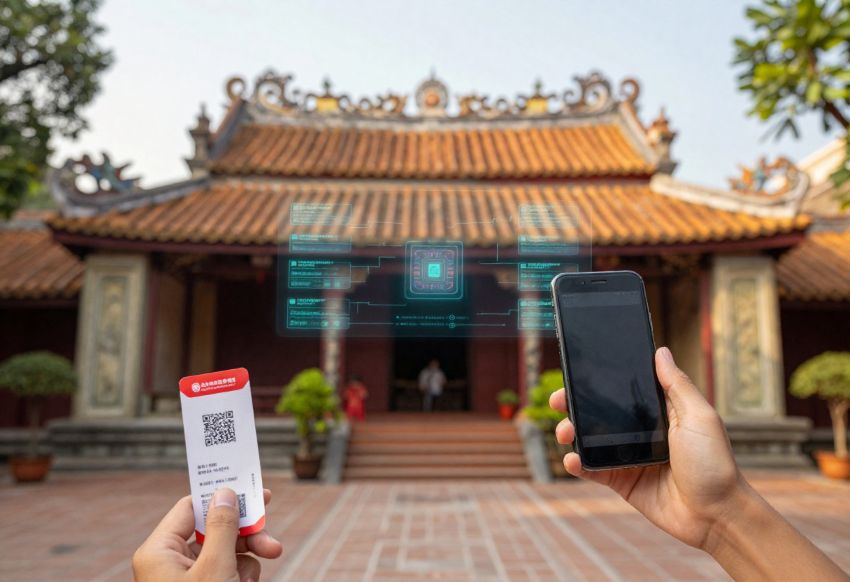
Furthermore, an interconnected electronic ticketing system has been implemented at several of Vietnam’s most iconic cultural sites. Locations such as the Temple of Literature and the Ho Chi Minh Mausoleum complex are now utilizing these systems to optimize visitor flow and reduce waiting times. By digitizing the entry process, these heritage sites are made more accessible while preserving their cultural integrity through better crowd management.
Global Positioning and Sustainable Horizons
Vietnam’s image is projected around the world via the official “vietnam.travel” website, which serves as a digital window for international audiences. In conjunction with social media strategies, the national brand is being strategically positioned to reach a global market with unprecedented precision. The United Nations World Tourism Organisation (UNWTO) has identified such digital shifts as strategic priorities for inclusive and sustainable growth, which is reflected in Vietnam’s current development phase.
As these shared platforms continue to grow, a data-driven ecosystem is forming. The transition to a smart, competitive, and modern tourism sector is about more than just implementing new technology; it is about creating a holistic environment in which information is interconnected and services are integrated. Through these efforts, Vietnam not only invites the world to see its natural beauty but also ensures that the digital path to get there is as simple as possible.
The post How Vietnam is Revolutionizing Travel Through a High-Tech Smart Tourism Ecosystem appeared first on Travel and Tour World