







Hokuriku Shinkansen Osaka Extension Faces High Costs and Delays
-
Travel
-
-
3 mins
-
Travel and Tour World
-
Iram Firdosh
-

Hokuriku Shinkansen extension toward Osaka faces rising costs and delays. Key options, impacts, and travel guidance for future high‑speed rail access
Japan’s government recently laid out the trajectory for the Hokuriku Shinkansen line between Tsuruga in Fukui Prefecture and Osaka. The decision marking first the local surveys and studies that the government took over the last couple of years. The last stations and tracks are still to defined.
The aim of the project is to improve the flow of travel and trade between the Tokyo–Hokuriku region and thus Kansai (Kyoto & Osaka) for the connectivity. However, enormous construction expenses and high time schedules have caused huge pressure on construction planners and finances.
Rising Cost Estimates
Projected expenses for the extension have climbed sharply. Initial government reports suggested multi‑trillion yen budgets, but revised forecasts show total costs could exceed earlier estimates, significantly affecting fiscal planning. Experts highlight that decades of inflation in labor and materials have driven the surge.
This financial burden raises tough questions about return on investment and long‑term economic benefits for communities along the line.
Delay in Construction Start
Construction beyond Tsuruga toward Kyoto and Osaka will not begin immediately. Current official commentary expects work may now start later than fiscal 2026 due to route reassessment and planning complexity. This follows government review on environmental impact, regional development, and cost management.
The route chosen back in 2016 — the so‑called Obama–Kyoto alignment — is under reconsideration, which may push timelines further.
What’s Been Built So Far
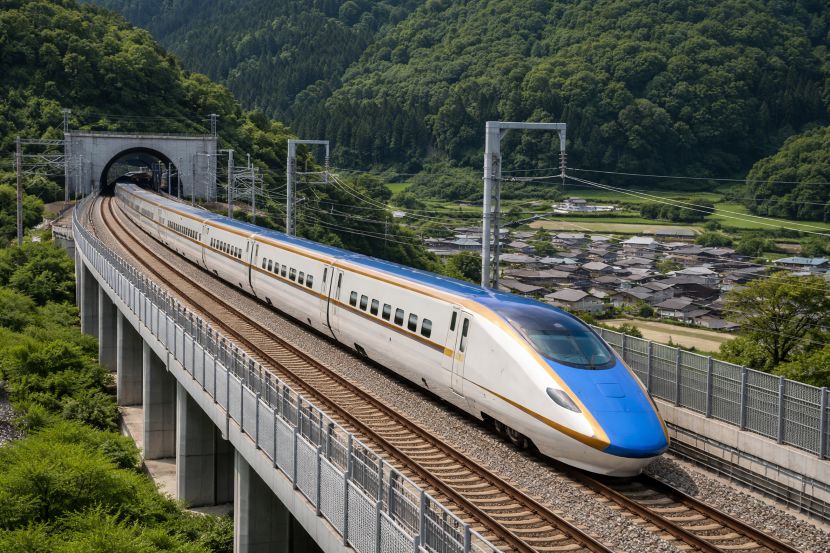
The existing Hokuriku Shinkansen line already runs from Tokyo to Kanazawa and has been extended to Tsuruga, opening in March 2024. This section spans nearly 125 km and includes new stops that greatly improve access to Fukui and Ishikawa prefectures.
Even without the Osaka link, this expansion cut travel times and helped tourists and residents reach more destinations along the Sea of Japan coast.
Why the Extension Matters
Connecting Kansai and Hokuriku
Completing the extension to Kansai — covering Kyoto and Osaka — would finally bring high‑speed rail that matches the direct Tokyo–Osaka corridor on the other Shinkansen lines. Planners see this as key for regional integration and tourism growth.
Once finished, this section could create a strong corridor linking Tokyo with western Japan’s major economic hubs while serving communities along the Hokuriku coast.
Economic and Regional Impact
Local governments argue the line will boost tourism and local economies, encouraging visitors to explore beyond big cities. Regions such as Fukui, Ishikawa, and the Kyoto outskirts could see more visitors and faster access to Kansai.
Yet low population growth and demographic shifts present challenges for demand forecasts in rural areas.
Environmental and Planning Considerations
Route alignment, especially near environmentally sensitive regions and urban centers, is under careful study. Two of the options involve deep tunneling, adding cost but reducing surface disruption. Negotiations continue between national authorities and prefectural governments.
Quick Facts at a Glanc
• Current Line Status: Tokyo → Kanazawa → Tsuruga in service.
• Extension Targets: Tsuruga → Kyoto → Osaka (TBD).
• Cost Projection: Multi‑trillion yen with increases expected.
• Construction Start: Delayed beyond initial 2026 target.
• Planning Issues: Route options under evaluation, environmental review ongoing.
What Travelers Should Know
Current Travel Options
Until the Hokuriku Shinkansen reaches Osaka:
- Tokyo to Tsuruga: Direct Shinkansen available via the Hokuriku line.
- Tsuruga to Kyoto/Osaka: Change to conventional rail services like the Thunderbird limited express or local trains at Tsuruga.
- This combined journey is reliable and connects major cities efficiently.
Suggested Route Tips
From Tokyo:
- Take the Hokuriku Shinkansen to Tsuruga.
- Transfer to Thunderbird for Kyoto or Osaka.
From Osaka/Kyoto:
- Take the Thunderbird express to Tsuruga.
- Transfer to the Shinkansen for travel eastward toward Kanazawa or Tokyo.
Traveler Benefits
- Faster access to Hokuriku coastal towns like Kanazawa and Komatsu.
- Scenic views and easier connections to regional attractions.
- Good rail network integration offers flexibility in planning longer trips across Japan.
Looking Ahead
One of the strategic projects currently underway in Japan’s rail system is the extended Hokuriku Shinkansen line. Japan is dealing with construction costs, delays, and planning snags with desire to continue high-speed rail projects. Community centered issues continue to factor into construction.
Unifying the high-speed rail system in the Pacific to the Japan Sea is the goal in adding this line. New rail line brings substantial travel ease and access to all.
The post Hokuriku Shinkansen Osaka Extension Faces High Costs and Delays appeared first on Travel and Tour World