
















Ethiopia And Egypt Takes Bold Step To Suspend All Flights To Riyadh And Dammam As Saudi Arabia Faces Severe Aviation Security Crisis
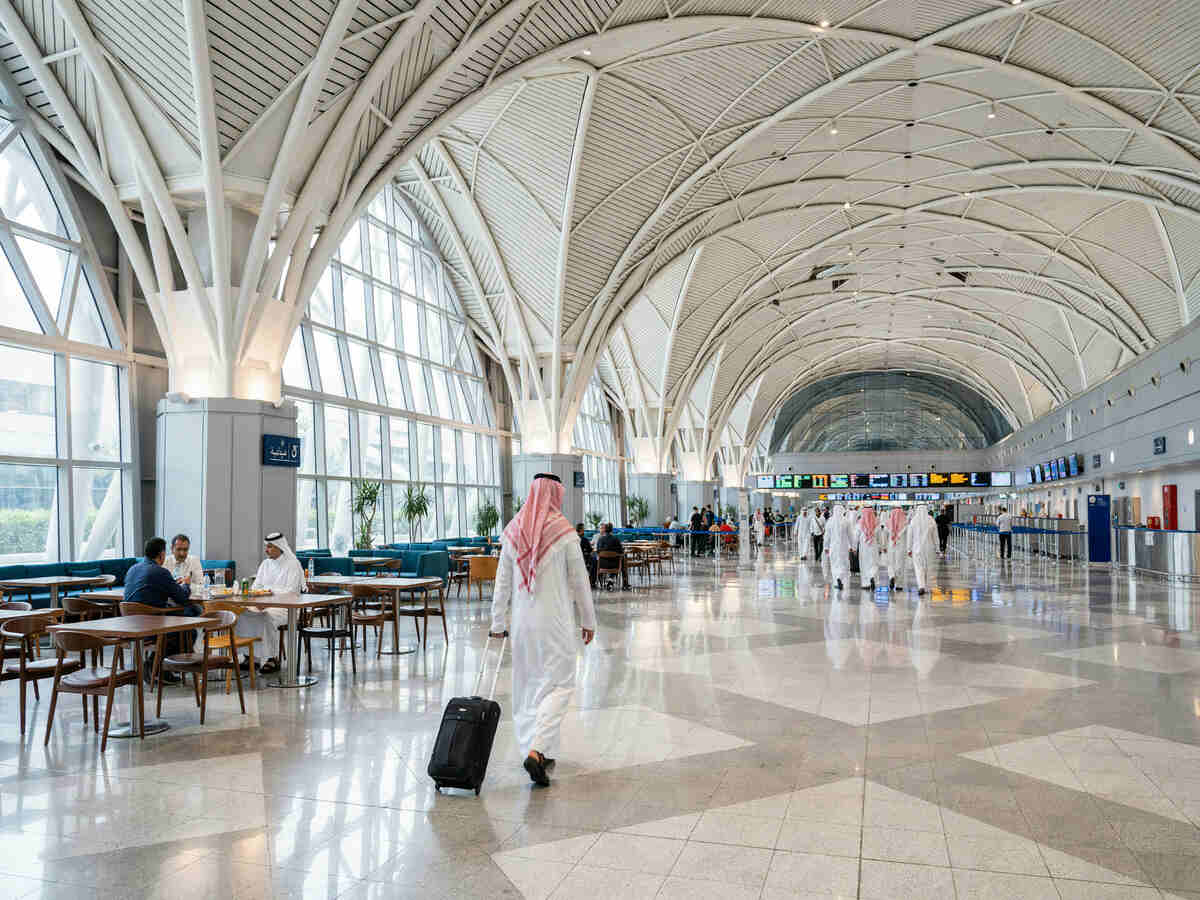
-
Travel, Religion
-
-
7 mins
-
Travel and Tour World
-
Srishty Mishra
-


Ethiopia and Egypt have ceased operations to Riyadh and Dammam in response to Houthi strikes on Saudi Arabian airports.
Ethiopia and Egypt have ceased operations to Riyadh and Dammam in response to Houthi strikes on Saudi Arabian airports. There is a paradigm shift that has brought about shock waves in the aviation sectors of both Africa and the Middle East. The aviation giants in Africa, Egypt Air and Ethiopian Airlines, have immediately suspended all flights between the two countries through their main commercial cities—namely, Riyadh and Dammam.
This sudden stoppage follows direct strikes against civil aviation infrastructure across the Arabian Peninsula. What began as localized flight diversions has escalated into a widespread aviation safety emergency. Facing unpredictable threat environments, closed air routes, and damaged terminal facilities, commercial air carriers are choosing to prioritize human life and fleet integrity over operational schedules.
The Catalyst: Devastating Attacks on Civil Aviation Infrastructure
The decision to pull commercial flights stems from targeted attacks on critical civilian transport facilities within the Kingdom of Saudi Arabia.
- The Riyadh Incident at King Khalid International Airport:On October 10, a strike directly impacted King Khalid International Airport in Riyadh.The attack resulted in 12 fatalities and injured over 300 individuals, inflicting severe physical damage on passenger handling zones and airfield facilities.
- Secondary Wave Targeting Dammam & Regional Airspace: Follow-up attacks targeted both the capital’s gateway and King Fahd International Airport in Dammam. The sustained nature of these strikes forced Saudi Arabia’s General Authority of Civil Aviation (GACA) to order immediate runway closures, suspend ground handling, and initiate comprehensive safety inspections.
- Widespread Airspace Closures: With national civil aviation authorities conducting structural integrity tests, radar recalibrations, and threat assessments, regional airspace capacity collapsed. International carriers were left with zero operational guarantees, leaving suspension as the only viable response.
Country-by-Country Analysis: The African Carriers Leading the Suspension
African Airlines Flight Suspension Overview: Egypt and Ethiopia
| Airline | Country | Affected Flight Routes | Operational Disruptions | Suspension Status |
|---|---|---|---|---|
| EgyptAir | Egypt | Cairo (CAI) and Alexandria (HBE) to Riyadh, Saudi Arabia | Air Cairo has reportedly suspended corresponding flight services, adding to travel disruptions between Egypt and Saudi Arabia. | Flights suspended indefinitely, pending safety clearance. |
| Ethiopian Airlines | Ethiopia | Addis Ababa (ADD) to Riyadh and Dammam, Saudi Arabia | Flight suspensions affect international passengers connecting through Addis Ababa Bole International Airport, potentially disrupting onward journeys. | Services remain suspended until further notice. |
Egypt: The North African Gateway Stoppage
Egypt shares dense demographic, commercial, and diplomatic ties with Saudi Arabia, making any disruption to their shared flight paths deeply felt.
- Suspended Corridors:EgyptAir officially pulled all flight services connecting Cairo International Airport (CAI) and Borg El Arab Airport in Alexandria (HBY) to King Khalid International Airport in Riyadh (RUH). Secondary regional carriers, such as Air Cairo, followed suit by grounding their scheduled services along the same routes.
- Official Coordination:Egyptian civil aviation officials confirmed that the grounding was executed in direct coordination with Saudi aviation bodies following the emergency closure of Riyadh’s primary runways.
- Diplomatic & Security Standpoint: The Egyptian government reiterated its unwavering commitment to passenger safety, issuing diplomatic statements that condemned attacks on civilian transport infrastructure while emphasizing that flight resumptions will only occur once ground facilities are 100% secure.
Ethiopia: Break in the East African Transit Hub
Ethiopian Airlines, Africa’s largest network carrier, relies heavily on its global hub at Addis Ababa Bole International Airport (ADD) to bridge the Americas, Europe, and Sub-Saharan Africa with the Middle East.
- Suspended Corridors: Ethiopian Airlines halted all passenger and cargo operations linking Addis Ababa (ADD) directly to both Riyadh (RUH) and Dammam (DMM).
- The Transit Ripple Effect: The suspension of these routes cuts off vital transit options for thousands of international passengers who rely on Addis Ababa as a layover point. Business travelers, diplomats, and international workers moving between Africa and Saudi Arabia’s industrial eastern province now face total itinerary cancellations.
- Network Realignment: Ethiopian Airlines operational planners have redirected aircraft capacity toward alternative, stable African and Asian routes while keeping long-haul aircraft assigned to Saudi sectors grounded or reassigned.
Status Report on Other Key African Air Carriers
While Egypt and Ethiopia took the lead in halting services to Riyadh and Dammam, other major African carriers are continuously reassessing their operational posture in the Middle East:
- Kenya Airways (Kenya): Maintaining real-time security tracking across all Gulf-bound routes. While total suspensions have not been universally declared for all Saudi destinations, daily flight slots remain subject to last-minute delays and route adjustments.
- Royal Air Maroc (Morocco): Evaluating flight paths into the western sector of the Arabian Peninsula. Operations are monitored under strict advisory conditions, with flight paths dynamically diverted away from high-risk airspace zones.
- Air Algérie (Algeria) & Tunisair (Tunisia): Operating on a case-by-case authorization model. Trans-Mediterranean and North African links into Saudi hubs undergo daily safety reviews prior to departure clearing.
- Air Tanzania (Tanzania): Monitoring regional civil aviation notifications closely, maintaining flexibility to alter scheduled Middle Eastern flights as local airspace authorities update safety levels.
Passenger Protection: How Ethiopia and Egypt Are Safeguarding Travelers
To mitigate the fallout for thousands of stranded passengers, both nations have introduced comprehensive passenger-protection measures.
EgyptAir and Ethiopian Airlines: Passenger Protection and Travel Assistance Policies
| Passenger Assistance | EgyptAir Protection Policy | Ethiopian Airlines Protection Policy |
|---|---|---|
| Ticket Changes | Destination changes to alternative operational Saudi Arabian airports without additional fees. | Complimentary ticket reissuance and conversion to open-dated tickets. |
| Refund Policy | Full cash refunds (100%) without cancellation penalties. | Refund arrangements not specified in the supplied information. |
| Alternative Travel Options | Passengers may switch to other Saudi Arabian destinations where flights remain operational. | Passengers may retain travel flexibility through open-dated ticket options. |
| Transit Assistance | No specific transit assistance detailed. | Hotel accommodation and meals for stranded passengers transiting through Addis Ababa (ADD). |
| Customer Support | Dedicated 24-hour passenger assistance hotline. Travellers in Egypt can call 1717. | Flight tracking updates and passenger notifications through digital and mobile communication channels. |
| Primary Passenger Benefit | Greater flexibility through penalty-free destination changes and full refunds. | Flexible ticket arrangements, transit assistance and flight-status notifications. |
EgyptAir Action Plan
- Flexibility in Destination Switching: Passengers booked on canceled flights to Riyadh can transfer their tickets to any alternative Saudi destination served directly by EgyptAir (such as active coastal or western hubs) without paying change fees or fare differences.
- Full Refund Approvals: Travelers opting to cancel their plans entirely are guaranteed 100% cash or credit-card refunds, with all standard cancellation penalties waived.
- 24/7 Multi-Channel Helplines:Travelers can check live booking statuses via EgyptAir’s dedicated call centers (1717 within Egypt, or international support numbers) and official web portals.
Ethiopian Airlines Action Plan
- Transit Passenger Care at Bole Airport: For international commuters stranded mid-journey at Addis Ababa, Ethiopian Airlines provides complimentary hotel accommodations, meals, and local transport assistance while arrangements are made to return them to their points of origin or re-route them safely.
- Penalty-Free Ticket Re-issuance: Affected travelers hold the option to keep their tickets as open credits valid for extended periods or request full fee-free refunds.
- Proactive Flight Status Alerts: The airline uses automated messaging and mobile app alerts to notify booked passengers before they travel to departure airports, preventing terminal congestion during peak hours.
Comprehensive Route & Safety Status Breakdown
| Country | Carrier | Target Destination | Operational Status | Safety & Passenger Policy |
| Egypt | EgyptAir | Riyadh (RUH) | Fully Suspended | Free destination changes; 100% full refunds without penalty. |
| Egypt | Air Cairo | Riyadh (RUH) | Fully Suspended | Ticket re-booking waivers; customer support via dedicated helplines. |
| Ethiopia | Ethiopian Airlines | Riyadh (RUH) & Dammam (DMM) | Fully Suspended | Re-accommodation at Addis hub; open-ticket conversions; full refunds. |
| Kenya | Kenya Airways | Regional Saudi Points | Operational under Review | Real-time monitoring; standard fare conditions with flexible rebooking. |
| Morocco | Royal Air Maroc | Western Saudi Hubs | Selective Operations | Dynamic route avoidance around military zones; ticket adjustments allowed. |
Socio-Economic Impact: Tourism, Labor, and Religious Commutes
The abrupt halt in regional air travel creates ripple effects across multiple interconnected sectors:
- Disruption to Religious Pilgrimages (Umrah): Millions of African Muslim pilgrims travel annually to Saudi Arabia for Umrah. While Western hubs like Jeddah (King Abdulaziz International Airport) and Madinah (Prince Mohammad bin Abdulaziz Airport) maintain partial, highly monitored operations, the shutdown of Riyadh cancels many multi-city religious itineraries. Travel agencies across North and East Africa are scrambling to restructure package tours and secure alternate land-air transfers.
- Strain on Expatriate Labor & Remittances: Egypt and Ethiopia maintain massive working diasporas within Saudi Arabia’s construction, medical, service, and engineering sectors. The suspension of direct flights to key economic zones in Riyadh and the Eastern Province freezes business commuting, delays contract deployments, and disrupts home visits, impacting families reliant on cross-border employment.
- Cargo Operations and Regional Trade: Modern passenger airliners carry significant belly-hold cargo. The grounding of daily wide-body flights between Cairo, Addis Ababa, and Saudi business centers halts the rapid transport of perishables, pharmaceuticals, high-value electronics, and commercial documentation, forcing logistics providers to seek longer maritime or circuitous overland alternatives.
The decision by Ethiopia and Egypt to pull commercial aircraft out of Riyadh and Dammam underscores a reality in modern international travel: security and risk mitigation override operational convenience.
Ethiopia and Egypt took an unprecedented measure by stopping all flights to Riyadh and Dammam amid a tough time in aviation industry in Saudi Arabia.
While Saudi Arabia’s civil aviation authorities focus on fixing infrastructure and safety measures, African flag carriers are adopting a cautious approach. Resumption of flights is not going to happen suddenly and requires gradual verification and clearance of security measures that guarantee the protection of civil aviation infrastructure from any other strikes. In the meantime, travelers from both the continents are requested to confirm their flights with their respective airline carriers.
The post Ethiopia And Egypt Takes Bold Step To Suspend All Flights To Riyadh And Dammam As Saudi Arabia Faces Severe Aviation Security Crisis appeared first on Travel and Tour World














































































