







Planning Your First Trip to Rome? 15 Insider Tips for First-Timers
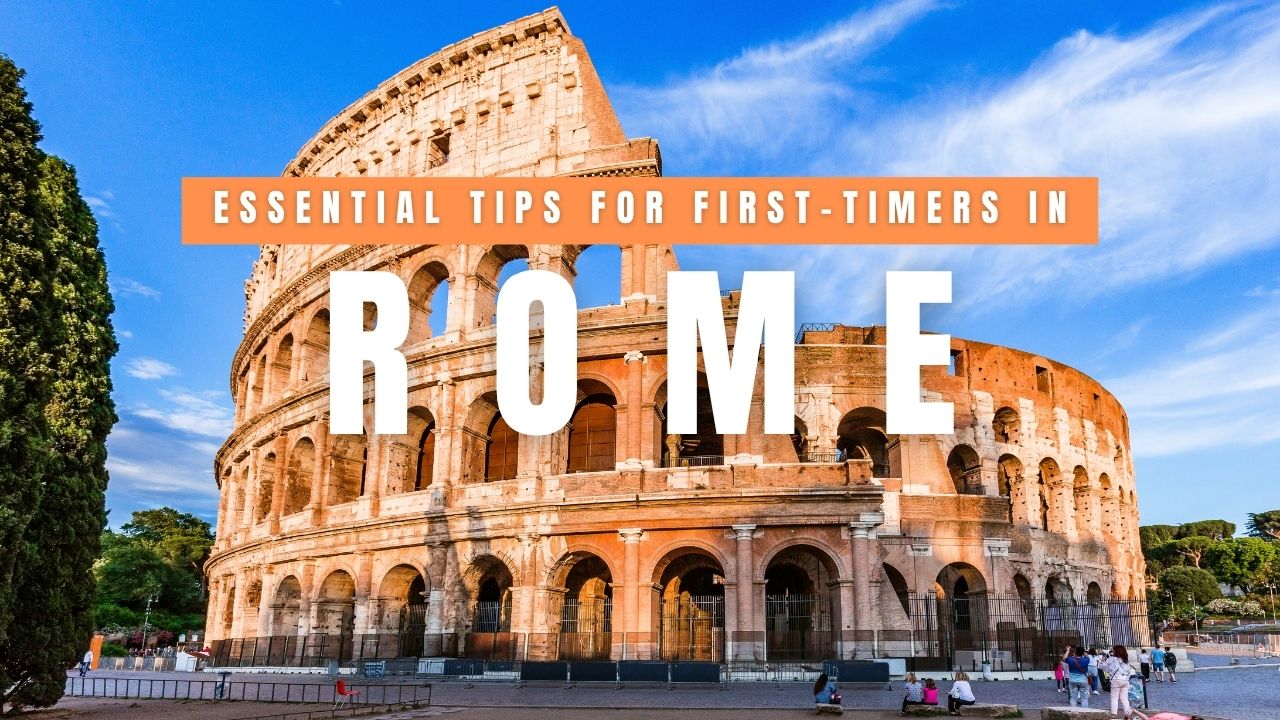
Essential Tips for First-Timers in Rome
-
Travel, Food, Culture, Religion
-
-
19 mins
-
Out of Town Blog
-
Team Out of Town
-


First Time in Rome? 15 Essential Tips for First-Timers in Rome, Italy Planning your first trip to Rome is exciting, but without the right preparation, it can feel overwhelming. Known as the Eternal City, Rome blends ancient history, world-famous landmarks, vibrant street life, and incredible cuisine into an unforgettable experience. From navigating cobblestone streets to […]
Planning Your First Trip to Rome? 15 Insider Tips for First-Timers
First Time in Rome? 15 Essential Tips for First-Timers in Rome, Italy
Planning your first trip to Rome is exciting, but without the right preparation, it can feel overwhelming. Known as the Eternal City, Rome blends ancient history, world-famous landmarks, vibrant street life, and incredible cuisine into an unforgettable experience. From navigating cobblestone streets to understanding local customs, a little insider knowledge goes a long way.
Essential Tips for First-Timers in Rome
This guide covers 15 essential tips for first-time visitors to Rome, focusing on transportation, safety, budgeting, and practical travel advice. Whether you’re planning to visit iconic sites like the Colosseum or toss a coin into the Trevi Fountain, these tips will help you travel smarter, save money, and enjoy Rome like a seasoned traveler.
1. Book Major Attractions in Advance

Piazza Navona, Rome, Italy
Booking major attractions in Rome in advance is one of the smartest decisions a traveler can make. The city hosts world-famous landmarks like the Colosseum, the Vatican Museums, and St. Peter’s Basilica, which attract millions each year. Without pre-booking, you may spend hours waiting in long lines, especially during peak seasons.
Advance tickets often include skip-the-line access, allowing you to maximize your time exploring rather than waiting in line. This is particularly valuable if you have a tight itinerary or are visiting for only a few days. Additionally, many attractions have daily visitor limits, meaning walk-in tickets can sell out quickly, leaving you disappointed.
Booking early also gives you access to better time slots, guided tours, and combo passes that enhance your experience. It allows better planning and reduces stress during your trip. Ultimately, securing tickets in advance ensures a smoother, more enjoyable, and more efficient visit to Rome’s iconic sites.
2. Learn Basic Italian Phrases
Learning basic Italian phrases before visiting Rome can enhance your travel experience. While many locals in tourist areas speak some English, using simple Italian greetings shows respect for the local culture and often leads to warmer interactions. Saying “buongiorno” (good morning), “grazie” (thank you), or “per favore” (please) goes a long way in building positive connections.
Understanding basic phrases helps you navigate everyday situations confidently, such as ordering food, asking for directions, or shopping at local markets. In less touristy neighborhoods, English may not be widely spoken, so knowing a few key phrases can prevent confusion and smooth communication.
Learning the language lets you engage more deeply with Roman culture, from reading menus to understanding signs and customs. It can help you avoid tourist traps and feel more like a local. Overall, knowing basic Italian makes your trip more immersive, enjoyable, and stress-free.
3. Use Public Transportation Wisely

Colosseo Metro Station in Rome
Using public transportation wisely in Rome can save you time, money, and stress while exploring. Rome’s network includes buses, trams, and the Metro, which connects major attractions efficiently. Traffic can be unpredictable, so public transit is often faster than taxis or rental cars.
Validate your ticket before boarding buses or entering metro platforms, as fines for unvalidated tickets are common. Purchasing a travel pass is cost-effective if you plan to move around frequently. Avoid peak hours when possible, as buses and metro lines get crowded near popular sites.
Keep an eye on your belongings, as pickpocketing can occur on busy routes. Download transit apps or maps to navigate easily and check schedules in real time. Whenever possible, combine walking with short transit rides to enjoy the city’s atmosphere. Planning ahead and using transportation strategically makes your time in Rome smoother, more efficient, and enjoyable.
4. Wear Comfortable Walking Shoes
Rome is best explored on foot, letting you immerse yourself in its historic ambiance. However, cobblestone streets and uneven terrain can be hard on your feet. Expect to walk several miles daily, especially when visiting landmarks like the Pantheon, known for its ancient architecture and grand dome, and Piazza Navona, famous for its baroque fountains and lively atmosphere.
Comfortable, supportive shoes are essential. Avoid brand-new footwear since blisters can ruin your trip. Choose breathable materials, especially in summer when temperatures soar.
Walking through Rome’s winding streets helps you uncover hidden gems in quiet corners and secret alleyways and immerse yourself in the city’s vibrant charm and history. Prioritizing comfortable footwear and attire lets you savor every moment without discomfort, making your experience enjoyable and memorable.
5. Stay in a Central Neighborhood

Pantheon in Rome
Choosing a hotel in a central neighborhood in Rome greatly enhances your travel experience. Staying near iconic areas like the Pantheon, Trevi Fountain, or Piazza Navona puts you within walking distance of many top attractions. This reduces travel time and lets you explore more efficiently, especially with a limited itinerary.
A central location makes it easier to return to your hotel for short breaks after long sightseeing days. You’ll also have convenient access to restaurants, cafes, and shops, giving you more chances to experience authentic Roman cuisine and culture without long commutes.
Central neighborhoods are usually well-connected by public transportation, making it easy to reach farther areas. Walking through these historic districts early in the morning or in the evening offers a unique charm you might miss if staying farther out. While central hotels may cost more, the time saved, convenience, and immersive experience often make it worthwhile.
6. Beware of Pickpockets

Avoid Pickpockets
Avoiding pickpockets in Rome requires awareness, preparation, and a few smart habits. Busy tourist areas like the Colosseum, Trevi Fountain, and crowded buses or metro stations are common hotspots for pickpockets.
One important tip is to keep your valuables secure and out of sight. Use anti-theft bags, money belts, or crossbody bags with zippers, and always wear them in front of your body. Avoid carrying large amounts of cash; instead, keep small bills easily accessible and store the rest safely.
Be cautious of distractions like people asking for directions, offering help, or creating commotion—these can divert your attention. Stay alert in crowded places and avoid placing phones or wallets in back pockets.
When using public transportation, hold your belongings tightly, especially during boarding and exiting. Keep copies of important documents in case of loss.
By staying vigilant, minimizing exposure of valuables, and recognizing common scams, you can significantly reduce your risk and enjoy a safer, more relaxed trip in Rome.
7. Carry Cash, But Not Too Much
Carrying cash in Rome is important, but striking the right balance is key. While credit and debit cards are widely accepted at hotels, restaurants, and major shops, many smaller places—like local cafés, street vendors, and family-run trattorias—prefer or accept only cash, especially for small purchases. Having cash on hand ensures you won’t miss authentic local experiences.
However, carrying too much cash can increase your risk if it’s lost or stolen. Rome is a busy tourist destination, and crowded areas like the Spanish Steps or public transport hubs can attract pickpockets. Keeping only what you need for the day minimizes potential losses.
Divide your money: carry a small amount in your wallet and store extra cash securely in a money belt or hotel safe. Using ATMs in reputable locations is safer than carrying large sums from the start.
Balancing cash and card use gives you flexibility, improves security, and ensures smoother transactions while exploring Rome’s vibrant streets, markets, and dining spots.
8. Eat Like a Local

Cacio e Pepe
Eating like a local in Rome is one of the best ways to experience its culture. Seek out neighborhood trattorias rather than restaurants near major landmarks like the Colosseum, where prices are higher, and menus are more tourist-focused. Look for places filled with locals—usually a good sign of quality and authenticity.
Embrace traditional Roman dishes like Cacio e Pepe, Carbonara, and Amatriciana. Meals in Rome are meant to be enjoyed slowly, so avoid rushing and savor each course.
Follow local dining habits. Italians typically eat dinner later, around 8–10 PM, and coffee culture is unique—cappuccinos are usually enjoyed only in the morning, while espresso is preferred after meals.
Avoid menus with aggressive staff inviting you in, as these are often tourist traps. Explore quieter streets for hidden gems. Ordering house wine and daily specials offers great value. By eating thoughtfully and embracing local customs, you’ll enjoy a more authentic and memorable Roman dining experience.
9. Understand Restaurant Etiquette
Understanding restaurant etiquette in Rome helps you blend in and enjoy a smoother dining experience. Meals are relaxed and unhurried, so don’t expect quick service—Italians value taking time to enjoy food and conversation.
Greet staff politely with “buongiorno” or “buonasera” when entering. Unlike some countries, you usually wait to be seated rather than choosing a table yourself. Bread is often served automatically and may come with a small charge called “coperto.”
Avoid asking for modifications to traditional dishes, as chefs take pride in their recipes. Tipping is not mandatory since service is often included, but rounding up the bill or leaving small change is appreciated.
Another key custom is coffee etiquette—ordering a cappuccino after a meal is uncommon; locals typically choose espresso instead. Also, requesting the bill (“il conto”) is necessary, as it won’t be brought automatically.
By respecting these customs and dining at a relaxed pace, you’ll have a more authentic and enjoyable experience in Rome’s vibrant food scene.
10. Stay Hydrated with Public Fountains

Rome drinking fountains
Staying hydrated while exploring Rome is essential. One of the best ways is to use the city’s public drinking fountains, known as “nasoni.” These small, continuously flowing fountains provide fresh, clean water that is safe to drink and widely used by locals daily.
Choosing fountains over bottled water saves money, especially during warmer months when you need to drink frequently. Bottled water near major attractions like the Trevi Fountain can be overpriced, while public fountains are free and conveniently located throughout the city.
Using these fountains is an eco-friendly choice that helps reduce plastic waste. Bringing a reusable water bottle lets you refill easily as you move between sights.
To use them, place your bottle under the main spout or cover the end of the fountain’s spout to create a small upward stream for drinking. Taking advantage of Rome’s public fountains helps you stay refreshed, save money, and travel more sustainably while enjoying the city.
11. Visit Early or Late in the Day

Ancient Colosseum in Rome, Italy
Visiting major attractions in Rome early in the morning or late in the evening can greatly improve your experience. Popular landmarks like the Colosseum and Vatican Museums attract large crowds, especially at midday when tour groups peak.
Arriving early lets you explore these sites with fewer tourists, shorter lines, and cooler temperatures—especially during Rome’s hot summer months. You’ll also get better photo opportunities without large crowds, making your visit more enjoyable and relaxed.
Late-day visits offer another advantage. As crowds thin, the atmosphere calms, and some landmarks take on a golden glow at sunset. Some attractions offer extended evening hours, giving you more flexibility for your itinerary.
Planning visits during off-peak times helps you avoid long waits and reduces stress, letting you make the most of your limited time. Adjusting your schedule slightly leads to a more comfortable, memorable, and rewarding exploration of Rome’s iconic sites.
12. Watch Out for Tourist Scams
Being aware of common tourist scams in Rome helps you avoid stress and enjoy a smoother trip. Busy areas like the Colosseum, Spanish Steps, and Trevi Fountain are popular spots for scams.
One common scam involves “friendly” strangers offering free items like bracelets or roses, then demanding payment. Another is unofficial ticket sellers claiming skip-the-line access—these can be overpriced or fake. Always buy tickets from official sources.
Watch out for distraction techniques, such as someone spilling something on you or asking for help while an accomplice targets your belongings. Taxi scams happen if drivers refuse to use the meter or overcharge, so use licensed taxis or ride apps.
Street performers or petition groups may pressure you for donations, sometimes aggressively. Stay polite but firm when declining.
Staying alert, avoiding unsolicited offers, and securing your belongings reduces your risk. Awareness and caution go a long way in ensuring a safe and enjoyable visit to Rome.
13. Dress Appropriately for Churches
Dressing appropriately when visiting churches in Rome is important for cultural respect and practical reasons. Many famous religious sites, including St. Peter’s Basilica and the Sistine Chapel, enforce a strict dress code. Visitors must cover their shoulders and knees, regardless of the season.
Following these guidelines shows respect for the religious significance of these spaces, which are both tourist attractions and active places of worship. Inappropriate attire, such as sleeveless tops, short skirts, or shorts, may result in denied entry, disrupting your plans.
Carry a light scarf or shawl to cover up when needed, especially in warmer months. Wearing comfortable yet modest clothing lets you transition easily between sightseeing and visiting sacred sites.
Dressing appropriately ensures access to Rome’s iconic churches and shows cultural awareness. This small effort enhances your experience and helps you engage respectfully with the city’s rich religious heritage.
14. Plan for Siesta Hours
Planning for siesta hours in Rome makes your trip smoother and less frustrating. Many small shops, family-run businesses, and some restaurants close in early afternoon—typically 1 PM to 4 PM—for rest. If unaware, you might find doors shut just when you’re ready to explore or shop.
Using this downtime wisely is key. It’s a great chance to enjoy a leisurely lunch, relax at a café, or return to your hotel to recharge. Since mornings and evenings are often busiest in Rome, adjusting your itinerary around siesta hours helps you stay in sync with the local rhythm.
Plan indoor attractions, like museums or churches, during these quieter hours, as they usually remain open. This lets you continue sightseeing without interruption.
By anticipating closures and structuring your day accordingly, you’ll avoid inconvenience and make better use of your time. Embracing this local routine also helps you experience Rome in a more relaxed and authentic way.
15. Take Your Time and Enjoy
Piazza Navona, Rome, Italy
Taking your time in Rome allows you to truly experience the city beyond just checking off famous landmarks. Rome is not a place meant to be rushed—it’s a living museum filled with history, culture, and everyday moments that reveal themselves slowly. While iconic sites like the Colosseum and Pantheon are must-sees, the real charm often lies in wandering quiet streets, discovering hidden piazzas, and soaking in the atmosphere.
By slowing down, you give yourself time to enjoy simple pleasures—lingering over a meal, sipping espresso at a local café, or watching life unfold in a sunlit square. Rushing from one attraction to another can leave you exhausted and disconnected from the experience.
A relaxed approach helps you notice details you might miss, from street art to small architectural wonders. It creates space for spontaneous discoveries, often the most memorable parts of a trip.
In Rome, the journey is as meaningful as the destination. Embracing a slower pace lets you connect more deeply with the city’s timeless beauty and vibrant culture.
Final Thoughts: Make the Most of Your First Trip to Rome
Visiting Rome for the first time is an unforgettable experience filled with history, culture, and culinary delights. By following these essential travel tips, you can navigate the city with confidence, avoid common pitfalls, and make the most of your time in one of the world’s most iconic destinations.
From planning ahead and staying safe to embracing local customs and savoring authentic food, every detail contributes to a richer travel experience. Rome rewards those who explore thoughtfully—so slow down, stay curious, and let the city reveal its magic.
Whether it’s your first visit or one of many, Rome always has something new to offer.
Rome Travel Tour Packages You Should Try
<script type="text/javascript"></p> <p> (function (d, sc, u) {</p> <p> var s = d.createElement(sc),</p> <p> p = d.getElementsByTagName(sc)[0];</p> <p> s.type = "text/javascript";</p> <p> s.async = true;</p> <p> s.src = u;</p> <p> p.parentNode.insertBefore(s, p);</p> <p> })(</p> <p> document,</p> <p> "script",</p> <p> "https://affiliate.klook.com/widget/fetch-iframe-init.js"</p> <p> );</p> <p></script>
Follow and subscribe to OutofTownBlog.com on Facebook , Twitter, Instagram, Pinterest, and YouTube for more Travel-related updates.
Read:
- ROME TRAVEL GUIDE: Best Things to Do, Where to Stay, Food & Tips
- Rome Hotels with the Highest Traveler Ratings
- 10 of The Best Airbnbs in Rome You Can Book Right Now
- First Time in Tokyo? 12 Must-Know Tips for First-Time Visitors to Tokyo
- Top 15 Best Things to Do in Rome, Italy
Planning Your First Trip to Rome? 15 Insider Tips for First-Timers
The post Planning Your First Trip to Rome? 15 Insider Tips for First-Timers appeared first on Out of Town Blog