







First Time in Barcelona? 15 Clever Hacks to Own the City Like a Local
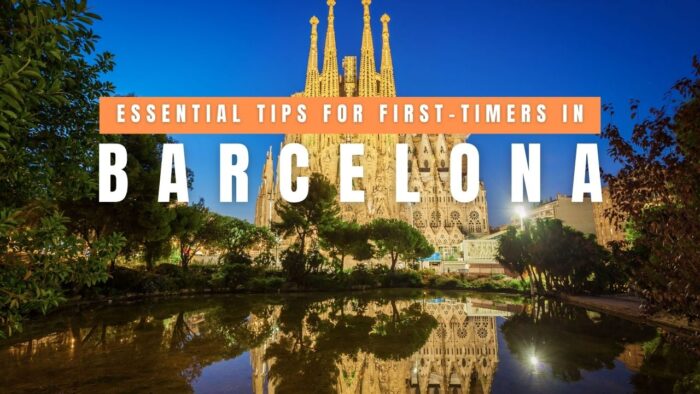
Essential Tips for First-Timers in Barcelona
-
Travel, Food, Culture, Weather
-
-
26 mins
-
Out of Town Blog
-
Melo Villareal
-


15 Essential Tips for First-Timers in Barcelona: Your Complete Guide to Navigating the Catalan Capital Barcelona offers a unique mix of culture, food, and stunning architecture that draws millions of visitors each year. The city can feel overwhelming if you don’t know where to start or how to navigate its busy streets and popular attractions. […]
First Time in Barcelona? 15 Clever Hacks to Own the City Like a Local
15 Essential Tips for First-Timers in Barcelona: Your Complete Guide to Navigating the Catalan Capital
Barcelona offers a unique mix of culture, food, and stunning architecture that draws millions of visitors each year. The city can feel overwhelming if you don’t know where to start or how to navigate its busy streets and popular attractions. Understanding a few key strategies before you arrive will help you avoid common mistakes and make the most of your time.
Essential Tips for First-Timers in Barcelona
This guide gives you practical advice on transportation, dining, sightseeing, and local customs so you can explore Barcelona like someone who knows the city well. You’ll learn how to save money on getting around, where to stay for easy access to main sites, and how to experience authentic Catalan food without falling into tourist traps. You’ll also discover tips for visiting famous landmarks without wasting hours in line and how to stay safe while enjoying everything Barcelona has to offer.
1) Use a T-10 public transport card for unlimited metro and bus rides

Barcelona Metro
Barcelona’s public transport system is easy to navigate with the right ticket. The T-10 card has been replaced by the T-Casual card, which works similarly but with updated features.
The T-Casual gives you 10 individual trips on Barcelona’s metro, buses, trams, and local trains within Zone 1. This covers most tourist areas in the city center. You can use it across different types of transport during the same journey within 75 minutes.
One card can be shared among multiple people traveling together. Just validate it once for each person at the start of your trip.
You can buy the T-Casual at metro stations from ticket machines or staffed counters. It costs less per trip than buying single tickets each time you travel.
2) Visit Sagrada Família early to avoid long queues

Sagrada Fami?lia, Barcelona
The Sagrada Família attracts about 4.5 million visitors each year. This means crowds are common, especially during peak hours.
Arriving early in the morning gives you the best chance to avoid long lines. The first entry slots of the day typically have fewer people waiting. You’ll also enjoy a calmer experience inside when the space isn’t packed with tour groups.
Book your tickets online in advance rather than buying them at the entrance. This saves you time and guarantees your entry at your preferred time slot.
If morning visits don’t work for your schedule, late afternoon can also be less crowded. The key is avoiding the middle of the day when most tourists arrive.
3) Try traditional Catalan dishes like pa amb tomàquet and escalivada

Escalivada
Barcelona’s food scene goes beyond typical Spanish fare. You’ll find unique Catalan dishes that locals eat regularly.
Pa amb tomàquet is the most basic Catalan food. It’s toasted bread rubbed with fresh tomato, drizzled with olive oil, and sprinkled with salt. Restaurants serve it as a side dish or starter.
Escalivada features roasted vegetables like eggplant, red peppers, and onions. Chefs cook them over an open flame, then peel and dress them with olive oil. You can eat it alone or with bread and cheese.
You’ll find these dishes at traditional markets like La Boqueria or local restaurants throughout the city. Many places serve them alongside other Catalan dishes, like crema catalana for dessert or bacallà (salted cod). These simple recipes highlight fresh ingredients and local cooking methods that define Barcelona’s food culture.
4) Explore the Gothic Quarter on foot to appreciate its medieval charm.

Barcelona Gothic Quarter
The Gothic Quarter is Barcelona’s oldest neighborhood. Walking is the best way to experience its narrow medieval streets and hidden squares.
You’ll find ancient Roman walls mixed with Gothic architecture from the 14th and 15th centuries. The area is small enough that you won’t need public transport.
Getting lost is part of the experience. The winding lanes all connect, so you’ll find your way back to familiar spots if you keep walking.
Plan to spend at least a few hours here. The quarter has many historical sites, quiet courtyards, and local shops worth discovering. Wear comfortable shoes since the streets are mostly cobblestone and uneven in places.
5) Book a guided Gaudí tour for expert insights into his architecture

Casa Mila in Barcelona
Barcelona is home to some of Antoni Gaudí’s most famous works. A guided tour helps you understand his unique style and the history behind each building.
Most tours visit the Sagrada Família, Park Güell, and Casa Milà. Some also include Casa Batlló and Casa Vicens. You’ll skip long ticket lines at popular sites when you book in advance.
Expert guides explain Gaudí’s innovative techniques and design choices. They point out details you might miss on your own. Many tour guides are practicing architects who share technical insights about their work.
Tours range from half-day walking experiences to full-day private options. Choose based on your schedule and the number of buildings you want to see. Morning tours are popular and help you avoid afternoon crowds.
6) Pick accommodation near Placa de Catalunya for central access

Placa de Catalunya, Barcelona
Plaça de Catalunya is Barcelona’s main square and the best place to start for first-time visitors. You’ll find easy access to major attractions from this area.
The square serves as Barcelona’s primary transport hub. You can catch the airport bus, multiple metro lines, and trains to other parts of the city. This makes getting around simple and saves you time.
Hotels and hostels near Plaça de Catalunya put you within walking distance of the Gothic Quarter and Las Ramblas. You won’t need to travel far to reach most tourist sites.
The area offers options for different budgets. You’ll find both luxury hotels and affordable accommodations, though cheaper options may require more searching.
7) Carry a reusable water bottle; tap water is safe and clean

Skip Bottled Water
Barcelona’s tap water meets strict European Union safety standards. You can drink it directly from any fountain or faucet throughout the city without worry.
Bringing a reusable water bottle saves you money and reduces plastic waste. Water bottles in tourist areas can cost between 2 and 3 euros each, which adds up quickly during your trip.
You’ll find public drinking fountains across Barcelona’s streets, parks, and plazas. These fountains provide free access to the same clean tap water that residents receive at home.
A reusable bottle keeps you hydrated as you walk between attractions. Barcelona’s warm climate makes regular water breaks important, especially during the summer months.
Make sure to clean your bottle regularly during your stay. A simple rinse with soap and water each evening keeps it fresh and ready for the next day.
8) Avoid dining near major tourist spots for better food quality and prices
Restaurants right next to Las Ramblas, Sagrada Familia, and other major attractions typically charge inflated prices for average food. The same meal can cost 30-40% less just a few blocks away.
Walk five to ten minutes away from the main tourist sites to find where locals actually eat. Side streets in neighborhoods like Gràcia or Poble Sec offer authentic Catalan cuisine at reasonable prices.
Watch out for restaurants with staff standing outside aggressively promoting their menus. This is a common sign of a tourist trap. Local favorites don’t need to pull people in from the street.
Check if you see Spanish-speaking locals dining inside. A restaurant full of tourists usually means the food caters to visitor expectations rather than traditional flavors.
9) Download the Barcelona Metro app for real-time public transit info
Barcelona’s public transport system is reliable and easy to use, but you’ll get around more efficiently with the right app. The official TMB App gives you access to metro and bus schedules, real-time arrivals, and route planning throughout the city.
You can check metro maps, find the nearest stations, and get service updates all in one place. The app helps you plan trips, whether you’re heading to major attractions or exploring local neighborhoods.
Download it before you arrive so you’re ready to navigate from the airport. The app works with Barcelona’s T-mobilitat system and shows you multiple transport options for any destination.
Having real-time transit information on your phone saves you time and reduces confusion when moving around an unfamiliar city.
10) Respect local customs by greeting with a light kiss on each cheek
In Barcelona, people greet friends and acquaintances with a kiss on each cheek. You start with the right cheek and then move to the left.
This greeting is common among friends, family, and even new acquaintances in social settings. You’ll see locals doing this naturally when they meet up.
For formal or professional situations, stick with a handshake instead. The cheek kiss is not appropriate in business meetings or when meeting someone for the first time in a work context.
If you’re unsure whether to go for the cheek kiss, wait and follow the other person’s lead. They’ll guide you on what’s expected.
Don’t worry if you feel awkward at first. Locals understand that visitors are learning their customs.
11) Use bike rentals or electric scooters for quick neighborhood travel

Biking in Barcelona
Barcelona offers numerous bike and electric scooter rental options throughout the city. You can find these services through mobile apps that let you locate and unlock vehicles using QR codes.
Electric scooters help you avoid traffic jams and move quickly between neighborhoods. They’re more cost-effective than taxis for short trips and give you flexibility that public transport can’t match.
Download a rental app before you start exploring. When you find a bike or scooter, scan the QR code to unlock it. The app tracks your time and automatically handles payments.
Always wear a helmet and follow local traffic rules. Watch for pedestrians in crowded areas and park responsibly when you’re done.
Keep track of your rental costs if you plan to use these services multiple times. Daily expenses can add up faster than you might expect.
12) Learn basic Catalan phrases to connect with locals
While many Barcelona residents speak Spanish and English, learning a few Catalan phrases shows respect for the local culture. Catalan is the primary language in the region, and locals appreciate visitors who make an effort to use it.
Start with simple greetings like “Bon dia” (good morning), “Bona tarda” (good afternoon), and “Hola” (hello). “Gràcies” means thank you, and “Si us plau” means please.
For basic interactions, learn “Perdoni” (excuse me) and “Adéu” (goodbye). If you need help, ask “Parles anglès?” (Do you speak English?)
You don’t need to be fluent to make a positive impression. Even attempting these basic phrases can lead to warmer interactions and helpful responses from locals. Most people will gladly switch to Spanish or English if needed, but your effort to speak Catalan opens doors to more authentic experiences.
13) Stay vigilant with personal belongings, especially in crowded areas

Scams in Barcelona
Scammers and pickpockets are existing in most popular cities and it’s not a third-world problem either. Barcelona attracts millions of visitors each year, making popular spots like Las Ramblas and the Metro prime targets for pickpockets. You need to keep your valuables secure at all times.
Wear your backpack on your front when walking through busy areas. Keep your phone and wallet in the front pockets or an inside jacket pocket, so you can feel them.
Avoid placing bags on the ground at cafes or restaurants. Hang them on your chair where you can see them or keep them on your lap.
Stay alert when people crowd around you unexpectedly or create distractions. These are common tactics used by groups of thieves.
Use a crossbody bag with zippers instead of open totes. This makes it harder for someone to grab your belongings quickly.
14) Visit Mercat de Sant Josep de la Boqueria for fresh local food.
La Boqueria is Barcelona’s most famous food market, located on La Rambla in the city center. The market has been around since 1217 and now spans an area the size of a football field.
You’ll find fresh produce, meats, seafood, cheeses, olives, and local fruits when you visit. The market also sells sweets, honey, and oils from the region.
Plan to arrive early in the morning to avoid crowds and see the best selection. The market can get very busy with tourists during midday hours.
Stop at one of the tapas bars inside the market to try traditional Spanish dishes made with fresh ingredients. These small restaurants use products sold right in the market.
15) Plan visits to Park Güell midweek to beat the crowds.

Park Guell in Barcelona
Park Güell gets packed with tourists, especially on weekends. You’ll have a much better experience if you visit Tuesday through Thursday.
Weekends bring both locals and tourists to the park. This means longer lines at the entrance and crowded photo spots around the famous mosaic lizard and other Gaudí designs.
Midweek mornings work best, right when the park opens. You’ll find fewer people blocking the views and more space to walk around the colorful architecture. The difference in crowd size between a Saturday and a Wednesday can be significant.
Book your tickets online in advance, regardless of when you visit. The park has a visitor limit and often sells out, especially duringthe spring and summer months. Planning for midweek gives you better odds of finding available time slots.
Essential Local Insights for First-Time Visitors
Barcelona operates on its own rhythm, with its own transportation systems, language and customs, and street-smart practices that differ from those of European cities. Understanding these local patterns will help you move around the city efficiently and avoid common problems.
Public Transportation Tips
Barcelona’s metro system is the fastest way to get around the city. You’ll find nine color-coded lines that connect major neighborhoods and attractions. The metro runs Monday through Thursday from 5:00 AM to midnight, Friday from 5:00 AM to 2:00 AM, and 24 hours on Saturdays.
Buy a T-Casual card instead of single tickets. This rechargeable card gives you 10 trips for about €12, which saves you roughly 50% compared to individual fares. You can use it on the metro, buses, trams, and local trains within Zone 1.
Key transportation options:
- Metro: Most convenient for longer distances
- Bus: Better for short trips and seeing the city
- Bicing: Bike-share system (requires registration)
- Walking: The Gothic Quarter and El Born are best explored on foot
Validate your ticket every time you board, even with a multi-trip card. Inspectors frequently check for tickets, and the fine is €100.
Navigating Language and Cultural Etiquette
Barcelona is in Catalonia, where people speak both Catalan and Spanish. Street signs, menus, and official documents appear in Catalan first. Most locals speak Spanish, and many in tourist areas know English.
Learn these basic Catalan phrases: “Bon dia” (good morning), “Sisplau” (please), and “Gràcies” (thank you). Even simple Catalan words show respect for local culture.
Catalans eat later than people in other countries. Lunch runs from 2:00 PM to 4:00 PM, and dinner starts around 9:00 PM or 10:00 PM. Many restaurants close between 4:00 PM and 8:00 PM.
Don’t expect fast service at restaurants. Meals are social events, and servers won’t bring the check until you ask for “la cuenta.” Tipping is optional, though locals round up or leave 5-10% for good service.
Safety and Avoiding Common Tourist Scams
Barcelona is generally safe, but pickpockets target tourists in crowded areas. Las Ramblas, the metro, and popular attractions like Sagrada Familia are hotspots for theft.
Common scams to watch for:
- People offering to help with metro tickets (they’ll overcharge you)
- Street performers who demand payment after posing for photos
- Groups are creating distractions while someone steals your belongings
- Fake petition signers who pickpocket while you’re distracted
Keep your bag in front of you on public transportation. Use a crossbody bag or backpack with zippers, not open tote bags. Don’t leave phones or wallets in back pockets.
Avoid unlicensed taxis at the airport and train stations. Official Barcelona taxis are black and yellow. Better yet, use the Aerobus or metro from the airport, which cost €5.90 and €5.50 respectively compared to €30-40 for taxis.
Maximizing Your Barcelona Experience
Timing your visits strategically and understanding local cultural norms will help you avoid crowds and connect more authentically with the city.
Best Times to Visit Popular Sites
Arrive at major attractions like the Sagrada Familia and Park Güell right when they open at 9:00 AM to beat the crowds. These sites fill up quickly by mid-morning, especially from April through October.
Book your tickets online at least two weeks in advance. Walk-in tickets often sell out, and you’ll waste valuable vacation time standing in line.
Visit La Rambla and the Gothic Quarter early in the morning or after 7:00 PM. The midday hours bring overwhelming crowds and intense heat during the summer months.
Schedule museum visits on weekday afternoons between 2:00 PM and 4:00 PM when tour groups typically break for lunch. The Picasso Museum and Barcelona Cathedral are much quieter during these hours.
Unique Local Customs to Embrace
Barcelona follows a later schedule than most European cities. Lunch happens between 2:00 PM and 4:00 PM, while dinner rarely starts before 9:00 PM. Most restaurants won’t even open their kitchens for dinner until 8:30 PM.
Greet shopkeepers and restaurant staff with “Hola” or “Bon dia” when you enter. Locals consider it rude to start speaking without a greeting first.
Many stores and smaller businesses close from 2:00 PM to 5:00 PM for siesta. Plan your shopping accordingly, as you’ll find locked doors during these afternoon hours.
The city speaks both Spanish and Catalan. While most locals understand Spanish, many prefer Catalan and appreciate it when visitors learn basic phrases like “Gràcies” (thank you) and “Si us plau” (please).
Frequently Asked Questions
Barcelona attracts millions of first-time visitors each year who share common questions about attractions, transportation, accommodations, dining, safety, and cultural etiquette. These answers provide practical information to help you plan and enjoy your visit.
What are the must-visit attractions for first-time visitors to Barcelona?
Sagrada Família stands as Barcelona’s most iconic landmark. This unfinished basilica, designed by Antoni Gaudí, features intricate facades and stunning stained glass windows. You should visit early in the morning to avoid long queues and secure the best lighting for photos.
Park Güell offers another essential Gaudí experience. The park sits on a hillside with colorful mosaics, curved structures, and panoramic city views.
The Gothic Quarter showcases Barcelona’s medieval history through narrow stone streets and ancient buildings. You can explore this area on foot to fully appreciate the architecture and discover hidden plazas. Casa Batlló and La Pedrera (Casa Milà) round out the major Gaudí sites, both featuring his distinctive organic designs.
La Rambla provides a famous tree-lined pedestrian street connecting Plaça de Catalunya to the waterfront. The nearby La Boqueria market lets you sample local foods and experience authentic Barcelona culture.
How can visitors navigate public transportation in Barcelona effectively?
The metro system operates as Barcelona’s most efficient transportation option. Six color-coded lines connect major neighborhoods and attractions throughout the city. Trains run from 5 AM on weekdays and until midnight or later on weekends.
A T-10 card gives you ten rides on the metro, bus, tram, and local trains within Zone 1. You can share this card with travel companions and transfer between transportation modes within 75 minutes on a single ride.
Buses complement the metro system by reaching areas without metro access. Night buses (Nitbus) operate when the metro closes. You can use the same T-10 card or other transport passes on buses.
The TMB app helps you plan routes and check real-time schedules. Signs in stations appear in Catalan, Spanish, and English. Most metro stations have elevators, though some older stations only have stairs or escalators.
What are the recommended areas for tourists to find accommodation in Barcelona?
Eixample sits in Barcelona’s center and offers easy access to major Gaudí buildings. This neighborhood features a grid layout with wide streets, making navigation easy. You’ll find numerous restaurants, shops, and metro connections here.
The Gothic Quarter places you in the heart of old Barcelona. Staying here means you can walk to many historical sites, though the rooms are smaller and the buildings are older.
El Born and Barceloneta provide different experiences. El Born combines historical charm with trendy bars and boutiques. Barceloneta, located next to the beach, appeals to visitors seeking coastal access.
Gràcia offers a local neighborhood feel away from heavy tourist traffic. This area north of the Eixample has its own village atmosphere with independent shops and cafes. Metro connections still make it easy to reach the main attractions.
What dining experiences should first-time visitors in Barcelona not miss?
Pa amb tomàquet serves as the foundation of Catalan cuisine. This simple dish of bread rubbed with tomato, olive oil, and salt appears at most meals. You can order it as a side or topped with cheese or cured meats.
Escalivada features roasted red peppers, eggplant, and onions served at room temperature. This traditional dish showcases the region’s vegetables and Mediterranean flavors.
Tapas restaurants let you sample multiple dishes in small portions. Order patatas bravas (fried potatoes with spicy sauce), jamón ibérico (cured ham), and croquetas. Most locals eat lunch between 2 and 4 PM and dinner after 9 PM.
La Boqueria market offers fresh produce, seafood, and prepared foods. You can grab breakfast or lunch at the market stands. Vermouth (vermut) is a popular pre-lunch drink served with olives and potato chips at traditional bars.
What tips can ensure visitor safety while exploring Barcelona?
Pickpocketing ranks as the most common crime affecting tourists in Barcelona. Thieves operate in crowded areas like Las Ramblas, the metro, and popular attractions. You should keep your bag in front of you and avoid putting phones or wallets in back pockets.
Distraction techniques include someone asking for directions while an accomplice steals your belongings. Stay alert if strangers approach you suddenly or create unexpected situations.
Use ATMs inside banks rather than on the street when possible. Cover the keypad when entering your PIN. Your accommodation safe provides secure storage for passports and extra cash.
The metro and buses are generally safe, but watch your belongings during rush hours when trains get crowded. Avoid empty metro cars late at night.
How can tourists respect local customs and avoid common cultural faux pas in Barcelona?
Catalans take pride in their distinct culture and language, separate from the rest of Spain. Signs appear in Catalan first, and locals appreciateit when you learn basic Catalan phrases like “bon dia” (good morning) instead of just Spanish ones.
Restaurants expect you to ask for the check rather than have it brought to you automatically. Tipping isn’t mandatory in Barcelona, though leaving 5-10% for good service is appreciated. Servers earn living wages and don’t depend on tips.
Dress codes tend to be casual but neat. You don’t need formal clothes for most restaurants, but beach attire belongs at the beach. Some churches require covered shoulders and knees for entry.
Quiet hours run from 2-5 PM and after 10 PM in residential buildings. Keep noise down during these times. Many shops close for lunch from 2-5 PM, then reopen until 8 or 9 PM.
Barcelona Travel Tour Packages You Should Try
<script type="text/javascript"></p> <p> (function (d, sc, u) {</p> <p> var s = d.createElement(sc),</p> <p> p = d.getElementsByTagName(sc)[0];</p> <p> s.type = "text/javascript";</p> <p> s.async = true;</p> <p> s.src = u;</p> <p> p.parentNode.insertBefore(s, p);</p> <p> })(</p> <p> document,</p> <p> "script",</p> <p> "https://affiliate.klook.com/widget/fetch-iframe-init.js"</p> <p> );</p> <p></script>
Follow and subscribe to OutofTownBlog.com on Facebook, Twitter, Instagram, Pinterest, and YouTube for more Travel-related updates.
Read:
- The Ultimate Barcelona Travel Guide + Best Places to Visit
- How to Travel in the Philippines Cheaply but Safely
- 5 Tips on How to Visit Barcelona with a Student Budget
First Time in Barcelona? 15 Clever Hacks to Own the City Like a Local
The post First Time in Barcelona? 15 Clever Hacks to Own the City Like a Local appeared first on Out of Town Blog