










Sri Lanka’s Delft Island, Gal Oya and More Hidden Destinations Unlock Extraordinary Offbeat Travel Experiences Beyond Beaches
-
Travel, Food, Culture, Weather, Religion
-
-
7 mins
-
Travel and Tour World
-
Susmita Das
-

Explore Sri Lanka’s hidden tourism gems including Delft Island, Gal Oya, Pekoe Trail, Knuckles Mountains and Jaffna for unique travel adventures
There’s more to Sri Lanka than the beaches and ancient sites most visitors come to see. Tourism is developing to include Gal Oya National Park, Delft Island, the Pekoe Trail, and the Knuckles Mountain Range, just to name a few. There are diverse activities from nature and wildlife exploration to adventure activities and cultural experiences. Each location is not overrun by mass tourism, and the places are underdeveloped, giving opportunity for the traveler to interact with the locals and experience the true Sri Lankan way of life.
Sri Lanka has a wealth of tourism potential from its wild Game Reserves, cultural UNESCO World Heritage Sites, and world famous tea plantations. Recently, a focus has been placed on alternative and more unexplored tourism. While tourism in Sri Lanka may be developing, the natural splendor of the country remains constant, making tourism a year round activity. Each of these unique tourism opportunities give travelers a chance to have an authentic experience in truly unspoiled yet evolving Sri Lanka.
Delft Island, Sri Lanka Offers a Rare Journey Through Coral Landscapes Wild Horses and Colonial Heritage
Located in the Palk Strait off Sri Lanka’s northern coast, Delft Island, also known as Neduntheevu, offers one of the country’s most unusual travel experiences. Unlike the lush green landscapes commonly associated with Sri Lanka, Delft presents a dry, wind-shaped environment covered with palmyra palms, coral stone structures and open coastal plains.
The island covers approximately 50 square kilometres and provides visitors with a unique combination of history, nature and isolation. Its remote character has preserved centuries-old landmarks while creating a peaceful destination away from busy tourist centres. Delft Island is particularly known for its free-roaming wild horses. These animals are believed to be descendants of horses introduced during Portuguese and Dutch colonial periods and have become one of the island’s most recognisable attractions.
Visitors can also explore:
- Ancient Dutch colonial fort remains
- Traditional coral stone walls surrounding old settlements
- Historic religious sites
- The famous hollow baobab tree connected with historic maritime routes
- Quiet beaches and coastal landscapes
Delft’s journey begins before arrival. Travellers usually reach the island through ferry services from Kurikadduwan Jetty on Punkudutivu Island, which is connected to Jaffna through road networks. The ferry crossing takes around 45 to 60 minutes, creating an adventure across the Palk Strait.
On arrival, local tuk-tuks and small vehicles operate island tours, allowing visitors to explore major attractions within a few hours. The destination has limited infrastructure, making preparation important. Travellers are advised to carry drinking water, sun protection and sufficient cash because banking facilities and modern tourist services remain limited.
Delft Island Travel Overview
| Category | Details |
|---|---|
| Location | Northern Province, Palk Strait |
| Main Attraction | Wild horses, colonial ruins, coral landscapes |
| Best Time | December to April for calmer sea conditions |
| Access | Ferry from Kurikadduwan Jetty |
| Travel Style | Heritage, nature and slow tourism |
Delft Island represents a rare form of island tourism where visitors experience landscapes shaped by history, climate and centuries of cultural exchange.
Gal Oya National Park Creates Sri Lanka’s Most Unique Boat-Based Wildlife Safari Experience
While Sri Lanka is internationally famous for jeep safaris, Gal Oya National Park introduces a completely different wildlife adventure through water. Located near Ampara in eastern Sri Lanka, the park is centred around the Senanayake Samudra reservoir, the largest inland reservoir in the country.
Unlike traditional safari experiences that follow dusty forest tracks, Gal Oya allows travellers to explore wildlife habitats by boat. The experience combines open water, forest islands and mountain scenery, creating one of Sri Lanka’s most distinctive nature-based tourism products. The biggest attraction is the opportunity to observe Asian elephants near the reservoir. During dry periods, particularly from May to September, changing water levels expose feeding areas around islands, increasing opportunities to see elephants moving through the water.
The boat safari experience can also include sightings of:
- Water birds nesting around reservoir islands
- Deer
- Water buffalo
- Forest wildlife
- Diverse bird species
Gal Oya National Park covers a large protected landscape and supports rich biodiversity. The park was established in 1954 and remains an important conservation area managed through Sri Lanka’s wildlife protection framework. One of the major advantages of Gal Oya is its quieter atmosphere compared with more heavily visited safari destinations. The absence of large numbers of safari vehicles allows visitors to experience wildlife viewing in a more peaceful environment.
Gal Oya Travel Overview
| Category | Details |
|---|---|
| Location | Eastern Sri Lanka near Ampara |
| Main Attraction | Boat safari and elephant sightings |
| Best Time | May to September for dry-season wildlife activity |
| Access | Road connections from Kandy and eastern destinations |
| Travel Style | Wildlife, eco-tourism and nature exploration |
Gal Oya demonstrates how Sri Lanka continues to diversify wildlife tourism by introducing experiences that combine conservation, adventure and low-impact travel.
The Pekoe Trail Takes Travellers Deep Into Sri Lanka’s Historic Tea Country
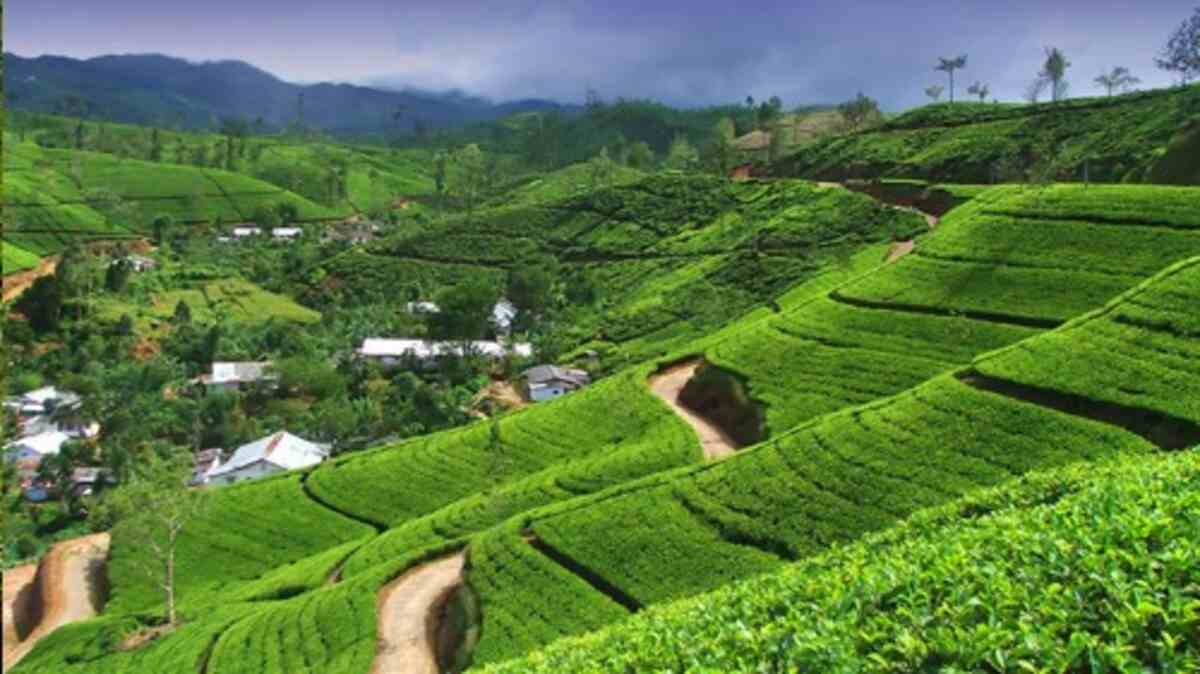
Sri Lanka’s tea landscapes have attracted international visitors for generations, but the Pekoe Trail offers a completely new way to experience the island’s famous highlands. Stretching more than 300 kilometres across the Central Highlands, the Pekoe Trail is divided into 22 stages that pass through tea estates, villages, forests and mountain viewpoints.
Instead of simply observing tea plantations from trains or roadside viewpoints, travellers can walk directly through working estates and rural communities. The trail connects some of the most important landscapes linked with Ceylon tea history. Sections such as Galaha to Loolkandura take visitors through areas associated with the beginning of commercial tea cultivation in Sri Lanka.
Key highlights include:
- Tea estate walking routes
- Historic plantation landscapes
- Rural villages
- Highland viewpoints
- Forest pathways
- Cultural interactions with plantation communities
The trail is designed for flexibility. Travellers can complete individual stages rather than walking the entire route, making it suitable for different fitness levels and travel schedules.
Important sections include:
| Trail Section | Experience |
|---|---|
| Hanthana to Galaha | Tea landscapes and mountain scenery |
| Galaha to Loolkandura | Historic tea heritage route |
| Horton Plains to Udaweriya | Cloud forests and highland views |
| Makulella to Ella | Mountain paths near famous attractions |
The Pekoe Trail reflects the growing popularity of walking holidays, sustainable tourism and slow travel experiences.
Knuckles Mountain Range Reveals Sri Lanka’s Untouched Highland Wilderness
The Knuckles Mountain Range provides one of Sri Lanka’s most dramatic adventure tourism experiences. Located in the central highlands near Kandy and Matale, the region is recognised for its biodiversity, mountain ecosystems and spectacular scenery. The Sri Lanka Tourism Development Authority identifies Knuckles as one of the country’s important natural attractions.
Named because its peaks resemble a closed fist, Knuckles offers landscapes filled with mist-covered mountains, waterfalls, cloud forests, grasslands and remote villages.
The UNESCO World Heritage area contains diverse ecosystems created by changing elevations and climatic conditions. Visitors can experience:
- Mountain trekking routes
- Hidden waterfalls
- Endemic plant and animal species
- Traditional villages
- Panoramic viewpoints
The destination requires careful planning because weather conditions can change quickly. Trails may become difficult during heavy rainfall, and some routes are recommended with experienced local guides. The best trekking periods are generally during clearer months, especially January to March and June to August. During wetter seasons, visitors should prepare for slippery trails and increased leech activity.
Knuckles Travel Overview
| Category | Details |
|---|---|
| Location | Central Highlands |
| Main Attraction | Trekking and biodiversity |
| Best Time | January–March and June–August |
| Access | Kandy and Matale routes |
| Travel Style | Adventure and eco-tourism |
Knuckles represents Sri Lanka’s growing appeal among adventure travellers searching for landscapes beyond conventional sightseeing.
Jaffna Tourism Introduces Northern Sri Lanka’s Distinct Culture Food and Heritage
Jaffna offers travellers an opportunity to experience a completely different cultural identity within Sri Lanka. Located in the Northern Province, the city reflects Tamil traditions, coastal heritage and centuries of regional maritime connections. Unlike southern tourism centres, Jaffna provides a slower and more local experience. Visitors can explore historic landmarks, religious sites, fishing communities and traditional markets.
Major attractions include:
- Jaffna Fort
- Nallur Kandaswamy Kovil
- Coastal villages
- Local markets
- Northern cultural landscapes
Food is one of Jaffna’s strongest tourism attractions. Northern cuisine has a distinctive identity shaped by local ingredients, traditional spice blends and coastal influences.
Popular dishes include:
- Jaffna crab curry
- Seafood preparations
- Dosas
- String hoppers
- Odiyal kool
- Traditional roasted spice-based curries
Jaffna’s cuisine reflects the region’s connection with the sea and agricultural traditions. The city provides visitors with experiences that combine food, history and community-based tourism. Connectivity has also improved, with rail services linking Jaffna with Colombo, allowing travellers to include northern Sri Lanka within wider island itineraries.
Sri Lanka’s Hidden Destinations Strengthen the Future of Experiential Travel
Delft Island, Gal Oya National Park, the Pekoe Trail, Knuckles Mountain Range and Jaffna demonstrate the expanding diversity of Sri Lanka tourism.
Together, these destinations showcase five different travel experiences:
| Destination | Main Experience |
|---|---|
| Delft Island | Remote island heritage and wild landscapes |
| Gal Oya | Boat-based wildlife adventure |
| Pekoe Trail | Tea country hiking |
| Knuckles Mountains | Highland trekking |
| Jaffna | Cultural and culinary exploration |
These destinations allow travellers to experience Sri Lanka beyond traditional holiday routes. They connect visitors with landscapes, wildlife, history and communities while supporting a broader tourism model focused on exploration and sustainability. From northern coral islands to eastern reservoirs and central mountain forests, Sri Lanka’s hidden destinations reveal a country with far more diversity than its famous beaches alone.
The future of Sri Lanka tourism is increasingly shaped by experiences that encourage travellers to slow down, explore deeper and discover the many landscapes and cultures that exist across the island.
Conclusion
Beyond the classic beach and cultural tours of Sri Lanka, the lesser known and off the beaten track places in the country are increasingly attracting travellers. These include wild horses and coral reefs in Delft Island; boat safaris in Gal Oya; walking trails through tea plantations in the Pekoe Trail; Knuckles Mountain Range; and Jaffna’s food. Each of these, and other similar destinations, illustrate the diversity of Sri Lanka. Most globetrotters today want to experience a destination by going off the beaten track, and interacting with nature. Sri Lanka’s little known places allow such interactions and experiences with the lovely people of the country.
The post Sri Lanka’s Delft Island, Gal Oya and More Hidden Destinations Unlock Extraordinary Offbeat Travel Experiences Beyond Beaches appeared first on Travel and Tour World