






Extreme heat safety: How to prepare and stay cool during a heat wave
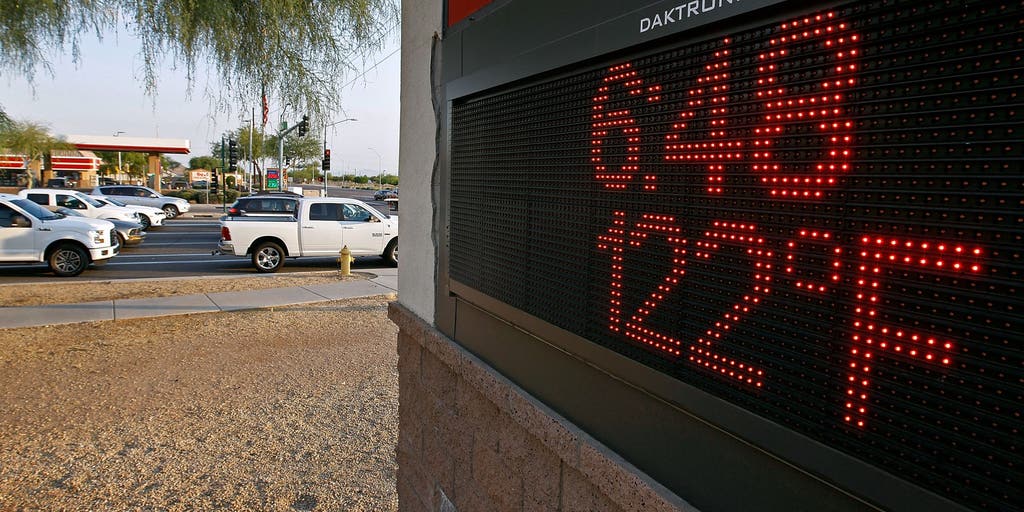


No matter the circumstances, it's important to take heat waves seriously. Walking into a heat wave without proper knowledge of keeping yourself safe can have deadly consequences.
Walking into a heat wave without proper knowledge of keeping yourself safe can have deadly consequences.
A heat wave is a period of abnormally hot weather that lasts for two days or more, according to the National Weather Service. Heat waves can occur with or without high humidity and they can cover a large area.
Staying cool can be challenging when out in the elements during a period of extreme heat.
Here are a few things to keep in mind when it comes to how to prepare yourself for a heat wave.
Keep lots of water and hydrating fluids on hand. Regularly consuming hydrating liquids is one of the best ways to avoid heat illness.
Have sun protection in the form of head coverings and sunscreen at the ready. Wearing sunscreen can protect you from the sun's rays. Head coverings can help avoid sunburn and keep the face and neck cooler.
7 FACTS YOU NEED TO KNOW ABOUT THE UV INDEX TO KEEP YOU SAFE
Make a plan to stay cool. If you need to be outside for a job or activity, is there shade nearby? Is there somewhere with air conditioning to cool down?
Know the signs of heat illness. Heat cramps, heat exhaustion and heat stroke are very serious conditions. If not treated, heat stroke can lead to death.
EXTREME HEAT SAFETY: RECOGNIZING SIGNS OF HEAT ILLNESS AND HOW TO TREAT IT
Check the weather forecasts. Stay up-to-date with the latest forecasts on FOX Weather and the National Weather Service to better understand the impacts of excessive high temperatures.
If you have a medical condition that could be impacted by a prolonged period of heat, talk to your doctor about how to prepare.
Know what to do in case of a power outage. Have a plan if the power goes out. Keep a cooler and ice at the ready for any refrigerated medications and necessary food and water.
Keep windows closed and covered to keep the home cool during a period of extreme heat. As tempting as it can be to open the blinds and windows during a hot, sunny day, it can drastically increase the temperature inside a home.
Try to limit using the oven during a heat wave to reduce the temperature inside the home. Ovens can also raise the temperature.
Use air conditioning as much as possible. The National Weather Service said electric fans only work if the temperature is lower than the 90s.
Drink plenty of water. Dehydration during extreme heat is very dangerous. Stay hydrated by drinking water and electrolyte drinks to help replace the water and minerals lost while sweating, the American Red Cross said. Avoid sugary, caffeinated and alcoholic drinks.
TOP DANGERS TO WATCH OUT FOR AT THE BEACH THIS SUMMER
Wear loose, lightweight, light-colored clothing. Light clothing doesn't absorb sunlight as easily as dark colors do. Lightweight, breathable materials like linen, cotton and muslin are all great for hot temperatures.
Avoid high-energy activities during the day. Exercise indoors or before the sun comes up or wait until after it goes down to consider an outdoor workout.
Keep a close eye on your pets. Dogs and cats can overheat easily. Make sure you avoid long periods of outdoor exposure without shade or water and try to avoid asphalt and dark-colored pavement, so their paws don't burn.
HOW TO KEEP YOUR PETS SAFE AND HEALTHY AS TEMPERATURES RISE
Never leave anyone or any pet inside a hot car. Even with a window open, a vehicle's interior temperature can rise very quickly. In 2024, 39 children died from heat stroke after being left in a hot car, according to the National Highway Traffic Safety Administration.
Take cool showers or baths to help cool down.
Heat cramps, heat exhaustion and heat stroke should always be taken seriously. Know the signs and symptoms and seek medical attention if experiencing them.
No matter the circumstances, it's important to take heat waves seriously. Though they may be short-lived sometimes, heat waves can also last for several days, sometimes up to a week.
For more safety tips and resources, visit heat.gov.
The post Extreme heat safety: How to prepare and stay cool during a heat wave appeared first on Fox Weather