






East Coast Rail Link Enhances Malaysia’s Tourism with New Electric Trains
-
Travel
-
-
4 mins
-
Travel and Tour World
-
Abhirup Gan
-


CRRC completes production of electric multiple units and locomotives for Malaysia’s East Coast Rail Link, enhancing travel and tourism across the country.
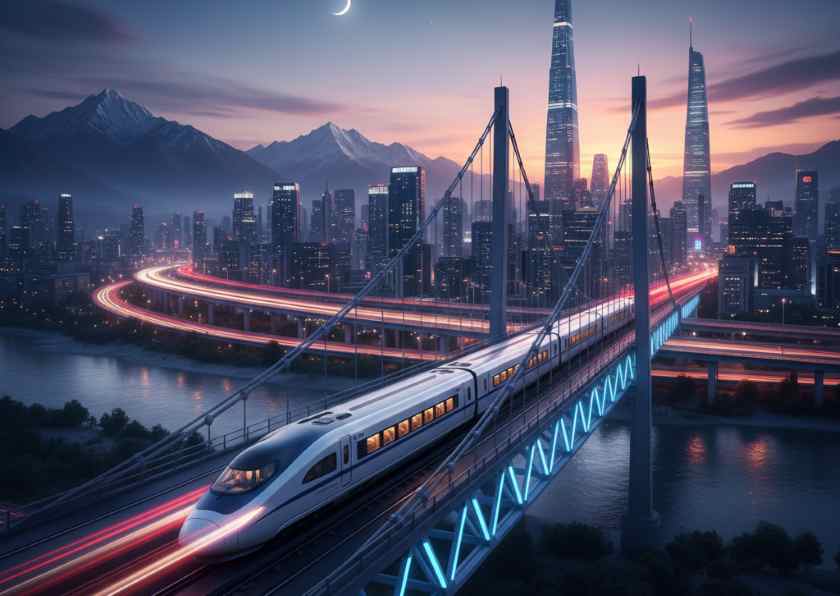
On November 18, CRRC Dalian completed the manufacturing of the electric multiple units (EMU) and electric locomotives that have been contracted for the East Coast Rail Link (ECRL) project in Malaysia. This is an important accomplishment as it facilitates the further advancement of the country’s long-distance rail network and improves the connectivity of the country’s east and west coasts. The ECRL project is historically the first of its kind in the country and is an important development for the growing Malaysian tourism economy, as it improves accessibility and travel convenience to various tourism destinations across the country.
Malaysia will benefit from the completed EMUs and electric locomotives as they will transform the country’s transportation system and facilitate the movement of international and domestic tourists. The ECRL will create a transport corridor that integrates the country, improves the accessibility of the tourism market, and promotes the economy. The project is characterized by its efficiency and will positively affect the communities near its location to promote tourism.
Strengthening the Linkages Between the East and West Coasts of Malaysia
The East Coast Rail Link is one of Malaysisa’s most ambitious rail infrastructure projekcts, aimed at improving travel times and accessibilty to the county’s major cities and tourism destinations located on the east and west coast of the country. This line is expected to link the country’s capital, Kuala Lumpur, to the country’s major coastal towns of Kuantan, Kota Bharu, as well as other towns located on the eastern seaboard. The newly completed trains for this route will greatly enhance the travel ease and overall sevice delivery to local commuters and tourists.
The newly introduced EMUs and electric locomotives will improve the comfort of, and the quality of the service delivered to the passengers on the east – west coast corridor, as they will enhance the espoused comfort of the journeys done at this route. Enhanced facilities, including improved spacious seating, fully equipped air conditioned train coaches and modern onboard revolving will enhance the comfort of long distance travel and improve encourage travel for tourism purpose.
The train link will enhance tourists’ ability to visit a variety of cultural and historical sites sprinkled across both coastlines of Malaysia. Coastal cities such as Kuantan are home to captivating beaches and a multitude of cultural activities. Eastern towns such as Kota Bharu are rich in authentic traditions and unsung historical sites. A modern and operational rail system will enable visitors to enhance their experience in various vantage points around Malaysia.
Potential Growth of Tourism as a Result of the Completion of the ECRL Project.
The completion of the EMUs and electric locomotives will likely enhance the tourism sector in Malaysia, more so for tourists whose intention is to visit the West and East Coasts of Malaysia. The East coast of the country is known for its aesthetic beaches, diverse nature, and cultural heritage; however, it is more difficult to access than the West Coast which is more developed and receives a larger number of tourists.
By connecting major urban centres and eastern tourist attractions with Kuala Lumpur and other western cities, the ECRL project is likely to increase the number of tourists to the eastern regions of the country. Currently, the eastern regions of the country are not easily accessible to tourists, yet because of the eastern regions’ natural beauty, including idyllic beaches, stunning rainforests, and historic sites, they are worthy of exploration.
The ECRL project further assists the marketing of Malaysia’s tourist attractions, and is bound to encourage tourists to contemplate and include the scenic and peaceful east coastal destinations along with the major tourist attractions, including Kuala Lumpur and Penang. The new rail service is likely to facilitate longer staying and more profound exploration of a greater number of East Coast destinations.
In addition to the socio-economic benefits of the ECRL project, there are also remarkable environmental benefits. In light of the fact that one of the primary goals of the ECRL project is to mitigate air and roadway congestion, the ECRL trains will provide an efficient and seamless alternative to air and roadway travel, and will lower traffic congestion and decrease carbon emissions to promote an eco-friendly alternative to transport service. Electric-powered trains are also a greener alternative than buses and personal vehicles and will assist in promoting sustainable tourism in Malaysia.
Moreover, the ECRL will help fulfill Malaysia’s eco-sustainability goals by further reducing the environmental impact of tourism as a result of the introduction of new, modern, and electric-powered trains. The new train service will also allow tourists and residents to better appreciate the intact natural environment and wildlife that Malaysia is known for by reducing the environmental impact on the eco-sustainable environment within the country.
One of the social benefits of the ECRL project is the impact on local communities along the ECRL rail route. In addition to supporting local communities, the ECRL Project also supports and enhances tourism. Increased and improved tourism and community business opportunities make smaller towns and villages more conducive to the community and economically sustainable. This also enhances the connectivity of smaller communities and the towns and villages on the rail route. The smaller surrounding communities will receive the primary economic benefits as a result of the increased tourism that is created. New jobs will also be created in the economic areas of hospitality, retail, and transport, enhancing the service areas of the community.
Aside from the projected economic impact of the rail link, other benefits include the improvement of trade and transport efficiency, and the resultant positive impact of added efficiency on performance of the agriculture, manufacturing, and retail sectors. The economic development of Morel Areas, the previously less explored enlisted touristic sites, will roughly derive from the flow of users to the local eateries, lodging, and retail outlets.
The Future of Travel in Malaysia
With the completion of the retrofitted EMUs and electric locomotives, a new chapter has begun in rail travel within Malaysia. The East Coast Rail Link will most likely change the landscape of the received and provided tourism, travel, and transport within the country.
With the rail link expected to be operational, tourists will receive the expected to be seamless travel and explore Malaysia. The ECRL project will change the landscape of tourism development in the country, and impact positively on travel within and tourism to the Morel Areas.
The post East Coast Rail Link Enhances Malaysia’s Tourism with New Electric Trains appeared first on Travel and Tour World