
















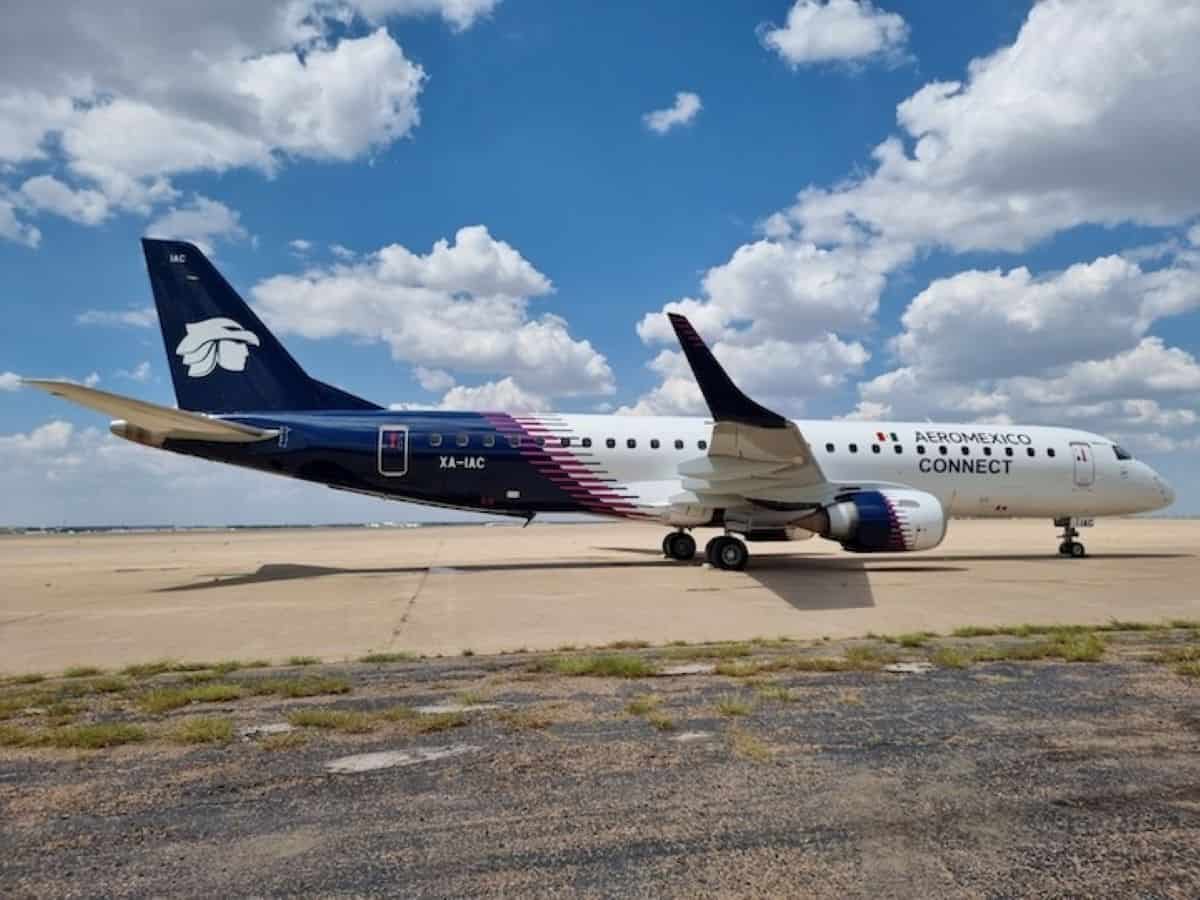
Aeromexico Targets New US Routes as Mexico’s Aviation Breakthrough Opens Tourism Opportunities
-
Travel, Currency
-
-
9 mins
-
Travel and Tour World
-
Ankita Neogi Khan
-


Aeromexico US routes could expand in 2027 as Mexico City flight restrictions ease, creating fresh opportunities for travellers.
Aeromexico is preparing to announce new US flight routes from Mexico City as early as next week, following Washington’s decision to lift restrictions on Mexican airlines. Chief executive Andres Conesa said on 20 October that the carrier was assessing several American destinations, with initial services potentially launching in early 2027. The development could strengthen transborder connectivity, widen travel choices and support tourism between Mexico and the United States. However, the airline has not confirmed its destination list, departure dates or ticket prices. Airport slots and regulatory approvals remain essential before services can begin. A further expansion could follow around mid-2027, while Puerto Rico and Venezuela remain separate elements of its developing network plans.
New US Destinations Move Closer to Announcement
Aeromexico is accelerating its network planning after a significant shift in US aviation policy. The Mexican flag carrier expects to disclose an initial group of destinations as early as the week beginning 26 October 2026. Nevertheless, travellers should distinguish between a proposed route and a confirmed flight available for booking.
Conesa outlined the plans while speaking to journalists at the Latin American and Caribbean Air Transport Association conference in Mexico City. He said the airline was evaluating several US destinations but would wait for the necessary permits and airport slots before identifying them publicly.
The proposed expansion follows the US Department of Transportation’s decision on 16 October to remove restrictions on new Mexican airline services from two Mexico City airports. The decision restores opportunities that had been constrained by a prolonged dispute over bilateral aviation arrangements.
For international travellers, the immediate significance is greater potential connectivity rather than an instant increase in available flights. Aeromexico must still complete operational planning and secure the approvals required for each proposed service. The airline has indicated that its first expansion package could enter operation early next year, with another group potentially following around the middle of 2027.
The announcement also arrives amid pressure on airline operating costs. Higher jet fuel prices have pushed carriers to raise fares, potentially limiting the savings passengers might otherwise expect from increased competition.
What the Policy Change Means for Travellers
The US decision removes a major obstacle to Mexican airlines seeking to develop services from Mexico City’s two principal airports. It does not automatically guarantee approval for every proposed route or frequency.
The airports involved serve different operational roles within the capital’s aviation network. Benito Juarez International Airport (MEX), commonly known as Mexico City International Airport, is the established central gateway. Felipe Angeles International Airport (NLU), also known as AIFA, provides an alternative gateway north of the capital.
For travellers, the distinction matters when comparing journey times, accommodation locations and onward transport. A flight from either airport may serve Mexico City, but ground-transfer arrangements can differ considerably depending on where passengers stay.
The policy change could eventually give Aeromexico more flexibility to match demand with airport capacity. It could also create additional opportunities for business travel, visiting friends and relatives, leisure holidays and connecting itineraries.
However, the regulatory development should not be mistaken for unrestricted access to the US market. Mexican carriers remain subject to applicable filing requirements and operational approvals. The wider aviation dispute has also involved cargo operations and other regulatory measures, so the removal of selected restrictions does not resolve every outstanding issue.
Mexico’s Tourism Market Strengthens the Case for Expansion
The proposed network growth comes as Mexico continues to attract substantial international visitor numbers. Official figures from Mexico’s tourism ministry show that the country received 20.6 million international tourists arriving by air in 2025. That represented an increase of 100,000 visitors compared with 2024 and growth of 11.6% against 2019.
The United States remained Mexico’s largest source market for air-arriving international tourists. Approximately 13.7 million US tourists visited Mexico in 2025, according to the ministry. Canada contributed another 2.8 million, recording annual growth of 11%.
These figures demonstrate the importance of reliable cross-border air links to Mexico’s tourism economy. Additional flights could give travellers more departure options, improve scheduling flexibility and support journeys involving Mexico City.
The wider aviation market also provides useful context. Mexico’s scheduled domestic and international air services carried 122.4 million passengers in 2025, up 2.4% from the previous year. International services accounted for 58.9 million passengers, while domestic flights carried 63.5 million.
The figures indicate a substantial existing passenger market rather than demand that depends entirely on new routes. Even so, passenger totals alone cannot establish which US cities Aeromexico will select or how profitable individual services might become.
For tourism businesses, the potential benefits extend beyond airline ticket sales. Better connectivity can make Mexican destinations more accessible to American visitors, while improving options for US residents travelling to Mexico for holidays, cultural experiences and family visits.
Hotels, tour operators, destination-management companies and airport-transfer providers could benefit if additional services stimulate incremental travel. Nevertheless, those gains will depend on actual flight frequencies, fares, seasonal demand and the destinations eventually selected.
Key Dates and Developments at a Glance
The following table separates confirmed policy developments from Aeromexico’s forward-looking plans. This distinction is particularly important for travellers making bookings before the airline publishes its new schedule.
| Development | Timing | Significance for travellers |
|---|---|---|
| US restrictions lifted | 16 October 2026 | Mexican airlines regained opportunities to propose additional services from Mexico City’s two airports. |
| Initial route announcement expected | Week beginning 26 October 2026 | Aeromexico may identify its first group of US destinations. |
| First expansion phase | Early 2027 | Proposed services could begin operating, subject to approvals and operational readiness. |
| Caracas service resumption | First quarter of 2027 | Aeromexico now expects to resume flights to the Venezuelan capital later than previously planned. |
| Possible second expansion phase | Around mid-2027 | Additional US services could follow the initial rollout. |
| Potential San Juan return | Second half of 2027 | The Puerto Rico service remains a prospective development rather than a confirmed launch. |
Dates reflect announcements and expectations reported as of 21 October 2026. Proposed services may change.
The timeline highlights why travellers should wait for published schedules before making non-refundable arrangements around an unannounced route. An announcement may identify destinations without immediately opening every flight for sale.
Mexico City Airports Shape the Travel Experience
Airport choice will be a central consideration if Aeromexico expands services from both Mexico City gateways. The location of the departure airport can influence transfer costs, journey duration and the practicality of connecting flights.
Benito Juarez International Airport sits within the established urban area and serves as the capital’s principal commercial aviation gateway. AIFA is situated in Zumpango, north of the metropolitan centre. Travellers should therefore compare the complete door-to-door journey, not simply the airfare.
| Consideration | Benito Juarez International Airport (MEX) | Felipe Angeles International Airport (NLU) |
|---|---|---|
| Location | Within the established urban area of Mexico City | North of the capital, in Zumpango |
| Main planning consideration | Urban traffic and terminal access | Longer ground transfers for many central-city stays |
| Connecting itineraries | Check terminal arrangements and minimum connection times | Verify transfer arrangements between the airport and onward destinations |
| Accommodation planning | Consider the hotel location and expected road congestion | Check hotel transfers and the additional time needed to reach the city |
| Before booking | Confirm the airport code and terminal | Confirm the airport code, transport options and transfer costs |
The table describes general planning considerations rather than a guarantee of journey times. Traffic, transport availability, hotel location and departure schedules can change the practical difference between the airports.
International passengers connecting through Mexico City should also verify whether their itinerary uses a single ticket. Separate tickets can create additional risks if a delayed first flight causes a missed onward departure.
Where an itinerary involves different airports, travellers should allow sufficient time for ground transfers and confirm baggage arrangements with their airline. A lower fare may not represent the best value once transport, overnight accommodation and missed-connection risks enter the calculation.
Aviation Dispute Reaches a Turning Point
The latest decision follows several years of tension over aviation policy between Mexico and the United States. The dispute has concerned airport capacity, access to landing slots and compliance with the countries’ bilateral air transport arrangements.
In 2025, Washington imposed measures affecting Mexican carriers after raising concerns about Mexico’s treatment of US airline operations at Benito Juarez International Airport. The measures included restrictions on certain routes and requirements governing flight schedules and charter operations.
Mexico subsequently worked towards addressing US concerns. On 16 October 2026, the Mexican government announced that Washington had revoked the restrictions preventing Mexican airlines from opening new services from Benito Juarez and Felipe Angeles airports.
The development represents a meaningful change in market access. However, it should not be confused with the separate question of aviation safety oversight.
In May 2021, the US Federal Aviation Administration downgraded Mexico’s aviation safety rating from Category 1 to Category 2. The downgrade prevented Mexican carriers from introducing new US services under that safety assessment framework. The FAA restored Mexico to Category 1 in September 2023 after more than two years of corrective work.
The two episodes concern different regulatory issues. The FAA’s Category 1 rating addresses the ability of a country’s aviation authority to meet international safety oversight standards. The more recent dispute centred on bilateral market access and operational restrictions.
For travellers, the distinction is important. The latest policy change opens opportunities for network growth, but individual routes still require the necessary permissions, slots and operational arrangements.
Fuel Prices Could Temper Fare Competition
More routes do not automatically translate into cheaper tickets. Aeromexico is pursuing expansion while airlines face higher jet fuel costs, which can place pressure on operating margins and ticket prices.
Fuel is a major variable in airline economics. Its effect depends on aircraft type, route length, passenger demand, currency movements, hedging arrangements and the airline’s ability to pass additional costs to customers.
Additional services could improve competition on selected city pairs, particularly where travellers currently have limited nonstop choices. However, fares will depend on the balance between available seats and demand, rather than route numbers alone.
The commercial implications also extend to travel agents and corporate travel managers. More nonstop services could reduce the need for inconvenient connections and create alternative scheduling options. Conversely, new flights operating at limited frequencies might not offer the flexibility of established routes.
For tourism businesses, the most useful indicators will be launch dates, weekly frequencies, aircraft capacity and introductory fares. These details will help determine whether the expansion creates genuinely new travel opportunities or primarily redistributes passengers across existing services.
Aeromexico’s plans also face the challenge of balancing growth with profitability. A measured rollout would allow the carrier to assess demand before committing further capacity. Nevertheless, elevated fuel costs could constrain how aggressively airlines compete on price.
Puerto Rico and Venezuela Remain Separate Plans
Aeromexico’s broader network strategy includes developments beyond the mainland United States. Conesa identified San Juan, Puerto Rico, as a route that could return, although the airline expects that service more likely during the second half of 2027.
The timing reflects the airline’s consideration of the cruise season. San Juan serves as an important Caribbean cruise gateway, giving air connectivity potential relevance for passengers combining flights with cruise departures or post-cruise stays.
However, travellers should not interpret the comments as a confirmed reinstatement. Aeromexico has not provided a definitive launch date, flight schedule or booking timetable for the prospective service.
The airline also expects to resume flights to Caracas during the first quarter of 2027. That represents a later timetable than previously planned, following disruption to its return preparations.
Both developments illustrate the complexity of airline network planning. Regulatory permissions, airport capacity, demand patterns and operational conditions can influence launch dates even when a carrier intends to restore a service.
For travellers planning Caribbean or Venezuelan itineraries, the practical approach is to monitor official airline announcements and avoid relying on tentative dates when arranging connecting transport or accommodation.
Practical Advice Before Booking New Flights
Travellers considering future trips between Mexico and the United States should focus on confirmed schedules rather than anticipated destinations. Until Aeromexico publishes its route announcements, specific cities, departure times, fares and service frequencies remain unconfirmed.
Once bookings become available, compare the full itinerary rather than the headline ticket price. Ground transport, baggage allowances, seat selection, connection times and change fees can materially affect the total cost.
Passengers travelling through Mexico City should also check their airport carefully. Benito Juarez and Felipe Angeles are separate facilities, so a booking involving either airport requires appropriate ground-transfer planning.
International travellers should verify passport validity, entry requirements and any transit documentation relevant to their nationality and itinerary. Visa and admission rules depend on individual circumstances, not simply the airline or departure airport.
The following official resources can help passengers verify developments and prepare their journeys.
| Resource | What travellers can check |
|---|---|
| Aeromexico Official Website | Published routes, booking availability, fares and schedule changes |
| Mexico City International Airport | Airport information, terminal details and operational announcements |
| US Department of Transportation | Official US aviation policy announcements and regulatory information |
| US Federal Aviation Administration | Aviation safety oversight and relevant regulatory updates |
| Mexico Tourism Ministry | Official tourism statistics and sector announcements |
The resources above provide a starting point for checking confirmed information. Passengers should also consult their airline directly before departure, especially if their itinerary depends on a recently introduced service.
A New Phase for Cross-Border Air Travel
Aeromexico’s expected announcement marks a potentially important stage in the restoration of its growth opportunities in the US market. The lifting of selected restrictions creates room for new services from Mexico City’s two principal airports, while the airline prepares its initial expansion package. Nevertheless, the eventual benefits will depend on confirmed routes, airport slots, operating approvals and commercial demand. Mexico’s substantial international tourism market provides a strong reason to watch the developments closely. For travellers, the immediate priority is to distinguish prospective services from bookable flights. If Aeromexico introduces competitive schedules and fares, the expansion could improve connectivity and broaden travel options during 2027.
The post Aeromexico Targets New US Routes as Mexico’s Aviation Breakthrough Opens Tourism Opportunities appeared first on Travel and Tour World




































































