
















US and Canada Cruise Travel Gains Powerful Momentum as Great Lakes Tourism Reaches 310 Million Dollar
-
Travel, Entertainment, Culture
-
-
5 mins
-
Travel and Tour World
-
Sneha Banerjee
-


Michigan travel gains momentum as Great Lakes cruise generate $310 million and Ludington explores new docks.
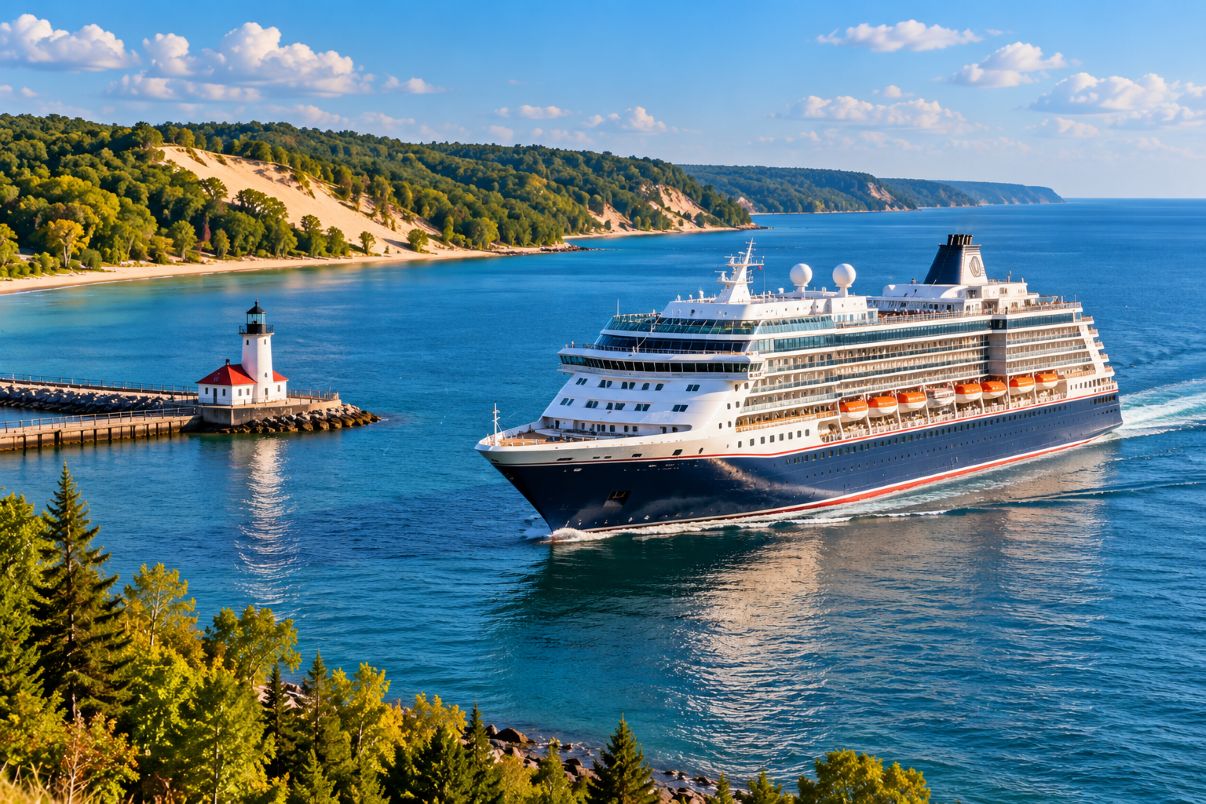
Michigan, United States, is emerging as a significant focus of Great Lakes cruise tourism after the industry reported more than US$310 million in regional economic impact during 2026. The announcement comes as Ludington explores opportunities to welcome cruise ships, potentially creating new business for local attractions, restaurants and waterfront services. Across the United States and Canada, the season attracted more than 25,000 individual passengers and generated over 880 port calls. Detroit, Buffalo and Milwaukee are also strengthening their cruise infrastructure. However, Ludington has not confirmed a docking schedule or approved a new terminal, making its proposed expansion an opportunity rather than an established tourism service.
Michigan Travel Gains Attention as Great Lakes Cruise Industry Reports Record Economic Impact
Great Lakes cruising generated more than US$310 million in regional economic impact during the 2026 season, according to Cruise the Great Lakes.
The organisation announced the figures in Detroit on 22 October.
The reported economic contribution increased approximately 25 per cent compared with 2025.
More than 25,000 individual passengers travelled aboard regional cruise vessels, representing annual growth of around five per cent.
Cruise operators made over 880 port calls, while passenger visits across the region approached 180,000.
These figures highlight growing demand for small-ship holidays.
However, the economic impact estimate includes wider regional effects and does not represent direct passenger spending alone.
Great Lakes Cruise Demand Exceeds Industry Forecasts for 2026
The 2026 season exceeded several earlier industry projections.
Cruise the Great Lakes had forecast approximately US$300 million in regional economic impact, 23,000 passengers and 800 port calls.
Actual reported results surpassed those expectations.
Industry representatives also indicated that almost 95 per cent of available cruise itineraries had sold out.
Seven cruise operators deployed ten vessels across the region.
These results suggest strong interest in scenic waterways, cultural attractions and smaller cruise experiences.
However, high itinerary sales do not establish equal economic benefits for every destination.
Individual ports experienced different levels of passenger activity and local spending.
Ludington Explores Cruise Docking Opportunities to Strengthen Lake Michigan Tourism
Ludington is examining whether its waterfront infrastructure could accommodate visiting cruise vessels.
The Michigan community already attracts tourists through beaches, maritime attractions and outdoor recreation.
Cruise ship arrivals could eventually introduce new visitors to local restaurants, shops and museums.
However, Ludington has not announced confirmed cruise schedules.
It has also not approved construction of a dedicated cruise terminal.
Current discussions focus on evaluating docking options and potential commercial partnerships.
Future services would depend on vessel requirements, waterfront facilities and regulatory approvals.
For travellers, Ludington remains an established leisure destination, but it should not yet be promoted as a confirmed cruise port.
Detroit Cruise Tourism Expands with Approximately 70 Ship Visits
Detroit strengthened its position within the Great Lakes cruise network during 2026.
The city hosted the industry’s October announcement at the Detroit/Wayne County Port Authority.
The event took place near the docked 130-passenger American Patriot.
Detroit reported approximately 70 cruise ship visits during the season.
The port now manages three docking locations to accommodate increasing activity.
Cruise passengers can explore the Detroit Riverwalk, cultural attractions and historic neighbourhoods.
The Detroit Institute of Arts also offers opportunities for organised sightseeing.
However, the economic contribution of each port call depends on passenger spending and excursion participation.
Buffalo, Milwaukee and Erie Prepare for New Cruise Tourism Opportunities
Several Great Lakes destinations are pursuing new waterfront infrastructure and commercial opportunities.
Buffalo welcomed renewed cruise activity in 2026, including visits by American Cruise Lines’ American Patriot.
The city is exploring improved facilities at its Outer Harbor.
Milwaukee is approaching completion of its South Shore Dock, with opening expected in May 2027.
Erie, Pennsylvania, has announced plans to receive Victory Cruise Lines vessels beginning in 2028.
Rochester also welcomed cruise activity following a seven-year absence.
These developments demonstrate growing interest in regional cruise tourism.
However, future services remain subject to construction progress, operator commitments and regulatory approvals.
Toronto Explores New Cruise Terminal as US–Canada Tourism Connections Strengthen
Toronto is examining the feasibility of developing a cruise terminal within its central business district.
The initiative reflects growing interest in Great Lakes and St Lawrence cruise itineraries.
Toronto offers waterfront attractions, museums, cultural neighbourhoods and urban entertainment.
Improved cruise facilities could eventually support international passenger arrivals and local businesses.
However, a feasibility study does not represent an approved construction project.
Cruise passengers travelling between the United States and Canada must also consider immigration requirements.
Visitors should confirm passport validity, visa eligibility and other applicable entry conditions.
The region’s international geography makes accurate travel documentation particularly important.
Seven Cruise Lines Strengthen Great Lakes Holiday Options
The 2026 season featured American Cruise Lines, Pearl Seas Cruises, Viking, Victory Cruise Lines, Ponant, Hapag-Lloyd and St Lawrence Cruise Lines.
Together, the seven operators deployed ten vessels across the region.
Great Lakes cruising generally focuses on smaller ships, cultural excursions and historic waterfront communities.
Michigan’s official tourism information identifies regional itineraries commonly lasting seven to fourteen nights.
Cruise departures generally operate between April and October, depending on the operator.
However, routes, prices and included excursions vary.
Travellers should compare accommodation, dining, shore activities and cancellation conditions.
Some itineraries also cross international borders, requiring additional travel documentation.
Ludington State Park Offers Spectacular Lake Michigan Travel Experiences
Ludington’s established attractions could complement future cruise tourism.
Ludington State Park lies between Hamlin Lake and Lake Michigan.
According to the Michigan Department of Natural Resources, the park features approximately seven miles of sandy Lake Michigan shoreline.
It also offers 21 miles of marked trails, campgrounds and the historic Big Sable Point Lighthouse.
Visitors can enjoy hiking, paddling, fishing and lakeside recreation.
However, the Skyline Trail is closed for reconstruction, with work scheduled through mid-2027.
Travellers should verify park access before departure.
Downtown Ludington also offers restaurants, shopping and maritime heritage experiences.
These attractions remain available independently of future cruise docking plans.
SS Badger Ferry Connects Michigan and Wisconsin Across Lake Michigan
Ludington already has an established maritime connection through the historic SS Badger ferry.
The vessel operates between Ludington, Michigan, and Manitowoc, Wisconsin.
It carries passengers and vehicles across Lake Michigan during its seasonal operating period.
According to official Manitowoc visitor information, the 2026 season ran from 15 May to 11 October.
The vessel can accommodate up to 600 passengers and 150 vehicles.
The ferry provides a distinctive travel experience for visitors exploring both states.
However, it operates separately from proposed cruise ship docking opportunities.
Travellers should check the operator’s latest timetable before planning a crossing.
Seasonal operating dates may change between years.
Great Lakes Cruise Growth Could Strengthen Local Tourism Businesses
The cruise industry’s expansion creates opportunities for waterfront communities.
Restaurants, museums, transport companies, shops and excursion providers may benefit from passenger spending during port visits.
Cruise the Great Lakes attributes its growing economic contribution to additional passengers, more port calls and increased shoreside activity.
However, the US$310 million regional figure should not be interpreted as direct revenue for every participating destination.
Individual benefits depend on passenger numbers, excursion participation and local tourism infrastructure.
Ludington could eventually benefit if commercial cruise operations begin.
The organisation plans to release its next annual forecast during an April 2027 meeting in Ann Arbor, Michigan.
Conclusion: Michigan Cruise Tourism Opens New Opportunities Across the Great Lakes
Michigan’s growing role in Great Lakes cruising highlights the potential of waterfront tourism across the United States and Canada. The industry’s record US$310 million economic impact, more than 25,000 passengers and over 880 port calls demonstrate increasing interest in regional holidays. Detroit is expanding its cruise operations, while Buffalo, Milwaukee and Erie pursue new opportunities. Ludington’s exploration of docking facilities could eventually attract visitors to its beaches, maritime heritage and local businesses. However, no cruise schedule has been confirmed for the community. Future growth will depend on infrastructure investment, commercial partnerships and responsible destination development.
The post US and Canada Cruise Travel Gains Powerful Momentum as Great Lakes Tourism Reaches 310 Million Dollar appeared first on Travel and Tour World




































































