
















Türkiye Transforms Its Coastal Luxury Travel Identity With Stunning New Five-Star Retreats Across İzmir And Trabzon, Here’s The Latest Update
-
Travel, Health, Food, Entertainment, Culture, Weather
-
-
9 mins
-
Travel and Tour World
-
Upasana Chatterjee
-


Discover how Türkiye is supercharging luxury tourism with new coastal retreats, five-star developments, and high-yield travel experiences across 5 iconic cities.
There is a magic in the way Türkiye takes your heart. It is not about beautiful sunsets or old history anymore. It is about the strong exciting feeling of waking up in a secret place by the coast where old culture joins perfect fancy comfort. From the hillsides of İzmir covered in vines to the foggy dreamy mountains of Trabzon the country is changing how people feel about luxury. It is a call to slow down take a breath and give in to lasting beauty. Türkiye is not just drawing visitors from over the world; it is touching hearts, one amazing trip, at a time.
Is Türkiye Supercharging Luxury Tourism with Five-Star Coastal Retreats in İzmir and Trabzon?
Is Türkiye successfully transforming its global travel identity from a volume-heavy destination into a high-yield luxury sanctuary? Official state statistics from the Presidency of the Republic of Türkiye Investment Office, the Ministry of Culture and Tourism, and the Türkiye Tourism Promotion and Development Agency (TGA) confirm a historic surge. National tourism receipts reached $56.3 billion as total international visitor arrivals hit 60.6 million.
Across the nation, over 21,900 accommodation establishments now offer more than 1,019,000 certified rooms. Average per-visitor spending climbed to $972, reflecting a shift toward five-star developments, eco-retreats, and marina hubs. This boom relies on broadening luxury assets beyond familiar hotspots to high-potential regions like İzmir and Trabzon, supported by state incentives such as tax relief and discounted utility rates. Developers are constructing low-density, high-ARDR coastal resorts that target high-net-worth individuals, wellness travelers, and yachting enthusiasts.
How Is İzmir Driving Aegean Riviera Luxury Across Çeşme, Alaçatı, and Urla?
How is the ancient coastal province of İzmir reshaping upscale Mediterranean-style living along the Aegean Sea? Positioned by tourism authorities as Türkiye’s premier sustainable lifestyle destination, İzmir links heritage, high-end gastronomy, and maritime infrastructure. Flight connectivity through İzmir Adnan Menderes Airport brings European and domestic high-net-worth travelers directly to its coastal peninsulas. İzmir offers an alternative to crowded party towns by focusing on boutique five-star wellness resorts, private estates, and luxury yacht moorings. The peninsulas of Çeşme and Alaçatı serve as anchors for master-planned coastal developments, restored stone-mansion retreats, and deep-water marinas.
Meanwhile, the coastal belt of Urla has evolved into a private vineyard and culinary sanctuary, featuring Michelin-recognized dining hubs embedded in organic farmland. State master planning prioritizes strict low-density zoning, water conservation, and renewable energy integration for all new hotel concessions. This strategy ensures that İzmir builds a refined, sustainable Aegean retreat network. Modern luxury travelers can experience seamless journeys through exceptional regional connectivity and bespoke coastal hospitality services.
Why Is Trabzon Becoming the Premier Black Sea Hub for Nature-Luxe Retreats?
Why is the northern province of Trabzon capturing the attention of high-spending international families and eco-tourists? Unlike the Mediterranean resort model, Trabzon serves as the anchor for Türkiye’s Black Sea nature-luxe ecosystem. Driven by direct international flights into Trabzon International Airport, the city attracts travelers from Gulf Cooperation Council nations seeking cooler summer climates, mountain landscapes, and coastal seclusion. Trabzon merges its coastline with high-altitude alpine valley escapes. International hotel brands operate alongside regional five-star properties such as Panagia Premier and Zorlu Grand. Luxury coastal hotels along the Black Sea line connect with private chalet and bungalow-style retreats in highland corridors like Uzungöl and the Huser Plateau. State planning focuses on upgrading airport capacity, creating coastal promenade developments, and building wellness facilities that utilize natural spring waters and highland air. Visitors enjoy pristine natural surroundings paired with world-class hospitality infrastructure.
What Makes Istanbul the Pinnacle of Bosphorus Waterfront Opulence and Heritage?
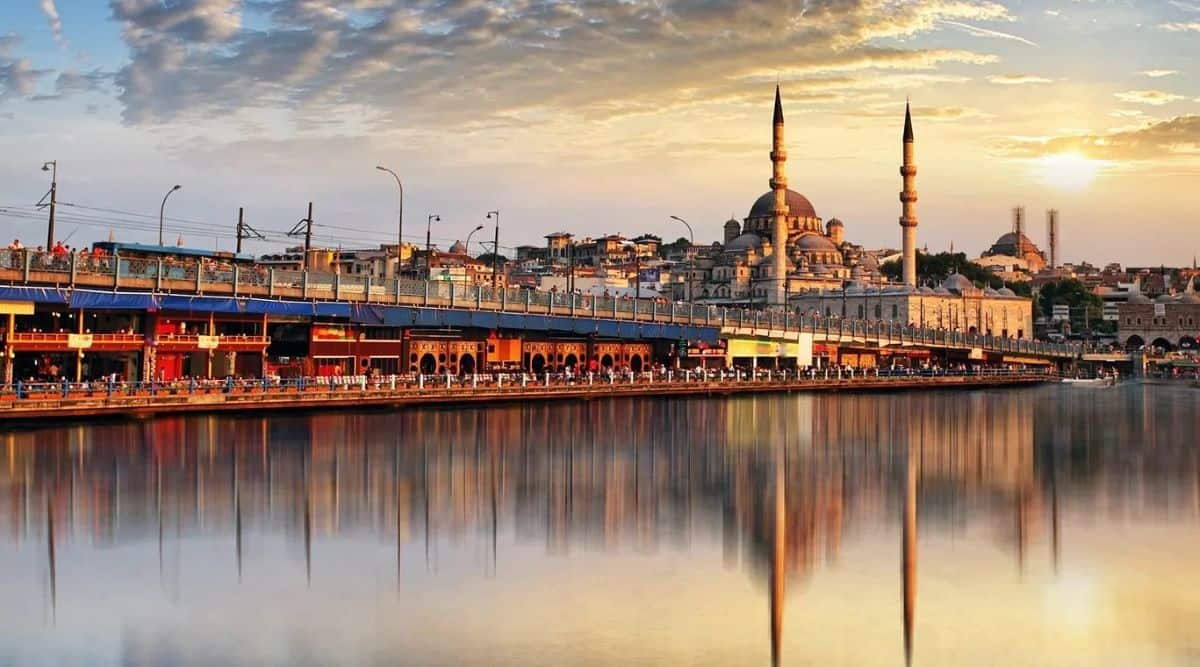
What keeps Istanbul at the center of Türkiye’s global luxury ecosystem year after year? As Türkiye’s primary economic and cultural capital, Istanbul bridges Europe and Asia with historic waterfront palaces, high-end shopping districts, and Michelin-starred dining. Visitors arriving via Istanbul Airport or Sabiha Gökçen Airport access Bosphorus-facing five-star estates, including Çırağan Palace Kempinski, Four Seasons Bosphorus, and The Peninsula Istanbul. These properties set standard-setting Average Daily Rates across the region.
Luxury development in Istanbul extends beyond hotels to private Bosphorus yacht charters, exclusive museum viewings, and high-end retail hubs like Nişantaşı and Zorlu Center. Strategic investments in port infrastructure, such as the Galataport cruise terminal, enable superyachts and luxury liners to dock in the city center. By combining Byzantine and Ottoman history with modern service, Istanbul remains a focal point for international high-yield travel. The metropolis continuously redefines urban opulence through unmatched historical resonance.
How Does Bodrum Maintain Its Status as the Superyacht Haven of the Turkish Riviera?
How does Bodrum sustain its reputation as the jet-set capital of the southwestern Turquoise Coast? Known for its whitewashed architecture and secluded coves, Bodrum attracts global leaders, celebrities, and maritime travelers. High-net-worth visitors arrive through Milas-Bodrum Airport or by private vessel into deep-water facilities like Yalıkavak Marina, which accommodates large superyachts.
The peninsula features top-tier luxury resorts, including Mandarin Oriental, The Bodrum Edition, Amanruya, and Maxx Royal Bodrum. Investment in Bodrum focuses on low-rise, eco-conscious private villas, cliffside suites, and private beach clubs. Fine-dining concepts, holistic spas, and private gulet charters keep visitor spending high. Local planning regulations enforce strict architectural height limits to preserve the natural coastline while integrating solar power and zero-waste systems into new five-star resorts. This coastal paradise successfully balances exclusive seclusion with modern high-end amenities.
Why Is Antalya Leading All-Inclusive Resort Grandeur and Coastal Golf Tourism?
Why does Antalya remain a key engine for Mediterranean coastal tourism and master-planned resort complexes? Situated along Türkiye’s southern coast, Antalya combines warm waters with historical sites like Kaleiçi. Modernized terminal capacity at Antalya Airport handles high passenger volumes, directing travelers to luxury enclaves in Belek, Kemer, and Lara. Flagship properties like Regnum Carya, Maxx Royal Belek, and Cullinan Belek offer private swim-up suites, personal butler services, and private beachfronts.
In Belek, Antalya hosts championship golf courses designed by top architects, drawing international sports enthusiasts and corporate events. The region is expanding into wellness retreats, medical spas, and year-round sports conditioning centers. Supported by Blue Flag beach certifications, Antalya balances high-capacity luxury resorts with environmentally certified coastal management. World-class recreational facilities ensure visitors experience ultimate comfort and entertainment.
How Specialized Medical and Wellness Tourism Infrastructure Drives Year-Round Revenue
Türkiye’s remarkable evolution into a premier global powerhouse for specialized healthcare, elective procedures, thermal spas, and longevity retreats has redefined its economic footprint. By generating over $2.3 billion from health tourism and welcoming more than 1.5 million international medical tourists annually, the nation has proven its capability to attract high-value visitors. Daily per-delegate and health tourist expenditure averages between $380 and $520+, significantly outspending standard leisure travelers and contributing to year-round economic stability.
This thriving sector is anchored by over 50 Joint Commission International (JCI) accredited hospitals alongside more than 1,500 thermal spa facilities that leverage natural mineral springs across strategic regions such as Izmir, Afyon, and Bursa. Advanced medical technologies, highly credentialed specialists, and world-class hospital infrastructure ensure that international patients receive exceptional care while fueling sustainable national growth. Modern travelers increasingly seek destinations that seamlessly blend advanced clinical treatments with restorative wellness experiences, positioning the country at the forefront of global health tourism.
How Deep-Water Nautical Economy and Superyacht Marinas Quantify Blue Cruise High-Net-Worth Spending
The rapid expansion of high-capacity marinas, berthing infrastructure, and luxury charter services along the Aegean and Mediterranean coasts has cemented the nation’s status as a maritime sanctuary. Luxury yacht and marina expenditure in premier hubs like Bodrum, Fethiye, and Çeşme exceeds $1.4 billion annually, driven by an influx of elite global travelers and maritime enthusiasts. Berthing capacity growth across the Turkish coastline now successfully accommodates mega-yachts exceeding 100 metres in length, rivaling traditional Western Mediterranean yachting capitals.
Furthermore, onshore spending per superyacht passenger averages between $250 and $400 daily in exclusive marina villages such as Yalıkavak Marina and Setur Marinas. These state-of-the-art facilities offer bespoke concierge services, high-end retail boutiques, and fine-dining establishments that cater directly to ultra-high-net-worth individuals. The flourishing blue cruise economy not only enhances regional prestige but also generates substantial economic ripple effects for local service providers and hospitality networks.
How Michelin-Starred Gastronomy and Agritourism Transform Regional Culinary Routes Into Luxury Magnets
The elevation of Turkish fine dining, farm-to-table wine estates, and organic agritourism hubs has turned regional culinary routes into powerful luxury magnets for discerning food connoisseurs. The addition of over 20 Michelin Guide selection restaurants across vibrant culinary centers like Istanbul, Urla, and Izmir showcases the exceptional talent and creativity of local chefs. Winery and gastronomy tour spending yields an average transaction value that is 35% higher than standard food-and-beverage receipts, reflecting a strong willingness among upscale visitors to invest in authentic culinary encounters. The integration of local organic farms and olive oil estates in Urla yields boutique luxury stay packages priced at over $1,000 per night, offering guests immersive agricultural and sensory experiences. By pairing ancient culinary heritage with contemporary gastronomic innovation, these regions celebrate local terroir while satisfying the sophisticated demands of international epicurean travelers.
How Aviation Connectivity and Terminal Capacity Expansion Power High-Yield Arrivals
State-led investment in world-class airport hubs, direct GCC routes, and premium long-haul terminal infrastructure serves as the primary logistical backbone for high-yield visitor arrivals. Istanbul Airport stands proudly as Europe’s busiest aviation hub, handling over 75 million passengers annually and maintaining direct connections to more than 340 global destinations. Strategic international direct flight route expansions into regional airports including Adnan Menderes Airport in Izmir, Trabzon Airport, and Milas-Bodrum Airport—ensure seamless access to coastal and highland luxury enclaves. Visitor arrivals from Gulf Cooperation Council nations, including Saudi Arabia, the United Arab Emirates, Qatar, and Kuwait, have experienced consistent annual growth ranging from 14% to 19%. This robust connectivity network minimizes travel friction for elite tourists, enabling effortless transitions from major international business capitals directly to premier Turkish resorts and retreats.
How High-Yield MICE Tourism and Corporate Events Unlock Multi-Billion-Dollar Conventions
Meetings, Incentives, Conferences, and Exhibitions tourism acts as a vital economic engine, driving non-seasonal, high-spending business travel across the country’s premier urban and coastal centers. Türkiye successfully welcomes 4.2 million MICE visitors annually, generating approximately $8.7 billion in conference revenues and supporting a vast ecosystem of corporate hospitality services. MICE delegates demonstrate exceptional economic value by spending 3.1 times more per day—averaging $380 to $520 per night—than standard free independent travelers. Hosting over 300 major international congresses annually across world-class venues like the Istanbul Congress Center, Antalya, and Izmir MICE hubs reinforces the country’s reputation as a premier destination for global business events. State-of-the-art convention facilities, combined with legendary Turkish hospitality and rich cultural backdrops, provide corporate organizers with unmatched environments for high-level networking and executive retreats.
How Sustainable Luxury and Eco-Certification Frameworks Align Resorts With Global GSTC Standards
Government-mandated sustainability compliance, zero-waste resort operations, and green energy integration ensure that high-end hospitality concessions meet rigorous international environmental benchmarks. Ranking third globally with 577 Blue Flag beaches, the country pairs its pristine coastal assets with hundreds of Global Sustainable Tourism Council certified luxury hotels. State-sponsored tax rebates and energy cost subsidies incentivize resorts to achieve 100% renewable energy integration and stringent zero-waste operational standards. Furthermore, strict coastal setback zoning and low-density restrictions are capped at a maximum of 15% to 20% land-use coverage for all new luxury real estate concessions. These proactive ecological frameworks protect delicate marine and terrestrial ecosystems while assuring environmentally conscious travelers that their luxury stays support responsible stewardship of natural resources.
How Citizenship by Investment and Luxury Real Estate Integration Drive Foreign Direct Investment
The powerful synergy between luxury coastal resort developments, branded residences, and foreign direct investment has created a thriving high-end property market across prime locations. The Turkish Citizenship by Investment threshold, set at a minimum real estate purchase of $400,000, drives foreign direct property investment exceeding $6 billion annually. Branded luxury residential units—featuring prestigious names like Mandarin Oriental and Ritz-Carlton—command premium average daily rates averaging over $187 per night for five-star inventory. Coastal real estate capital appreciation continues to outperform broader Mediterranean markets while offering acquisition costs that are 40% to 60% lower than equivalent Greek or Spanish Riviera properties. This attractive financial proposition invites global investors to secure prime Mediterranean assets while enjoying long-term capital growth and lifestyle benefits.
How Cruise Port Modernization and Onshore Ultra-Luxury Logistics Tap the High-Spending Liner Market
The development of next-generation, eco-friendly cruise terminals and elite onshore excursion logistics has unlocked immense revenue potential within the high-spending maritime liner market. Over 2.4 million cruise passengers visit Turkish ports annually, led by the state-of-the-art Galataport Istanbul and the historic port of Kusadasi, which serves as the premier gateway to Ephesus. Average onshore spending per passenger reaches $147+ per port call, with elite private shore-excursion spending exceeding $500+ per passenger for bespoke cultural and culinary itineraries. The seamless integration of underground terminal logistics, zero-emission shore-side power supplies, and direct boutique shopping transfers ensures an exceptionally smooth arrival experience for luxury voyagers. These sophisticated port enhancements position the nation as an indispensable stopover for world-class cruise lines seeking superior passenger handling and rich cultural exploration.
The Final Horizon
At the end of the day Türkiye’s grand transformation isn’t really about numbers or fancy hotel labels. It’s about that feeling of warm Aegean sea-breezes brushing against your skin or the quiet calm of watching morning mist drift, over Trabzon’s green pine valleys. By opening up these coastal hideaways and high-mountain escapes the country is creating moments that stay in your heart forever. Türkiye has quietly become something special—a place full of soul a captivating retreat where daily life gently fades away leaving behind memories that draw you back again and again.
Frequently Asked Questions
- Q1: Why is Türkiye shifting focus toward high-yield luxury tourism? Türkiye is targeting higher per-visitor expenditure to increase total national revenue while reducing seasonal pressure on coastal infrastructure.
- Q2: What makes İzmir different from traditional Mediterranean resort cities? İzmir emphasizes low-density, sustainable coastal developments, stone-mansion retreats, boutique vineyard lodges in Urla, and Michelin-starred gastronomy over mass-market resorts.
- Q3: How does Trabzon cater to high-spending travelers? Trabzon offers cooler Black Sea climates, five-star city-coastal hotels, direct GCC flight connections, and private mountain chalets across scenic alpine corridors.
- Q4: Which Turkish city leads in superyacht and maritime luxury? Bodrum serves as the primary superyacht hub, featuring deep-water facilities like Yalıkavak Marina and international ultra-luxury hotel brands.
- Q5: What incentives does the Turkish government offer luxury tourism developers? The government provides discounted utility tariffs, tax reductions, customs duty exemptions, and streamlined land allocation processes for eco-certified five-star developments.
The post Türkiye Transforms Its Coastal Luxury Travel Identity With Stunning New Five-Star Retreats Across İzmir And Trabzon, Here’s The Latest Update appeared first on Travel and Tour World




































































