









Lithuania Is Now on Top of a Private European Sleep Tourism Ranking for More Restful City Breaks
-
Travel, Health, Entertainment
-
-
5 mins
-
Travel and Tour World
-
Baydahi Roy
-


Sleep Tourism spotlights quieter European cities as travellers seek restorative, low intensity stays
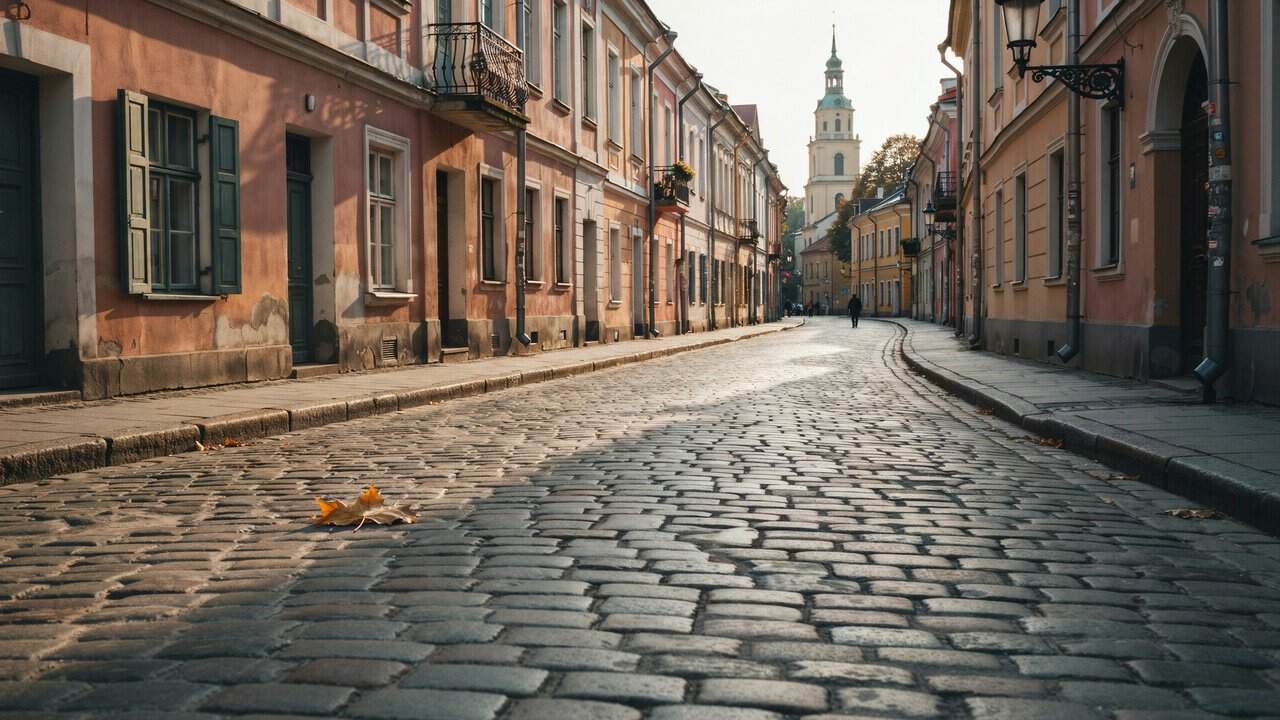
A privately produced city study, republished on 19 September 2026, has placed Vilnius, Lithuania, first among five European destinations associated with restful travel. Dresden ranks second, followed by Poznań, Warsaw and Riga. The research presents Sleep Tourism as an alternative to intensive sightseeing, using environmental and lifestyle indicators to compare the cities. However, the list is not an official government or tourism-board assessment. No public authority has endorsed its scores. Travellers should therefore regard the findings as planning inspiration, not proof that any destination can guarantee better sleep.
Rest-Focused City Ranking Requires Clear Context
The private research awarded Vilnius 8.26 out of 10 after considering air quality, greenery, noise, artificial light, temperature, rainfall and nightlife density. The European Sleep Tourism Ranking then placed Dresden in Germany second, Poznań and Warsaw in Poland third and fourth, and Riga in Latvia fifth. These factors can influence the atmosphere of a city break, but the combined scores do not represent an official European standard. Individual results may also vary substantially between neighbourhoods, properties, seasons and room types.
The study was circulating during 2025, so its September 2026 appearance is not a new public programme. It has produced no change to visas, passports, borders or transport services. Its immediate effect is greater attention for quieter city breaks and wellness accommodation. No official evidence connects it with increased arrivals, occupancy, spending or average stays.
| News component | Share of story | Officially verified finding | Relevance to travellers |
|---|---|---|---|
| Commercial city ranking | 35% | Vilnius leads the privately produced list with 8.26 out of 10 | Offers travel inspiration but is not an official quality standard |
| Environment and wellbeing | 25% | Official information supports Vilnius’s extensive greenery, while health guidance links noise with sleep disturbance | Helps travellers compare surroundings without promising better sleep |
| European tourism demand | 20% | EU accommodation nights reached nearly 3.1 billion in 2025 | Shows a large market where specialist travel products can develop |
| Accommodation implications | 10% | No official booking or revenue effect has been measured | Hotels may explain relevant room features more clearly |
| Visa and passport rules | 10% | Existing Schengen requirements remain unchanged | Travellers must continue following nationality-specific entry rules |
The percentages are an editorial assessment of the verified story and are not official statistics. They total 100%.
Official Data Supports Vilnius Green Credentials
Official information reports that green space covers 61% of Vilnius and trees cover 48%. It also says 95% of residents live within 300 metres of greenery. Vilnius held the European Green Capital title in 2025. These verified characteristics support walking, low-intensity sightseeing and outdoor time during a city break.
The private article reports 56% greenery, five percentage points below the official figure. This difference does not remove the city’s environmental strengths, but it shows why the European Sleep Tourism Ranking is not definitive public data. Different definitions and boundaries can produce different results. The official 61% figure supports Vilnius’s green image, not the private score or claims of better sleep.
Rest-Focused Travel Meets a Strong European Accommodation Market
Official European statistics recorded nearly 3.1 billion tourist-accommodation nights in 2025. Spain, Italy, France and Germany generated 61.7% of the total; Germany accounted for 442.1 million. Poland grew by 7.2%, while Latvia recorded about five million nights. A methodological change prevented direct comparison of Lithuania’s 2024 and 2025 totals.
Accommodation demand continued growing during early 2026. Overnight stays across the European Union increased by 3% during the first quarter compared with the same period of 2025. Foreign-guest nights rose by 24.1% in Lithuania but declined by 7.5% in Latvia. International visitors represented 19.9% of accommodation nights in Germany and 20.2% in Poland. The figures provide market context for rest-focused travel, but official statistics do not identify how many visitors travelled primarily for rest, recovery or improved sleep.
Other Ranked Cities Offer Verified Green Experiences
Dresden’s official destination information highlights the Großer Garten, a large Baroque park, and other regional landscapes. Its park railway covers six kilometres in about 30 minutes. These attractions support slower itineraries and outdoor relaxation, but they neither measure sleep quality nor prove Dresden offers better rest than unlisted cities.
Official visitor information says almost one-quarter of Warsaw is green, including parks, historical gardens, nature reserves, botanical gardens and urban forests. Such assets support the general reasoning behind the European Sleep Tourism Ranking, while remaining separate from its methodology. No equivalent official evidence has been found confirming the ranking’s citywide noise, light or sleep measurements for Poznań and Riga. Those elements should therefore remain attributed to the private research rather than presented as independently verified public findings.
Rest-Focused Travel Could Influence Hotels and Slower City Breaks
The trend may encourage hotels to publish clearer details about soundproofing, blackout curtains, room orientation, temperature and bedding. Properties can explain whether rooms face roads, railways or entertainment areas. Measurable information helps travellers decide without implying that accommodation treats medical conditions or guarantees uninterrupted rest.
For destinations, the European Sleep Tourism Ranking may create opportunities to combine parks, spas, walking routes, cultural attractions and quieter neighbourhoods. It could also support off-season and midweek promotion, when visitor pressure may be lower. However, possible benefits for local businesses remain unconfirmed. No official figures currently connect the list with higher bookings, longer stays, increased spending or wider visitor distribution. Environmental sustainability also depends on transport emissions, energy use, water demand and community effects, not simply a slower itinerary.
Travellers interested in a rest-focused European break should:
- Treat the city order as a private comparison rather than an official European award.
- Check hotel soundproofing, blackout facilities, temperature controls and room location.
- Consider flight times, airport transfers, time-zone changes and likely jet lag.
- Review current air-quality information when respiratory health is a concern.
- Compare accessibility, cancellation conditions and wellness-package inclusions.
- Check nationality-specific passport and visa rules before making reservations.
- Seek professional health advice for continuing or serious sleep difficulties.
- Reconfirm official destination and entry information shortly before departure.
What Happens Next for Rest-Focused European Travel
No government review, implementation date or policy is connected with the European Sleep Tourism Ranking. Evidence must measure visitor motivation, bookings, occupancy, stays and spending before establishing an economic effect. Independent research also needs transparent definitions and comparable environmental measurements. Until then, the list remains a private comparison, not a recognised destination-performance measure.
Lithuania’s visibility may still increase because Vilnius combines a historic city experience with verified access to extensive greenery. The wider rest-focused travel discussion may encourage hotels and tourism authorities to communicate quiet-room features, parks, wellness services and off-season experiences more precisely. Travellers do not need to change existing plans because of the ranking, while normal Schengen requirements remain in force. The five cities may benefit from additional interest, but measurable effects on tourism demand, revenue and visitor behaviour must be demonstrated through future official data.
Conclusion: A Useful Travel Trend, Not an Official Verdict
Vilnius has gained new attention from a private European city comparison, supported partly by its verified environmental strengths. Official information confirms that green space covers 61% of Lithuania’s capital, but public authorities have not endorsed the commercial score or declared it Europe’s best city for sleep. Travellers should compare accommodation features, neighbourhood conditions, transport schedules and seasonal factors before booking. Sleep Tourism may strengthen demand for wellness hotels, slower itineraries and quieter urban experiences, although its economic influence remains unmeasured. Future official statistics and transparent research will determine whether the trend develops into a lasting, independently documented segment of European travel.
The post Lithuania Is Now on Top of a Private European Sleep Tourism Ranking for More Restful City Breaks appeared first on Travel and Tour World